
How to Recover From DOMS:

Delayed Onset Muscle Soreness, commonly known as DOMS, is a familiar sensation for anyone who has ever embarked on a new exercise routine or intensified their workouts. While it can be uncomfortable, DOMS is a natural response to the stress placed on your muscles during physical activity. The good news is that there are effective ways to alleviate this soreness and accelerate your recovery. In this blog, we’ll explore how to recover from DOMS and get back to your fitness routine feeling refreshed and ready to go.

Understanding DOMS


DOMS typically manifests as muscle stiffness, tenderness, and pain that peaks 24 to 48 hours after strenuous exercise. It is believed to result from microscopic damage to muscle fibres, inflammation, and the accumulation of waste products in the muscles. Although it can be uncomfortable, it’s a sign that your body is adapting and becoming stronger. However, it’s essential to manage DOMS to ensure you can continue exercising without risking injury or burnout.


Here’s a step-by-step guide to help you recover from DOMS:


Rest and Recovery

The first and most crucial step in recovering from DOMS is to give your body the rest it needs. Avoid overtraining and allow your muscles to repair themselves. While complete rest may not be necessary, you should prioritize lighter activities such as walking or gentle stretching during the initial soreness period.


Hydrate and Nutrition

Proper nutrition plays a vital role in muscle recovery. Make sure to stay well-hydrated and consume a balanced diet rich in protein, complex carbohydrates, and healthy fats. Protein is essential for muscle repair and growth. Consider incorporating post-workout protein shakes or meals to aid recovery.


Gentle Stretching and Mobility Work

Engage in light stretching and mobility exercises to improve blood circulation and reduce muscle tension. Focus on the affected muscles and perform gentle stretches, holding each position for 15-30 seconds. Yoga or foam rolling can also help alleviate muscle tightness.


Ice and Heat Therapy

Alternating between ice and heat can be beneficial for reducing inflammation and soothing sore muscles. Apply ice packs to the affected areas for 20 minutes, followed by a warm compress for another 20 minutes. This contrast therapy can help improve blood flow and reduce pain.


Over-the-Counter Pain Relief

Non-prescription pain relievers like ibuprofen or acetaminophen can be used in moderation to alleviate pain and inflammation. However, consult a healthcare professional before using any medication, especially if you have underlying health conditions or are taking other medications.


Massage Therapy

Professional massages or self-massage with a foam roller can be effective in easing muscle tension and improving circulation. Focus on the sore muscles and use slow, deliberate strokes to target knots and tightness.


Active Recovery

Once the initial soreness has subsided, gradually reintroduce low-intensity exercises like walking, cycling, or swimming. This helps promote blood flow and aids in the recovery process. Avoid high-intensity workouts until your muscles feel fully recovered.


Sleep

Adequate sleep is essential for muscle repair and overall recovery. Aim for 7-9 hours of quality sleep each night, as this is when your body repairs and regenerates muscle tissue.


Stay Consistent

To prevent future bouts of DOMS, gradually increase the intensity and duration of your workouts. Consistency in your exercise routine allows your muscles to adapt and become less susceptible to soreness.


Conclusion

Recovering from DOMS is a natural part of the fitness journey. By following these steps, you can minimize discomfort, promote muscle repair, and expedite your recovery process. Remember that everyone’s body is unique, and it may take some trial and error to find the best combination of strategies that work for you. The key is to listen to your body, prioritize self-care, and stay committed to your fitness goals. With time and patience, you’ll be back in the gym, feeling stronger than ever.

Plant Base Protien: The Good & Bad.

In recent years, the interest in plant-based diets has surged, driven by concerns about health, sustainability, and animal welfare. As a result, the demand for plant-based protein sources has also risen significantly. Whether you’re a vegan, vegetarian, or simply looking to reduce your meat consumption, understanding the world of plant-based protein can be vital for maintaining a balanced and nutritious diet. In this blog post, we will explore the best, the worst, and everything in between when it comes to plant-based protein sources.

The Best Plant-based Protein Sources

Legumes – Lentils, chickpeas, black beans, and peas are excellent sources of protein. They are also rich in fiber, iron, and various essential vitamins and minerals.

Soy – Soybeans and soy-based products like tofu and tempeh are complete proteins, meaning they contain all nine essential amino acids needed by the human body.

Quinoa – Often referred to as a “superfood,” quinoa is not only a good source of protein but also provides all the essential amino acids and is gluten-free.

Nuts and Seeds – Almonds, chia seeds, pumpkin seeds, and hemp seeds are packed with protein and healthy fats, making them a great addition to any plant-based diet.

Edamame – These young soybeans are a delicious and nutritious snack, offering a significant amount of protein per serving.

The Worst Plant-based Protein Sources

While most plant-based foods contain some amount of protein, certain sources may not be as high in protein content or may lack certain essential amino acids. These foods can still contribute to a balanced diet but should be complemented with other protein sources to meet daily protein requirements.

White Bread and Refined Grains – These foods are often low in protein and essential nutrients compared to their whole grain counterparts.        

Fruits – While fruits provide many health benefits, they are not significant sources of protein.

Vegetables – While vegetables are crucial for a balanced diet, their protein content is generally lower compared to other plant-based sources.

Potato Chips and Snack Foods – These processed foods may be vegan-friendly, but they offer minimal nutritional value, including protein.

The Protein Powerhouses: Combining Plant-based Proteins

To maximise the nutritional benefits of a plant-based diet, it’s essential to combine various protein sources to ensure you get all the essential amino acids your body needs. This process is known as protein complementation. By mixing different protein-rich foods, you can create a complete protein profile that rivals that of animal-based sources.

For example, combining beans and rice, hummus with whole-grain pita, or peanut butter with whole-grain bread can create complete protein sources, ensuring that you receive all the necessary amino acids.

The Protein Myth: Plant-based Protein Is Incomplete

A common misconception about plant-based diets is that they lack complete proteins. While it’s true that some individual plant foods may not contain all nine essential amino acids, the body can efficiently use the amino acids from different sources when consumed throughout the day.

As long as you maintain a diverse and balanced diet, meeting protein needs on a plant-based diet is entirely achievable.

Plant-based protein offers a plethora of options for individuals looking to adopt a more sustainable, ethical, and health-conscious lifestyle. By incorporating a variety of legumes, soy-based products, grains, nuts, and seeds, you can easily meet your protein requirements while enjoying a delicious and diverse array of meals.

Remember, a well-planned plant-based diet can provide all the necessary nutrients your body needs to thrive.

Side effects of Pre-workout supplements

re-workout supplements are popular among individuals looking to enhance their performance and energy levels during exercise. While they can provide benefits, it’s important to be aware of potential side effects. Here are five possible side effects of pre-workout supplements:

  1. Insomnia and Sleep Disturbances: Many pre-workout supplements contain stimulants like caffeine or other energy-boosting ingredients. These substances can interfere with your sleep patterns, leading to insomnia or disrupted sleep. It’s recommended to avoid consuming pre-workout supplements too close to bedtime to minimize sleep disturbances.
  2. Increased Heart Rate and Blood Pressure: Stimulants present in pre-workout supplements can cause an increase in heart rate and blood pressure. While this effect can provide a temporary energy boost during exercise, it may pose risks for individuals with underlying heart conditions or hypertension. It’s crucial to consult with a healthcare professional if you have any cardiovascular concerns.
  3. Gastrointestinal Issues: Some individuals may experience digestive problems after taking pre-workout supplements. Ingredients like creatine, beta-alanine, or high doses of caffeine can cause stomach discomfort, diarrhea, or nausea. These side effects can vary from person to person, and it’s advisable to start with a lower dosage to assess your tolerance.
  4. Dehydration: Pre-workout supplements may contain diuretic ingredients or caffeine, which can contribute to increased urine production and fluid loss. This can potentially lead to dehydration, especially if you’re engaged in intense physical activity without adequately replacing lost fluids. It’s essential to stay hydrated by drinking plenty of water when using pre-workout supplements.
  5. Dependency and Tolerance: Regular use of pre-workout supplements can lead to dependency and tolerance over time. Your body may become accustomed to the stimulants, and you might need higher doses to experience the same effects. This can lead to a cycle of reliance on these supplements and potential withdrawal symptoms when discontinuing their use. It’s advisable to use pre-workout supplements in moderation and take breaks to avoid dependency.

Remember, individual experiences with pre-workout supplements can vary, and not everyone will experience these side effects. It’s crucial to read product labels, follow recommended dosages, and consult with a healthcare professional before incorporating any new supplements into your routine, especially if you have underlying health conditions.

Pea Protein Powder: Nutrition, Benefits, and Side Effects

Protein powders have gained immense popularity in the health and fitness industry as a convenient and effective way to supplement one’s daily protein intake. Among the various protein powder options available, pea protein powder has emerged as a popular choice for many individuals, particularly those following plant-based or vegetarian diets. In this blog post, we will explore the nutrition, benefits, and potential side effects of pea protein powder.

Nutrition Profile of Pea Protein Powder:

Pea protein powder is derived from yellow peas, also known as Pisum sativum, and is produced by drying and grinding the peas into a fine powder. It offers an excellent nutritional profile, making it a viable alternative to other protein sources. Here are some key nutritional aspects of pea protein powder:

Protein Content: Pea protein powder is known for its high protein content. It typically contains around 20 to 25 grams of protein per serving, making it a suitable choice for individuals looking to increase their protein intake.

Essential Amino Acids: Pea protein powder is rich in essential amino acids, which are the building blocks of protein. It contains all nine essential amino acids, including lysine, isoleucine, leucine, valine, methionine, phenylalanine, threonine, histidine, and tryptophan.

Low in Carbohydrates and Fat: Pea protein powder is relatively low in carbohydrates and fat, making it a favourable option for those watching their macronutrient intake.

Benefits of Pea Protein Powder:

  1. Muscle Building and Recovery: Pea protein powder is an excellent choice for individuals engaged in strength training or physical activity that requires muscle repair and recovery. Its rich amino acid profile, especially the branched-chain amino acids (BCAAs), supports muscle protein synthesis, aiding in muscle growth and repair.
  2. Plant-Based and Vegan-Friendly: Pea protein powder is a valuable resource for individuals following a plant-based or vegan lifestyle. It offers a sustainable and cruelty-free protein source, allowing them to meet their daily protein requirements without relying on animal-based products.
  3. Digestive Health: Unlike other protein powders like whey, pea protein powder is lactose-free and easier to digest. It is a suitable option for individuals with lactose intolerance or sensitive digestive systems.
  4. Satiety and Weight Management: Protein is known to promote feelings of fullness and reduce appetite. Incorporating pea protein powder into meals or snacks can help control hunger and aid in weight management goals.

Potential Side Effects and Considerations:

While pea protein powder is generally safe for consumption, individuals should be aware of potential side effects and take necessary precautions:

  1. Allergies: Pea protein is derived from legumes, and individuals with legume allergies may experience adverse reactions. It is important to consult with a healthcare professional before incorporating pea protein powder if you have known allergies or sensitivities.
  2. Digestive Sensitivity: Some individuals may experience digestive issues, such as bloating, gas, or stomach discomfort, when consuming pea protein powder. Adjusting the serving size or trying different brands may help alleviate these symptoms.
  3. Heavy Metals: As with any plant-based protein powder, there is a potential risk of heavy metal contamination. It is advisable to choose pea protein powder from reputable brands that undergo thorough testing for purity and safety.

Pea protein powder offers a valuable plant-based protein source with numerous nutritional benefits. With its high protein content, essential amino acids, and suitability for various dietary needs, it has become a popular choice among fitness enthusiasts and individuals following plant-based diets. However, it is crucial to be mindful of potential allergies, digestive sensitivities, and the quality of

Patra Pinwheels

Alu Wadi also known as Patra in Gujarati, are a traditional Maharashtrian-Gujarati appetizer and can be enjoyed at any time of the day. A tasty delicacy that is made with gram flour, ginger-chilli paste and a selection of spices. Easy to make, that can be served in under an hour.

Ingredients

6 washed and dried Colocasia Leaves

For the Paste

1 tsp Turmeric powder            

1 tbs Jaggery                                  

1 tsp Coriander Powder      

1/2 tsp Red Chilli powder

1/2 tsp Asafoetida

2 cups Gram flour

2 tsp finely chopped ginger

2 tbs yoghurt

1/2 cup Tamarind Water

1 tbs Oil

Salt

For the Seasoning 

1 tsp Cumin seeds

1 tsp Mustard seeds

1 tbs oil

1/4 tsp Asafoetida

2 tsp Sesame seeds

3 Curry leaves

2 tbs grated coconut.

Method

To make the patra paste, place all the ingredients that I have listed for the paste in the ingredients section into a large mixing bowl, to that add a little bit little water to help make a thick paste in a bowl. 

After adding the water, mix everything together properly till it turns into a paste.

Take the 6 large colocasia leaves, wash them and dry them with kitchen roll. Then gently remove the thick veins of the leaves with a knife.

Now smear the besan paste evenly on the Colocasia leaf and a little bit of the besan mixture on another leaf, place it on the first leaf with the tip pointing in the opposite direction.

Keep doing this until there is 4 layers with 4 leaves, then fold the left and right-side inwards and keep smearing the besan paste while rolling to make a log.

Now Preheat the steamer, grease the steamer plates with oil and place the patra log in the steamer and cover it.

Steam for about 10 minutes, then remove it from the steamer and allow it to cool down for around 10 mins.

Once it has cooled down, cut the log into slim pinwheels.

How to make the seasoning.

Heat oil In a large wok on a medium heat, then add in the mustard seeds, cumin seeds, sesame seeds and let them crackle.

Once crackled, add in the asafoetida and curry leaves. Cook for about 30 seconds, then add in the patra pinwheels, let them cook on a low heat till they turn golden in colour.

Then take them of the heat and place them onto a platter and garnish with grated coconut and fresh and serve.

Dahi Sev Puri Recipe

Dahi Batata sev Puri is a popular Indian street food where puri (golgappa) is topped with various chutneys, masalas, boiled potatoes, fine sev, and yogurt. Make this Indian chaat using this simple

Ingredients

250 grams chilled plain yogurt

100 grams finely chopped boiled potatoes

80grams boiled whole green moong


80grams boiled black chickpeas

0.5 teaspoon salt

10-12 golgappa puri (pani puri)

0.5 tsp chaat masala

80 grams nylon sev

0.5 tsp roasted cumin powder

0.25 tsp red chili powder

50 grams coriander chutney

60 grams sweet tamarind chutney

2 tablespoons chopped fresh coriander

Instructions:

Prepare The Yogurt

Place the yogurt in medium bowl. Add in the salt, chaat masala, cumin powder, and red chili powder and mix well.

Assemble The Dahi Puri:

Place 10-12 golgappa on a small serving plate.

make a small hole in each golgappa.

Fill the golgappa with sev, boiled potatoes, cooked black gram, and cooked whole moong.

Pour the yogurt mixture all over the golgappas

Drizzle the coriander and tamarind chutney all over the golaappas.

Finally sprinkle fresh cilantro and Serve immediately.

One Pot Red Lentil Pasta

One Pot Red Lentil Pasta

This is my go to recipe on a busy day, it only takes 5-10mins to make and is a nutritionally balanced meal.

Lentil pasta is an excellent alternative as it’s high in fiber and protein. Lentils are aslo loaded with folate, iron, phosphorus and potassium. Lentil pasta is rich in fiber. Fiber intake helps reduce the risk of developing heart disease, diabetes and stroke.

Ingredients

1 can of tomato tin

1 small bowl of pasta

I small bowl of diced onion

5 cloves of minced garlic

1 tsp thyme

1 tsp oregano

500 ml veg broth

Salt and pepper to tatse

Fresh Basil

Chesse (optional)

In a large pan add in the red lentil pasta, tin tomato, diced onion and minced garlic, spices and the veg broth. Mix together, then add in salt and pepper.

Let it simmer on a slow gas till most of the liquid is absorbed.

Then add in fresh basil and mix well. After a few minutes turn of the heat.

Place is a serving bowl, add more fresh basil, chesse and enjoy.

Roasted Chickpea & Tortilla chips Salad

Chickpeas is superfood, as well as being an excellent source of plant-based protein and high in fiber. Chikpeas are filling and very beneficial for digestion and gut health.

A cooked cup of chickpeas contains 12.5 grams of fiber and 14.5 grams of protein. With only 268 calories.

Adding a rainbow salad salad to your diet help to decreases inflammation in prevent cancer. Keeps our immune system strong and our skin healthy, as well as good vision.• Keeps our bones, teeth and nails strong and also prevents blood clots.

Tortilla chips adds a crunch to the sald and thry are low in fat.

Ingredients

1 can of chickpeas

Half bag of Tortilla chips

1 tsp red chilli

Cilantro

1 tsp oinion powder

1 tsp garlic powder

1 tsp cumin powder

1 tsp salt

2 tbs lemon juice

2 tbs olive oil

Romaine lettuce

Red cabbage,

Tomatos

Sweetcorn

Avocado

Method

Drain the can of chickpeas, wash and dry them. Then place thr chikpeas in a large mixing bowl.

In a small bowl add all the spices, lemon juice and olive oil and mix together to make a smooth paste.

Preheat the oven to 400°F (200°C).

Add the spice paste to the chickpea bowl and mix well. Place the coated chickpeas in to a baking tray and roast in thr oven.

How to make the dressing:

In a blender add 1 chopped shallot, bunch of cilantro, pinch of salt, black pepper, 2 minced garlic cloves, half a lemon jucice and olive oil. Blitz till smooth and pour into a serving cup.

In a serving bowl place Romaine lettuce, red cabbage, tomatoes, sweetcorn, avocado, cilantro. Then add in the roasted chickpeas and strips of tortillas chips.

Drizzle the the dressing and mix well and serve.

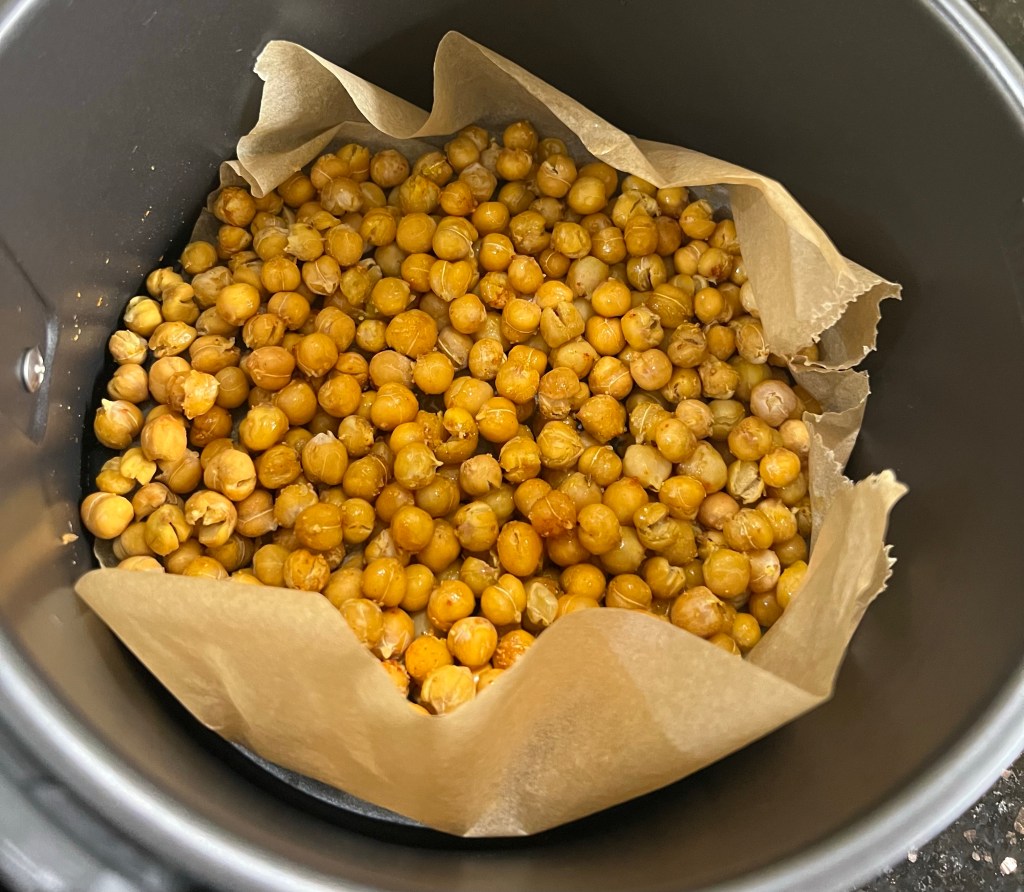
Spicy Roasted Chickpeas

Roasted Spiced Chickpeas are so simple to make and full of taste. They make an excellent snack.

Chickpeas is superfood, as well as being an excellent source of plant-based protein and high in fiber. Chikpeas are filling and very beneficial for digestion and gut health.

A cooked cup of chickpeas contains 12.5 grams of fiber and 14.5 grams of protein. With only 268 calories.

Ingredients

Serves 1

1 Chickpea can, drained and rinsed.

1 tablespoon olive oil

1 teaspoon ground cumin

1 teaspoon turmeric powder

1 teaspoon chilli powder

1 teaspoon salt

1 teaspoon coriander powder

Method

Preheat the oven to 400°F (200°C).

Drain, rinse and dry the chickpeas.

More drier the chickpeas are the more crunchier they will become once cooked.

Spread the chickpeas out on a parchment paper-lined baking sheet.

Add olive oil, cumin, turmeric, chilli powder, coriander powder and salt to the chickpeas and toss well till coated evenly.

Roast the chickpeas for 20-25 minutes for oruntil browned.

Let then to cool for 5 minutes and serve.

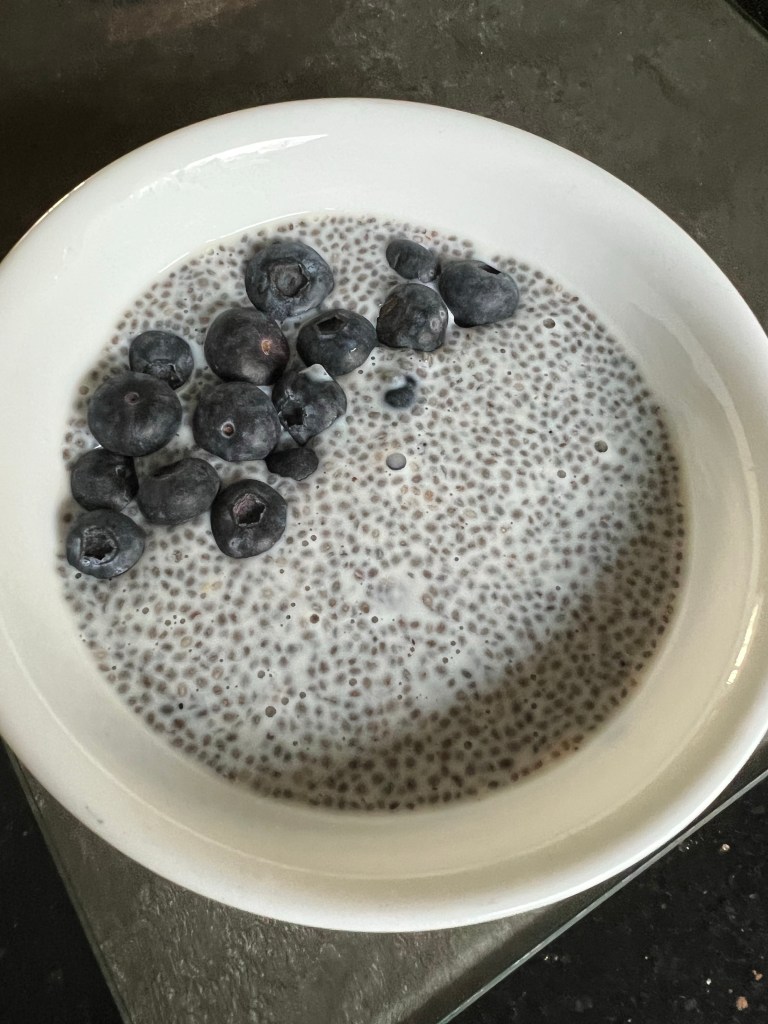
Chia pudding Bowl.

Chia pudding blowl is a dense and filling breakfast. Chia seeds is a super food. They are high in fibre, antioxidants,, protien and omega3 fatty acids.

Ingredients

200ml plant base milk

2 tbsp Chia seeds

1 tsp vanilla extract

1 tsp maple syrup

A dash of cinnamon

Method

Toppings

Blueberries

Kiwi

Seeds

Method

Place all the ingredients into a mason jar, close it tightly and shake it.

Place thr jar in the refrigerator overnight.

Next day, emptty the puddibg into a bowl and stir well as the chia seeds will expand.

Add toppings of your choice and enjoy.