Macronutrients 101: Balancing Carbs, Proteins, and Fats

Welcome to the world of macronutrients—the essential building blocks of our diet that keep us energised, healthy, and functioning at our best. Whether you’re a fitness enthusiast, a health-conscious eater, or just someone trying to understand what makes up your meals, understanding macronutrients is key. In this guide, we’ll break down the three main types of macronutrients, their functions, benefits, and how you can balance them for optimal health. Ready to dive in? Let’s get started!

What Are Macronutrients?

Macronutrients are nutrients that our bodies require in large amounts to function properly. They provide the energy needed for all bodily functions and are vital for overall health. There are three primary macronutrients: carbohydrates, proteins, and fats. Each plays a unique role in our body and offers its own set of benefits.

1. Carbohydrates: The Body’s Main Energy Source

What Are They?
Carbohydrates are the body’s primary source of energy, especially for high-intensity activities. They break down into glucose, which fuels your muscles and brain.

Types of Carbs:

  • Simple Carbohydrates: Found in foods like fruits, milk, and sugar. These carbs are quickly digested and provide a fast energy boost.
  • Complex Carbohydrates: Found in whole grains, legumes, and vegetables. These carbs take longer to digest and provide sustained energy.

Functions of Carbs:

  • Energy Production: Carbs are the body’s preferred source of fuel, especially during exercise or strenuous activity.
  • Brain Function: Glucose, derived from carbs, is the brain’s main energy source.

Benefits:

  • Quick Energy: Simple carbs can quickly replenish energy levels, ideal for pre- or post-workout snacks.
  • Sustained Energy: Complex carbs keep blood sugar stable and help you feel fuller for longer.

Carb-Balancing Tips:

  • Opt for whole, unprocessed carbs like oats, quinoa, and sweet potatoes.
  • Limit sugary snacks and refined grains (e.g., white bread) that spike blood sugar levels.

2. Proteins: The Body’s Building Blocks

What Are They?
Proteins are essential for tissue repair, muscle growth, and the production of enzymes and hormones. They’re often called the “building blocks” of the body.

Types of Proteins:

  • Complete Proteins: Contain all nine essential amino acids and are found in animal products like meat, eggs, and dairy, as well as plant-based sources like quinoa and soy.
  • Incomplete Proteins: Lack one or more essential amino acids and are found in most plant-based foods, like beans, lentils, and nuts.

Functions of Protein:

  • Muscle Repair & Growth: Protein helps repair tissues and build muscle after exercise.
  • Enzyme Production: It also plays a role in producing enzymes for vital biochemical reactions.

Benefits:

  • Muscle Strength: Adequate protein intake supports muscle growth and recovery, making it crucial for athletes and fitness enthusiasts.
  • Satiety: Protein helps keep you feeling full, which can assist in weight management.

Protein-Balancing Tips:

  • Incorporate a variety of protein sources in your meals—lean meats, fish, dairy, legumes, and nuts.
  • Choose plant-based proteins if you’re following a vegan or vegetarian diet.
  • Example: A hearty meal might include a grilled chicken breast (complete protein), quinoa (carb), and sautéed veggies (fibre and nutrients).

3. Fats: Essential for Overall Health

What Are They?
Fats are a dense source of energy and are crucial for maintaining cell structures and producing hormones. They also help the body absorb fat-soluble vitamins.

Types of Fats:

  • Saturated Fats: Found in animal products and certain plant oils. While necessary, they should be consumed in moderation.
  • Unsaturated Fats: Found in foods like avocados, nuts, seeds, and olive oil. These fats are heart-healthy and reduce inflammation.
  • Trans Fats: Found in processed foods and should be avoided as they can increase the risk of heart disease.

Functions of Fats:

  • Energy Storage: Fats are stored in the body as an energy reserve.
  • Cell Structure & Hormone Production: Fats are essential for building cell membranes and producing vital hormones.

Benefits:

  • Heart Health: Omega-3 fatty acids (a type of unsaturated fat) help reduce inflammation and improve cardiovascular health.
  • Nutrient Absorption: Fats are crucial for the absorption of fat-soluble vitamins (A, D, E, and K).

Fat-Balancing Tips:

  • Prioritise unsaturated fats from foods like fish, nuts, seeds, and avocados.
  • Limit saturated fats by reducing processed foods and fatty meats.
  • Avoid trans fats found in most processed snacks and fast foods.

How to Balance Your Macronutrients for Optimal Health

Balancing your macronutrients is essential for maintaining a healthy diet and achieving your fitness and wellness goals. Here’s how you can get it right:

1. Assess Your Needs:
Your macronutrient needs depend on factors like age, sex, activity level, and health goals. For example, athletes may require higher protein intake, while those following a keto diet focus on increasing fats and reducing carbs. You can use a macro calculator or consult a nutritionist for personalised advice.

2. Meal Planning & Example Meal Combinations:

  • Breakfast: Scrambled eggs (protein), whole grain toast (carb), avocado (healthy fat).
  • Lunch: Grilled chicken (protein), quinoa (carb), mixed greens with olive oil dressing (healthy fat).
  • Dinner: Salmon (protein + omega-3 fat), sweet potatoes (carb), steamed broccoli (fibre).

3. Listen to Your Body:
Pay attention to how different macronutrient ratios affect your energy levels, mood, and overall health. Do you feel sluggish after a high-carb meal? Energised after a protein-packed snack? Adjust accordingly.

Diet-Specific Tips:

  • Keto Diet: Focus on higher fat, moderate protein, and very low carbs (e.g., avocado, cheese, eggs, and leafy greens).
  • Vegan Diet: Ensure adequate protein intake from plant-based sources (e.g., lentils, beans, tofu, and tempeh) and healthy fats from nuts, seeds, and oils.
  • Balanced Diet: Emphasise variety, including all macronutrients in every meal for sustained energy and well-being.

Final Thoughts: Your Path to a Healthier You

Understanding macronutrients and how they work can transform your approach to eating and health. By learning about the types, functions, and benefits of carbohydrates, proteins, and fats, you’ll be equipped to make informed food choices that align with your goals. Remember, balance is the key—and moderation is the secret to a diet that supports both happiness and health.

Ready to take control of your nutrition?
Start by evaluating your current diet, experimenting with macronutrient ratios, and observing how your body responds. You’ll feel more energised, stronger, and healthier in no time!

Engage with Us:
I’d love to hear your experiences with macronutrients. What meals or tips have worked for you? Leave a comment below and share your thoughts!

 Feel free to share this guide with friends and family who are curious about macronutrients.

Stay healthy, stay balanced, and happy eating!
Unlocking the Power of Micronutrients for Your Health

,

When we think about nutrition, our minds often jump to macronutrients: proteins, carbs, and fats. But there’s another category of nutrients that, while needed in smaller amounts, are just as crucial for our health—micronutrients. These tiny powerhouses, including vitamins and minerals, are essential for everything from energy production to immune function. Let’s dive into the world of micronutrients, exploring their types, functions, benefits, and why they deserve a place in the spotlight.

What Are Micronutrients?

Micronutrients are vitamins and minerals required by the body in minute amounts, yet they play an enormous role in maintaining optimal health. Unlike macronutrients, which provide the energy necessary to fuel our bodies, micronutrients are involved a vast array of physiological functions, ensuring that our bodies operate smoothly.

Types of Micronutrients

Micronutrients can be broadly categorized into two groups: vitamins and minerals.

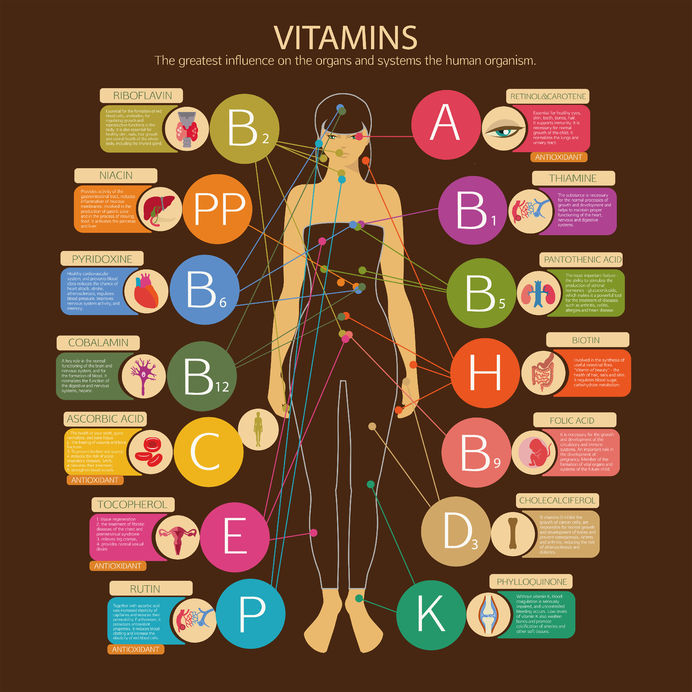
  1. Vitamins: These organic compounds are vital for various metabolic processes. There are two types of vitamins:
    • Water-soluble vitamins: These include the B-complex vitamins and vitamin C. They dissolve in water, meaning they are not stored in the body and need to be consumed regularly.
    • Fat-soluble vitamins: These include vitamins A, D, E, and K. They are absorbed along with fats in the diet and can be stored in the body’s fatty tissues.
  2. Minerals: These inorganic elements come from soil and water, and they’re absorbed by plants or consumed by animals. There are two categories of minerals:
    • Microminerals: Needed in larger amounts, these include calcium, potassium, magnesium, and sodium.
    • Trace minerals: Required in smaller quantities, these include iron, zinc, copper, and selenium.

Functions of Micronutrients

Micronutrients play diverse and critical roles in the body. Here’s a snapshot of their functions:

  • Energy Production: B-vitamins, such as B6 and B12, are crucial for converting food into energy.
  • Bone Health: Calcium and vitamin D are essential for strong bones and teeth.
  • Immune Support: Vitamins C and E, along with zinc and selenium, are key players in maintaining a robust immune system.
  • Blood Clotting: Vitamin K is necessary for the blood clotting process, which prevents excessive bleeding from injuries.
  • Antioxidant Protection: Vitamins A, C, and E function as antioxidants, protecting cells from damage caused by free radicals.
  • Growth and Development: Micronutrients like iron, iodine, and zinc are crucial for growth, development, and overall cellular function.

Benefits of Getting Enough Micronutrients

Adequate intake of micronutrients has far-reaching benefits for health and well-being:

  1. Boosts Immune Function: Regular intake of vitamins and minerals helps in building a strong immune system, reducing the risk of infections.
  2. Promotes Healthy Aging: Antioxidant vitamins protect the body from oxidative stress, slowing down the aging process and reducing the risk of chronic diseases.
  3. Enhances Mental Clarity: Certain micronutrients, like B-vitamins and omega-3 fatty acids, support brain health, improving focus, memory, and cognitive function.
  4. Supports Reproductive Health: Micronutrients like folate and zinc are essential for fertility and healthy pregnancy outcomes.
  5. Prevents Deficiencies: Ensuring an adequate intake of micronutrients prevents deficiency diseases such as scurvy (vitamin C deficiency), rickets (vitamin D deficiency), and anaemia (iron deficiency).

How to Ensure Adequate Intake of Micronutrients

To reap the benefits of micronutrients, it’s important to consume a balanced and varied diet. Here are tips to ensure you’re getting enough:

  • Eat a Rainbow: Consuming a wide variety of colourful fruits and vegetables ensures a diverse intake of vitamins and minerals.
  • Include Whole Grains: Whole grains like brown rice, oats, and quinoa are rich in B-vitamins and minerals like magnesium and iron.
  • Incorporate Lean Proteins: Meat, fish, eggs, and legumes provide essential minerals such as iron, zinc, and selenium.
  • Don’t Forget Dairy: Dairy products like milk, cheese, and yogurt are excellent sources of calcium and vitamin D.
  • Consider Fortified Foods: Foods like fortified cereals and plant-based milk can help fill in nutritional gaps.
  • Supplement Wisely: While a healthy diet should provide your nutrient needs, supplements can be useful in certain situations. Always consult with a healthcare provider before starting any supplementation.

The Bottom Line

Micronutrients may be needed in lesser amounts, but their impact on health is anything but small. From bolstering the immune system to supporting brain health and preventing chronic diseases, the importance of these nutrients cannot be overstated. By focusing on a nutrient-rich diet, you can ensure that your body gets the essential vitamins and minerals it needs to thrive.

So next time you’re planning a meal, remember to think beyond just carbs, protein, and fats. Pay attention to those vital micronutrients—they’re the tiny champions of your health!

Top 10 Nutrient-Dense Vegan Foods

in a world where health and wellness are more important than ever people are turning to plant-based diets for their myriad benefits. But with all the options out there, how do you know which vegan foods are the most nutrient-dense? We’ve got you covered! This blog is your ultimate guide to the most powerful plant-based foods that pack a nutritional punch.

1. Kale: The King of Greens

Kale has earned its crown as one of the most nutrient-dense foods on the planet. Rich in vitamins A, C, and K, kale is a powerhouse of antioxidants and anti-inflammatory compounds. Just one cup provides more than your daily requirement of vitamin K, which is crucial for bone health and blood clotting. Whether you blend it into a smoothie, toss it in a salad, or bake it into crispy chips, kale is a must-have in your diet.

2. Chia Seeds: Tiny but Mighty

Don’t be fooled by their size—chia seeds are a nutritional powerhouse. These tiny seeds are loaded with fibre, omega-3 fatty acids, protein, and essential minerals like calcium and magnesium. Just two tablespoons of chia seeds contain about 10 grams of fibre, making them a terrific addition to smoothies, oatmeal, or even as a vegan egg substitute in baking.

3. Sweet Potatoes: Nature’s Candy

Sweet potatoes are not only delicious but also incredibly nutritious. They are packed with beta-carotene, which your body converts into vitamin A, vital for maintaining healthy vision and a strong immune system. They also provide a good amount of fibre, vitamin C, and potassium. Roast them, mash them, or turn them into fries—sweet potatoes are a versatile and nutrient-rich addition to any meal.

4. Quinoa: The Complete Protein Grain

Quinoa is one of the few plant-based foods that provide all nine essential amino acids, making it a complete protein. This gluten-free grain is also high in fibre, iron, magnesium, and B-vitamins. Quinoa’s nutty flavour and fluffy texture make it a great base for salads, bowls, and even breakfast porridge.

5. Spinach: The Iron-Clad Leafy Green

Spinach is a leafy green that’s packed with iron, especially important for those on a plant-based diet. It’s also high in vitamins A and C, calcium, and folate, making it a nutrient-dense addition to any meal. Enjoy it raw in salads, sautéed as a side dish, or blended into smoothies for an extra nutrient boost.

6. Lentils: The Protein-Packed Legume

Lentils are an excellent source of plant-based protein, fibre, and essential nutrients like folate, iron, and manganese. They’re also incredibly versatile and can be used in soups, stews, salads, or even as a meat substitute in burgers. Lentils are particularly beneficial for heart health, as they help lower cholesterol and stabilize blood sugar levels.

7. Broccoli: The Detox Dynamo

Broccoli is another cruciferous vegetable that’s incredibly nutrient-dense. It’s high in vitamins C and K, fibre, and potassium, and it also contains sulforaphane, a compound that may help with detoxification and cancer prevention. Whether steamed, roasted, or raw, broccoli is a vegetable that should be on your plate.

8. Flaxseeds: The Omega-3 Booster

Flaxseeds are one of the best plant-based sources of alpha-linolenic acid (ALA), a type of omega-3 fatty acid that supports heart health. They are also high in lignans, which have antioxidant properties, and fibre. Ground flaxseeds can be added to smoothies, oatmeal, or used as an egg replacement in baking.

9. Avocado: The Creamy Nutrient Bomb

Avocados are rich in healthy monounsaturated fats, which are great for your heart. They’re also loaded with fibre, potassium, and vitamins C, E, K, and B-6. The creamy texture of avocados makes them perfect for spreading on toast, adding to salads, or blending into smoothies.

10. Seaweed: The Ocean’s Superfood

Seaweed is a nutrient-dense food that’s rich in iodine, which is essential for thyroid function. It’s also high in calcium, magnesium, and vitamins, including A, C, E, and K. Seaweed can be eaten as snacks, used in soups, or added to salads and sushi for a mineral boost.

How to Incorporate These Nutrient-Dense Foods into Your Diet

Now that you know which vegan foods are the most nutrient-dense, it’s time to start incorporating them into your daily meals. Here are simple tips:

  • Start your day with a green smoothie: Blend kale or spinach with fruits, chia seeds, and flaxseeds for a nutrient-packed breakfast.
  • Make nutrient-dense bowls: Combine quinoa or lentils with roasted sweet potatoes, broccoli, and avocado for a hearty, healthy meal.
  • Snack smart: Munch on seaweed snacks or add a sprinkle of chia or flaxseeds to your yogurt or oatmeal.
  • Power up your salads: Add a mix of leafy greens, avocado, and a sprinkle of nuts or seeds for a filling and nutritious salad.

Final Thoughts

Eating a nutrient-dense vegan diet is easier than you might think. By incorporating these superfoods into your meals, you’ll be fuelling your body with the vitamins, minerals, and antioxidants it needs to thrive. Whether you’re a seasoned vegan or just starting your plant-based journey, these foods are sure to elevate your health and wellbeing.

So, what are you waiting for? Start adding these nutrient-dense powerhouses to your plate today and feel the difference!

Join the conversation: What is your favourite nutrient-dense vegan foods? Share your thoughts and recipes in the comments below!

Celebrate National Fitness Day 2024: Fitness for Everyone!

Mark your calendars, set your reminders, and brace yourself for an energetic day that promises to get your heart racing and your spirits soaring. National Fitness Day, falling on September 18, 2024, is not just a date—it’s a movement. And trust me, you don’t want to miss this global celebration of health and vitality. Here’s why National Fitness Day 2024 is about to become your favourite day of the year.

1. A Day for Everyone: Fitness for All Ages and Abilities

Forget the stereotypes of fitness being only for the young and the ultra-athletic. National Fitness Day is designed to be inclusive, welcoming everyone—from toddlers taking their first steps to seniors embracing gentle yoga. This year, expect activities that cater to all fitness levels, ensuring that everyone can participate and feel the benefits. Whether you’re a gym rat or a casual walker, there’s something for you.

2. The Biggest Fitness Challenges and Events

Prepare to be amazed by a plethora of events happening across the globe. From virtual marathons to community bike rides, National Fitness Day 2024 is packed with opportunities to challenge yourself and have fun. Highlights include:

  • The 24-Hour Fitness Marathon: A global relay where cities around the world take turns hosting fitness challenges.
  • The Ultimate Workout Challenge: Join fitness influencers and trainers for live-streamed workouts that range from high-intensity interval training (HIIT) to calming stretching sessions.
  • Family Fitness Fun: Local parks and community centres will host family-friendly activities, like obstacle courses and dance-offs, making it easy to get everyone involved.

3. Free Fitness Classes and Workshops

This year, National Fitness Day is bringing a special treat: free fitness classes and workshops in cities everywhere. Whether you’re interested in mastering the art of Pilates, learning the latest dance moves, or diving into mindfulness and meditation, you’ll find a class that fits your interests. Man

y classes will also be available online, so you can participate from the comfort of your home.

4. The Rise of Virtual Fitness Communities

In our digital age, fitness doesn’t have to be a solo journey. Join online fitness communities that will be buzzing with activity on September 18. Share your workout progress, cheer on others, and take part in global fitness challenges. Use hashtags like #NationalFitnessDay and #FitnessForAll to connect with fellow fitness enthusiasts around the world and highlight your commitment.

5. Wellness and Health Tips from Experts

National Fitness Day 2024 isn’t about moving your body—it’s also a chance to educate yourself on holistic health. Expect to see expert advice on nutrition, mental well-being, and recovery techniques. Tune into webinars and podcasts featuring fitness coaches, nutritionists, and wellness experts who will share valuable tips to help you maintain your health journey long after the day ends.

6. Inspiring Stories and Successes

What better way to celebrate National Fitness Day than by sharing inspiring stories? This year, you’ll find a spotlight on real-life success stories of people who’ve transformed their lives through fitness. From overcoming personal challenges to achieving remarkable goals, these stories will motivate you to take charge of your health and well-being.

7. Exclusive Discounts and Deals

To make your fitness journey even sweeter, gyms, fitness apparel brands, and health food stores are offering exclusive discounts and deals in honour of National Fitness Day. It’s the perfect opportunity to stock up on gear, try out a new class, or explore new health products.

How to Get Involved

  • Participate in Events: Check out local and virtual events and sign up to be part of the action.
  • Share Your Journey: Document your fitness activities and share them on social media with the event hashtags.
  • Invite Friends and Family: Encourage your loved ones to join you in celebrating this day dedicated to health and fitness.
  • Stay Active and Engage: Keep moving, keep engaging, and don’t forget to check out the valuable tips and resources available throughout the day.

National Fitness Day 2024 is set to be an unforgettable experience—an opportunity to embrace a healthier lifestyle while having a blast. So, lace up your trainers, stretch those muscles, and get ready to make September 18th a day of fitness fun and celebration. Because when it comes to your health, every day is a wonderful day to start, but National Fitness Day is a fantastic day to go all out. Let’s move, groove, and thrive together!

The ultimate guide to healthy cookiing oils: what to use and when.

Cooking oils are a staple in every kitchen, but with so many options available, choosing the right one for your health and culinary needs can be daunting. From heart-healthy fats to oils that can withstand high heat, this ultimate guide will help you navigate the world of cooking oils, making your meals both delicious and nutritious.

1. Olive Oil: The Mediterranean Marvel

Best for: Sautéing, salad dressings, and light frying.

Why it’s great: Olive oil is a cornerstone of the Mediterranean diet, famed for its heart-healthy monounsaturated fats and rich antioxidant content. Extra virgin olive oil is the least processed form, retaining the most nutrients. It has a low smoke point, so it’s best for low to medium-heat cooking. Drizzle it over salads, roasted vegetables, or use it to sauté your favourite greens.

Pro Tip: Choose cold-pressed EVOO for the highest quality, and store it in a dark, cool place to prevent oxidation.

2. Avocado Oil: The Versatile All-Star

Best for: High-heat cooking, grilling, and baking.

Why it’s great: Avocado oil is rich in monounsaturated fats, like olive oil, but with a higher smoke point of around 520°F (271°C). This makes it perfect for grilling, stir-frying, and baking. It also has a mild, buttery flavour that won’t overpower your dishes. Additionally, avocado oil is packed with vitamin E, promoting skin health, and acting as an antioxidant.

Pro Tip: Use avocado oil when roasting veggies for a crispy, golden finish.

3. Coconut Oil: The Tropical Powerhouse

Best for: Baking, sautéing, and medium heat frying.

Why it’s great: Coconut oil is unique due to its high content of medium-chain triglycerides (MCTs), which are easier to digest and can provide a quick energy boost. It has a moderate smoke point of about 350°F (177°C) and a slightly sweet, tropical flavour, making it a wonderful choice for baked goods, curries, and sautéed dishes. However, it is high in saturated fats, so it’s best used in moderation.

Pro Tip: opt for virgin coconut oil for a more pronounced coconut flavour or refined for a neutral taste.

4. Grapeseed Oil: The Delicate Delight

Best for: Salad dressings, marinades, and low-heat cooking.

Why it’s great: Extracted from the seeds of grapes, this oil is a byproduct of winemaking. Grapeseed oil is light, neutral in flavour, and high in polyunsaturated fats, including omega-6 fatty acids. While it has a higher smoke point of around 420°F (216°C), it’s best suited for low-heat applications to preserve its delicate nutrients.

Pro Tip: Combine grapeseed oil with herbs and vinegar for a simple yet flavourful vinaigrette.

5. Sesame Oil: The Nutty Flavour Enhancer

Best for: Stir-frying, dressings, and marinades.

Why it’s great: Sesame oil comes in two varieties: light (unrefined) and dark (toasted). Light sesame oil has a higher smoke point and a mild flavour, making it ideal for stir-frying and general cooking. Dark sesame oil is toasted, providing a rich, nutty flavour that’s perfect for finishing dishes, marinades, and salad dressings. It’s packed with antioxidants like sesame and sesame, which may have anti-inflammatory properties.

Pro Tip: A little dark sesame oil goes a long way—use it sparingly to add depth to Asian-inspired dishes.

6. Sunflower Oil: The High-Heat Hero

Best for: Frying, baking, and roasting.

Why it’s great: Sunflower oil is high in vitamin E and has a light, neutral flavour that won’t compete with other ingredients. It’s a great option for high-heat cooking, with a smoke point of about 440°F (227°C). Sunflower oil is available in both refined and unrefined forms, with the refined version being more suitable for frying due to its stability at elevated temperatures.

Pro Tip: Use sunflower oil for crispy fried foods without imparting any unwanted Flavors.

7. Flaxseed Oil: The Omega-3 Champion

Best for: Salad dressings, smoothies, and drizzling.

Why it’s great: Flaxseed oil is a fantastic source of alpha-linolenic acid (ALA), a type of omega-3 fatty acid that supports heart health. However, it has an exceptionally low smoke point and should never be heated. Instead, use it cold in dressings, dips, or smoothies to reap its full nutritional benefits.

Pro Tip: Store flaxseed oil in the refrigerator to prevent it from going rancid and use it within few months of opening.

8. Peanut Oil: The Frying Favourite

Best for: Deep frying, stir-frying, and sautéing.

Why it’s great: Peanut oil has a high smoke point of around 450°F (232°C), making it ideal for deep frying and high-heat cooking. It has a subtle nutty flavour that can enhance the taste of fried foods, and it’s often used in Asian cuisine. Peanut oil is also rich in monounsaturated fats, like olive and avocado oils.

Pro Tip: Choose cold-pressed peanut oil for a more robust flavour or refined for a lighter taste.

Choosing the Right Oil

When selecting a cooking oil, you should consider both the health benefits and the culinary uses. opt for oils rich in healthy fats like monounsaturated and polyunsaturated fats and pay attention to the smoke point to ensure you’re using the right oil for the right cooking method. Remember, variety is key using a range of oils can provide a balance of Flavors and nutrients, making your meals healthier and more delicious.

Incorporate these oils into your cooking routine, and you’ll not only enhance the flavour of your dishes but also boost their nutritional value. So, next time you reach for a bottle of oil, you’ll know exactly which one to choose for the job!

Ready to start cooking with these healthy oils? Share your favourite recipes in the comments below, and don’t forget to subscribe for more tips on healthy eating

Unveiling the Power of Exercise: 7 Reasons for Improved Health and Longevity

In a world where hectic schedules and sedentary lifestyles often take precedence, the importance of regular exercise cannot be overstated. Beyond just helping you fit into your favorite jeans, exercise offers a plethora of health benefits that can significantly enhance your quality of life. From boosting your mood to reducing the risk of chronic diseases, here are seven compelling reasons why incorporating exercise into your routine should be a top priority:

Improved Mental Health: Exercise isn’t just beneficial for your body; it’s also a powerful tool for your mind. Regular physical activity has been shown to reduce symptoms of anxiety, depression, and stress by releasing feel-good hormones like endorphins. Whether it’s a brisk walk in the park or a heart-pumping session at the gym, exercise can help clear your mind and lift your spirits.

Increased Energy Levels: It may seem counterintuitive, but expending energy through exercise actually leads to an increase in energy levels over time. By improving cardiovascular health and enhancing circulation, regular exercise ensures that oxygen and nutrients are delivered more efficiently to your body’s tissues, leaving you feeling more energised and alert throughout the day.

Weight Management: One of the most well-known benefits of regular exercise is its role in weight management. Whether your goal is to shed excess pounds or maintain a healthy weight, incorporating physical activity into your routine is essential. Exercise not only burns calories during the activity itself but also boosts your metabolism, making it easier to maintain a healthy weight over the long term.

Stronger Immune System: Want to ward off those pesky colds and infections? Regular exercise can help. Engaging in moderate-intensity exercise has been shown to enhance the immune system by increasing the production of antibodies and white blood cells, which are essential for fighting off pathogens. Just be sure not to overdo it, as excessive exercise can actually suppress immune function.

Reduced Risk of Chronic Diseases: From heart disease to diabetes, many of the most common chronic diseases can be prevented or managed through regular exercise. Physical activity helps lower blood pressure, improve cholesterol levels, and regulate blood sugar levels, reducing the risk of developing these conditions. Additionally, exercise can improve insulin sensitivity, making it easier for your body to utilise glucose effectively.

Better Sleep: Tossing and turning at night? Regular exercise might be the solution. Studies have shown that engaging in physical activity can improve sleep quality and help you fall asleep faster. Exercise helps regulate your body’s internal clock, promotes relaxation, and reduces symptoms of insomnia. Just be sure to avoid vigorous exercise too close to bedtime, as it may interfere with your ability to wind down.

Increased Longevity: Want to live a longer, healthier life? Make exercise a habit. Numerous studies have demonstrated a strong association between regular physical activity and increased longevity. Exercise helps prevent age-related decline in physical function, reduces the risk of chronic diseases, and enhances overall quality of life, allowing you to enjoy more years of vitality and independence.

The benefits of regular exercise extend far beyond simply looking good in a swimsuit. From boosting your mood to improving your overall health and longevity, exercise is truly a powerful medicine for both body and mind. So lace up those sneakers, hit the gym, and start reaping the rewards of a more active lifestyle today! Your future self will thank you.

World Digestive Day 2024: Celebrate with Tips for Happy and Healthy Digestion

Hey there, health enthusiasts and wellness warriors! Get ready to celebrate because World Digestive Day is just around the corner on May 29th, 2024. It’s time to give a big shoutout to our unsung hero: the digestive system!

Our digestive system works tirelessly day in and day out to break down food, absorb nutrients, and keep our bodies running smoothly. But how often do we actually stop and appreciate this intricate system that plays such a crucial role in our overall health and well-being?

So, in honour of World Digestive Day, let’s dive deep into the world of digestive health and explore some tips and tricks to keep your gut happy and healthy.

Fibre is Your Friend: Start your day off right with a fibre-rich breakfast. Foods like fruits, vegetables, whole grains, and legumes are packed with fibre, which helps promote healthy digestion and regular bowel movements. Plus, fibre keeps you feeling fuller for longer, making it easier to maintain a healthy weight.

Probiotics Power: Incorporate probiotic-rich foods into your diet to support a healthy balance of gut bacteria. Yogurt, kefir, sauerkraut, kimchi, and kombucha are all great sources of probiotics that can help improve digestion and boost your immune system.

Hydration Station: Staying hydrated is essential for proper digestion. Aim to drink plenty of water throughout the day to keep things moving smoothly in your digestive tract. Herbal teas and infused water can also add flavour and hydration benefits.

Mindful Eating: Slow down and savour your meals. Chew your food thoroughly and pay attention to your body’s hunger and fullness cues. Mindful eating not only aids digestion but also helps prevent overeating and promotes a healthier relationship with food.

Move Your Body: Regular physical activity isn’t just good for your waistline—it’s also beneficial for your digestive system. Exercise helps stimulate digestion and can relieve symptoms of bloating and constipation. So, lace up those sneakers and get moving!

Manage Stress: Did you know that stress can wreak havoc on your digestive system? Incorporate stress-reducing activities into your daily routine, such as meditation, yoga, deep breathing exercises, or spending time in nature. Your gut will thank you!

Listen to Your Gut: Pay attention to any digestive symptoms or discomfort you may experience. If something doesn’t feel right, don’t ignore it. Consult with a healthcare professional to address any concerns and develop a personalised plan for optimal digestive health.

7 Steps I followed to improve myGut Health

Improving my digestive health has been a journey of discovery and mindful choices. Incorporating these practices into my daily routine has made a noticeable difference in how my body feels and functions:

Hydration: Drinking plenty of water throughout the day keeps my digestive system hydrated and helps maintain regularity.

Balanced Diet: I prioritise whole, nutrient-rich foods like fruits, vegetables, whole grains, and lean proteins, while minimising processed and greasy foods.

Fibre-Rich Foods: Introducing fibre-rich foods such as beans, lentils, nuts, seeds, and high-fibre fruits and vegetables has promoted smoother digestion and regular bowel movements.

Probiotics: Including probiotic-rich foods like yogurt, kefir, sauerkraut, and kombucha has helped to restore and maintain a healthy balance of gut bacteria.

Mindful Eating: Practicing mindful eating techniques, such as chewing slowly and savouring each bite, aids digestion and allows me to better tune in to my body’s hunger and fullness cues.

Regular Exercise: Engaging in regular physical activity, such as walking, yoga, or cycling, stimulates digestion and promotes overall gut health.

Stress Management: Implementing stress-reduction techniques like meditation, deep breathing exercises, or journaling has reduced stress-related digestive issues and improved my overall well-being.

    On World Digestive Day, let’s raise a toast (of kombucha, perhaps?) to our hardworking digestive systems. By nourishing our guts with nutrient-rich foods, staying hydrated, moving our bodies, and managing stress, we can support optimal digestion and overall wellness. Cheers to happy tummies and vibrant health!

    Remember, good digestive health is the foundation of a healthy and happy life. So, let’s celebrate World Digestive Day with gratitude for our amazing digestive systems and a commitment to nourish them with love and care every single day. Cheers to a happy and healthy gut! 🎉🥂

    Happy World Digestive Day, everyone!

    The Gut-Brain Connection: Unlocking Mental Health Through Nutrition

    In a world buzzing with endless demands and constant pressures, our mental health often takes a backseat. But what if I told you that one of the keys to a healthier mind lies right on your plate?

    Welcome to the groundbreaking world of mental health and nutrition—a synergy that’s not just a fad but a revolution! In this blog post, we’ll explore the fascinating connection between what we eat and how we feel, unraveling the secrets to a happier, more resilient mind.

    The Gut-Mind Connection: Your Second Brain

    Did you know that your gut is often referred to as your “second brain”? It’s not just a coincidence; it’s science! The gut-brain axis is a complex network connecting your digestive system to your brain, influencing everything from mood to memory. What you eat directly impacts the composition of your gut microbiota, the trillions of bacteria residing in your digestive tract. And guess what? These gut bugs play a pivotal role in producing neurotransmitters like serotonin, the “feel-good” hormone responsible for regulating mood.

    So, nourishing your gut with a diet rich in fibre, probiotics, and prebiotics isn’t just good for your digestion—it’s a powerful way to support your mental well-being too!

    Superfoods for Super Minds

    Now, let’s talk about the superheroes of the nutrition world—superfoods! These nutrient-packed powerhouses aren’t just hype; they’re bona fide brain boosters.

    Omega-3 Fatty Acids: Found abundantly in fatty fish like salmon and in plant sources like flaxseeds and walnuts, omega-3s are essential for brain health. They’re known to reduce inflammation in the brain, promote the growth of new brain cells, and even alleviate symptoms of depression and anxiety.

    Leafy Greens: Popeye was onto something with his spinach obsession! Leafy greens like spinach, kale, and Swiss chard are rich in folate, a B-vitamin that’s been linked to a lower risk of depression. They’re also packed with antioxidants that protect your brain from oxidative stress.

    Berries: Blueberries, strawberries, raspberries—take your pick! These colourful gems are bursting with antioxidants called flavonoids, which have been shown to improve cognitive function and protect against age-related decline.

    Mindful Eating: Nourish Your Body, Nourish Your Soul

    Beyond just what we eat, how we eat matters too. In today’s fast-paced world, it’s easy to fall into the trap of mindless eating—scarfing down meals on the go or in front of screens.

    But practicing mindful eating can work wonders for your mental health. By slowing down, savouring each bite, and tuning into your body’s hunger and fullness cues, you can cultivate a deeper connection with your food and foster a greater sense of well-being.

    So, the next time you sit down for a meal, put away your phone, take a deep breath, and savour the flavour’s dancing on your tongue. Your mind will thank you for it!

    The Takeaway: Feed Your Mind, Fuel Your Life

    In a world where mental health struggles are all too common, it’s time to harness the power of nutrition as a tool for resilience and vitality. By nourishing our bodies with wholesome, nutrient-dense foods, we can nourish our minds and cultivate a greater sense of balance, clarity, and joy.

    So, let’s raise our forks to a brighter, healthier future—one bite at a time. Together, we can rewrite the narrative on mental health and nutrition and pave the way for a happier, more vibrant world.

    Are you ready to fuel your mind and unlock your full potential? The journey starts here, with the delicious and empowering choices you make every day. Let’s eat well, live well, and thrive together!

    Join the movement—share this post with your friends and family, and let’s spark a revolution in mental health and nutrition!

    Empowering Non-Fiction Books for Success and Fulfilment

    Hey there, fellow seekers of wisdom and personal growth enthusiasts! Today, I’m thrilled to share with you a treasure trove of life-changing non-fiction self-help books that have revolutionised my journey towards becoming the best version of myself. Whether you’re on a quest for clarity, seeking motivation, or simply aiming to unlock your full potential, these books are sure to ignite a spark of inspiration within you.

    “Atomic Habits” by James Clear: Prepare to bid farewell to bad habits and welcome positive change into your life with Clear’s insightful guide on the power of tiny habits. Learn how to make small adjustments that lead to remarkable results, and watch as your life transforms one habit at a time.

    The Subtle Art of Not Giving a F*ck” by Mark Manson: Buckle up for a no-nonsense approach to living a meaningful life in a world filled with distractions and superficiality. Manson’s irreverent wisdom challenges conventional self-help notions and encourages you to focus on what truly matters, letting go of the rest.

    Mindset: The New Psychology of Success” by Carol S. Dweck: Discover the transformative power of adopting a growth mindset versus a fixed mindset. Dweck’s groundbreaking research sheds light on how our beliefs about our abilities shape our lives and offers practical strategies for cultivating resilience and achieving success.

    The Power of Now” by Eckhart Tolle: Dive into the timeless wisdom of living in the present moment with Tolle’s spiritual masterpiece. Learn to quiet the incessant chatter of the mind, break free from the shackles of past regrets and future anxieties, and experience profound peace and fulfilment in the here and now.

    Daring Greatly” by Brené Brown: Embrace vulnerability as the pathway to wholehearted living and authentic connections with Brown’s empowering manifesto. Through personal anecdotes and research, Brown challenges the myth of perfection and invites you to courageously step into the arena of life, embracing your imperfections and embracing vulnerability as a strength.

    The 7 Habits of Highly Effective People” by Stephen R. Covey: Unleash your full potential and achieve lasting success with Covey’s timeless principles for personal and professional effectiveness. From prioritising your time to nurturing meaningful relationships, this classic guide offers a roadmap for living with integrity and purpose.

    Grit: The Power of Passion and Perseverance” by Angela Duckworth: Discover the secret sauce to achieving your goals and surpassing your limits with Duckworth’s groundbreaking research on the power of grit. Learn how passion and perseverance can trump talent, and cultivate the resilience needed to thrive in the face of adversity.

    So there you have it, my dear readers – a curated collection of non-fiction self-help books that have left an indelible mark on my journey of personal growth and transformation. Whether you’re embarking on a quest for self-discovery, striving for success in your career, or simply seeking a dose of inspiration, these books are sure to illuminate your path and empower you to live your best life. Happy reading, and may your journey towards self-improvement be filled with profound insights and boundless possibilities!

    Effortless Meditation: 6 Hacks for Busy Bees

    Hey there, busy bees! Are you feeling like you’re constantly buzzing from one task to another with no time to catch your breath? Trust me, I’ve been there. But fear not! I’ve got some game-changing hacks that will help you fit meditation seamlessly into your jam-packed schedule.

    In today’s fast-paced world, finding time for self-care can seem like an impossible task. But guess what? Meditation doesn’t have to be an all-or-nothing commitment. With a little creativity and these six hacks up your sleeve, you’ll be zenning out in no time!

    The Power of Mini-Meditations: Who says meditation has to be an hour-long ordeal? Break it down into bite-sized chunks! Sneak in a quick two-minute meditation during your coffee break or while waiting for the bus. Close your eyes, focus on your breath, and let the stress melt away.

    Morning Mindfulness Routine: Start your day off on the right foot with a morning mindfulness routine. Set your alarm 10 minutes earlier and spend some time meditating before you even get out of bed. Not only will it help you feel more centred and focused, but it’ll also set a positive tone for the rest of your day.

    Multitasking Meditation: Who says you can’t meditate while doing other things? Harness the power of multitasking by incorporating mindfulness into your daily activities. Practice deep breathing while washing the dishes, focus on the sensation of your feet on the ground while walking, or take a few moments to centre yourself before diving into a big project.

    Tech-Free Time: We’re all guilty of spending a little too much time glued to our screens. Take a tech break and use that time to reconnect with yourself through meditation. Whether it’s during your lunch break or before bed, carve out some tech-free time to unwind and destress.

    Lunchtime Zen Zone: Turn your lunch break into a mini retreat by carving out a quiet space to meditate. Find a cozy corner, put on some calming music or nature sounds, and let yourself relax and recharge. You’ll be amazed at how refreshed and rejuvenated you feel afterward.

    Bedtime Bliss: End your day on a peaceful note by incorporating meditation into your bedtime routine. Spend a few minutes winding down with some gentle stretching or a guided meditation to help quiet your mind and prepare your body for sleep. Say goodbye to tossing and turning and hello to sweet dreams!

    So there you have it, six simple yet effective hacks for fitting meditation into even the busiest of schedules. Remember, it’s not about finding the time, it’s about making the time. So take a deep breath, pause for a moment, and give yourself the gift of mindfulness. Your mind, body, and soul will thank you for it! 🧘‍♂️✨

    Finding My Calm in 5 Minutes: My Quick Meditation Practice for Busy Days

    When time is tight but my need for calm is urgent, I turn to a 5-minute meditation as my sanctuary amidst chaos. 

    I find a quiet spot, settle into a comfortable seat, and gently close my eyes. 

    With three deep breaths, I inhale positivity and exhale tension, grounding myself in the present moment.

     I focus on my breath, letting it lead my attention away from distractions. 

    I scan my body for any areas of tension, consciously releasing them with each exhale.

    If my mind wanders, I acknowledge the thoughts without judgment, gently guiding my focus back to my breath.

    As I conclude, I take a moment to express gratitude for this brief respite. 

    Anyone looking to explore meditation further, I invite you to join my online beginner-friendly course, “Learn to Meditate in 7 Days,” where we embark on a transformative journey towards inner peace and mindfulness together.