How to make your diet healthier

Maintaining a healthy diet is essential for overall well-being and vitality. However, the abundance of information on nutrition can be overwhelming. The good news is that adopting a healthier diet doesn’t have to be complicated. By making small, sustainable changes to your eating habits, you can significantly improve your overall health. Here are 25 ways to make your diet healthier.

  • Hydrate with Water:
  • Start your day by drinking a glass of water and aim to stay hydrated throughout the day. Water helps with digestion, nutrient absorption, and overall bodily functions.
  • Eat Colourful Fruits and Vegetables:
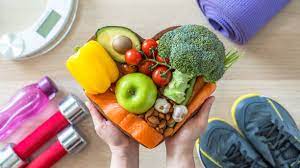
  • Include a variety of colourful fruits and vegetables in your meals. Different colours often indicate different nutrients, so a diverse palette ensures a range of health benefits.
  • Choose Whole Grains:
  • Opt for whole grains such as brown rice, quinoa, and whole wheat over refined grains. Whole grains are rich in fibre and nutrients, promoting better digestion.
  • Watch Portion Sizes:
  • Be mindful of portion sizes to avoid overeating. Using smaller plates can help trick your mind into feeling satisfied with smaller portions.
  • Prioritise Lean Proteins:
  • Include lean protein sources like poultry, fish, tofu, and legumes in your diet. Protein is essential for muscle health and overall body function.
  • Limit Processed Foods:
  • Cut down on processed foods high in added sugars, salt, and unhealthy fats. Opt for whole, natural foods whenever possible.
  • Cook at Home:
  • Prepare meals at home to have better control over ingredients and cooking methods. This also allows you to experiment with healthier recipes.
  • Snack Smart:
  • Choose nutritious snacks like fresh fruits, nuts, or yogurt instead of reaching for processed snacks. Healthy snacking can help maintain energy levels throughout the day.
  • Limit Added Sugars:
  • Read food labels to identify and reduce added sugars in your diet. Sugary beverages and sweets should be consumed in moderation.
  • Include Healthy Fats:
  • Incorporate sources of healthy fats, such as avocados, nuts, and olive oil. These fats are crucial for brain health and overall well-being.
  • Mindful Eating:
  • Practice mindful eating by savouring each bite and paying attention to hunger and fullness cues. This helps prevent overeating.
  • Experiment with Herbs and Spices:
  • Enhance the flavour of your dishes with herbs and spices instead of relying on salt. This adds variety and can have potential health benefits.
  • Limit Liquid Calories:
  • Be mindful of liquid calories from sugary drinks. Opt for water, herbal teas, or infused water to stay hydrated without unnecessary added sugars.
  • Eat Regularly:
  • Establish regular eating patterns to avoid excessive hunger, which can lead to poor food choices. Aim for balanced meals and snacks throughout the day.
  • Include Dairy or Dairy Alternatives:
  • Incorporate dairy or fortified dairy alternatives for a good source of calcium and vitamin D, crucial for bone health.
  • Read Food Labels:
  • Familiarise yourself with food labels to make informed choices. Look for products with simple, recognisable ingredients.
  • Plan Meals Ahead:
  • Plan your meals ahead of time to avoid last-minute unhealthy choices. This can also save time and make grocery shopping more efficient.
  • Limit Red and Processed Meats:
  • Reduce your intake of red and processed meats, as they have been associated with certain health risks. Opt for leaner protein sources.
  • Enjoy Treats in Moderation:
  • It’s okay to indulge in treats occasionally. The key is moderation – savour and enjoy special treats without overdoing it.
  • Faber-Rich Foods:
  • Increase your fibre intake with foods like whole grains, fruits, vegetables, and legumes. Fibre aids digestion and helps you feel full longer.
  • Be Cautious with Restaurant Portions:
  • When dining out, be aware of large portion sizes. Consider sharing dishes or packing half of your meal for later.
  • Stay Consistent:
  • Consistency is key to developing healthy eating habits. Small, sustainable changes over time are more likely to lead to lasting results.
  • Stay Physically Active:
  • Regular physical activity complements a healthy diet. Aim for a combination of cardiovascular exercise, strength training, and flexibility exercises.
  • Stay Informed:
  • Stay informed about nutrition trends and updates. The field of nutrition is continually evolving, and staying informed empowers you to make better choices.
  • Consult a Professional:
  • If you have specific dietary concerns or health conditions, consult a registered dietitian or healthcare professional. They can provide personalised guidance based on your needs.

Adopting a healthier diet doesn’t have to be a drastic overhaul of your eating habits. By incorporating these simple tips into your daily routine, you can make gradual, positive changes that contribute to improved overall health and well-being. Remember, small steps
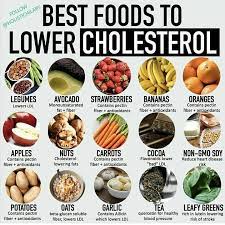
Embracing a Heart-Healthy Lifestyle: Cholesterol-Lowering Vegan and Vegetarian Foods to Add to Your Diet

n a world where fast-paced lifestyles and convenience often take precedence, maintaining a heart-healthy diet becomes increasingly crucial. Cholesterol levels play a significant role in heart health, and adopting a vegan or vegetarian lifestyle can be a powerful step towards lowering cholesterol naturally. Let’s explore some nutrient-rich plant-based foods that not only taste delicious but also contribute to a healthier heart.

Oats: The Powerhouse Breakfast

Start your day right with a bowl of oats. Rich in beta-glucans, a type of soluble fibre, oats help reduce cholesterol levels by binding to cholesterol molecules and eliminating them from the body. Enjoy a warm bowl of oatmeal topped with fruits, nuts, and seeds for a cholesterol-lowering breakfast.

Avocado: Creamy Goodness

Avocados are not only creamy and delicious but also packed with heart-healthy monounsaturated fats. These fats help lower LDL (low-density lipoprotein) cholesterol while maintaining or increasing HDL (high-density lipoprotein) cholesterol. Incorporate avocados into salads, spread them on whole-grain toast, or blend them into a smoothie for a tasty cholesterol-friendly treat.

Legumes: A Fiber and Protein Boost

Beans, lentils, and chickpeas are excellent sources of soluble fibre and plant-based protein. Fibre helps lower cholesterol by binding to it and carrying it out of the body. Swap meat for legumes in soups, stews, and salads to boost your nutrient intake and promote heart health.

Nuts and Seeds: Tiny Powerhouses

Almonds, walnuts, flaxseeds, and chia seeds are rich in omega-3 fatty acids and fibre. These healthy fats have been shown to reduce LDL cholesterol levels. Snack on a handful of nuts or sprinkle seeds on your morning cereal or yogurt to enjoy their cholesterol-lowering benefits.

Leafy Greens: A Heart-Healthy Staple

Dark, leafy greens such as spinach, kale, and Swiss chard are packed with antioxidants and fibre. The combination of these nutrients helps lower cholesterol levels and promotes overall cardiovascular health. Incorporate these greens into salads, smoothies, or sautés for a delicious and nutritious addition to your diet.

Whole Grains: The Fibre Champions

Whole grains like quinoa, brown rice, and barley are rich in soluble fibre, making them effective in reducing cholesterol. Replace refined grains with whole grains to benefit from their nutritional value and support heart health.

Berries: Antioxidant-Rich Delights

Berries such as blueberries, strawberries, and raspberries are not only sweet and flavourful but also high in antioxidants. These antioxidants contribute to heart health by reducing inflammation and protecting blood vessels. Enjoy a handful of berries as a snack or add them to your morning smoothie.

Transitioning to a vegan or vegetarian diet can be a positive step towards lowering cholesterol and promoting heart health. By incorporating these nutrient-rich foods into your daily meals, you can enjoy a delicious, varied diet while actively taking care of your cardiovascular well-being. Remember to consult with a healthcare professional or a nutritionist for personalised advice tailored to your specific needs. Here’s to a heart-healthy and cholesterol-friendly journey through the world of plant-based nutrition!

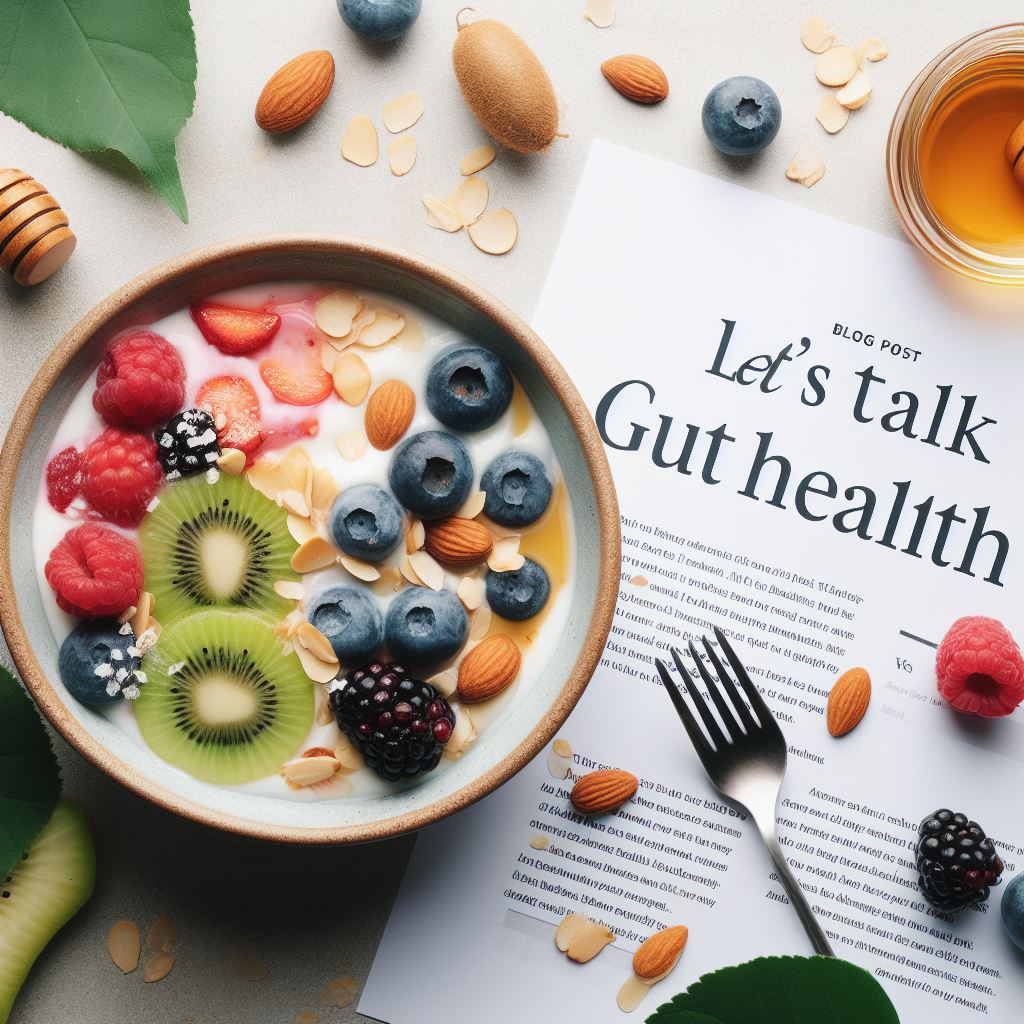
Let’s talk Gut Health 

Maintaining a healthy digestive system, particularly a balanced gut microbiome, is crucial for overall well-being, affecting both mental health and inflammation levels in the body. Numerous studies in the past decade have highlighted the significant impact of trillions of gut bacteria on the brain and their potential connection to various disorders. Emerging research suggests that these microbes might influence conditions like Parkinson’s disease, autism spectrum disorder, Alzheimer’s, and mental health issues such as depression. Scientists and companies are exploring therapies targeting the microbiome in human clinical trials, offering hope for prevention and treatment. The exciting aspect is that, unlike your genes, your microbiome can be modified.

A reliable indicator of digestive health is your bowel movements. Ideally, you should have one or two daily movements that occur easily and completely, without urgency or straining. If your bowel habits don’t align with these criteria, it’s essential to address your gut environment.

Many individuals experience bloating, especially after meals, and acid reflux or heartburn, which are signs of underlying digestive issues, not normal occurrences. Bloating often results from an imbalance in gut microbes. By following specific guidelines, beneficial microbes can be restored, improving digestive function and associated systems.

Typically, doctors provide diagnoses and symptom relief for digestive problems but rarely offer permanent solutions. Enhancing the gut lining, optimising digestive secretions such as stomach acid, enzymes, and bile, and supporting healthy gut bacteria can significantly improve overall function.

Here are practical steps to improve your digestive health:

 Mindful Eating:

  • Take deep breaths before eating.
  • Chew your food thoroughly and eat slowly, without distractions.
  • Put your utensils down between bites.

Hydration and Fiber:

  • Drink at least two litres of liquids daily.
  • Include soluble fibre in your diet from sources like apples, oats, nuts, beans, pulses, grains, and vegetables.
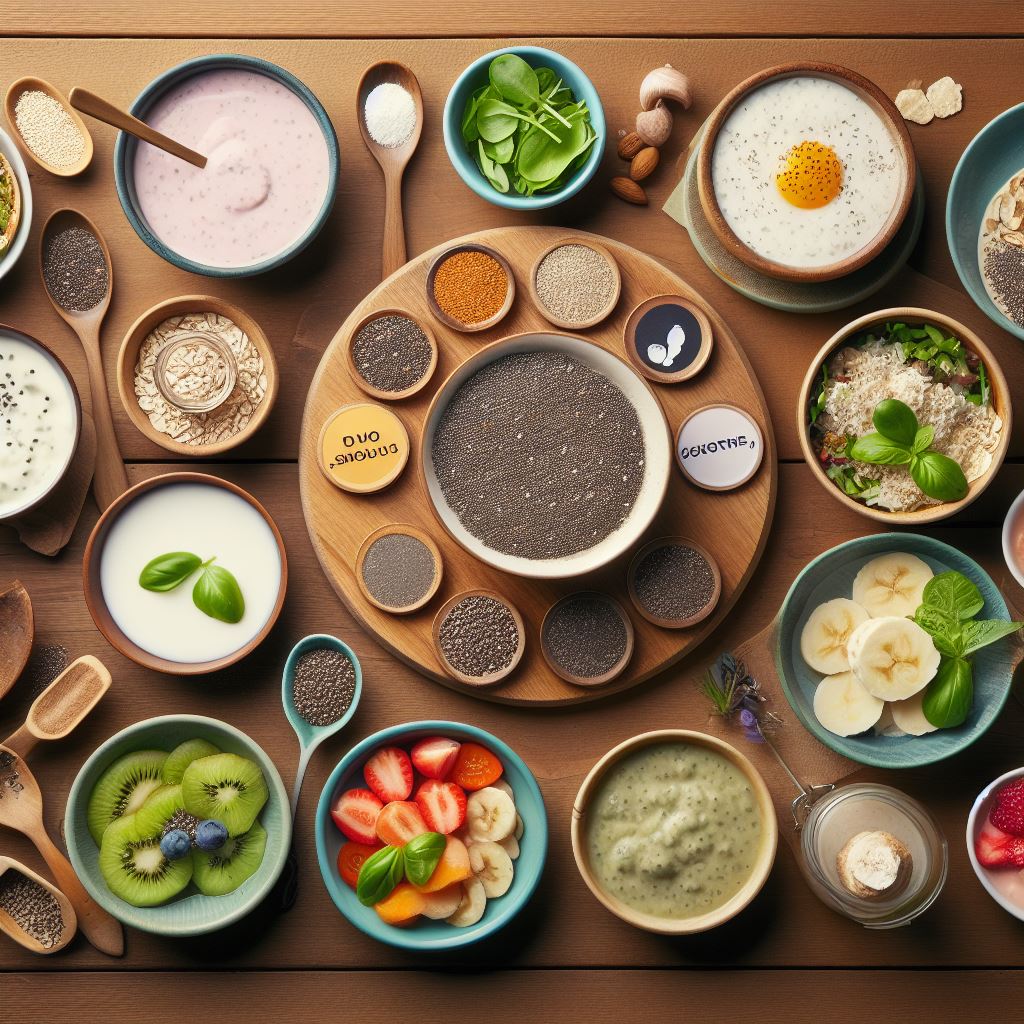
  • Soak chia seeds in milk overnight and add fruits and granola in the morning.

Fermented Foods:

  • Consume fermented foods like natural yogurt, kefir, sauerkraut, and raw apple cider vinegar to promote a healthy gut environment.
  • Start with small amounts and gradually increase intake.

 Stimulate the Vagus Nerve:

  • Practice regular gargling, singing loudly, and triggering the gag reflex to stimulate the vagus nerve, essential for good digestive function.

Soaked Bravely Apples:

  • Stewed cooking apples with skins have soothing properties. Add cinnamon and dark apricots and serve with yogurt and toppings.

Soaking for Improved Digestion:

  • Soak grains, pulses, nuts, and seeds overnight to reduce irritation and inflammation in the digestive tract.

Rest, Relaxation, and Sleep:

  • Manage stress through meditation or mindfulness.
  • Prioritise sufficient sleep and relaxation to support overall gut health.

Intermittent Fasting:

  • Incorporate regular intermittent fasting to allow the digestive system to rest and recover.

Taking care of your gut is not just about relieving digestive problems; it’s about ensuring your overall well-being. By making mindful choices in your diet and lifestyle, you can significantly improve your digestive health, paving the way for a healthier, more energetic you.

Different Ways to Eat Chia Seeds

Different Ways to Eat Chia Seeds

Chia seeds, derived from the plant Salvia hispanica, have gained immense popularity in recent years due to their impressive nutritional profile. Packed with fibre, protein, healthy fats, and various micronutrients, these tiny seeds are a powerhouse of energy. Not only are they good for you, but they can also add an interesting texture and flavour to your meals. If you’re wondering how to incorporate chia seeds into your diet in a fun and delicious way, look no further. Here are 10 creative and enjoyable ways to eat chia seeds:

1.Chia Seed Pudding:

One of the most popular ways to enjoy chia seeds is by making a chia seed pudding. Simply mix chia seeds with your favourite milk (almond, coconut, or regular dairy) and let them soak overnight. In the morning, you’ll have a delightful pudding-like texture. Add fruits, nuts, and a drizzle of honey for a tasty breakfast or snack.

2. Chia Seed Smoothies:

Boost the nutritional content of your smoothies by adding a spoonful of chia seeds. They not only provide a delightful crunch but also thicken the smoothie, making it more filling and satisfying. Combine them with your favourite fruits, yogurt, and a handful of spinach for a refreshing drink.

3. Chia Seed Jam:

Make a healthier version of jam by mixing chia seeds with mashed berries and a touch of sweetener. Let the mixture sit for a few hours, and you’ll have a delicious, homemade jam perfect for spreading on toast or mixing into yogurt.

4. Chia Seed Oatmeal:

Upgrade your morning oatmeal by sprinkling chia seeds on top. They add a nutty flavour and a chewy texture, making your breakfast not only healthier but also more interesting.

5. Chia Seed Energy Bars:

Create your own energy bars at home by combining chia seeds with nuts, dried fruits, honey, and oats. Press the mixture into a pan, refrigerate until firm, and then cut into bars. These homemade energy bars are perfect for a quick, nutritious snack on the go.

6. Chia Seed Salad Dressing:

Blend chia seeds with olive oil, lemon juice, garlic, and your favourite herbs to create a healthy and flavourful salad dressing. The chia seeds help thicken the dressing while adding a boost of nutrition to your salads.

7. Chia Seed Crackers:

Mix chia seeds with water, spices, and whole wheat flour to create a dough. Roll it out thinly, cut into small squares, and bake until crispy. These homemade chia seed crackers are great for dipping into hummus, guacamole, or salsa.

8. Chia Seed Muffins:

Add chia seeds to your favourite muffin recipe for an extra crunch and a nutritional boost. Whether it’s blueberry, banana, or chocolate chip muffins, chia seeds can easily be incorporated into the batter.

9. Chia Seed Yogurt Parfait:

Layer chia seed pudding with yogurt and fresh fruits to create a delightful parfait. The combination of creamy yogurt, chewy chia seeds, and sweet fruits makes for a satisfying and visually appealing dessert.

10. Chia Seed Ice Cream:

Blend frozen bananas with a splash of milk and chia seeds to create a creamy and healthy ice cream alternative. The chia seeds add a fun texture to the ice cream, making it a hit with both kids and adults.

Incorporating chia seeds into your diet can be both nutritious and enjoyable. These versatile seeds can be used in various recipes, adding a nutritional punch and an interesting texture to your meals and snacks. So, go ahead and experiment with these fun ways to eat chia seeds, and enjoy the health benefits along with the delicious flavours!

Fuelling Your Day Right: Best Breakfast for Exercise

They say breakfast is the most important meal of the day, and when you’re planning to exercise, it’s even more critical. Whether you’re an early riser hitting the gym, a dedicated runner, or just looking to maintain a healthy lifestyle, what you eat for breakfast can significantly impact your workout performance. In this blog, we’ll explore the best breakfast options to help you power through your exercise routine and achieve your fitness goals.


Oatmeal Power

Start your day with a bowl of oatmeal, and you’ll be well on your way to a successful workout. Oats are rich in complex carbohydrates, which provide a steady release of energy, keeping you fuelled throughout your exercise session. They’re also an excellent source of fibre, promoting digestive health. Top your oatmeal with some berries and a drizzle of honey for added antioxidants and natural sweetness.


Greek Yogurt Parfait

Greek yogurt is a protein-packed breakfast option that’s great for muscle recovery and building. Pair it with some granola for carbohydrates and nuts or seeds for healthy fats and extra crunch. Add a few slices of fresh fruit for a natural sweetness that’ll give you the energy boost you need to power through your workout.


Whole Grain Toast with Nut Butter

Whole grain toast with almond, peanut, or cashew butter is a delicious and balanced breakfast option. The combination of complex carbohydrates from the bread and healthy fats and protein from the nut butter provides a sustained source of energy. Add some sliced bananas or strawberries on top for extra nutrients and flavour.


Scrambled Eggs with Veggies

Eggs are a fantastic source of high-quality protein and essential nutrients like choline and vitamin B12. Scramble them up with some colourful vegetables like spinach, bell peppers, and tomatoes for added vitamins, minerals, and fibre. This savoury breakfast will keep you full and energized for your morning workout.


Smoothie Sensation

If you’re short on time, a nutritious smoothie can be your go-to breakfast option. Blend together some spinach, frozen berries, a banana, Greek yogurt, and a scoop of protein powder for a quick and convenient pre-workout meal. The combination of carbohydrates, protein, and antioxidants will give you the energy and nutrients needed for your exercise routine.


Avocado Toast

Avocado toast has become a trendy breakfast choice for a reason – it’s packed with healthy fats, fibre, and essential nutrients. Spread mashed avocado on whole grain toast and top it with a sprinkle of salt, pepper, and red pepper flakes for a flavourful kick. This breakfast option provides long-lasting energy and keeps you feeling satisfied.


Quinoa Breakfast Bowl

Quinoa is a versatile grain that’s high in protein and complex carbohydrates. Cook it up and top it with your favourite breakfast toppings, such as sliced almonds, honey, and fresh fruit. This savoury and sweet combination is perfect for those who prefer a heartier breakfast before hitting the gym.


The right breakfast can make a world of difference in your exercise performance. Whether you prefer a quick and easy smoothie or a hearty quinoa bowl, choosing a balanced meal with a combination of carbohydrates, protein, and healthy fats will set you up for success in your workout routine. Remember to also stay hydrated by drinking water before and during your exercise, as proper hydration is essential for optimal performance. So, fuel your body right, and you’ll be well on your way to achieving your fitness goals.

7 Proven Health Benefits of Dark Chocolate

Chocolate, particularly dark chocolate, has long been enjoyed by many as a delicious treat. However, beyond its delectable taste, dark chocolate also offers a plethora of health benefits that may surprise you. Packed with antioxidants, vitamins, and minerals, indulging in moderate amounts of high-quality dark chocolate can contribute to improved well-being. In this blog post, we will explore seven proven health benefits of dark chocolate, backed by scientific research.

Rich in Antioxidants

Dark chocolate is a powerhouse of antioxidants, such as flavonoids and polyphenols. These compounds help combat free radicals in the body, which are responsible for oxidative stress and damage to cells. The higher cocoa content in dark chocolate makes it particularly potent in delivering these protective antioxidants, making it an excellent choice for promoting overall health.

Heart Health

Numerous studies have suggested that consuming dark chocolate in moderation can be beneficial for heart health. Flavonoids in dark chocolate have been shown to improve blood flow, reduce blood pressure, and enhance the function of blood vessels. Regular consumption of dark chocolate may help lower the risk of heart disease by decreasing LDL cholesterol levels and increasing HDL cholesterol levels.

Mood Booster

It’s no coincidence that chocolate is often associated with feelings of joy and happiness. Dark chocolate contains several compounds that can positively impact mood and reduce stress. One of these compounds is phenylethylamine, which triggers the release of endorphins, the “feel-good” hormones. Additionally, dark chocolate contains a small amount of caffeine and theobromine, which can enhance alertness and mental clarity.

Brain Health

The flavonoids in dark chocolate can have beneficial effects on brain health and cognitive function. Research suggests that regular consumption of dark chocolate may improve memory, attention, and problem-solving skills. Moreover, the antioxidants present in dark chocolate can help protect brain cells from damage, potentially reducing the risk of neurodegenerative diseases.

Skin Protection

The antioxidants in dark chocolate can also benefit your skin. They help protect the skin from UV damage caused by sun exposure, reduce inflammation, and promote better skin hydration. The improved blood flow resulting from dark chocolate consumption can contribute to a healthy, radiant complexion.

Weight Management

Contrary to what some might think, moderate consumption of dark chocolate can be beneficial for weight management. The satisfying taste and richness of dark chocolate can help curb cravings and prevent overeating. Additionally, the presence of stearic acid in cocoa butter has been linked to a slower digestion process, leading to increased feelings of fullness and reduced appetite.

Blood Sugar Regulation

Dark chocolate has a lower glycemic index compared to milk chocolate or sugary treats, which means it causes a slower and more controlled rise in blood sugar levels. This characteristic can be especially advantageous for individuals with diabetes or those aiming to maintain stable blood sugar levels.

As with any indulgence, moderation is key when enjoying the health benefits of dark chocolate. Opt for high-quality dark chocolate with at least 70% cocoa content to ensure maximum health benefits. Including dark chocolate as part of a balanced diet, rich in fruits, vegetables, and other whole foods, can contribute to a healthier and happier lifestyle.

Remember that while dark chocolate offers numerous health advantages, it is not a substitute for a healthy lifestyle. Regular exercise, adequate sleep, and stress management are equally important components of overall well-being. So go ahead and savour a piece of dark chocolate guilt-free, knowing that you’re treating yourself to not only a delightful experience but also some incredible health benefits!

One Pot Red Lentil Pasta

One Pot Red Lentil Pasta

This is my go to recipe on a busy day, it only takes 5-10mins to make and is a nutritionally balanced meal.

Lentil pasta is an excellent alternative as it’s high in fiber and protein. Lentils are aslo loaded with folate, iron, phosphorus and potassium. Lentil pasta is rich in fiber. Fiber intake helps reduce the risk of developing heart disease, diabetes and stroke.

Ingredients

1 can of tomato tin

1 small bowl of pasta

I small bowl of diced onion

5 cloves of minced garlic

1 tsp thyme

1 tsp oregano

500 ml veg broth

Salt and pepper to tatse

Fresh Basil

Chesse (optional)

In a large pan add in the red lentil pasta, tin tomato, diced onion and minced garlic, spices and the veg broth. Mix together, then add in salt and pepper.

Let it simmer on a slow gas till most of the liquid is absorbed.

Then add in fresh basil and mix well. After a few minutes turn of the heat.

Place is a serving bowl, add more fresh basil, chesse and enjoy.

Roasted Chickpea & Tortilla chips Salad

Chickpeas is superfood, as well as being an excellent source of plant-based protein and high in fiber. Chikpeas are filling and very beneficial for digestion and gut health.

A cooked cup of chickpeas contains 12.5 grams of fiber and 14.5 grams of protein. With only 268 calories.

Adding a rainbow salad salad to your diet help to decreases inflammation in prevent cancer. Keeps our immune system strong and our skin healthy, as well as good vision.• Keeps our bones, teeth and nails strong and also prevents blood clots.

Tortilla chips adds a crunch to the sald and thry are low in fat.

Ingredients

1 can of chickpeas

Half bag of Tortilla chips

1 tsp red chilli

Cilantro

1 tsp oinion powder

1 tsp garlic powder

1 tsp cumin powder

1 tsp salt

2 tbs lemon juice

2 tbs olive oil

Romaine lettuce

Red cabbage,

Tomatos

Sweetcorn

Avocado

Method

Drain the can of chickpeas, wash and dry them. Then place thr chikpeas in a large mixing bowl.

In a small bowl add all the spices, lemon juice and olive oil and mix together to make a smooth paste.

Preheat the oven to 400°F (200°C).

Add the spice paste to the chickpea bowl and mix well. Place the coated chickpeas in to a baking tray and roast in thr oven.

How to make the dressing:

In a blender add 1 chopped shallot, bunch of cilantro, pinch of salt, black pepper, 2 minced garlic cloves, half a lemon jucice and olive oil. Blitz till smooth and pour into a serving cup.

In a serving bowl place Romaine lettuce, red cabbage, tomatoes, sweetcorn, avocado, cilantro. Then add in the roasted chickpeas and strips of tortillas chips.

Drizzle the the dressing and mix well and serve.

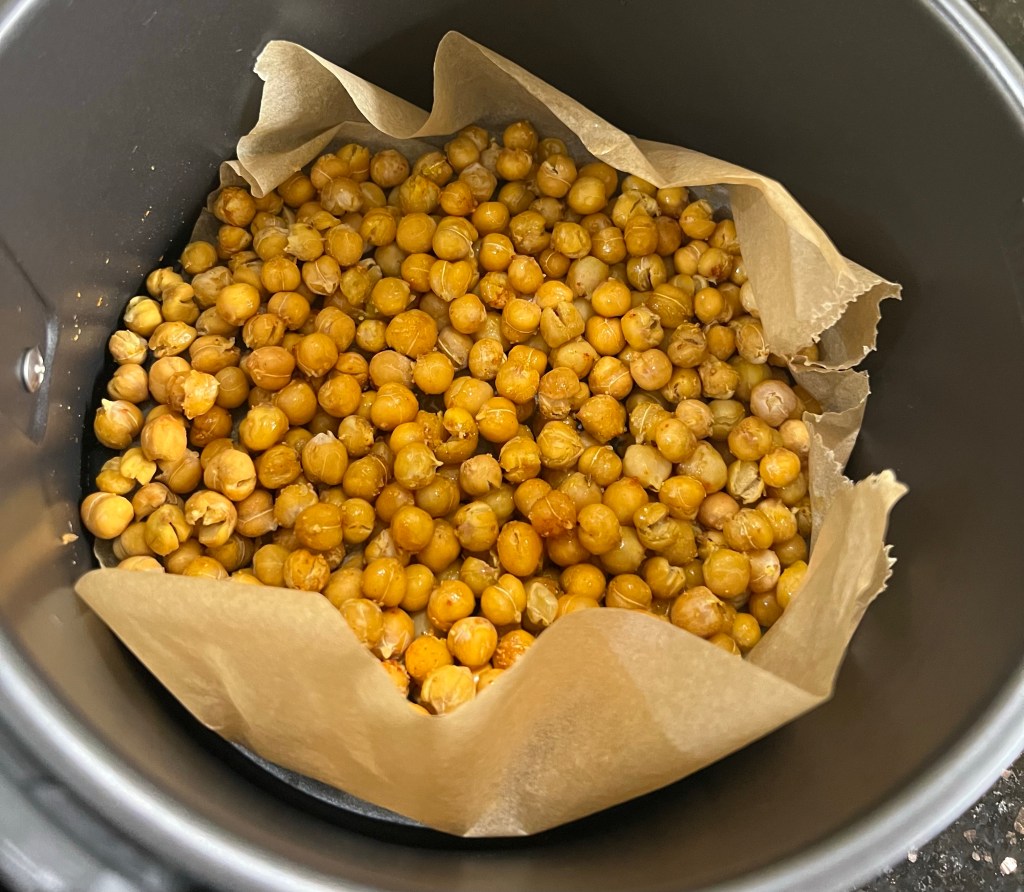
Spicy Roasted Chickpeas

Roasted Spiced Chickpeas are so simple to make and full of taste. They make an excellent snack.

Chickpeas is superfood, as well as being an excellent source of plant-based protein and high in fiber. Chikpeas are filling and very beneficial for digestion and gut health.

A cooked cup of chickpeas contains 12.5 grams of fiber and 14.5 grams of protein. With only 268 calories.

Ingredients

Serves 1

1 Chickpea can, drained and rinsed.

1 tablespoon olive oil

1 teaspoon ground cumin

1 teaspoon turmeric powder

1 teaspoon chilli powder

1 teaspoon salt

1 teaspoon coriander powder

Method

Preheat the oven to 400°F (200°C).

Drain, rinse and dry the chickpeas.

More drier the chickpeas are the more crunchier they will become once cooked.

Spread the chickpeas out on a parchment paper-lined baking sheet.

Add olive oil, cumin, turmeric, chilli powder, coriander powder and salt to the chickpeas and toss well till coated evenly.

Roast the chickpeas for 20-25 minutes for oruntil browned.

Let then to cool for 5 minutes and serve.