Food has the power to heal. It’s a potent tool to treat and prevent illnesses.
Inflammation & Nutrition. Inflammation acts like the body’s defense mechanism. The immune system recognises harmful and foreign stimuli and starts to elimate it from the body so it can start the healing process .
Food has power to heal. It’s a potent tool to treat & prevent Illnesses.
There are 2 types of inflammation:
Chronic inflammation: Is referred to as a slow, long-term inflammation lasting for prolonged time in the body. It’s mainly connected to the environment around us, our dietary choices, stress levels and general health. It can be harmful and may increase the risk of several diseases.
Acute inflammation occurs when our body sees harm coming like an infection, and starts to fight in a short period. Thus, known as a normal response for the body ans immune stern to promote the healing process.
Nutrition & inflammation. Our daily diet choices can help to keep both our body and immune system healthy and strong.
Plant based protein. Research over time has shown us that consuming high intake of red meat and dairy products in our diet can increase high level of inflammation in our body. Where as Plant bases proteins such as lentils and beans have a lower levels of inflammation levels. They consist of high fibre levels and anyhocyanin.
Herbs and spices. Herbs and spice have high levels of antioxidants and phytonutrients and have many anti-inflammatory properties. They can help to flavour our meals without adding excess salt and fats. Turmeric, Cardamom, Rosemary, Black pepper and Cinnamon are antiinflammatory herb and spices and should be included in our diet to naturally lower inflammation.
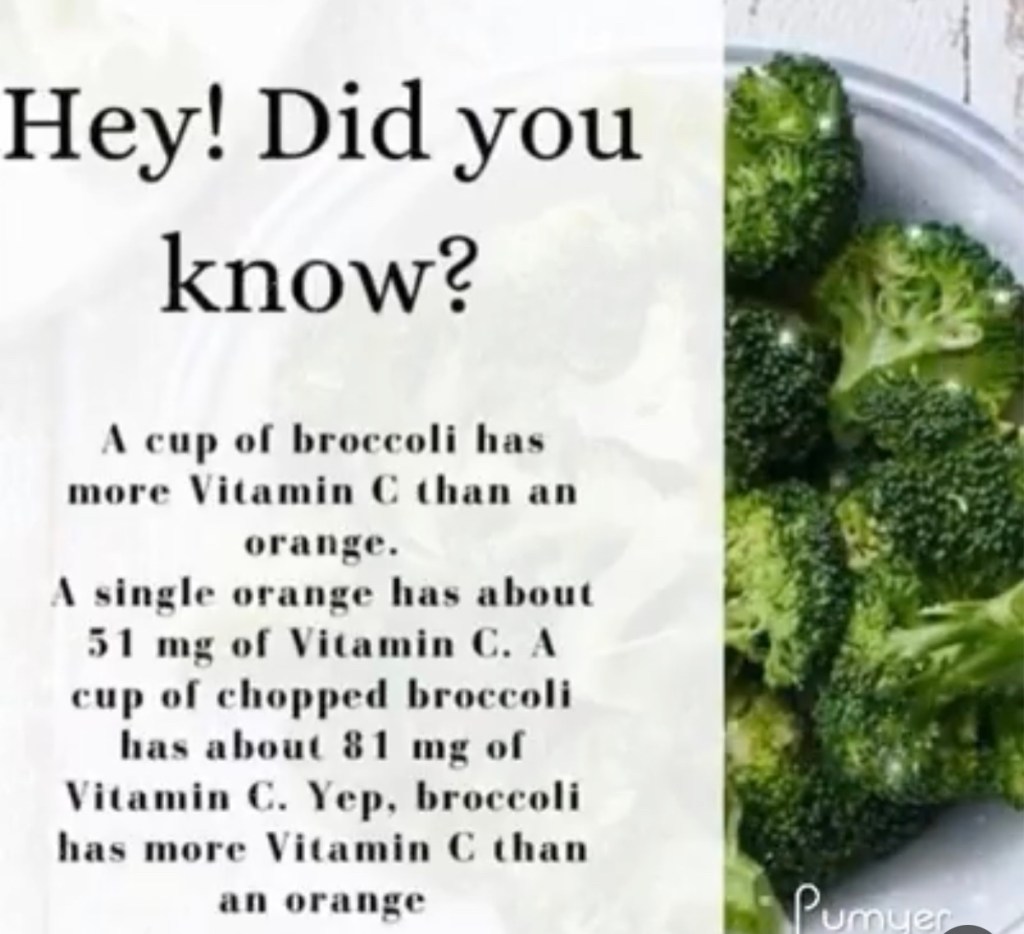
Dietary Choices. Eating a high intake of rainbow colour of fruits and vegetables can help to fight inflammation and strengthen our immune health. Fruits such as cranberries, blackberries, and blueberries are known as anti- inflammatory foods. Anti inflammatory veg includes brocli, cabbage and leafy green vegetables.
Garlic consist of organosulfur compounds and flavonoids. These are known to help with fighting inflammation, infections and cardiovascular diseases.
Ginger is packed with antioxidants and contains gingerols. Gingerols has proven to fight inflammation and with high levels of antioxidants, ginger is able to prevent free radical production anti inflammatory disease.
Onions Onions has a flavonoid called quercetin, which is know as the following Anti- carcinogenic, Anti- inflammatory, Antiviral
Other factors that can help with fighting inflammation.
Vitamin D Research has shown that having low levels of vitamin D in the body can cause inflammation. It always good to check Vitamin D levels and correct them if needed to.
Sleep. A good sleeping pattern is vital for optimal health. Disturbed sleep patterns has been associated weak immune system and increased inflammation levels in the body.
Managing stress Excessive stress levels can have an effect on our physical and emotional health. This also contribute to high level of inflammation in the body. The best techniques for stress management at home is to practice meditation daily and simple breathing exercises. Alway consualt a healthcare professional for ongoing support is advised if needed.
Boil the rice in water until it’s cooked. Now wash the peas in warm water to remove ice.
In a frying pan heat oil and add in cumin seeds. Once they have coloured & start to crackle slightly, add in the peas and cook for 2 mins. Now add in turmeric, salt & mix well. Remove from the heat.
Once the rice is cooked drained out the water and add it to the pea pan.
Using a fork mix it well through and add salt to taste.
Vegan Protein Alkaline Soup
My Alkaline soup is made up of nutritious high alkaline vegetables and lentils high in protein.
Benefits of Alkaline foods
• Promote healthy body weight .
• Improve kidney health
• Promote gut Health
• Eliminate toxins.
• Rejuvenate damaged cell tissue.
• Increase energy levels.
• Blood nourisher.
• Stimulate the brain and central nervous system.
Ingredients
1 red bell pepper ½ red onion 1 cup canned brown chickpeas ½ cup coriander ½ cup warm milk 1 tbsp olive oil 1 tsp oregano 1 tsp salt 2 cups hot water
Instructions
Start with roasting the bell pepper and onion.
Warm ½ cup the milk (milk of your choice), chop up the coriander finely.
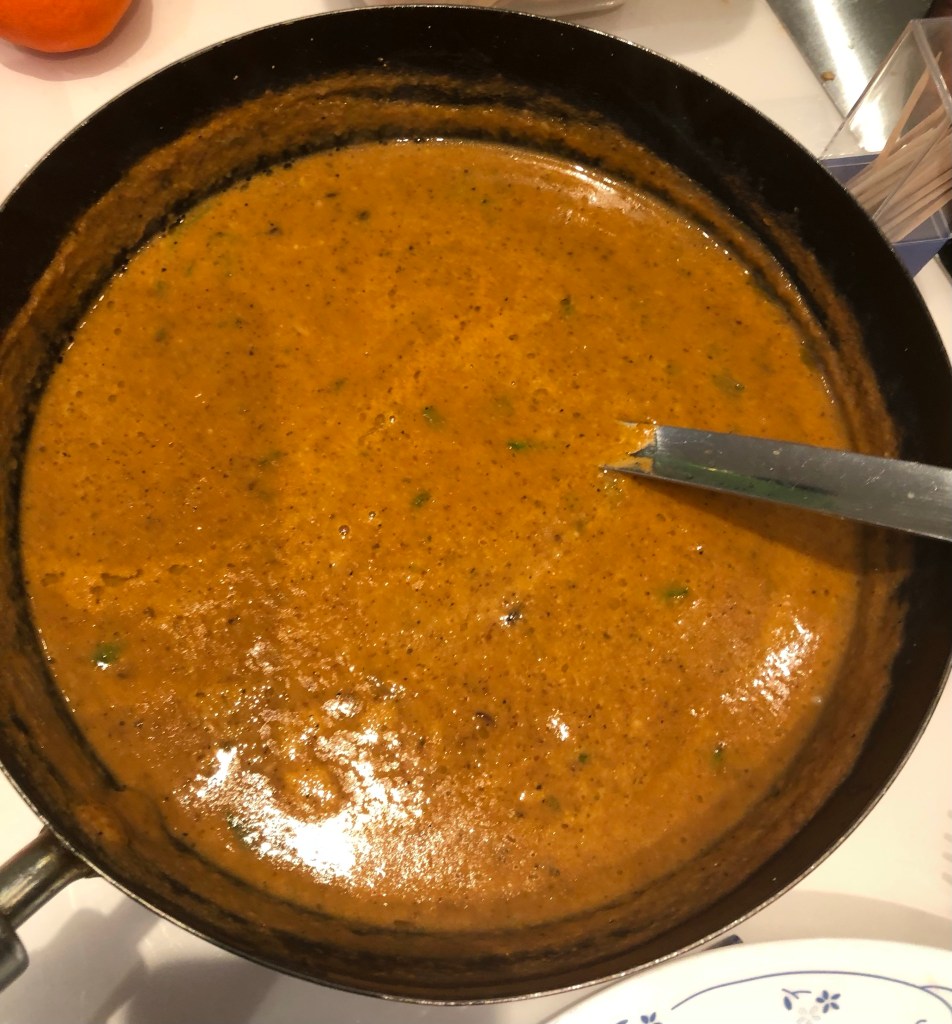
Finally, place all the ingredients into a blender and blend until smooth.
Garlicky Spinach Kitcheri a healthy meal in one pot – full of protein and the yummy goodness of green veggies
Kitchari is an staple to the Ayurvedic way of life. It is made up of basmati rice and mung dal and known as a one-pot dish. Basmati rice and mung dal together create a balanced food that is a good protein combination and is tridoshic. kitchari can produce balancing effects for the three bodily doshas, it is easy to digest and gives strength and vitality. It nourishes all the tissues of the body.
Benefits of Kitchari
Eliminates toxins from the body tissues.
improve digestion and restore regular bowel movements.
remove heaviness or congestion in the body.
supports weight loss.
improve energy and vitality.
promote overall health and wellness.
Ingredients
1 cup of moong dal 1 cup basmati rice 1 Bag of baby spinach 2 cups of water 2 green chilli 1 red chilli 1 medium onion 1 Tomato 5 garlic cloves 2 inches of fresh Ginger 4 tbs of coriander 1 lemon 1 tbs of ghee Spices: 1 tsp garlic powder 1 tsp cumin 1 tsp cumin powder 1 tsp of turmeric 11/2 tsp of asafoetida 1tsp of garam Masla Salt
Method
Wash the moong dal and basmati rice throughly. Place the mixture in the cooker, add 2 cups of water, 1 tsp of salt and turmeric. cook in the pressure cooker to 3 whistles. Once cooked remove the mixture and mix well. Put the baby spinach in boiling water for 45 seconds and add a pinch of salt. Remove the spinach and place in cold water for few seconds. In a blender place the spinach, 4 tbs of fresh coriander, 2 chopped green chillies, 5 garlic cloves and blend to purée. In a pan add the following 1 tbs of Ghee 1 tsp cumin 1 tsp asafoetida 1 tsp garlic powder 1 inch of fresh ginger 1 chopped red chilli Cook for 3 minutes on low heat Add in a finely chopped onion and cook till the onions are brown. Add in a chopped tomato 1 tsp cumin powder 1 tsp garam masla 1 tsp coriander 1 tsp salt Stir well (add a splash of water to avoid the spices from burning) cook well till the tomatoes are mushy. Now add the spinach purée to the pan stir and cook for 3 mins. Finally add in the kitchari and stir. cook for another 5 minutes on low heat. Add a squeeze of lemon, mix well.
Veganism is the practice that excludes the use of all dairy and animal products, in the diet.
What to eat on a vegan diet?
◦ Fruits and vegetables.
◦ Legumes such as peas, beans, and lentils.
◦ Nuts and seeds.
◦ Breads, rice, and pasta.
◦ Dairy alternatives milk, yoghurt and cheese
◦ Vegetable oils.
Benefits of vegan Diet?
When it’s done and followed correctly, a vegan diet can help will the following:
◦ Promote weight loss
◦ Promotes Skin Health
◦ Reduce risk of heat disease.
◦ lowering cholesterol
◦ Manage diabetes by lowering A1C levels
When following a vegan diet, you have to make sure you are getting all the important essential nutrients. With a normal diet they are easily found in dairy and meat products. You’ll have to find alternatives to incorporate them into your new vegan lifestyle.
Ways to incorporate essential vitamins and protein into a vegan diet.
Iron: An excellent source of iron is found the the following plant base foods: include leafy green veg ( kale broccoli spinach), black-eyed peas, tofu and dried and fresh fruits.
Protein: Soy products like; (tofu and edamame) are an excellent source of protein as well as chickpeas and lentils.
Vitamin D: Fortified cereals, oat and orange juice are an excellent source. So are vegetables like mushrooms, Spinach, Kale, Okra and Collards. Soybeans and
White beans also high in vitamin D. 10 minutes of sunlight exposure daily can also give a good boost of vitamin D.
Vitamin B12: It can be it can’t be difficult to maintain a good level of vitamin B12 in a vegan diet, as it’s not found in plants. Forfeited fortified cereals, fortified rice and soy drinks are an excellent source of vitamin B12.
Essential fatty acids: To ensure a you’re getting your daily essential fatty acids dose, include whole grains grains and leafy green vegetables into your diet. (kale, spinach and collards). Also try and Snack on a handful of unsalted nuts, like almonds or walnuts.




 Lena's Kitchen