
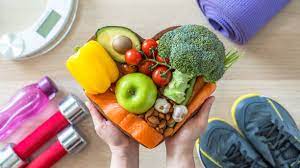
How to make your diet healthier

Maintaining a healthy diet is essential for overall well-being and vitality. However, the abundance of information on nutrition can be overwhelming. The good news is that adopting a healthier diet doesn’t have to be complicated. By making small, sustainable changes to your eating habits, you can significantly improve your overall health. Here are 25 ways to make your diet healthier.

  • Hydrate with Water:
  • Start your day by drinking a glass of water and aim to stay hydrated throughout the day. Water helps with digestion, nutrient absorption, and overall bodily functions.
  • Eat Colourful Fruits and Vegetables:
  • Include a variety of colourful fruits and vegetables in your meals. Different colours often indicate different nutrients, so a diverse palette ensures a range of health benefits.
  • Choose Whole Grains:
  • Opt for whole grains such as brown rice, quinoa, and whole wheat over refined grains. Whole grains are rich in fibre and nutrients, promoting better digestion.
  • Watch Portion Sizes:
  • Be mindful of portion sizes to avoid overeating. Using smaller plates can help trick your mind into feeling satisfied with smaller portions.
  • Prioritise Lean Proteins:
  • Include lean protein sources like poultry, fish, tofu, and legumes in your diet. Protein is essential for muscle health and overall body function.
  • Limit Processed Foods:
  • Cut down on processed foods high in added sugars, salt, and unhealthy fats. Opt for whole, natural foods whenever possible.
  • Cook at Home:
  • Prepare meals at home to have better control over ingredients and cooking methods. This also allows you to experiment with healthier recipes.
  • Snack Smart:
  • Choose nutritious snacks like fresh fruits, nuts, or yogurt instead of reaching for processed snacks. Healthy snacking can help maintain energy levels throughout the day.
  • Limit Added Sugars:
  • Read food labels to identify and reduce added sugars in your diet. Sugary beverages and sweets should be consumed in moderation.
  • Include Healthy Fats:
  • Incorporate sources of healthy fats, such as avocados, nuts, and olive oil. These fats are crucial for brain health and overall well-being.
  • Mindful Eating:
  • Practice mindful eating by savouring each bite and paying attention to hunger and fullness cues. This helps prevent overeating.
  • Experiment with Herbs and Spices:
  • Enhance the flavour of your dishes with herbs and spices instead of relying on salt. This adds variety and can have potential health benefits.
  • Limit Liquid Calories:
  • Be mindful of liquid calories from sugary drinks. Opt for water, herbal teas, or infused water to stay hydrated without unnecessary added sugars.
  • Eat Regularly:
  • Establish regular eating patterns to avoid excessive hunger, which can lead to poor food choices. Aim for balanced meals and snacks throughout the day.
  • Include Dairy or Dairy Alternatives:
  • Incorporate dairy or fortified dairy alternatives for a good source of calcium and vitamin D, crucial for bone health.
  • Read Food Labels:
  • Familiarise yourself with food labels to make informed choices. Look for products with simple, recognisable ingredients.
  • Plan Meals Ahead:
  • Plan your meals ahead of time to avoid last-minute unhealthy choices. This can also save time and make grocery shopping more efficient.
  • Limit Red and Processed Meats:
  • Reduce your intake of red and processed meats, as they have been associated with certain health risks. Opt for leaner protein sources.
  • Enjoy Treats in Moderation:
  • It’s okay to indulge in treats occasionally. The key is moderation – savour and enjoy special treats without overdoing it.
  • Faber-Rich Foods:
  • Increase your fibre intake with foods like whole grains, fruits, vegetables, and legumes. Fibre aids digestion and helps you feel full longer.
  • Be Cautious with Restaurant Portions:
  • When dining out, be aware of large portion sizes. Consider sharing dishes or packing half of your meal for later.
  • Stay Consistent:
  • Consistency is key to developing healthy eating habits. Small, sustainable changes over time are more likely to lead to lasting results.
  • Stay Physically Active:
  • Regular physical activity complements a healthy diet. Aim for a combination of cardiovascular exercise, strength training, and flexibility exercises.
  • Stay Informed:
  • Stay informed about nutrition trends and updates. The field of nutrition is continually evolving, and staying informed empowers you to make better choices.
  • Consult a Professional:
  • If you have specific dietary concerns or health conditions, consult a registered dietitian or healthcare professional. They can provide personalised guidance based on your needs.

Adopting a healthier diet doesn’t have to be a drastic overhaul of your eating habits. By incorporating these simple tips into your daily routine, you can make gradual, positive changes that contribute to improved overall health and well-being. Remember, small steps

15 Staple Foods to Make Healthy Eating Easy All Week Long

Maintaining a healthy diet can often feel like a daunting task, especially with busy schedules and tempting fast-food options around every corner. However, the key to successful and sustainable healthy eating lies in keeping your kitchen stocked with wholesome staples. By having a selection of nutritious foods readily available, you can create delicious and balanced meals without much effort. Here are 15 staple foods that will make healthy eating a breeze throughout the week:

1. Brown Rice

A complex carbohydrate packed with fibre, brown rice is a versatile base for a variety of dishes, from stir-fries to grain bowls.

2. Quinoa

High in protein and essential amino acids, quinoa is a complete source of nutrition. It can be used in salads, soups, or as a side dish.

3. Leafy Greens

Spinach, kale, and Swiss chard are rich in vitamins, minerals, and antioxidants. Use them as a base for salads or blend them into smoothies.

4. Oats

Oats are a great source of soluble fibre and can be used for making wholesome breakfasts like oatmeal, granola bars, or overnight oats.

5. Legumes

Beans, lentils, and chickpeas are excellent plant-based protein sources. They can be added to soups, stews, salads, or turned into delicious dips like hummus.

6. Lean Proteins

Chicken breast, turkey, tofu, and fish are lean sources of protein. Grill, bake, or stir-fry them for a protein-packed main course.

7. Healthy Fats

Avocados, nuts, and olive oil provide healthy fats that are essential for brain health. Add them to salads or use them as toppings for various dishes.

8. Colourful Vegetables

Bell peppers, carrots, broccoli, and tomatoes not only add vibrant colours to your plate but are also rich in vitamins and minerals. They can be roasted, steamed, or eaten raw.

9. Low-Fat Dairy or Dairy Alternatives

opt for low-fat yogurt, milk, or dairy-free alternatives like almond or soy milk. They are rich in calcium and can be used in smoothies or as a base for sauces.

10. Herbs and Spices

Fresh herbs like parsley, cilantro, and basil, along with spices like turmeric, cumin, and paprika, can elevate the flavour of your dishes without adding extra calories or sodium.

11. Whole-Grain Bread

Choose whole-grain or whole-wheat bread for sandwiches and toast. They are higher in fibre and nutrients compared to refined grains.

12. Eggs

Eggs are a great source of high-quality protein. They can be boiled, scrambled, or used in various recipes, adding nutrition to your meals.

13. Berries

Berries like blueberries, strawberries, and raspberries are rich in antioxidants and vitamins. They make for a delicious and healthy snack or can be added to yogurt and smoothies.

14. Dark Chocolate

For a sweet treat, opt for dark chocolate with a high cocoa content. It contains antioxidants and can satisfy your sweet cravings in moderation.

15. Green Tea

Green tea is packed with antioxidants and has numerous health benefits. Swap sugary beverages with green tea for a refreshing and healthy drink option.

By incorporating these 15 staple foods into your weekly meal planning, you can simplify your journey to healthy eating. Experiment with different recipes and cooking methods to keep your meals exciting and enjoyable. Remember, a well-balanced diet not only nourishes your body but also fuels your energy and overall well-being. Happy, healthy eating!

Fuelling Your Day Right: Best Breakfast for Exercise

They say breakfast is the most important meal of the day, and when you’re planning to exercise, it’s even more critical. Whether you’re an early riser hitting the gym, a dedicated runner, or just looking to maintain a healthy lifestyle, what you eat for breakfast can significantly impact your workout performance. In this blog, we’ll explore the best breakfast options to help you power through your exercise routine and achieve your fitness goals.


Oatmeal Power

Start your day with a bowl of oatmeal, and you’ll be well on your way to a successful workout. Oats are rich in complex carbohydrates, which provide a steady release of energy, keeping you fuelled throughout your exercise session. They’re also an excellent source of fibre, promoting digestive health. Top your oatmeal with some berries and a drizzle of honey for added antioxidants and natural sweetness.


Greek Yogurt Parfait

Greek yogurt is a protein-packed breakfast option that’s great for muscle recovery and building. Pair it with some granola for carbohydrates and nuts or seeds for healthy fats and extra crunch. Add a few slices of fresh fruit for a natural sweetness that’ll give you the energy boost you need to power through your workout.


Whole Grain Toast with Nut Butter

Whole grain toast with almond, peanut, or cashew butter is a delicious and balanced breakfast option. The combination of complex carbohydrates from the bread and healthy fats and protein from the nut butter provides a sustained source of energy. Add some sliced bananas or strawberries on top for extra nutrients and flavour.


Scrambled Eggs with Veggies

Eggs are a fantastic source of high-quality protein and essential nutrients like choline and vitamin B12. Scramble them up with some colourful vegetables like spinach, bell peppers, and tomatoes for added vitamins, minerals, and fibre. This savoury breakfast will keep you full and energized for your morning workout.


Smoothie Sensation

If you’re short on time, a nutritious smoothie can be your go-to breakfast option. Blend together some spinach, frozen berries, a banana, Greek yogurt, and a scoop of protein powder for a quick and convenient pre-workout meal. The combination of carbohydrates, protein, and antioxidants will give you the energy and nutrients needed for your exercise routine.


Avocado Toast

Avocado toast has become a trendy breakfast choice for a reason – it’s packed with healthy fats, fibre, and essential nutrients. Spread mashed avocado on whole grain toast and top it with a sprinkle of salt, pepper, and red pepper flakes for a flavourful kick. This breakfast option provides long-lasting energy and keeps you feeling satisfied.


Quinoa Breakfast Bowl

Quinoa is a versatile grain that’s high in protein and complex carbohydrates. Cook it up and top it with your favourite breakfast toppings, such as sliced almonds, honey, and fresh fruit. This savoury and sweet combination is perfect for those who prefer a heartier breakfast before hitting the gym.


The right breakfast can make a world of difference in your exercise performance. Whether you prefer a quick and easy smoothie or a hearty quinoa bowl, choosing a balanced meal with a combination of carbohydrates, protein, and healthy fats will set you up for success in your workout routine. Remember to also stay hydrated by drinking water before and during your exercise, as proper hydration is essential for optimal performance. So, fuel your body right, and you’ll be well on your way to achieving your fitness goals.

How to Recover From DOMS:

Delayed Onset Muscle Soreness, commonly known as DOMS, is a familiar sensation for anyone who has ever embarked on a new exercise routine or intensified their workouts. While it can be uncomfortable, DOMS is a natural response to the stress placed on your muscles during physical activity. The good news is that there are effective ways to alleviate this soreness and accelerate your recovery. In this blog, we’ll explore how to recover from DOMS and get back to your fitness routine feeling refreshed and ready to go.

Understanding DOMS


DOMS typically manifests as muscle stiffness, tenderness, and pain that peaks 24 to 48 hours after strenuous exercise. It is believed to result from microscopic damage to muscle fibres, inflammation, and the accumulation of waste products in the muscles. Although it can be uncomfortable, it’s a sign that your body is adapting and becoming stronger. However, it’s essential to manage DOMS to ensure you can continue exercising without risking injury or burnout.


Here’s a step-by-step guide to help you recover from DOMS:


Rest and Recovery

The first and most crucial step in recovering from DOMS is to give your body the rest it needs. Avoid overtraining and allow your muscles to repair themselves. While complete rest may not be necessary, you should prioritize lighter activities such as walking or gentle stretching during the initial soreness period.


Hydrate and Nutrition

Proper nutrition plays a vital role in muscle recovery. Make sure to stay well-hydrated and consume a balanced diet rich in protein, complex carbohydrates, and healthy fats. Protein is essential for muscle repair and growth. Consider incorporating post-workout protein shakes or meals to aid recovery.


Gentle Stretching and Mobility Work

Engage in light stretching and mobility exercises to improve blood circulation and reduce muscle tension. Focus on the affected muscles and perform gentle stretches, holding each position for 15-30 seconds. Yoga or foam rolling can also help alleviate muscle tightness.


Ice and Heat Therapy

Alternating between ice and heat can be beneficial for reducing inflammation and soothing sore muscles. Apply ice packs to the affected areas for 20 minutes, followed by a warm compress for another 20 minutes. This contrast therapy can help improve blood flow and reduce pain.


Over-the-Counter Pain Relief

Non-prescription pain relievers like ibuprofen or acetaminophen can be used in moderation to alleviate pain and inflammation. However, consult a healthcare professional before using any medication, especially if you have underlying health conditions or are taking other medications.


Massage Therapy

Professional massages or self-massage with a foam roller can be effective in easing muscle tension and improving circulation. Focus on the sore muscles and use slow, deliberate strokes to target knots and tightness.


Active Recovery

Once the initial soreness has subsided, gradually reintroduce low-intensity exercises like walking, cycling, or swimming. This helps promote blood flow and aids in the recovery process. Avoid high-intensity workouts until your muscles feel fully recovered.


Sleep

Adequate sleep is essential for muscle repair and overall recovery. Aim for 7-9 hours of quality sleep each night, as this is when your body repairs and regenerates muscle tissue.


Stay Consistent

To prevent future bouts of DOMS, gradually increase the intensity and duration of your workouts. Consistency in your exercise routine allows your muscles to adapt and become less susceptible to soreness.


Conclusion

Recovering from DOMS is a natural part of the fitness journey. By following these steps, you can minimize discomfort, promote muscle repair, and expedite your recovery process. Remember that everyone’s body is unique, and it may take some trial and error to find the best combination of strategies that work for you. The key is to listen to your body, prioritize self-care, and stay committed to your fitness goals. With time and patience, you’ll be back in the gym, feeling stronger than ever.

The 11 Most Nutrient-Dense Foods on the Planet

In today’s fast-paced world, where processed foods and sugary snacks dominate the market, it’s essential to prioritise nutrient-dense foods to maintain optimal health. Nutrient-dense foods are rich in essential vitamins, minerals, and other nutrients, providing us with the fuel and nourishment our bodies need to thrive. In this blog post, we’ll explore the eleven most nutrient-dense foods on the planet, each offering a powerhouse of health benefits.

Spinach

Popeye’s favourite food is a nutritional powerhouse. Spinach is packed with vitamins A, C, and K, as well as folate, iron, and calcium. It also contains beneficial phytochemical like lutein and zeaxanthin, promoting healthy vision. Incorporating spinach into salads, smoothies, and stir-fries can significantly boost your nutrient intake.

Kale

Kale is another leafy green that deserves a spot in your diet. One cup of kale provides more than 100% of the daily recommended intake of vitamins A, C, and K. Additionally, kale is a great source of antioxidants, fibre, and omega-3 fatty acids. Include kale in your meals to support heart health and reduce inflammation.

Blueberries

These little blue gems are not only delicious but also packed with antioxidants, particularly flavonoids. Antioxidants play a vital role in protecting our cells from oxidative stress and reducing the risk of age-related diseases. Blueberries are also rich in vitamin C, vitamin K, and fibre, making them a perfect addition to your breakfast or snacks.

Sweet Potatoes

Sweet potatoes are a rich source of complex carbohydrates, fibre, and an array of vitamins and minerals, including vitamin A, vitamin C, potassium, and manganese. They have a lower glycemic index than regular potatoes, making them an excellent choice for stable blood sugar levels.

Almonds

Almonds are a convenient and nutrient-dense snack. They are packed with healthy monounsaturated fats, which are beneficial for heart health. Almonds also provide protein, fibre, vitamin E, magnesium, and calcium, making them a well-rounded food for overall wellness.

Quinoa

Quinoa is a complete protein, containing all nine essential amino acids required by the body. It’s also a good source of fibre, iron, magnesium, and B-vitamins. This ancient grain is an excellent option for vegans and vegetarians looking to boost their nutrient intake.

Chia Seeds

Chia seeds are tiny nutritional powerhouses that pack a punch of omega-3 fatty acids, fibre, protein, calcium, and antioxidants. When soaked, chia seeds form a gel-like consistency, which can be used in puddings, smoothies, or as an egg substitute in baking.

Broccoli

Broccoli is a cruciferous vegetable known for its cancer-fighting properties. It’s rich in vitamins C, K, and A, as well as finer and various antioxidants. Regularly consuming broccoli can support a healthy immune system and promote overall well-being.

Beans and Lentils

Beans and lentils are excellent sources of plant-based protein, making them vital for vegans and vegetarians. They are also high in fibre, iron, potassium, and folate. Adding these legumes to your diet can improve heart health and aid in digestion.

Avocado

Avocado is a unique fruit because it’s high in healthy monounsaturated fats. These fats are beneficial for heart health and can help with nutrient absorption from other foods. Avocados also contain potassium, fibre, and vitamins K, C, E, and B-6.

Incorporating nutrient-dense foods into your diet can significantly impact your overall health and well-being. From leafy greens like spinach and kale to protein-packed salmon and quinoa, these foods provide an abundance of essential nutrients that support various bodily functions. Embrace a balanced diet with these eleven nutrient-dense foods, and you’ll be well on your way to a healthier and more vibrant life. Remember, small changes in your eating habits can make a big difference in your long-term health.

12 High Carb Foods That Are Incredibly Healthy


When it comes to carbohydrates, they have gained an undeserved reputation for being unhealthy and contributing to weight gain. However, not all carbs are created equal. In fact, some high-carb foods are incredibly healthy and play a vital role in providing essential nutrients and energy to our bodies. Let’s explore 12 high-carb foods that are not only nutritious but also beneficial for overall health:

1. Sweet Potatoes: Packed with vitamins A and C, potassium, and dietary fibre, sweet potatoes are a nutrient-dense high-carb option. They have a lower glycemic index than regular potatoes, making them a better choice for maintaining stable blood sugar levels.

2. Quinoa: As a complete protein source, quinoa is a versatile grain that contains all nine essential amino acids. Additionally, it is rich in fibre, iron, magnesium, and phosphorus, making it a highly nutritious high-carb food.

3. Oats: A breakfast staple, oats are loaded with soluble fibre, which helps lower cholesterol levels and improve heart health. They also provide a steady source of energy and keep you feeling full for longer.

4. Bananas: An excellent source of potassium, vitamin B6, and vitamin C, bananas are a convenient and healthy high-carb fruit. They are great for replenishing energy after workouts and promoting digestive health.

5. Legumes: Foods like lentils, chickpeas, and black beans are rich in both carbohydrates and protein. They also contain essential minerals, fibre, and antioxidants, making them an excellent choice for a balanced diet.

6. Brown Rice: Compared to white rice, brown rice retains its bran and germ layers, making it a more nutritious option. It’s a good source of 

fibre, B vitamins, and essential minerals like magnesium and selenium.

7. Whole Grain Bread: When choosing bread, opt for whole grain varieties that offer more fiber vitamins, and minerals compared to refined white bread. They provide sustained energy and better digestion.

8. Beetroots: These vibrant root vegetables are high in carbohydrates and also contain beneficial compounds like nitrates, which improve blood flow and exercise performance.

9. Dates: A natural sweetener, dates are not only high in carbs but also provide essential minerals like potassium, magnesium, and copper. They are a perfect alternative to processed sugars in various recipes.

10. Oranges: Known for their high vitamin C content, oranges are also a great source of healthy carbs, providing a quick and refreshing energy boost.

11. Pumpkin: Low in calories but high in healthy carbohydrates, pumpkin is rich in vitamin A, antioxidants, and dietary fibre, making it a nutrient powerhouse.

12. Quinoa: Known as a pseudocereal, quinoa is rich in complex carbohydrates, protein, and essential nutrients like iron, magnesium, and zinc. It’s a perfect option for vegans and vegetarians looking for complete protein sources.

Remember, portion control is essential when incorporating high-carb foods into your diet. It’s crucial to choose whole and minimally processed sources to reap the maximum benefits while maintaining a balanced and healthy lifestyle. By including these 12 high-carb foods in your meals, you can enjoy their nutritional advantages while supporting your overall well-being.

Always consult with a healthcare professional or a registered dietitian to tailor a diet plan that suits your individual health needs and goals. Happy eating!

One Pot Red Lentil Pasta

One Pot Red Lentil Pasta

This is my go to recipe on a busy day, it only takes 5-10mins to make and is a nutritionally balanced meal.

Lentil pasta is an excellent alternative as it’s high in fiber and protein. Lentils are aslo loaded with folate, iron, phosphorus and potassium. Lentil pasta is rich in fiber. Fiber intake helps reduce the risk of developing heart disease, diabetes and stroke.

Ingredients

1 can of tomato tin

1 small bowl of pasta

I small bowl of diced onion

5 cloves of minced garlic

1 tsp thyme

1 tsp oregano

500 ml veg broth

Salt and pepper to tatse

Fresh Basil

Chesse (optional)

In a large pan add in the red lentil pasta, tin tomato, diced onion and minced garlic, spices and the veg broth. Mix together, then add in salt and pepper.

Let it simmer on a slow gas till most of the liquid is absorbed.

Then add in fresh basil and mix well. After a few minutes turn of the heat.

Place is a serving bowl, add more fresh basil, chesse and enjoy.

Importance of Carbohydrates

Let’s talk about carbs

There is a wde perception that carbs are the enemy when it come to weight loss peopletend to cut out carbs from their diet to achieve weight loss and follow low carb diet.

Let me start by dismissing this notion.. carbs are not the Enemy. Of course you should reduce processed and sugary carbohydrates from the diet, for weigh loss and to maintain a healthy lifestyle.

The healthier sources of carbs such as wholegrains, fruit, vegetables and pulses are an important integral part of a healthy, balanced diet and ones that will help with weight loss.

Another important point to make is that Carbohydrates are the body’s main source of energy: They fuel the brain, kidneys, heart muscles, and central nervous system.

Priary functions of carbohydrates

💪 Energy production.

💪 Energy storage.
Building

💪 macromolecules.

💪 Sparing protein.

💪 Assit with lipid metabolism.

Side effects of not eat enough carbs. Limiting Carbs from the diet can cause the body to break down fat into ketones for energy. This is called ketosis. Ketosis can cause side effects such as bad breath, headache, fatigue and weakness