Benefits of Bee Propolis.

Exploring the Natural Wonder: Propolis – Nature’s Healing Secret

Nature has always amazed us with its vast array of medicinal treasures, and one such marvel is propolis. Often referred to as “nature’s antibiotic,” propolis is a resinous substance created by honeybees by collecting resin from trees and combining it with beeswax and enzymes. This extraordinary compound possesses numerous health benefits and has been used for centuries in traditional medicine. Join us as we delve into the world of propolis and uncover its incredible properties. 

Origins and Composition

Derived from the Greek words’ “pro” (meaning “in defence of”) and “polis” (meaning “city”), propolis is aptly named as it serves as a protective shield within the beehive. Bees collect resin from various plant sources, such as tree buds, sap flows, and botanical exudates, to create propolis. Common sources include poplar, birch, and conifer trees. The composition of propolis can vary depending on the geographic location and the plant sources available to the bees. However, it typically contains a rich mixture of polyphenols, flavonoids, essential oils, vitamins, minerals, amino acids, and enzymes. This diverse combination is what gives propolis its potent medicinal properties.

Health Benefits

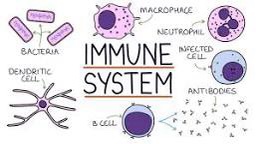
Immune-Boosting Properties: Propolis is renowned for its immunomodulatory effects, meaning it helps regulate and strengthen the immune system. Its various components, such as flavonoids and polyphenols, possess antioxidant and anti-inflammatory properties, which can help protect the body against infections and diseases.

Antimicrobial and Antibacterial Action: Propolis has shown impressive antimicrobial and antibacterial properties. It exhibits broad-spectrum activity against various pathogens, including bacteria, viruses, fungi, and parasites. This natural defence mechanism of the bees helps to maintain the hygiene and integrity of the hive.

Wound Healing Abilities: Due to its antimicrobial properties and the presence of bioactive compounds, propolis has been used to promote wound healing for centuries. It can accelerate tissue regeneration, reduce inflammation, and protect against infection, making it a valuable natural remedy for minor cuts, burns, and skin irritations. 

Oral Health Benefits: Propolis is commonly utilized in oral care products due to its potent antibacterial and anti-inflammatory properties. It can help combat dental plaque, gum diseases, and oral infections. Some studies suggest that propolis may even aid in the prevention of cavities and promote overall oral health.

Antioxidant Potential: The high concentration of antioxidants in propolis helps neutralize harmful free radicals in the body, reducing oxidative stress and potential damage to cells. This antioxidant activity contributes to its anti-aging effects and its potential protective role against chronic diseases.

How to use propolis 

Propolis is available in various forms, including tinctures, capsules, creams, and lozenges. It can also be found as an ingredient in natural health products, toothpaste, and mouthwashes. When using propolis, it is essential to follow the recommended dosage and instructions provided by the manufacturer or consult a healthcare professional for guidance.

Propolis is truly a gift from nature, showcasing its remarkable healing powers through the diligent work of honeybees. With its immune-boosting, antimicrobial, wound-healing, and antioxidant properties, propolis has rightfully earned its place as a valuable natural remedy. While propolis has been used for centuries in traditional medicine, it is essential to consult healthcare professionals for personalized advice and guidance on incorporating propolis into your wellness routine.

As we continue to explore the world of natural remedies, let us not forget the humble bees and their exceptional creation, propolis—an extraordinary substance that continues to captivate.

Side effects of Pre-workout supplements

re-workout supplements are popular among individuals looking to enhance their performance and energy levels during exercise. While they can provide benefits, it’s important to be aware of potential side effects. Here are five possible side effects of pre-workout supplements:

  1. Insomnia and Sleep Disturbances: Many pre-workout supplements contain stimulants like caffeine or other energy-boosting ingredients. These substances can interfere with your sleep patterns, leading to insomnia or disrupted sleep. It’s recommended to avoid consuming pre-workout supplements too close to bedtime to minimize sleep disturbances.
  2. Increased Heart Rate and Blood Pressure: Stimulants present in pre-workout supplements can cause an increase in heart rate and blood pressure. While this effect can provide a temporary energy boost during exercise, it may pose risks for individuals with underlying heart conditions or hypertension. It’s crucial to consult with a healthcare professional if you have any cardiovascular concerns.
  3. Gastrointestinal Issues: Some individuals may experience digestive problems after taking pre-workout supplements. Ingredients like creatine, beta-alanine, or high doses of caffeine can cause stomach discomfort, diarrhea, or nausea. These side effects can vary from person to person, and it’s advisable to start with a lower dosage to assess your tolerance.
  4. Dehydration: Pre-workout supplements may contain diuretic ingredients or caffeine, which can contribute to increased urine production and fluid loss. This can potentially lead to dehydration, especially if you’re engaged in intense physical activity without adequately replacing lost fluids. It’s essential to stay hydrated by drinking plenty of water when using pre-workout supplements.
  5. Dependency and Tolerance: Regular use of pre-workout supplements can lead to dependency and tolerance over time. Your body may become accustomed to the stimulants, and you might need higher doses to experience the same effects. This can lead to a cycle of reliance on these supplements and potential withdrawal symptoms when discontinuing their use. It’s advisable to use pre-workout supplements in moderation and take breaks to avoid dependency.

Remember, individual experiences with pre-workout supplements can vary, and not everyone will experience these side effects. It’s crucial to read product labels, follow recommended dosages, and consult with a healthcare professional before incorporating any new supplements into your routine, especially if you have underlying health conditions.

Pea Protein Powder: Nutrition, Benefits, and Side Effects

Protein powders have gained immense popularity in the health and fitness industry as a convenient and effective way to supplement one’s daily protein intake. Among the various protein powder options available, pea protein powder has emerged as a popular choice for many individuals, particularly those following plant-based or vegetarian diets. In this blog post, we will explore the nutrition, benefits, and potential side effects of pea protein powder.

Nutrition Profile of Pea Protein Powder:

Pea protein powder is derived from yellow peas, also known as Pisum sativum, and is produced by drying and grinding the peas into a fine powder. It offers an excellent nutritional profile, making it a viable alternative to other protein sources. Here are some key nutritional aspects of pea protein powder:

Protein Content: Pea protein powder is known for its high protein content. It typically contains around 20 to 25 grams of protein per serving, making it a suitable choice for individuals looking to increase their protein intake.

Essential Amino Acids: Pea protein powder is rich in essential amino acids, which are the building blocks of protein. It contains all nine essential amino acids, including lysine, isoleucine, leucine, valine, methionine, phenylalanine, threonine, histidine, and tryptophan.

Low in Carbohydrates and Fat: Pea protein powder is relatively low in carbohydrates and fat, making it a favourable option for those watching their macronutrient intake.

Benefits of Pea Protein Powder:

  1. Muscle Building and Recovery: Pea protein powder is an excellent choice for individuals engaged in strength training or physical activity that requires muscle repair and recovery. Its rich amino acid profile, especially the branched-chain amino acids (BCAAs), supports muscle protein synthesis, aiding in muscle growth and repair.
  2. Plant-Based and Vegan-Friendly: Pea protein powder is a valuable resource for individuals following a plant-based or vegan lifestyle. It offers a sustainable and cruelty-free protein source, allowing them to meet their daily protein requirements without relying on animal-based products.
  3. Digestive Health: Unlike other protein powders like whey, pea protein powder is lactose-free and easier to digest. It is a suitable option for individuals with lactose intolerance or sensitive digestive systems.
  4. Satiety and Weight Management: Protein is known to promote feelings of fullness and reduce appetite. Incorporating pea protein powder into meals or snacks can help control hunger and aid in weight management goals.

Potential Side Effects and Considerations:

While pea protein powder is generally safe for consumption, individuals should be aware of potential side effects and take necessary precautions:

  1. Allergies: Pea protein is derived from legumes, and individuals with legume allergies may experience adverse reactions. It is important to consult with a healthcare professional before incorporating pea protein powder if you have known allergies or sensitivities.
  2. Digestive Sensitivity: Some individuals may experience digestive issues, such as bloating, gas, or stomach discomfort, when consuming pea protein powder. Adjusting the serving size or trying different brands may help alleviate these symptoms.
  3. Heavy Metals: As with any plant-based protein powder, there is a potential risk of heavy metal contamination. It is advisable to choose pea protein powder from reputable brands that undergo thorough testing for purity and safety.

Pea protein powder offers a valuable plant-based protein source with numerous nutritional benefits. With its high protein content, essential amino acids, and suitability for various dietary needs, it has become a popular choice among fitness enthusiasts and individuals following plant-based diets. However, it is crucial to be mindful of potential allergies, digestive sensitivities, and the quality of

Foods That May Weaken Your Immune System

Maintaining a strong and robust immune system is crucial for our overall health and well-being. It acts as a defense mechanism, protecting our bodies from harmful pathogens and infections. While several factors contribute to a healthy immune system, including adequate sleep, exercise, and stress management, our diet plays a significant role as well. Certain foods can weaken our immune system and make us more susceptible to illnesses. In this blog post, we will explore some common foods that may have a negative impact on our immune health.

Sugar and Artificial Sweeteners:
 Excessive consumption of sugar and artificial sweeteners can significantly impair immune function. Studies have shown that high sugar intake can suppress immune response and reduce the effectiveness of white blood cells in fighting off bacteria. Furthermore, it can lead to inflammation and contribute to chronic conditions such as obesity and diabetes, which also weaken the immune system. Limiting your intake of sugary beverages, processed snacks, and desserts is essential for maintaining a strong immune system.

Processed Foods:
 Processed foods, including fast food, frozen meals, and packaged snacks, are often high in unhealthy fats, sodium, and artificial additives. These foods lack essential nutrients and are often stripped of their natural immune-boosting properties. Additionally, the high levels of sodium found in processed foods can cause water retention, leading to dehydration, which can negatively affect immune function. Opting for whole, unprocessed foods like fruits, vegetables, whole grains, and lean proteins can help strengthen your immune system.

Saturated and Trans Fats:

Saturated and trans fats, commonly found in fried foods, fatty cuts of meat, and processed snacks, have been linked to an increased risk of heart disease and other chronic conditions. These unhealthy fats can trigger inflammation in the body, impair immune response, and decrease the production of infection-fighting antibodies. Choosing healthier fat sources like avocados, nuts, seeds, and olive oil can provide the body with essential nutrients and support a strong immune system.

Alcohol:
Excessive alcohol consumption can have detrimental effects on the immune system. Alcohol is known to suppress immune activity, making the body more susceptible to infections and illnesses. It can impair the function of white blood cells, decrease the production of antibodies, and disrupt the balance of gut bacteria, which plays a vital role in immune health. Moderation is key when it comes to alcohol consumption, and it’s important to stay within recommended limits for optimal immune function.

High-Caffeine Beverages:
 While moderate consumption of caffeine can have some health benefits, excessive intake can have a negative impact on immune function. High caffeine beverages like energy drinks and excessive amounts of coffee can disrupt sleep patterns, increase stress levels, and lead to dehydration. Lack of quality sleep and increased stress weaken the immune system, making us more vulnerable to infections. Opting for herbal teas or limiting caffeine intake to moderate levels can help maintain a healthy immune system.

A healthy and balanced diet is vital for supporting a strong immune system. By avoiding or limiting the consumption of foods that can weaken our immune function, such as sugar, processed foods, unhealthy fats, alcohol, and high-caffeine beverages, we can enhance our body’s ability to fight off infections and maintain optimal health. Instead, focusing on a diet rich in whole, unprocessed foods, fruits, vegetables, lean proteins, and healthy fats will provide the nutrients necessary to support a robust immune system. Remember, small changes in your dietary habits can have a significant impact on your overall well-being.

5 Natural Sweeteners That Are Good for Your Health


We all have a sweet tooth, but consuming excessive amounts of refined sugar can have detrimental effects on our health. Fortunately, there are several natural alternatives available that not only satisfy our cravings but also provide additional health benefits. In this blog post, we will explore five natural sweeteners that are not only delicious but also good for your overall well-being.


Raw Honey: Raw honey is a sweet and flavourful liquid produced by bees from the nectar of flowers. Unlike processed honey, raw honey is unfiltered and unpasteurized, which means it retains its natural enzymes, antioxidants, and trace minerals. It has antimicrobial properties and can help soothe a sore throat, support digestive health, and provide a natural energy boost. However, it’s important to consume honey in moderation due to its high fructose content.


Maple Syrup: Maple syrup is a popular natural sweetener derived from the sap of maple trees. It contains essential minerals like manganese and zinc, as well as antioxidants that can help reduce inflammation in the body. Maple syrup also has a lower glycaemic index than regular sugar, meaning it causes a slower rise in blood sugar levels. Its distinct flavour makes it a delightful addition to pancakes, waffles, and baked goods.


Stevia: Stevia is a zero-calorie sweetener extracted from the leaves of the stevia plant. It is an excellent choice for individuals watching their sugar intake or managing diabetes since it doesn’t raise blood sugar levels. Stevia is incredibly sweet, so only a small amount is needed to achieve the desired sweetness. It is available in powdered or liquid form and can be used in beverages, desserts, and even homemade sauces.


Coconut Sugar: Coconut sugar, also known as coconut palm sugar, is derived from the sap of coconut palm trees. It has a rich flavour like brown sugar, making it a fantastic alternative in baking recipes. Coconut sugar contains nutrients such as potassium, iron, zinc, and B vitamins, along with inulin, a type of fibre that supports gut health. However, it’s still important to use coconut sugar in moderation as it contains calories and fructose.


Date Paste: Date paste is made by blending dates with water until smooth, creating a thick, sweet paste. Dates are a natural source of fiber, potassium, and antioxidants. This sweetener works well in baking recipes, smoothies, and raw desserts. Since dates are high in natural sugars, it’s advisable to use date paste sparingly and balance it with other ingredients to maintain a healthy intake of sugars.


Date Paste: Date paste is made by blending dates with water until smooth, creating a thick, sweet paste. Dates are a natural source of fiber, potassium, and antioxidants. This sweetener works well in baking recipes, smoothies, and raw desserts. Since dates are high in natural sugars, it’s advisable to use date paste sparingly and balance it with other ingredients to maintain a healthy intake of sugars.


Conclusion: Reducing our consumption of refined sugar is a step towards a healthier lifestyle. Incorporating these natural sweeteners into our diets provides a better alternative to satisfy our sweet cravings while also offering additional health benefits. From the rich flavours of raw honey and maple syrup to the zero-calorie sweetness of stevia, there are plenty of options to choose from. Experiment with these natural sweeteners and enjoy the journey of discovering healthier and delicious ways to indulge your sweet tooth. Remember, moderation is key to maintaining a well-balanced diet.

One Pot Red Lentil Pasta

One Pot Red Lentil Pasta

This is my go to recipe on a busy day, it only takes 5-10mins to make and is a nutritionally balanced meal.

Lentil pasta is an excellent alternative as it’s high in fiber and protein. Lentils are aslo loaded with folate, iron, phosphorus and potassium. Lentil pasta is rich in fiber. Fiber intake helps reduce the risk of developing heart disease, diabetes and stroke.

Ingredients

1 can of tomato tin

1 small bowl of pasta

I small bowl of diced onion

5 cloves of minced garlic

1 tsp thyme

1 tsp oregano

500 ml veg broth

Salt and pepper to tatse

Fresh Basil

Chesse (optional)

In a large pan add in the red lentil pasta, tin tomato, diced onion and minced garlic, spices and the veg broth. Mix together, then add in salt and pepper.

Let it simmer on a slow gas till most of the liquid is absorbed.

Then add in fresh basil and mix well. After a few minutes turn of the heat.

Place is a serving bowl, add more fresh basil, chesse and enjoy.

Roasted Chickpea & Tortilla chips Salad

Chickpeas is superfood, as well as being an excellent source of plant-based protein and high in fiber. Chikpeas are filling and very beneficial for digestion and gut health.

A cooked cup of chickpeas contains 12.5 grams of fiber and 14.5 grams of protein. With only 268 calories.

Adding a rainbow salad salad to your diet help to decreases inflammation in prevent cancer. Keeps our immune system strong and our skin healthy, as well as good vision.• Keeps our bones, teeth and nails strong and also prevents blood clots.

Tortilla chips adds a crunch to the sald and thry are low in fat.

Ingredients

1 can of chickpeas

Half bag of Tortilla chips

1 tsp red chilli

Cilantro

1 tsp oinion powder

1 tsp garlic powder

1 tsp cumin powder

1 tsp salt

2 tbs lemon juice

2 tbs olive oil

Romaine lettuce

Red cabbage,

Tomatos

Sweetcorn

Avocado

Method

Drain the can of chickpeas, wash and dry them. Then place thr chikpeas in a large mixing bowl.

In a small bowl add all the spices, lemon juice and olive oil and mix together to make a smooth paste.

Preheat the oven to 400°F (200°C).

Add the spice paste to the chickpea bowl and mix well. Place the coated chickpeas in to a baking tray and roast in thr oven.

How to make the dressing:

In a blender add 1 chopped shallot, bunch of cilantro, pinch of salt, black pepper, 2 minced garlic cloves, half a lemon jucice and olive oil. Blitz till smooth and pour into a serving cup.

In a serving bowl place Romaine lettuce, red cabbage, tomatoes, sweetcorn, avocado, cilantro. Then add in the roasted chickpeas and strips of tortillas chips.

Drizzle the the dressing and mix well and serve.

Fermented Food

Let’s talk about Fermented Foods.

What is Fermented Food?

Fermented foods undergone controlled microbial growth and fermentation. Fermentation is an anaerobic process in which microorganisms like yeast and bacteria break down food components (e.g. sugars such as glucose) into other products (e.g. organic acids, gases or alcohol). This gives fermented foods their unique and desirable taste, aroma, texture and appearance.

Vegetarian & Vegan friendly fermented foods

👉 Sauerkraut.

👉 Plain Yogurt.

👉 Dry Curd Cottage Cheese or Farmer’s Cheese, or fermented cottage cheese.

👉 Certain aged cheeses (check label for live and active cultures)

👉 Kimchi.

👉 Pickled vegetables – cucumbers, carrots, radishes, green beans, cauliflower,

👉 Kombucha.

👉 Water kefir.

👉 Tempeh.

👉 Sourdough bread.

👉 Miso.

👉 Mangos.

👉 Apples.

👉 Blueberries.

👉 Strawberries.

👉 Raspberries.

👉 Blackberries.

👉 Peaches.

👉 Fortified dairy alternatives

👉 Supplements

Health benefits:

💪🏽 Improved Gut Health: Fermented foods contain probiotics, which are beneficial b bacteria that help improve the balance of good bacteria in the gut. This can help improve digestive health and boost immunity.

💪🏽 Better Absorption of Nutrients: Fermented foods are often easier to digest, which can help improve the absorption of essential vitamins and minerals from food.

💪🏽 Boosted Immune System: Probiotics can help strengthen the immune system and reduce the risk of illness.

💪🏽 Reduced Inflammation: Some fermented foods contain anti-inflammatory properties, which can help reduce inflammation in the body and protect against chronic diseases.

💪🏽 Improved Mental Health: Probiotics have been linked to improved mood and cognitive function, making fermented foods a great option for those looking to maintain good mental health.

💪🏽 Increased Antioxidant Content: Fermented foods often contain higher levels of antioxidants, which help protect the body from harmful free radicals and oxidative stress.

💪🏽 Better Weight Management: Some fermented foods have been linked to improved weight management, including increased feelings of fullness and reduced calorie intake.

💪🏽 Reduced Risk of Certain Diseases: Fermented foods have been linked to a reduced risk of certain diseases, including heart disease, type 2 diabetes, and certain types of cancer.

Gut Health Talk

Let’s talk about Gut Health

Our gut is home to trillions of microorganisms, including bacteria, viruses, fungi, and other microbes, collectively known as the gut microbiome. This ecosystem plays a critical role in maintaining your overall health, influencing everything from your immune system to your mental well-being.

The gut microbiome is involved in several crucial processes, including:

Digestion and nutrient absorption: The gut microbiome helps break down complex carbohydrates and fibres, making it easier for your body to absorb the nutrients it needs.

Immune system regulation: The gut microbiome is a key component of your body’s immune system, helping to defend against harmful pathogens and promoting overall health.

Mental health: Studies have shown a strong connection between gut health and mental health, with an imbalanced gut microbiome potentially contributing to conditions such as depression and anxiety.

How to maintain and improve your gut health:

💪 Eat a diverse and balanced diet: A diet that includes a variety of foods, including
fibre rich fruits and vegetables, whole grains, and fermented foods, can help
promote a healthy gut microbiome.

💪 Limit processed and high-sugar foods: Processed foods and high-sugar diets
have been shown to have a negative impact on gut health, leading to an
imbalanced microbiome.

💪 Stay hydrated: Drinking enough water is essential for maintaining a healthy gut,
as it helps regulate digestion and promotes healthy bowel movements.

💪 Exercise regularly: Regular physical activity has been shown to improve gut
health by promoting healthy digestion and reducing inflammation.

💪 Reduce stress: Chronic stress has been linked to an imbalanced gut microbiome,
so taking steps to manage stress through activities such as meditation, yoga, or
exercise can have a positive impact on gut health.

To sum it up maintaining a healthy gut microbiome is crucial for overall health and well-being. By incorporating a balanced diet, staying hydrated, exercising regularly, reducing stress, and limiting processed foods, you can help support and improve your gut health.

Spicy Roasted Chickpeas

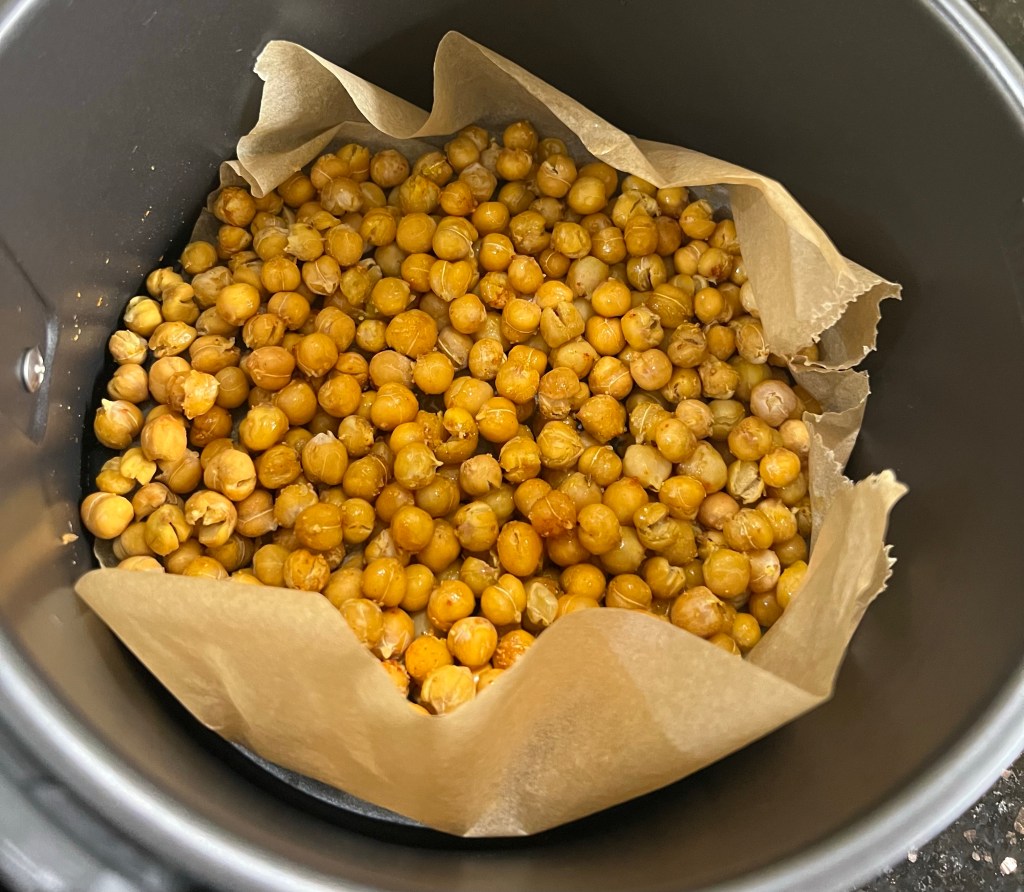
Roasted Spiced Chickpeas are so simple to make and full of taste. They make an excellent snack.

Chickpeas is superfood, as well as being an excellent source of plant-based protein and high in fiber. Chikpeas are filling and very beneficial for digestion and gut health.

A cooked cup of chickpeas contains 12.5 grams of fiber and 14.5 grams of protein. With only 268 calories.

Ingredients

Serves 1

1 Chickpea can, drained and rinsed.

1 tablespoon olive oil

1 teaspoon ground cumin

1 teaspoon turmeric powder

1 teaspoon chilli powder

1 teaspoon salt

1 teaspoon coriander powder

Method

Preheat the oven to 400°F (200°C).

Drain, rinse and dry the chickpeas.

More drier the chickpeas are the more crunchier they will become once cooked.

Spread the chickpeas out on a parchment paper-lined baking sheet.

Add olive oil, cumin, turmeric, chilli powder, coriander powder and salt to the chickpeas and toss well till coated evenly.

Roast the chickpeas for 20-25 minutes for oruntil browned.

Let then to cool for 5 minutes and serve.