Top 10 Nutrient-Dense Vegan Foods

in a world where health and wellness are more important than ever people are turning to plant-based diets for their myriad benefits. But with all the options out there, how do you know which vegan foods are the most nutrient-dense? We’ve got you covered! This blog is your ultimate guide to the most powerful plant-based foods that pack a nutritional punch.

1. Kale: The King of Greens

Kale has earned its crown as one of the most nutrient-dense foods on the planet. Rich in vitamins A, C, and K, kale is a powerhouse of antioxidants and anti-inflammatory compounds. Just one cup provides more than your daily requirement of vitamin K, which is crucial for bone health and blood clotting. Whether you blend it into a smoothie, toss it in a salad, or bake it into crispy chips, kale is a must-have in your diet.

2. Chia Seeds: Tiny but Mighty

Don’t be fooled by their size—chia seeds are a nutritional powerhouse. These tiny seeds are loaded with fibre, omega-3 fatty acids, protein, and essential minerals like calcium and magnesium. Just two tablespoons of chia seeds contain about 10 grams of fibre, making them a terrific addition to smoothies, oatmeal, or even as a vegan egg substitute in baking.

3. Sweet Potatoes: Nature’s Candy

Sweet potatoes are not only delicious but also incredibly nutritious. They are packed with beta-carotene, which your body converts into vitamin A, vital for maintaining healthy vision and a strong immune system. They also provide a good amount of fibre, vitamin C, and potassium. Roast them, mash them, or turn them into fries—sweet potatoes are a versatile and nutrient-rich addition to any meal.

4. Quinoa: The Complete Protein Grain

Quinoa is one of the few plant-based foods that provide all nine essential amino acids, making it a complete protein. This gluten-free grain is also high in fibre, iron, magnesium, and B-vitamins. Quinoa’s nutty flavour and fluffy texture make it a great base for salads, bowls, and even breakfast porridge.

5. Spinach: The Iron-Clad Leafy Green

Spinach is a leafy green that’s packed with iron, especially important for those on a plant-based diet. It’s also high in vitamins A and C, calcium, and folate, making it a nutrient-dense addition to any meal. Enjoy it raw in salads, sautéed as a side dish, or blended into smoothies for an extra nutrient boost.

6. Lentils: The Protein-Packed Legume

Lentils are an excellent source of plant-based protein, fibre, and essential nutrients like folate, iron, and manganese. They’re also incredibly versatile and can be used in soups, stews, salads, or even as a meat substitute in burgers. Lentils are particularly beneficial for heart health, as they help lower cholesterol and stabilize blood sugar levels.

7. Broccoli: The Detox Dynamo

Broccoli is another cruciferous vegetable that’s incredibly nutrient-dense. It’s high in vitamins C and K, fibre, and potassium, and it also contains sulforaphane, a compound that may help with detoxification and cancer prevention. Whether steamed, roasted, or raw, broccoli is a vegetable that should be on your plate.

8. Flaxseeds: The Omega-3 Booster

Flaxseeds are one of the best plant-based sources of alpha-linolenic acid (ALA), a type of omega-3 fatty acid that supports heart health. They are also high in lignans, which have antioxidant properties, and fibre. Ground flaxseeds can be added to smoothies, oatmeal, or used as an egg replacement in baking.

9. Avocado: The Creamy Nutrient Bomb

Avocados are rich in healthy monounsaturated fats, which are great for your heart. They’re also loaded with fibre, potassium, and vitamins C, E, K, and B-6. The creamy texture of avocados makes them perfect for spreading on toast, adding to salads, or blending into smoothies.

10. Seaweed: The Ocean’s Superfood

Seaweed is a nutrient-dense food that’s rich in iodine, which is essential for thyroid function. It’s also high in calcium, magnesium, and vitamins, including A, C, E, and K. Seaweed can be eaten as snacks, used in soups, or added to salads and sushi for a mineral boost.

How to Incorporate These Nutrient-Dense Foods into Your Diet

Now that you know which vegan foods are the most nutrient-dense, it’s time to start incorporating them into your daily meals. Here are simple tips:

  • Start your day with a green smoothie: Blend kale or spinach with fruits, chia seeds, and flaxseeds for a nutrient-packed breakfast.
  • Make nutrient-dense bowls: Combine quinoa or lentils with roasted sweet potatoes, broccoli, and avocado for a hearty, healthy meal.
  • Snack smart: Munch on seaweed snacks or add a sprinkle of chia or flaxseeds to your yogurt or oatmeal.
  • Power up your salads: Add a mix of leafy greens, avocado, and a sprinkle of nuts or seeds for a filling and nutritious salad.

Final Thoughts

Eating a nutrient-dense vegan diet is easier than you might think. By incorporating these superfoods into your meals, you’ll be fuelling your body with the vitamins, minerals, and antioxidants it needs to thrive. Whether you’re a seasoned vegan or just starting your plant-based journey, these foods are sure to elevate your health and wellbeing.

So, what are you waiting for? Start adding these nutrient-dense powerhouses to your plate today and feel the difference!

Join the conversation: What is your favourite nutrient-dense vegan foods? Share your thoughts and recipes in the comments below!

Nutrient-Packed Carrot Smoothie

Are you looking for a delicious and nutritious way to start your day? Look no further than a carrot smoothie! Carrots are not only crunchy and flavourful but also incredibly healthy. Packed with vitamins, minerals, and antioxidants, carrots offer a wide range of benefits for your overall well-being. In this blog, we’ll explore a delightful carrot smoothie recipe that’s not only easy to make but also incredibly beneficial for your health.


Benefits of Carrots

Before we dive into the recipe, let’s take a closer look at the impressive health benefits of carrots:


Rich in Vitamins: Carrots are a great source of essential vitamins, including vitamin A, C, and K. Vitamin A is especially important for maintaining healthy vision, skin, and a robust immune system.


Mineral Powerhouse: Carrots provide vital minerals like potassium and fibre. These minerals help regulate blood pressure, aid in digestion, and promote heart health.


Antioxidant Properties: Carrots are loaded with antioxidants like beta-carotene. These compounds help fight free radicals in the body, reducing the risk of chronic diseases and aging.


Supports Digestion: The dietary fibre in carrots promotes healthy digestion by preventing constipation and promoting regular bowel movements.


Healthy Skin: Beta-carotene in carrots can contribute to a glowing complexion, as it’s converted into vitamin A, which is known for its skin-healing properties.


Boosts Immunity: The vitamins and antioxidants in carrots bolster your immune system, helping your body ward off infections and illnesses.


Now that we’ve highlighted some of the incredible benefits of carrots, let’s move on to a fantastic carrot smoothie recipe that combines their goodness with other nutritious ingredients.


Carrot Smoothie Recipe


Ingredients:

•           2 large carrots peeled and chopped.

•           1 ripe banana

•           1 cup Greek yogurt

•           1/2 cup orange juice

•           1/2 cup almond milk (or your preferred milk)

•           1 tablespoon honey (optional, for added sweetness)

•           1/2 teaspoon ground cinnamon

•           Ice cubes (optional)


Instructions:

Start by washing, peeling, and chopping the carrots into small pieces.

Place the chopped carrots in a blender.

Add the ripe banana, Greek yogurt, orange juice, almond milk, honey (if using), and ground cinnamon to the blender.

If you prefer a colder smoothie, add a handful of ice cubes.

Blend all the ingredients until smooth and creamy, adjusting the consistency with more milk if needed.

Taste the smoothie and adjust the sweetness with additional honey if desired.

Pour the carrot smoothie into glasses and garnish with a sprinkle of ground cinnamon or a carrot stick.

Incorporating carrots into your daily diet through a delicious carrot smoothie is a smart and tasty choice.

With their abundance of vitamins, minerals, and antioxidants, carrots offer a wide range of health benefits, from supporting your immune system to promoting healthy skin. So, why not give this simple and nutritious carrot smoothie recipe a try?

It’s the perfect way to kickstart your day with a burst of energy and nourishment for your body. Cheers to good health!

Nutrient-Packed Carrot Smoothie

Are you looking for a delicious and nutritious way to start your day? Look no further than a carrot smoothie! Carrots are not only crunchy and flavourful but also incredibly healthy. Packed with vitamins, minerals, and antioxidants, carrots offer a wide range of benefits for your overall well-being. In this blog, we’ll explore a delightful carrot smoothie recipe that’s not only easy to make but also incredibly beneficial for your health.


Benefits of Carrots

Before we dive into the recipe, let’s take a closer look at the impressive health benefits of carrots:


Rich in Vitamins: Carrots are a great source of essential vitamins, including vitamin A, C, and K. Vitamin A is especially important for maintaining healthy vision, skin, and a robust immune system.


Mineral Powerhouse: Carrots provide vital minerals like potassium and fibre. These minerals help regulate blood pressure, aid in digestion, and promote heart health.


Antioxidant Properties: Carrots are loaded with antioxidants like beta-carotene. These compounds help fight free radicals in the body, reducing the risk of chronic diseases and aging.


Supports Digestion: The dietary fibre in carrots promotes healthy digestion by preventing constipation and promoting regular bowel movements.


Healthy Skin: Beta-carotene in carrots can contribute to a glowing complexion, as it’s converted into vitamin A, which is known for its skin-healing properties.


Boosts Immunity: The vitamins and antioxidants in carrots bolster your immune system, helping your body ward off infections and illnesses.


Now that we’ve highlighted some of the incredible benefits of carrots, let’s move on to a fantastic carrot smoothie recipe that combines their goodness with other nutritious ingredients.


Carrot Smoothie Recipe


Ingredients:

•           2 large carrots peeled and chopped.

•           1 ripe banana

•           1 cup Greek yogurt

•           1/2 cup orange juice

•           1/2 cup almond milk (or your preferred milk)

•           1 tablespoon honey (optional, for added sweetness)

•           1/2 teaspoon ground cinnamon

•           Ice cubes (optional)


Instructions:

Start by washing, peeling, and chopping the carrots into small pieces.

Place the chopped carrots in a blender.

Add the ripe banana, Greek yogurt, orange juice, almond milk, honey (if using), and ground cinnamon to the blender.

If you prefer a colder smoothie, add a handful of ice cubes.

Blend all the ingredients until smooth and creamy, adjusting the consistency with more milk if needed.

Taste the smoothie and adjust the sweetness with additional honey if desired.

Pour the carrot smoothie into glasses and garnish with a sprinkle of ground cinnamon or a carrot stick.

Incorporating carrots into your daily diet through a delicious carrot smoothie is a smart and tasty choice.

With their abundance of vitamins, minerals, and antioxidants, carrots offer a wide range of health benefits, from supporting your immune system to promoting healthy skin. So, why not give this simple and nutritious carrot smoothie recipe a try?

It’s the perfect way to kickstart your day with a burst of energy and nourishment for your body. Cheers to good health!

10 Tips for Joyful, Balanced Eating from an Ayurvedic Kitchen

n a world where fad diets and quick-fix solutions abound, Ayurveda stands out as a holistic and time-tested approach to achieving balance and wellness through food. Ayurvedic principles are rooted in ancient Indian wisdom and focus on nourishing both the body and mind. By adopting Ayurvedic practices in your kitchen, you can cultivate a deeper connection with your body, savor the joy of eating, and achieve a harmonious balance between nutrition and well-being. In this blog, we’ll explore 10 essential tips from an Ayurvedic perspective to make your eating experience joyful and balanced.

Embrace Mindful Eating:

In Ayurveda, eating is not just about filling the stomach; it is a sacred ritual that demands attention and mindfulness. Sit down to eat without distractions, savor each bite, and appreciate the flavours, textures, and aromas of your meal. Chew your food thoroughly, as proper digestion begins in the mouth. Mindful eating allows you to connect with your body’s signals, leading to improved digestion and a more satisfying culinary experience.

Follow the Rhythms of Nature:

Ayurveda emphasises aligning our eating patterns with the natural rhythms of the day. Consume your main meals when the sun is at its peak, as this is when your digestive fire (agni) is strongest. Avoid heavy meals during the evening when your digestive capacity is naturally lower. Listening to your body’s internal clock helps optimise digestion and energy levels.

Respect Your Dosha:

According to Ayurveda, each individual has a unique constitution, or dosha, which influences their physical and emotional characteristics. The three doshas are Vata (air and space), Pitta (fire and water), and Kapha (earth and water). Understanding your dominant dosha can guide your dietary choices to maintain balance. For example, Vata types benefit from warming and grounding foods, while Pitta individuals thrive on cooling and hydrating foods.

Prioritise Fresh, Seasonal Foods:

Ayurveda advocates for consuming fresh, seasonal, and locally sourced foods. These foods contain the vital life force (prana) and align with the changing needs of our bodies throughout the year. Seasonal foods are also easier to digest and provide the essential nutrients required to maintain balance in specific weather conditions.

Include the Six Tastes:

Ayurveda categorises food into six tastes: sweet, sour, salty, bitter, pungent, and astringent. Each taste corresponds to different elements and has specific effects on the body and mind. To ensure a well-rounded diet, include a variety of tastes in your meals. For example, bitter foods detoxify the body, while sweet foods nourish and promote a sense of satisfaction.

Spice Up Your Life:

Herbs and spices play a significant role in Ayurvedic cooking, not just for enhancing flavours but also for their therapeutic properties. Turmeric, cumin, coriander, ginger, and cinnamon are among the many spices used in Ayurvedic recipes. Spices aid digestion, boost metabolism, and offer a myriad of health benefits. Experiment with different spice blends to create dishes tailored to your dosha and seasonal needs.

Say No to Ice-Cold Beverages:

In Ayurveda, ice-cold beverages are considered detrimental to digestion as they dampen the digestive fire. Opt for warm or room temperature water instead, as it aids digestion and keeps your body in balance. Herbal teas, infused water, or warm spiced milk are great options to stay hydrated without compromising your agni.

Mind the Quantity:

Ayurveda advises against overeating, as it can overwhelm the digestive system and lead to imbalances. Instead of filling your plate to the brim, aim to eat until you are about 75% full. This practice allows your body to focus on proper digestion and assimilation of nutrients.

Practice Food Combining:

Proper food combining is a fundamental aspect of Ayurvedic eating. Different foods digest at different rates and require distinct digestive enzymes. To support optimal digestion, avoid combining foods with conflicting qualities. For example, avoid consuming fruits with other foods or mixing milk with sour or salty items.

End with Gratitude:

In the Ayurvedic tradition, expressing gratitude for the food you receive is essential. Before and after each meal, take a moment to acknowledge the effort that went into growing, preparing, and serving your food. Cultivating a sense of gratitude can elevate your eating experience and promote a harmonious relationship with your body and the world around you.

Ayurveda teaches us that eating is not solely about fuelling our bodies but an opportunity to nourish our entire being. By incorporating these Ayurvedic principles into your kitchen and dining routine, you can embark on a journey of joyful, balanced eating. Embrace mindfulness, honour your dosha, and choose wholesome, seasonal foods to support your well-being and foster a deeper connection with the food you consume. By adopting these ten tips, you can not only improve your digestion and energy levels but also foster a profound sense of joy and gratitude for the nourishment that sustains you. Happy and balanced eating!

Pea Protein Powder: Nutrition, Benefits, and Side Effects

Protein powders have gained immense popularity in the health and fitness industry as a convenient and effective way to supplement one’s daily protein intake. Among the various protein powder options available, pea protein powder has emerged as a popular choice for many individuals, particularly those following plant-based or vegetarian diets. In this blog post, we will explore the nutrition, benefits, and potential side effects of pea protein powder.

Nutrition Profile of Pea Protein Powder:

Pea protein powder is derived from yellow peas, also known as Pisum sativum, and is produced by drying and grinding the peas into a fine powder. It offers an excellent nutritional profile, making it a viable alternative to other protein sources. Here are some key nutritional aspects of pea protein powder:

Protein Content: Pea protein powder is known for its high protein content. It typically contains around 20 to 25 grams of protein per serving, making it a suitable choice for individuals looking to increase their protein intake.

Essential Amino Acids: Pea protein powder is rich in essential amino acids, which are the building blocks of protein. It contains all nine essential amino acids, including lysine, isoleucine, leucine, valine, methionine, phenylalanine, threonine, histidine, and tryptophan.

Low in Carbohydrates and Fat: Pea protein powder is relatively low in carbohydrates and fat, making it a favourable option for those watching their macronutrient intake.

Benefits of Pea Protein Powder:

  1. Muscle Building and Recovery: Pea protein powder is an excellent choice for individuals engaged in strength training or physical activity that requires muscle repair and recovery. Its rich amino acid profile, especially the branched-chain amino acids (BCAAs), supports muscle protein synthesis, aiding in muscle growth and repair.
  2. Plant-Based and Vegan-Friendly: Pea protein powder is a valuable resource for individuals following a plant-based or vegan lifestyle. It offers a sustainable and cruelty-free protein source, allowing them to meet their daily protein requirements without relying on animal-based products.
  3. Digestive Health: Unlike other protein powders like whey, pea protein powder is lactose-free and easier to digest. It is a suitable option for individuals with lactose intolerance or sensitive digestive systems.
  4. Satiety and Weight Management: Protein is known to promote feelings of fullness and reduce appetite. Incorporating pea protein powder into meals or snacks can help control hunger and aid in weight management goals.

Potential Side Effects and Considerations:

While pea protein powder is generally safe for consumption, individuals should be aware of potential side effects and take necessary precautions:

  1. Allergies: Pea protein is derived from legumes, and individuals with legume allergies may experience adverse reactions. It is important to consult with a healthcare professional before incorporating pea protein powder if you have known allergies or sensitivities.
  2. Digestive Sensitivity: Some individuals may experience digestive issues, such as bloating, gas, or stomach discomfort, when consuming pea protein powder. Adjusting the serving size or trying different brands may help alleviate these symptoms.
  3. Heavy Metals: As with any plant-based protein powder, there is a potential risk of heavy metal contamination. It is advisable to choose pea protein powder from reputable brands that undergo thorough testing for purity and safety.

Pea protein powder offers a valuable plant-based protein source with numerous nutritional benefits. With its high protein content, essential amino acids, and suitability for various dietary needs, it has become a popular choice among fitness enthusiasts and individuals following plant-based diets. However, it is crucial to be mindful of potential allergies, digestive sensitivities, and the quality of

One Pot Red Lentil Pasta

One Pot Red Lentil Pasta

This is my go to recipe on a busy day, it only takes 5-10mins to make and is a nutritionally balanced meal.

Lentil pasta is an excellent alternative as it’s high in fiber and protein. Lentils are aslo loaded with folate, iron, phosphorus and potassium. Lentil pasta is rich in fiber. Fiber intake helps reduce the risk of developing heart disease, diabetes and stroke.

Ingredients

1 can of tomato tin

1 small bowl of pasta

I small bowl of diced onion

5 cloves of minced garlic

1 tsp thyme

1 tsp oregano

500 ml veg broth

Salt and pepper to tatse

Fresh Basil

Chesse (optional)

In a large pan add in the red lentil pasta, tin tomato, diced onion and minced garlic, spices and the veg broth. Mix together, then add in salt and pepper.

Let it simmer on a slow gas till most of the liquid is absorbed.

Then add in fresh basil and mix well. After a few minutes turn of the heat.

Place is a serving bowl, add more fresh basil, chesse and enjoy.

Roasted Chickpea & Tortilla chips Salad

Chickpeas is superfood, as well as being an excellent source of plant-based protein and high in fiber. Chikpeas are filling and very beneficial for digestion and gut health.

A cooked cup of chickpeas contains 12.5 grams of fiber and 14.5 grams of protein. With only 268 calories.

Adding a rainbow salad salad to your diet help to decreases inflammation in prevent cancer. Keeps our immune system strong and our skin healthy, as well as good vision.• Keeps our bones, teeth and nails strong and also prevents blood clots.

Tortilla chips adds a crunch to the sald and thry are low in fat.

Ingredients

1 can of chickpeas

Half bag of Tortilla chips

1 tsp red chilli

Cilantro

1 tsp oinion powder

1 tsp garlic powder

1 tsp cumin powder

1 tsp salt

2 tbs lemon juice

2 tbs olive oil

Romaine lettuce

Red cabbage,

Tomatos

Sweetcorn

Avocado

Method

Drain the can of chickpeas, wash and dry them. Then place thr chikpeas in a large mixing bowl.

In a small bowl add all the spices, lemon juice and olive oil and mix together to make a smooth paste.

Preheat the oven to 400°F (200°C).

Add the spice paste to the chickpea bowl and mix well. Place the coated chickpeas in to a baking tray and roast in thr oven.

How to make the dressing:

In a blender add 1 chopped shallot, bunch of cilantro, pinch of salt, black pepper, 2 minced garlic cloves, half a lemon jucice and olive oil. Blitz till smooth and pour into a serving cup.

In a serving bowl place Romaine lettuce, red cabbage, tomatoes, sweetcorn, avocado, cilantro. Then add in the roasted chickpeas and strips of tortillas chips.

Drizzle the the dressing and mix well and serve.

Fermented Food

Let’s talk about Fermented Foods.

What is Fermented Food?

Fermented foods undergone controlled microbial growth and fermentation. Fermentation is an anaerobic process in which microorganisms like yeast and bacteria break down food components (e.g. sugars such as glucose) into other products (e.g. organic acids, gases or alcohol). This gives fermented foods their unique and desirable taste, aroma, texture and appearance.

Vegetarian & Vegan friendly fermented foods

👉 Sauerkraut.

👉 Plain Yogurt.

👉 Dry Curd Cottage Cheese or Farmer’s Cheese, or fermented cottage cheese.

👉 Certain aged cheeses (check label for live and active cultures)

👉 Kimchi.

👉 Pickled vegetables – cucumbers, carrots, radishes, green beans, cauliflower,

👉 Kombucha.

👉 Water kefir.

👉 Tempeh.

👉 Sourdough bread.

👉 Miso.

👉 Mangos.

👉 Apples.

👉 Blueberries.

👉 Strawberries.

👉 Raspberries.

👉 Blackberries.

👉 Peaches.

👉 Fortified dairy alternatives

👉 Supplements

Health benefits:

💪🏽 Improved Gut Health: Fermented foods contain probiotics, which are beneficial b bacteria that help improve the balance of good bacteria in the gut. This can help improve digestive health and boost immunity.

💪🏽 Better Absorption of Nutrients: Fermented foods are often easier to digest, which can help improve the absorption of essential vitamins and minerals from food.

💪🏽 Boosted Immune System: Probiotics can help strengthen the immune system and reduce the risk of illness.

💪🏽 Reduced Inflammation: Some fermented foods contain anti-inflammatory properties, which can help reduce inflammation in the body and protect against chronic diseases.

💪🏽 Improved Mental Health: Probiotics have been linked to improved mood and cognitive function, making fermented foods a great option for those looking to maintain good mental health.

💪🏽 Increased Antioxidant Content: Fermented foods often contain higher levels of antioxidants, which help protect the body from harmful free radicals and oxidative stress.

💪🏽 Better Weight Management: Some fermented foods have been linked to improved weight management, including increased feelings of fullness and reduced calorie intake.

💪🏽 Reduced Risk of Certain Diseases: Fermented foods have been linked to a reduced risk of certain diseases, including heart disease, type 2 diabetes, and certain types of cancer.

Spicy Roasted Chickpeas

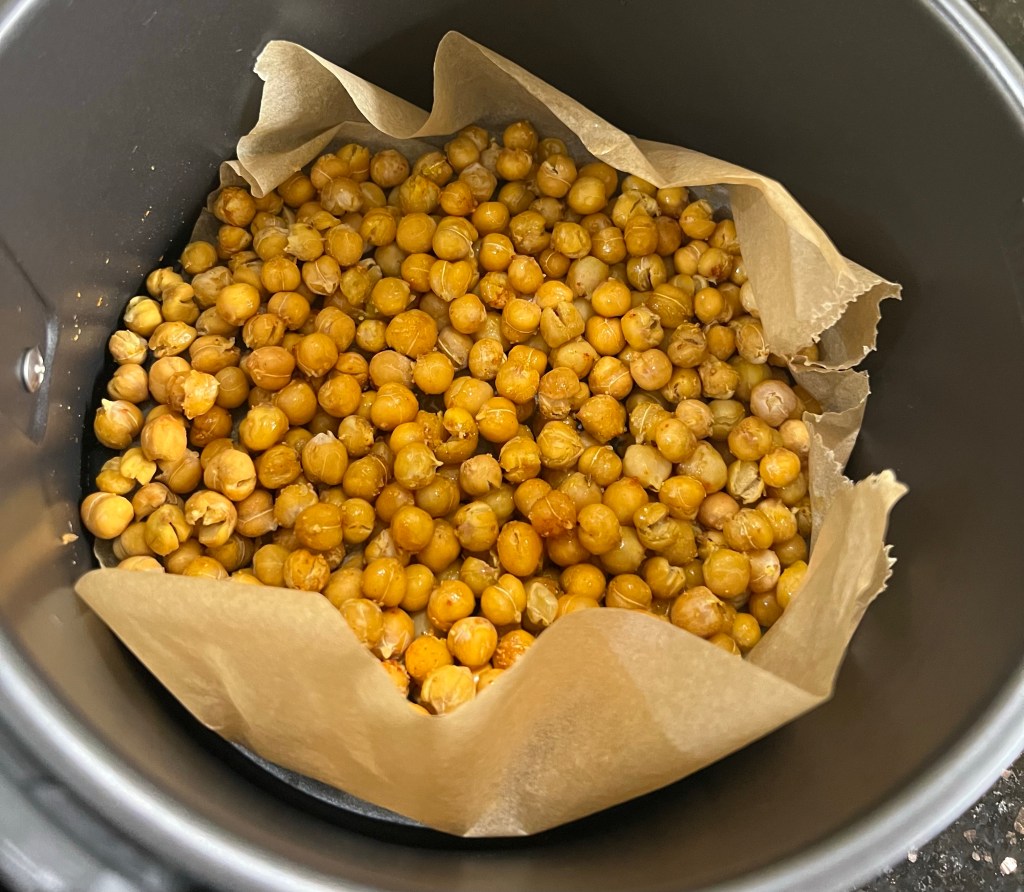
Roasted Spiced Chickpeas are so simple to make and full of taste. They make an excellent snack.

Chickpeas is superfood, as well as being an excellent source of plant-based protein and high in fiber. Chikpeas are filling and very beneficial for digestion and gut health.

A cooked cup of chickpeas contains 12.5 grams of fiber and 14.5 grams of protein. With only 268 calories.

Ingredients

Serves 1

1 Chickpea can, drained and rinsed.

1 tablespoon olive oil

1 teaspoon ground cumin

1 teaspoon turmeric powder

1 teaspoon chilli powder

1 teaspoon salt

1 teaspoon coriander powder

Method

Preheat the oven to 400°F (200°C).

Drain, rinse and dry the chickpeas.

More drier the chickpeas are the more crunchier they will become once cooked.

Spread the chickpeas out on a parchment paper-lined baking sheet.

Add olive oil, cumin, turmeric, chilli powder, coriander powder and salt to the chickpeas and toss well till coated evenly.

Roast the chickpeas for 20-25 minutes for oruntil browned.

Let then to cool for 5 minutes and serve.

Vitamin B12

Lets’s talk about Vitamin B12

What does the B12 vitamin do?

Vitamin B12 is a water-soluble vitamin, also known as cobalamin. t is needed to form red blood cells and DNA. It also is a key player in the function and development of brain and nerve cells. Vit B12 binds to the protein in the foods consumed. In the stomach, hydrochloric acid and enzymes unbind vitamin B12 into its free form.

Symptoms of vit B12 deficiency

👉 Pale yellow tinge to your skin.

👉 A sore and red tongue.

👉 Mouth ulcers.

👉 Pins and needles

👉 changes walking & moving

👉 Disturb vision.

👉 irritability & depression

👉 neurological symptoms

👉 Feeling very tired or weak.

👉Experiencing nausea & vomiting.

Following a vegan diet, can cause a higher chance of a vitamin B12 deficiency in people. Reliable vegan sources are foods that are fortified with B12

Here is a list of vegan sources that are high in vitamin B12.

👇🏻 👇🏻 👇🏻 👇🏻 👇🏻

  1. Nutritional Yeast
  2. Fortified Plant-Based Milk
  3. Fortified Breakfast Cereal
  4. White butyon mushrooms
  5. Fortified Rice
  6. Supplements
  7. Tempeh.
  8. Chlorella.
  9. Nori Seaweed.