Quick and Nutritious Gluten-Free Snacks for a Healthy Lifestyle

Maintaining a gluten-free diet doesn’t mean compromising on taste or sacrificing nutrition. In fact, there is an array of delicious and wholesome gluten-free snacks available that can satisfy your cravings while keeping you energised throughout the day. Whether you’re dealing with celiac disease, gluten sensitivity, or simply choosing a gluten-free lifestyle, these 21 quick and nutritious gluten-free snacks will become your go-to options for a healthy and happy you.

Fresh Fruit Salad

Start with the classic – a refreshing fruit salad made with your favourite seasonal fruits. Packed with vitamins, minerals, and natural sugars, this snack is both delicious and nourishing.

Veggie Sticks with Hummus

Chop up some crunchy veggies like carrots, cucumbers, and bell peppers, and pair them with a creamy gluten-free hummus for a satisfying snack that’s rich in fibre and protein.

Rice Cakes with Nut Butter

Spread some almond or peanut butter over gluten-free rice cakes for a delightful combination of protein and healthy fats that will keep you fuelled.

Greek Yogurt with Berries

Enjoy a bowl of creamy Greek yogurt topped with antioxidant-rich berries for a protein-packed and delightful gluten-free snack.

Popcorn

Opt for plain, air-popped popcorn seasoned with a sprinkle of your favourite herbs or nutritional yeast for a tasty gluten-free treat.

Rice Paper Rolls

Create delicious rice paper rolls with fresh veggies, shrimp, or tofu, and dip them in a gluten-free dipping sauce for a light and flavourful snack.

Trail Mix

Mix together your preferred nuts, seeds, and dried fruits for a customised gluten-free trail mix that’s perfect for on-the-go snacking.

Quinoa Salad

Whip up a quinoa salad with colourful vegetables, herbs, and a zesty dressing to enjoy a satisfying and gluten-free lunchtime snack.

Edamame

Boil a bowl of edamame and sprinkle some sea salt for a protein-rich and gluten-free snack that’s as tasty as it is nutritious.

Chia Seed Pudding

Make a delightful chia seed pudding by mixing chia seeds with almond milk and a touch of natural sweetener. Refrigerate it overnight and top it with fresh fruits before serving.

Rice Crackers with Guacamole

Dip gluten-free rice crackers into creamy guacamole for a delightful and satisfying combination of healthy fats and satisfying crunch.

Smoothie Bowl

Blend your favourite fruits, vegetables, and a splash of coconut milk for a vibrant and nutrient-packed smoothie bowl topped with gluten-free granola.

Roasted Chickpeas

Toss cooked chickpeas in olive oil and seasonings of your choice before roasting them in the oven for a crunchy and protein-rich gluten-free snack.

Rice Noodles with Peanut Sauce

Cook gluten-free rice noodles and toss them in a delectable peanut sauce for a mouthwatering and satisfying snack option.

Baked Sweet Potato Fries

Cut sweet potatoes into fries, drizzle with olive oil, and bake until crispy for a nutrient-dense and gluten-free alternative to traditional fries.

Cottage Cheese with Pineapple

Pair cottage cheese with fresh pineapple chunks for a protein-rich and tropical gluten-free snack.

Veggie Chips

Bake or air-fry thinly sliced vegetables like zucchini, kale, or beetroot for a crunchy and nutritious gluten-free snacking option.

Apple Slices with Cinnamon

Slice fresh apples and sprinkle them with a dash of cinnamon for a sweet and wholesome gluten-free snack.

Sliced Avocado with Lime

Enjoy the buttery goodness of avocado slices drizzled with lime juice for a simple yet satisfying gluten-free snack.

Seaweed Snacks

Indulge in crispy seaweed snacks that are low in calories and high in essential minerals and vitamins.

Dark Chocolate

End your day with a guilt-free treat of dark chocolate, ensuring it’s labeled gluten-free, for a delicious and antioxidant-rich snack.

With these 21 quick and nutritious gluten-free snacks, you’ll never have to compromise on taste or health while adhering to your gluten-free lifestyle. From fresh fruits and veggies to wholesome nuts and seeds, these delightful options will keep you nourished and satisfied throughout the day. Embrace the gluten-free journey and explore the endless possibilities of delicious snacking for a healthier and happier you!

The Bountiful Benefits: Healthiest Berries You Can Eat

Nature has bestowed upon us a treasure trove of delicious and nutrient-packed fruits, and among them, berries stand out as veritable superfoods. These tiny, colourful gems are not only a treat for the taste buds but also pack a powerful punch of health benefits. Bursting with vitamins, minerals, antioxidants, and fibre, berries have rightfully earned their reputation as some of the healthiest fruits on the planet. In this blog post, we’ll explore the healthiest berries you can eat and uncover the numerous reasons why you should incorporate them into your diet.

1. Blueberries: Antioxidant Powerhouses

Blueberries are often hailed as the “king of antioxidants” among berries. These small, round fruits are rich in vitamin C, vitamin K, and manganese. But what truly sets them apart is their sky-high anthocyanin content, the pigment responsible for their vibrant blue colour. Anthocyanin’s are potent antioxidants that neutralise harmful free radicals in the body, reducing oxidative stress and protecting against chronic diseases. Studies have shown that regular consumption of blueberries can improve cognitive function, aid in heart health, and even help manage blood sugar levels. Whether enjoyed fresh, frozen, or blended into smoothies, blueberries are a must-have addition to your diet.

2. Strawberries: Vitamin C Delight

Strawberries are not only pleasing to the eye and palate but also a rich source of essential nutrients. Just one cup of strawberries provides more than 100% of your daily recommended intake of vitamin C, which boosts the immune system, promotes skin health, and aids in collagen production. Moreover, strawberries are loaded with fibre, which aids in digestion and helps maintain a healthy weight. They also contain an array of antioxidants, including quercetin and elegiac acid, which contribute to their anti-inflammatory properties.

3. Raspberries: Fiber-Rich Wonder

Raspberries are exquisite little fruits that boast a high fibre content. Fibre is essential for digestive health, as it aids in regular bowel movements and can help prevent constipation. Additionally, raspberries contain several antioxidants, such as vitamin C and quercetin, which protect against cell damage and inflammation. Some studies suggest that raspberries may have a positive impact on heart health by reducing risk factors like high blood pressure and cholesterol levels. They are delicious on their own, sprinkled on oatmeal, or blended into a refreshing summer smoothie.

4. Blackberries: Anthocyanin-Rich Gems

Like their cousin, the blueberries, blackberries are also brimming with anthocyanin, contributing to their deep purple-black hue. These antioxidants offer numerous health benefits, including improved brain function and reduced risk of heart disease.

Blackberries are also an excellent source of vitamins C and K, as well as manganese. The combination of antioxidants and nutrients makes blackberries a valuable addition to any well-balanced diet.

5. Goji Berries: Superfood from the East

Hailing from Asia, goji berries have earned a reputation as a “superfood” due to their nutrient density and potential health benefits. These small, red berries are loaded with vitamins A and C, which are crucial for maintaining healthy skin, vision, and a robust immune system.

Goji berries are also rich in antioxidants like zeaxanthin and lycopene, which contribute to eye health and protect against cellular damage. They can be eaten on their own, sprinkled over salads, or blended into smoothies to harness their health-boosting potential.

When it comes to nutritious and delicious fruits, berries truly reign supreme. Incorporating these health-packed gems into your diet can have a profound impact on your overall well-being. From blueberries and strawberries to raspberries, blackberries, and goji berries, each one brings a unique set of benefits to the table. So, the next time you’re looking for a snack or a way to sweeten your meal naturally, reach for these delightful berries and let their natural goodness nourish your body and mind. Your taste buds and health will thank you!

Ghee/ healthier then butty?

In recent years, there has been a growing interest in ghee as a potential alternative to butter. Originating in ancient India, ghee has gained popularity in various cuisines around the world. With its rich aroma and distinct flavour, ghee has become a staple ingredient in many households. But how does it compare to butter in terms of health benefits? In this article, we will explore the nutritional profile of ghee and butter to determine if ghee can be considered a healthier option.

Understanding Ghee and Butter
Ghee and butter both originate from milk, but they undergo different preparation processes. Butter is made by churning cream or milk until the fat separates from the liquid, resulting in a semi-solid product. Ghee, on the other hand, is clarified butter. It involves simmering butter until the water content evaporates, leaving behind only the pure butterfat.

Nutritional Comparison

When it comes to comparing the nutritional content of ghee and butter, it’s important to note that they are both high in saturated fat. However, ghee has some distinct advantages:

  1. Lactose and Casein-Free: During the clarification process, the milk solids and water in butter are removed, which means that ghee is virtually lactose and casein-free. This makes it a suitable option for individuals with lactose intolerance or dairy allergies.
  2. Rich in Fat-Soluble Vitamins: Ghee contains significant amounts of fat-soluble vitamins such as vitamins A, D, E, and K. These vitamins play essential roles in various bodily functions, including vision, bone health, and immune system support.
  3. Higher Smoke Point: Ghee has a higher smoke point compared to butter, which means it can be heated to higher temperatures without breaking down and producing harmful compounds. This makes ghee more suitable for cooking methods that require high heat, such as frying and sautéing.
  4. Rich in Conjugated Linoleum Acid (CLA): Ghee contains higher levels of conjugated linoleum acid (CLA) compared to butter. CLA is a type of fatty acid that has been associated with potential health benefits, including anti-inflammatory and anti-cancer properties.

On the other hand, butter has a slightly different nutritional profile:

  1. Rich in Omega-3 Fatty Acids: Butter sourced from grass-fed cows is a good source of omega-3 fatty acids, which are beneficial for heart health and brain function.
  2. Contains Butyrate: Butter contains butyrate, a short-chain fatty acid that has been linked to improved gut health and reduced inflammation.

Moderation and Individual Needs
While ghee offers certain advantages over butter, it’s important to remember that both ghee and butter are calorie-dense and high in saturated fat. Therefore, moderation is key when consuming these fats. It’s recommended to limit overall saturated fat intake to maintain a healthy diet and reduce the risk of cardiovascular diseases.
It’s also important to consider individual dietary needs and preferences. For individuals who are lactose intolerant or have dairy allergies, ghee may be a suitable alternative. However, those seeking a source of omega-3 fatty acids or butyrate may prefer grass-fed butter.

Ghee and butter each have their own unique qualities and nutritional profiles. While ghee is lactose and casein-free, rich in fat-soluble vitamins, and has a higher smoke point, butter provides omega-3 fatty acids and butyrate. Both options should be consumed in moderation due to their high saturated fat content.
Ultimately, the choice between ghee and butter comes down to personal preference and dietary needs. It’s always advisable to consult with a healthcare professional or registered dietitian to determine the best option for your individual circumstances.

Patra Pinwheels

Alu Wadi also known as Patra in Gujarati, are a traditional Maharashtrian-Gujarati appetizer and can be enjoyed at any time of the day. A tasty delicacy that is made with gram flour, ginger-chilli paste and a selection of spices. Easy to make, that can be served in under an hour.

Ingredients

6 washed and dried Colocasia Leaves

For the Paste

1 tsp Turmeric powder            

1 tbs Jaggery                                  

1 tsp Coriander Powder      

1/2 tsp Red Chilli powder

1/2 tsp Asafoetida

2 cups Gram flour

2 tsp finely chopped ginger

2 tbs yoghurt

1/2 cup Tamarind Water

1 tbs Oil

Salt

For the Seasoning 

1 tsp Cumin seeds

1 tsp Mustard seeds

1 tbs oil

1/4 tsp Asafoetida

2 tsp Sesame seeds

3 Curry leaves

2 tbs grated coconut.

Method

To make the patra paste, place all the ingredients that I have listed for the paste in the ingredients section into a large mixing bowl, to that add a little bit little water to help make a thick paste in a bowl. 

After adding the water, mix everything together properly till it turns into a paste.

Take the 6 large colocasia leaves, wash them and dry them with kitchen roll. Then gently remove the thick veins of the leaves with a knife.

Now smear the besan paste evenly on the Colocasia leaf and a little bit of the besan mixture on another leaf, place it on the first leaf with the tip pointing in the opposite direction.

Keep doing this until there is 4 layers with 4 leaves, then fold the left and right-side inwards and keep smearing the besan paste while rolling to make a log.

Now Preheat the steamer, grease the steamer plates with oil and place the patra log in the steamer and cover it.

Steam for about 10 minutes, then remove it from the steamer and allow it to cool down for around 10 mins.

Once it has cooled down, cut the log into slim pinwheels.

How to make the seasoning.

Heat oil In a large wok on a medium heat, then add in the mustard seeds, cumin seeds, sesame seeds and let them crackle.

Once crackled, add in the asafoetida and curry leaves. Cook for about 30 seconds, then add in the patra pinwheels, let them cook on a low heat till they turn golden in colour.

Then take them of the heat and place them onto a platter and garnish with grated coconut and fresh and serve.

One Pot Red Lentil Pasta

One Pot Red Lentil Pasta

This is my go to recipe on a busy day, it only takes 5-10mins to make and is a nutritionally balanced meal.

Lentil pasta is an excellent alternative as it’s high in fiber and protein. Lentils are aslo loaded with folate, iron, phosphorus and potassium. Lentil pasta is rich in fiber. Fiber intake helps reduce the risk of developing heart disease, diabetes and stroke.

Ingredients

1 can of tomato tin

1 small bowl of pasta

I small bowl of diced onion

5 cloves of minced garlic

1 tsp thyme

1 tsp oregano

500 ml veg broth

Salt and pepper to tatse

Fresh Basil

Chesse (optional)

In a large pan add in the red lentil pasta, tin tomato, diced onion and minced garlic, spices and the veg broth. Mix together, then add in salt and pepper.

Let it simmer on a slow gas till most of the liquid is absorbed.

Then add in fresh basil and mix well. After a few minutes turn of the heat.

Place is a serving bowl, add more fresh basil, chesse and enjoy.

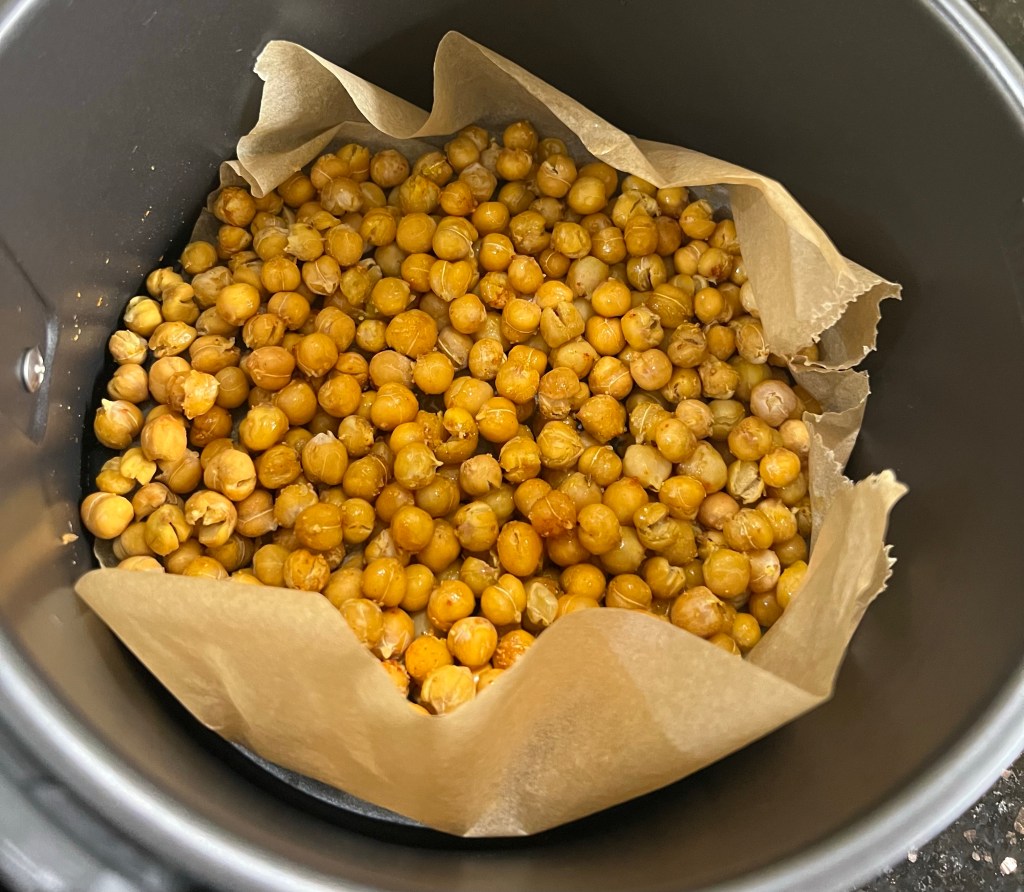
Spicy Roasted Chickpeas

Roasted Spiced Chickpeas are so simple to make and full of taste. They make an excellent snack.

Chickpeas is superfood, as well as being an excellent source of plant-based protein and high in fiber. Chikpeas are filling and very beneficial for digestion and gut health.

A cooked cup of chickpeas contains 12.5 grams of fiber and 14.5 grams of protein. With only 268 calories.

Ingredients

Serves 1

1 Chickpea can, drained and rinsed.

1 tablespoon olive oil

1 teaspoon ground cumin

1 teaspoon turmeric powder

1 teaspoon chilli powder

1 teaspoon salt

1 teaspoon coriander powder

Method

Preheat the oven to 400°F (200°C).

Drain, rinse and dry the chickpeas.

More drier the chickpeas are the more crunchier they will become once cooked.

Spread the chickpeas out on a parchment paper-lined baking sheet.

Add olive oil, cumin, turmeric, chilli powder, coriander powder and salt to the chickpeas and toss well till coated evenly.

Roast the chickpeas for 20-25 minutes for oruntil browned.

Let then to cool for 5 minutes and serve.

Carrot Fries

👉 A Powerful Antioxidants.

👉 This powerful & nutritious root vegetable is rich in antioxidants including lycopene, vitamin C, Zeaxanthin, and lutein.

👉 help fight inflammation, viruses, harmful bacteria, free radical damage, and various diseases.

Ingredients

4 large carrots

3 tbsp olive oil

For seasoning

Salt and pepper to taste

2 tsp paprika powder

1 tsp chilli powder

2 tsp oregano

2 tsp basil

Method

Preheat the oven to 350F/180C

Start with peeling and cutting the carrots lengthwise & then half agin.

Place the carrots in a bowl and add in the olive oil and spices and herbs. Mix well till the carrots are well covered.

Spread the carrots evenly on a lined baking sheet.

Bake the carrot fries in the oven for 20-30mins or till crispy and serve.

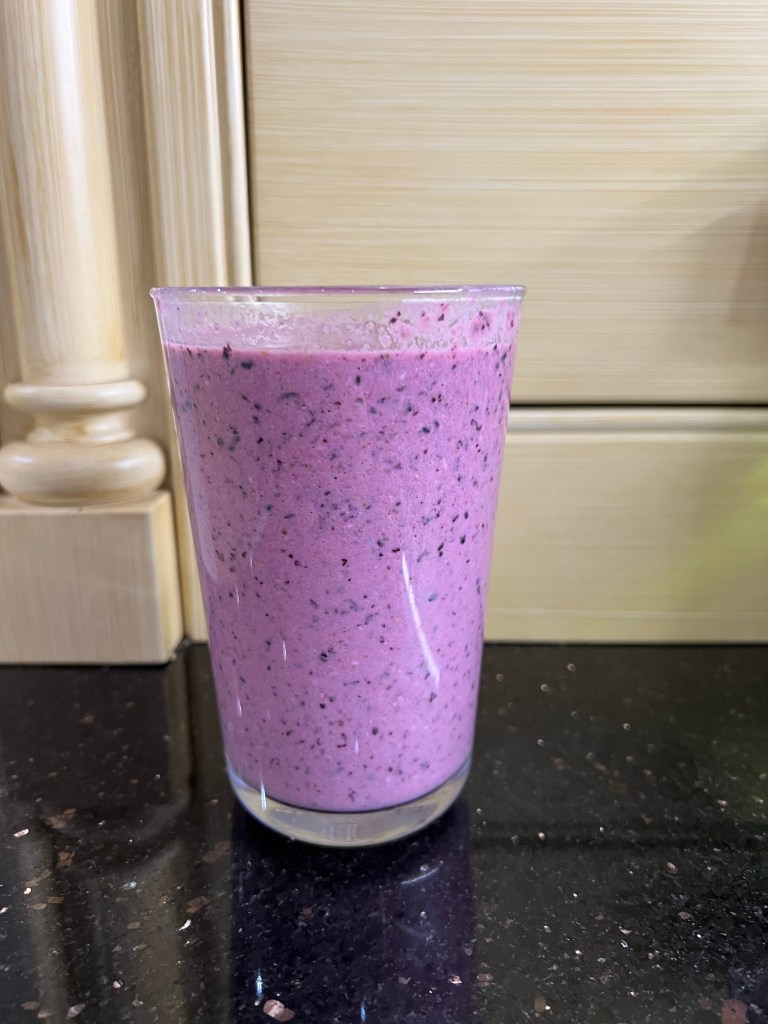
Blueberry & Oat Breakfast smoothie

This is a delicious low fat high protein smoothie, making it an ideal healthy breakfast idea. It is so simple to make and filling to keep you going till lunch time.

Ingredients

100g blueberries

40g oats

1 tbsp chia seeds

200ml plant base milk

100g yogurt

Method

Start with placing all the ingredients into a blender.

Now blitz till smooth, pour the smoothie into a glass and enjoy.

Yoghurt Bark

Frozen yogurt bark with fruit toppings is the perfect healthy protien snack. This recipe is so simple to make.

Ingredients

500g greek yogurt

3 tbsp honey

5 fresh blueberries

5 fresh strawberries

5 fresh Raspberries

Method

Start by mixing the yogurt and honey together.

Now line the baking tray with foil and pour in the yogurt mixture. Spread the mixture, depending on how thick or thin you want the bark to be.

Now sprinkle the strawberries, raspberries and blueberries in the mixture and place the freezer for 3 hours or till completely frozen.

Now remove from the fridge and break the bark into pieces.

Store the bark in the freezer.

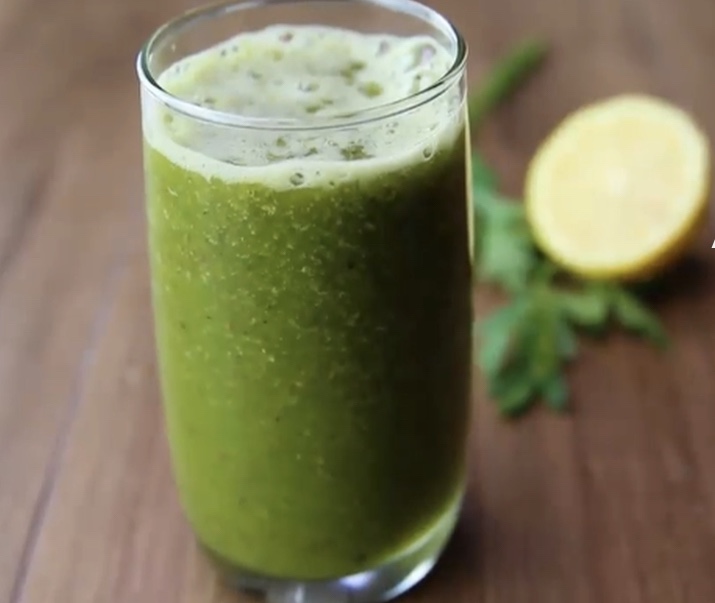
Healthy Green Juice

Ingredients

Half cup orange juice

Half lemon juiced

Half cup celery juice

Half lime juiced

Handful of spinich

2 chopped kiwis

1 tsp ground ginger

1 tsp chia seeds

Pinch of salt

1 tsp honey

Method

Place all the juiced and chopped up ingredients into a blender and blitz till it’s turnd into liquid.

Pour into a glass and serve.