Top 10 Nutrient-Dense Vegan Foods

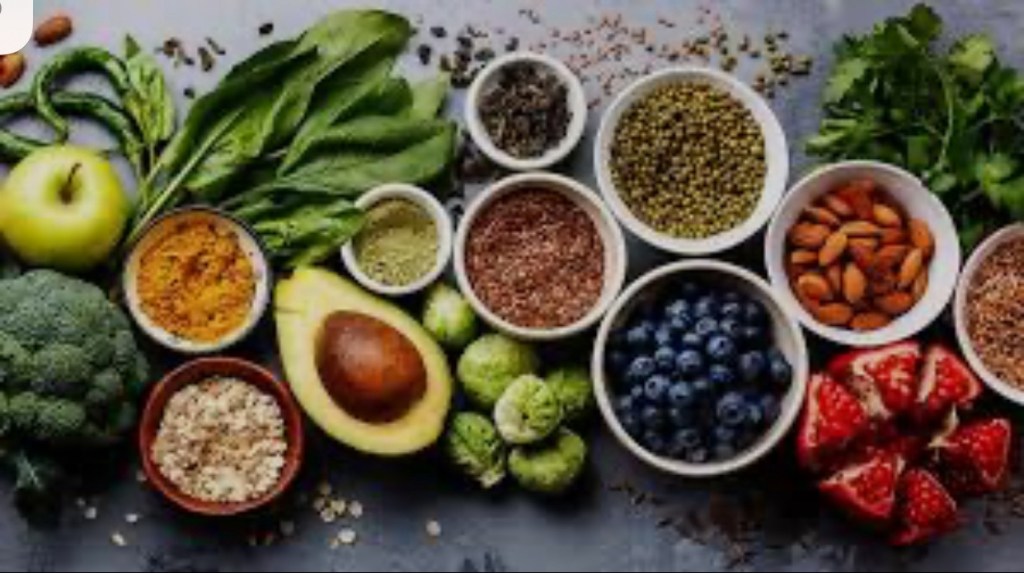
in a world where health and wellness are more important than ever people are turning to plant-based diets for their myriad benefits. But with all the options out there, how do you know which vegan foods are the most nutrient-dense? We’ve got you covered! This blog is your ultimate guide to the most powerful plant-based foods that pack a nutritional punch.

1. Kale: The King of Greens

Kale has earned its crown as one of the most nutrient-dense foods on the planet. Rich in vitamins A, C, and K, kale is a powerhouse of antioxidants and anti-inflammatory compounds. Just one cup provides more than your daily requirement of vitamin K, which is crucial for bone health and blood clotting. Whether you blend it into a smoothie, toss it in a salad, or bake it into crispy chips, kale is a must-have in your diet.

2. Chia Seeds: Tiny but Mighty

Don’t be fooled by their size—chia seeds are a nutritional powerhouse. These tiny seeds are loaded with fibre, omega-3 fatty acids, protein, and essential minerals like calcium and magnesium. Just two tablespoons of chia seeds contain about 10 grams of fibre, making them a terrific addition to smoothies, oatmeal, or even as a vegan egg substitute in baking.

3. Sweet Potatoes: Nature’s Candy

Sweet potatoes are not only delicious but also incredibly nutritious. They are packed with beta-carotene, which your body converts into vitamin A, vital for maintaining healthy vision and a strong immune system. They also provide a good amount of fibre, vitamin C, and potassium. Roast them, mash them, or turn them into fries—sweet potatoes are a versatile and nutrient-rich addition to any meal.

4. Quinoa: The Complete Protein Grain

Quinoa is one of the few plant-based foods that provide all nine essential amino acids, making it a complete protein. This gluten-free grain is also high in fibre, iron, magnesium, and B-vitamins. Quinoa’s nutty flavour and fluffy texture make it a great base for salads, bowls, and even breakfast porridge.

5. Spinach: The Iron-Clad Leafy Green

Spinach is a leafy green that’s packed with iron, especially important for those on a plant-based diet. It’s also high in vitamins A and C, calcium, and folate, making it a nutrient-dense addition to any meal. Enjoy it raw in salads, sautéed as a side dish, or blended into smoothies for an extra nutrient boost.

6. Lentils: The Protein-Packed Legume

Lentils are an excellent source of plant-based protein, fibre, and essential nutrients like folate, iron, and manganese. They’re also incredibly versatile and can be used in soups, stews, salads, or even as a meat substitute in burgers. Lentils are particularly beneficial for heart health, as they help lower cholesterol and stabilize blood sugar levels.

7. Broccoli: The Detox Dynamo

Broccoli is another cruciferous vegetable that’s incredibly nutrient-dense. It’s high in vitamins C and K, fibre, and potassium, and it also contains sulforaphane, a compound that may help with detoxification and cancer prevention. Whether steamed, roasted, or raw, broccoli is a vegetable that should be on your plate.

8. Flaxseeds: The Omega-3 Booster

Flaxseeds are one of the best plant-based sources of alpha-linolenic acid (ALA), a type of omega-3 fatty acid that supports heart health. They are also high in lignans, which have antioxidant properties, and fibre. Ground flaxseeds can be added to smoothies, oatmeal, or used as an egg replacement in baking.

9. Avocado: The Creamy Nutrient Bomb

Avocados are rich in healthy monounsaturated fats, which are great for your heart. They’re also loaded with fibre, potassium, and vitamins C, E, K, and B-6. The creamy texture of avocados makes them perfect for spreading on toast, adding to salads, or blending into smoothies.

10. Seaweed: The Ocean’s Superfood

Seaweed is a nutrient-dense food that’s rich in iodine, which is essential for thyroid function. It’s also high in calcium, magnesium, and vitamins, including A, C, E, and K. Seaweed can be eaten as snacks, used in soups, or added to salads and sushi for a mineral boost.

How to Incorporate These Nutrient-Dense Foods into Your Diet

Now that you know which vegan foods are the most nutrient-dense, it’s time to start incorporating them into your daily meals. Here are simple tips:

  • Start your day with a green smoothie: Blend kale or spinach with fruits, chia seeds, and flaxseeds for a nutrient-packed breakfast.
  • Make nutrient-dense bowls: Combine quinoa or lentils with roasted sweet potatoes, broccoli, and avocado for a hearty, healthy meal.
  • Snack smart: Munch on seaweed snacks or add a sprinkle of chia or flaxseeds to your yogurt or oatmeal.
  • Power up your salads: Add a mix of leafy greens, avocado, and a sprinkle of nuts or seeds for a filling and nutritious salad.

Final Thoughts

Eating a nutrient-dense vegan diet is easier than you might think. By incorporating these superfoods into your meals, you’ll be fuelling your body with the vitamins, minerals, and antioxidants it needs to thrive. Whether you’re a seasoned vegan or just starting your plant-based journey, these foods are sure to elevate your health and wellbeing.

So, what are you waiting for? Start adding these nutrient-dense powerhouses to your plate today and feel the difference!

Join the conversation: What is your favourite nutrient-dense vegan foods? Share your thoughts and recipes in the comments below!

Understanding Your Protein Needs

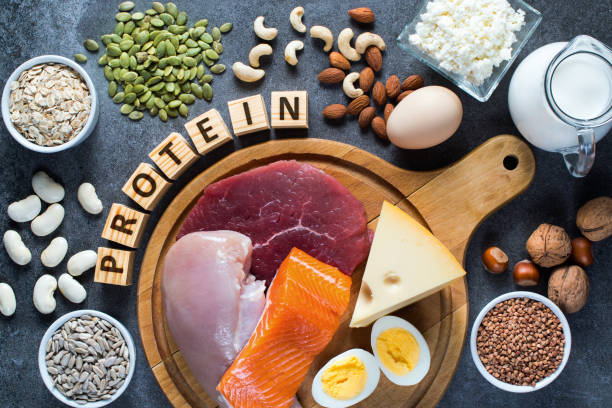
High protein food as meat, fish, dairy, eggs, buckwheat, oatmeal, nuts, bean, pumpkin seed and sunflower seed. Top view

n the realm of nutrition, protein stands out as an indispensable nutrient vital for survival. Comprising amino acids, the fundamental units that assemble proteins, it’s crucial to prioritise high-quality sources rich in essential amino acids to meet our body’s protein demands.

Protein plays a pivotal role in cellular processes throughout the body, serving as enzymes, energy sources, and facilitating muscle tissue repair post-exertion. But how much protein do we truly require?

Determining protein needs hinges on various factors, including life stage. For children, adolescents, and adults, maintaining protein balance is key, ensuring sufficient intake to replenish stores lost through metabolic processes or utilised for energy.

So, what’s the daily protein requirement?

The recommended daily allowance is approximately 0.8g per kg of body weight for adults, translating to about 46g for a 57kg woman and 56g for a 70kg man. While exceeding these targets isn’t necessarily harmful, it’s prudent to avoid surpassing 200g daily.

But what if exercise is part of the equation?

Endurance exercise or weight training elevates protein needs due to increased muscle stress and the subsequent need for repair. Recommendations from bodies like the Sports Nutrition Consensus Statement and the American College of Sports Medicine suggest a range of 1.2-1.7g per kg of body weight for athletes.

Now, where should we source our protein?

The protein quality of foods depends on their essential amino acid content and digestibility. Optimal sources encompass lean meats like chicken and turkey, eggs, nuts, soybeans, fish, and legumes.

For vegetarians and vegans, selecting high-quality meat-free alternatives such as tofu, tempeh, and Quorn is crucial. Additionally, combining complementary non-complete protein sources like grains and legumes ensures a complete amino acid profile, supporting adequate protein intake.

Ultimately, understanding your protein needs and selecting appropriate sources ensures optimal health and performance.

How to make your diet healthier

Maintaining a healthy diet is essential for overall well-being and vitality. However, the abundance of information on nutrition can be overwhelming. The good news is that adopting a healthier diet doesn’t have to be complicated. By making small, sustainable changes to your eating habits, you can significantly improve your overall health. Here are 25 ways to make your diet healthier.

  • Hydrate with Water:
  • Start your day by drinking a glass of water and aim to stay hydrated throughout the day. Water helps with digestion, nutrient absorption, and overall bodily functions.
  • Eat Colourful Fruits and Vegetables:
  • Include a variety of colourful fruits and vegetables in your meals. Different colours often indicate different nutrients, so a diverse palette ensures a range of health benefits.
  • Choose Whole Grains:
  • Opt for whole grains such as brown rice, quinoa, and whole wheat over refined grains. Whole grains are rich in fibre and nutrients, promoting better digestion.
  • Watch Portion Sizes:
  • Be mindful of portion sizes to avoid overeating. Using smaller plates can help trick your mind into feeling satisfied with smaller portions.
  • Prioritise Lean Proteins:
  • Include lean protein sources like poultry, fish, tofu, and legumes in your diet. Protein is essential for muscle health and overall body function.
  • Limit Processed Foods:
  • Cut down on processed foods high in added sugars, salt, and unhealthy fats. Opt for whole, natural foods whenever possible.
  • Cook at Home:
  • Prepare meals at home to have better control over ingredients and cooking methods. This also allows you to experiment with healthier recipes.
  • Snack Smart:
  • Choose nutritious snacks like fresh fruits, nuts, or yogurt instead of reaching for processed snacks. Healthy snacking can help maintain energy levels throughout the day.
  • Limit Added Sugars:
  • Read food labels to identify and reduce added sugars in your diet. Sugary beverages and sweets should be consumed in moderation.
  • Include Healthy Fats:
  • Incorporate sources of healthy fats, such as avocados, nuts, and olive oil. These fats are crucial for brain health and overall well-being.
  • Mindful Eating:
  • Practice mindful eating by savouring each bite and paying attention to hunger and fullness cues. This helps prevent overeating.
  • Experiment with Herbs and Spices:
  • Enhance the flavour of your dishes with herbs and spices instead of relying on salt. This adds variety and can have potential health benefits.
  • Limit Liquid Calories:
  • Be mindful of liquid calories from sugary drinks. Opt for water, herbal teas, or infused water to stay hydrated without unnecessary added sugars.
  • Eat Regularly:
  • Establish regular eating patterns to avoid excessive hunger, which can lead to poor food choices. Aim for balanced meals and snacks throughout the day.
  • Include Dairy or Dairy Alternatives:
  • Incorporate dairy or fortified dairy alternatives for a good source of calcium and vitamin D, crucial for bone health.
  • Read Food Labels:
  • Familiarise yourself with food labels to make informed choices. Look for products with simple, recognisable ingredients.
  • Plan Meals Ahead:
  • Plan your meals ahead of time to avoid last-minute unhealthy choices. This can also save time and make grocery shopping more efficient.
  • Limit Red and Processed Meats:
  • Reduce your intake of red and processed meats, as they have been associated with certain health risks. Opt for leaner protein sources.
  • Enjoy Treats in Moderation:
  • It’s okay to indulge in treats occasionally. The key is moderation – savour and enjoy special treats without overdoing it.
  • Faber-Rich Foods:
  • Increase your fibre intake with foods like whole grains, fruits, vegetables, and legumes. Fibre aids digestion and helps you feel full longer.
  • Be Cautious with Restaurant Portions:
  • When dining out, be aware of large portion sizes. Consider sharing dishes or packing half of your meal for later.
  • Stay Consistent:
  • Consistency is key to developing healthy eating habits. Small, sustainable changes over time are more likely to lead to lasting results.
  • Stay Physically Active:
  • Regular physical activity complements a healthy diet. Aim for a combination of cardiovascular exercise, strength training, and flexibility exercises.
  • Stay Informed:
  • Stay informed about nutrition trends and updates. The field of nutrition is continually evolving, and staying informed empowers you to make better choices.
  • Consult a Professional:
  • If you have specific dietary concerns or health conditions, consult a registered dietitian or healthcare professional. They can provide personalised guidance based on your needs.

Adopting a healthier diet doesn’t have to be a drastic overhaul of your eating habits. By incorporating these simple tips into your daily routine, you can make gradual, positive changes that contribute to improved overall health and well-being. Remember, small steps

Different Ways to Eat Chia Seeds

Different Ways to Eat Chia Seeds

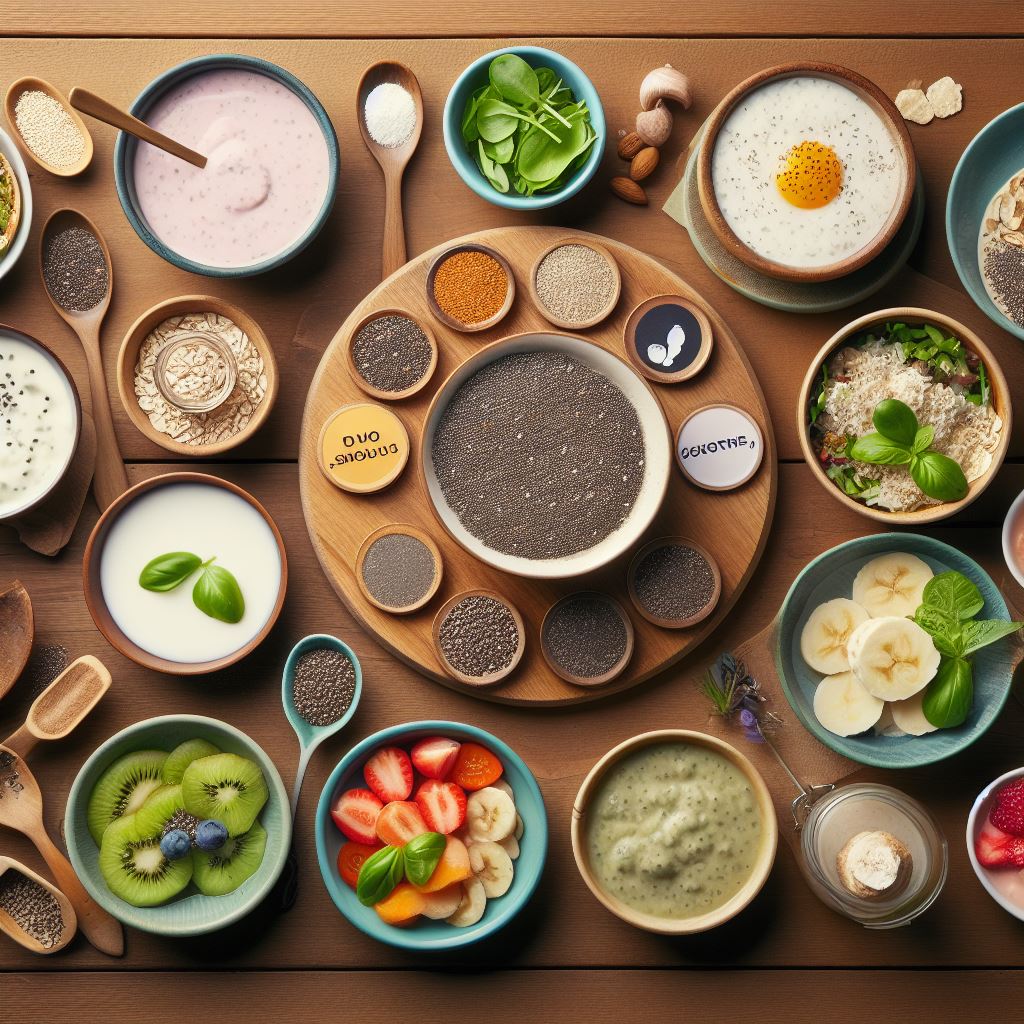
Chia seeds, derived from the plant Salvia hispanica, have gained immense popularity in recent years due to their impressive nutritional profile. Packed with fibre, protein, healthy fats, and various micronutrients, these tiny seeds are a powerhouse of energy. Not only are they good for you, but they can also add an interesting texture and flavour to your meals. If you’re wondering how to incorporate chia seeds into your diet in a fun and delicious way, look no further. Here are 10 creative and enjoyable ways to eat chia seeds:

1.Chia Seed Pudding:

One of the most popular ways to enjoy chia seeds is by making a chia seed pudding. Simply mix chia seeds with your favourite milk (almond, coconut, or regular dairy) and let them soak overnight. In the morning, you’ll have a delightful pudding-like texture. Add fruits, nuts, and a drizzle of honey for a tasty breakfast or snack.

2. Chia Seed Smoothies:

Boost the nutritional content of your smoothies by adding a spoonful of chia seeds. They not only provide a delightful crunch but also thicken the smoothie, making it more filling and satisfying. Combine them with your favourite fruits, yogurt, and a handful of spinach for a refreshing drink.

3. Chia Seed Jam:

Make a healthier version of jam by mixing chia seeds with mashed berries and a touch of sweetener. Let the mixture sit for a few hours, and you’ll have a delicious, homemade jam perfect for spreading on toast or mixing into yogurt.

4. Chia Seed Oatmeal:

Upgrade your morning oatmeal by sprinkling chia seeds on top. They add a nutty flavour and a chewy texture, making your breakfast not only healthier but also more interesting.

5. Chia Seed Energy Bars:

Create your own energy bars at home by combining chia seeds with nuts, dried fruits, honey, and oats. Press the mixture into a pan, refrigerate until firm, and then cut into bars. These homemade energy bars are perfect for a quick, nutritious snack on the go.

6. Chia Seed Salad Dressing:

Blend chia seeds with olive oil, lemon juice, garlic, and your favourite herbs to create a healthy and flavourful salad dressing. The chia seeds help thicken the dressing while adding a boost of nutrition to your salads.

7. Chia Seed Crackers:

Mix chia seeds with water, spices, and whole wheat flour to create a dough. Roll it out thinly, cut into small squares, and bake until crispy. These homemade chia seed crackers are great for dipping into hummus, guacamole, or salsa.

8. Chia Seed Muffins:

Add chia seeds to your favourite muffin recipe for an extra crunch and a nutritional boost. Whether it’s blueberry, banana, or chocolate chip muffins, chia seeds can easily be incorporated into the batter.

9. Chia Seed Yogurt Parfait:

Layer chia seed pudding with yogurt and fresh fruits to create a delightful parfait. The combination of creamy yogurt, chewy chia seeds, and sweet fruits makes for a satisfying and visually appealing dessert.

10. Chia Seed Ice Cream:

Blend frozen bananas with a splash of milk and chia seeds to create a creamy and healthy ice cream alternative. The chia seeds add a fun texture to the ice cream, making it a hit with both kids and adults.

Incorporating chia seeds into your diet can be both nutritious and enjoyable. These versatile seeds can be used in various recipes, adding a nutritional punch and an interesting texture to your meals and snacks. So, go ahead and experiment with these fun ways to eat chia seeds, and enjoy the health benefits along with the delicious flavours!

Unlocking the Secret to Effective Fat Burning: How to Increase Thermogenesis.

Thermogenesis

In the pursuit of a healthier lifestyle and a fitter body, understanding the science behind weight loss is crucial. One of the key concepts in this realm is thermogenesis, the process by which your body generates heat and energy from digesting food. By increasing thermogenesis, you can enhance your body’s ability to burn fat more efficiently. In this blog, we will explore the science behind thermogenesis and provide you with practical tips on how to increase it, thereby maximising your fat-burning potential.

Understanding Thermogenesis

Thermogenesis is the body’s natural way of producing heat. There are three primary types of thermogenesis:

Basal Metabolic Rate (BMR): The energy your body needs to maintain basic physiological functions while at rest.

Exercise-Induced Thermogenesis: The energy expenditure during physical activity.

Diet-Induced Thermogenesis (DIT): The energy used in the digestion, absorption, and processing of ingested food.

Among these, DIT is the aspect we can manipulate to increase thermogenesis and promote fat loss.

How to Increase Thermogenesis

Incorporate Metabolism-Boosting Foods:

Certain foods can rev up your metabolism and increase thermogenesis. These include spicy foods like chilli peppers, which contain capsaicin, a compound known for its thermogenic properties. Green tea and coffee also contain catching and caffeine, respectively, both of which can enhance thermogenesis.

Prioritise Protein Intake:

Protein-rich foods require more energy to digest compared to fats and carbohydrates. By increasing your protein intake, you can boost thermogenesis and promote muscle growth, which further enhances your metabolism.

Engage in Regular Exercise:

Physical activity not only burns calories during the workout but also increases your metabolism for hours afterward. Combining aerobic exercises with resistance training is particularly effective in promoting thermogenesis.

Stay Hydrated:

Drinking water is essential for many bodily functions, including metabolism. Cold water, in particular, can stimulate thermogenesis as your body works to warm the water to body temperature.

Get Sufficient Sleep:

Quality sleep is crucial for overall health, including metabolism regulation. Lack of sleep can disrupt hormones related to hunger and satiety, leading to poor food choices and reduced thermogenesis.

Manage Stress:

Chronic stress can lead to hormonal imbalances that slow down your metabolism. Incorporate stress-reducing practices such as meditation, yoga, or hobbies to keep stress levels in check.

Consider Thermogenic Supplements:

Some natural supplements, like green tea extract, caffeine, and capsaicin supplements, can aid in increasing thermogenesis. However, it’s essential to consult a healthcare professional before incorporating any supplements into your routine.

Increasing thermogenesis is a holistic process that involves a combination of dietary choices, regular exercise, and lifestyle habits. By incorporating metabolism-boosting foods, prioritising protein intake, staying hydrated, getting sufficient sleep, managing stress, and, if necessary, considering natural supplements, you can enhance your body’s ability to burn fat effectively. Remember, consistency and patience are key when it comes to achieving sustainable and healthy weight loss goals. Start implementing these strategies today, and watch your body transform as you harness the power of thermogenesis to achieve your fitness aspirations.

How to Beat Post-Work Tiredness with Nutrition: Your Guide to Lasting Energy

In today’s fast-paced world, the demands of work often leave us feeling drained and exhausted by the end of the day. Post-work tiredness is a common issue faced by many, but the good news is that there are natural ways to combat this fatigue and boost your energy levels. One of the most effective methods is through proper nutrition. In this blog post, we will explore how you can beat post-work tiredness with the right food choices, ensuring you have the energy to enjoy your evenings and live your best life.

 Stay Hydrated

First and foremost, it’s essential to stay hydrated throughout the day. Dehydration can cause fatigue and make you feel more tired than you actually are. Make sure to drink plenty of water, and consider incorporating hydrating foods like cucumbers, watermelon, and oranges into your diet.

Fuel Your Body with Complex Carbohydrates

Complex carbohydrates, found in foods like whole grains, brown rice, and sweet potatoes, are excellent sources of sustained energy. Unlike simple carbohydrates (sugars) which cause energy spikes and crashes, complex carbs provide a steady release of energy, keeping you energised throughout the evening. They also contain fibre, aiding in digestion and preventing energy dips.

Include Protein in Your Meals

Protein is essential for repairing and building tissues, including muscles. Incorporate lean protein sources such as chicken, fish, tofu, and beans into your dinner. Protein-rich foods help stabilise your blood sugar levels, preventing energy crashes and keeping you feeling fuller for longer.

Embrace Healthy Fats

Healthy fats, like those found in avocados, nuts, and olive oil, are crucial for brain health and provide a long-lasting source of energy. They also help in absorbing essential nutrients from other foods. Including these fats in your evening meal can enhance your overall energy levels and improve your mood.

Don’t Skip Vegetables

Vegetables are powerhouses of vitamins, minerals, and antioxidants, all of which contribute to your overall well-being and energy levels. Aim to fill half your plate with colourful vegetables. These nutrients help your body function efficiently, keeping fatigue at bay.

Moderate Caffeine Intake

While caffeine can provide a temporary energy boost, excessive consumption, especially in the evening, can disrupt your sleep patterns. Opt for herbal teas like chamomile or peppermint, which not only hydrate you but also promote relaxation, ensuring you get a good night’s rest.

Mindful Eating

Practicing mindful eating can make a significant difference in your energy levels. Slow down, savour your food, and pay attention to your body’s signals of hunger and fullness. Chewing your food thoroughly aids digestion and allows your body to extract maximum energy from the nutrients you consume.

Beating post-work tiredness with nutrition is not just about what you eat; it’s also about how you eat. By making conscious choices about the foods you consume and adopting mindful eating habits, you can sustain your energy levels throughout the evening. Remember, every person is different, so it’s essential to pay attention to how your body responds to different foods and adjust your diet accordingly. With the right nutrition and a mindful approach to eating, you can say goodbye to post-work tiredness and embrace a more energised and vibrant life.

Simple Steps to Kickstart Your Healthier Eating Journey

Embarking on a journey towards healthier eating may initially feel overwhelming, especially with the sea of confusing advice and intricate kale smoothie recipes out there. However, fear not, because adopting a healthier diet doesn’t have to be complicated; it can be both delicious and straightforward. Let’s delve into some uncomplicated steps to initiate your journey toward healthier eating within a week.

1. Embrace Fibre and Whole Foods

Adults require approximately 30g of fibre daily, yet the average intake hovers around 19g—a gap that many of us can work on closing. fibber, found in fruits, vegetables, grains, and legumes, is crucial for digestive health. It aids in maintaining smooth digestion, preventing constipation, and even reducing the risk of chronic diseases such as bowel cancer, heart disease, stroke, and type 2 diabetes.

Tips for increasing your fibber intake:

• Opt for wholegrain foods like brown bread and porridge over processed cereals.

• Snack on vegetables and fruits.

• Include beans, lentils, and nuts in your meals and snacks.

2. Aim for At Least 5 Servings of Fruits and Vegetables Daily

Variety is key when it comes to fruits and vegetables. They not only provide essential vitamins and minerals but also contribute to your daily fibre intake. Your diet should ideally consist of a third of fruits and vegetables, so strive for this balance with every meal.

Ways to increase your fruit and veg intake:

• Add fruits to your breakfast.

• Incorporate finely diced vegetables into main dishes.

• Roast vegetables with an array of herbs and spices.

• Blend vegetables into dips like red pepper and garlic hummus.

3. Diversify Your Protein Sources

Variety in protein sources is not only beneficial for your health but also for the planet. Opt for alternatives to red and processed meats, such as beans, lentils, nuts, and oily fish.

Creative protein choices to explore:

• Substitute half of your mince with beans or lentils.

• Snack on roasted nuts.

• Experiment with different beans for homemade hummus.

• Incorporate protein into your snacks to stay satisfied.

4. Stay Hydrated

Proper hydration is vital for overall well-being. The UK Eat Well Guide suggests consuming about 1.2-1.5 litres of water daily, with additional intake for exercise or sweat loss. Staying hydrated aids in mood stability, focus, digestion, and cellular function.

Tips to stay hydrated:

• Carry a reusable water bottle with your favourite infusions like lemon or mint.

• Create a hydration station at work with various mix-ins and cups.

• Enjoy warm hydration through herbal teas.

5. Indulge in Moderation

Healthy eating doesn’t mean forgoing indulgence entirely. It’s perfectly fine to treat yourself occasionally; in fact, it’s essential for mental balance. Whether it’s a slice of cake at a party or your favourite ice cream on a sunny day, savouring these moments can help curb cravings and maintain your sanity.

Tips for balanced indulgence:

• Limit treats to special occasions or once a week.

• Be mindful of alcohol consumption due to its lasting impact.

6. Plan Ahead

Planning your meals can save you from last-minute meal dilemmas. Spend a few minutes each week preparing a grocery list, prepping ingredients, and batch cooking if possible. Having healthy options readily available makes it easier to resist fast food temptations or office vending machines.

Effective meal planning strategies:

• Utilize the freezer to store prepared meals.

• Plan for healthier snacks to curb hunger.

• Remember, a balanced lifestyle is not an ‘all or nothing’ approach—be kind to yourself if plans don’t go as intended.

By incorporating these simple steps into your routine, you can kickstart your journey toward healthier eating without feeling overwhelmed. Start small, stay consistent, and celebrate your progress along the way!

15 Staple Foods to Make Healthy Eating Easy All Week Long

Maintaining a healthy diet can often feel like a daunting task, especially with busy schedules and tempting fast-food options around every corner. However, the key to successful and sustainable healthy eating lies in keeping your kitchen stocked with wholesome staples. By having a selection of nutritious foods readily available, you can create delicious and balanced meals without much effort. Here are 15 staple foods that will make healthy eating a breeze throughout the week:

1. Brown Rice

A complex carbohydrate packed with fibre, brown rice is a versatile base for a variety of dishes, from stir-fries to grain bowls.

2. Quinoa

High in protein and essential amino acids, quinoa is a complete source of nutrition. It can be used in salads, soups, or as a side dish.

3. Leafy Greens

Spinach, kale, and Swiss chard are rich in vitamins, minerals, and antioxidants. Use them as a base for salads or blend them into smoothies.

4. Oats

Oats are a great source of soluble fibre and can be used for making wholesome breakfasts like oatmeal, granola bars, or overnight oats.

5. Legumes

Beans, lentils, and chickpeas are excellent plant-based protein sources. They can be added to soups, stews, salads, or turned into delicious dips like hummus.

6. Lean Proteins

Chicken breast, turkey, tofu, and fish are lean sources of protein. Grill, bake, or stir-fry them for a protein-packed main course.

7. Healthy Fats

Avocados, nuts, and olive oil provide healthy fats that are essential for brain health. Add them to salads or use them as toppings for various dishes.

8. Colourful Vegetables

Bell peppers, carrots, broccoli, and tomatoes not only add vibrant colours to your plate but are also rich in vitamins and minerals. They can be roasted, steamed, or eaten raw.

9. Low-Fat Dairy or Dairy Alternatives

opt for low-fat yogurt, milk, or dairy-free alternatives like almond or soy milk. They are rich in calcium and can be used in smoothies or as a base for sauces.

10. Herbs and Spices

Fresh herbs like parsley, cilantro, and basil, along with spices like turmeric, cumin, and paprika, can elevate the flavour of your dishes without adding extra calories or sodium.

11. Whole-Grain Bread

Choose whole-grain or whole-wheat bread for sandwiches and toast. They are higher in fibre and nutrients compared to refined grains.

12. Eggs

Eggs are a great source of high-quality protein. They can be boiled, scrambled, or used in various recipes, adding nutrition to your meals.

13. Berries

Berries like blueberries, strawberries, and raspberries are rich in antioxidants and vitamins. They make for a delicious and healthy snack or can be added to yogurt and smoothies.

14. Dark Chocolate

For a sweet treat, opt for dark chocolate with a high cocoa content. It contains antioxidants and can satisfy your sweet cravings in moderation.

15. Green Tea

Green tea is packed with antioxidants and has numerous health benefits. Swap sugary beverages with green tea for a refreshing and healthy drink option.

By incorporating these 15 staple foods into your weekly meal planning, you can simplify your journey to healthy eating. Experiment with different recipes and cooking methods to keep your meals exciting and enjoyable. Remember, a well-balanced diet not only nourishes your body but also fuels your energy and overall well-being. Happy, healthy eating!

The Importance of Protein as We Get Older


Aging is a natural process that brings with it a multitude of changes in our bodies. From wrinkles and grey hair to slower metabolism and decreased muscle mass, these changes are an inevitable part of life. However, there’s something we can do to maintain our vitality and health as we age: prioritize our protein intake. In this blog post, we’ll explore the crucial role that protein plays in the aging process and why it becomes increasingly important as we get older.


Understanding Protein

Protein is one of the three macronutrients, alongside carbohydrates and fats, and is essential for our overall well-being. It is often referred to as the building block of life because it plays a fundamental role in the structure and function of our bodies. Proteins are made up of amino acids, which are the building blocks of cells, tissues, and organs.


The Importance of Protein Throughout Life

Protein is important throughout our lives, from infancy to old age. It aids in growth and development during childhood and adolescence, helps maintain and repair tissues during adulthood, and becomes particularly crucial as we enter our senior years. Here’s why protein is so vital as we age:


Preserving Muscle Mass: As we age, we naturally lose muscle mass, a condition known as sarcopenia. This loss of muscle can lead to reduced strength, mobility, and increased risk of falls and fractures. Protein intake helps preserve and even build muscle, helping seniors maintain their independence and quality of life.


Supporting Bone Health: Older adults are also at risk of bone loss and osteoporosis. Protein intake, along with other bone-healthy nutrients like calcium and vitamin D, contributes to maintaining strong and healthy bones.


Immune Function: Amino acids from dietary protein play a critical role in immune function. A well-functioning immune system is essential for defending against infections and illnesses, which can be more severe in older individuals.


Wound Healing: Older adults may experience slower wound healing due to reduced collagen production. Protein is essential for collagen synthesis, which speeds up the healing process.


Metabolism and Weight Management: Maintaining a healthy weight becomes increasingly important as we age. Protein can help by boosting metabolism, reducing appetite, and supporting weight management.


Cognitive Health: Protein is also necessary to produce neurotransmitters and hormones that affect cognitive function. A diet rich in protein may help protect against cognitive decline and neurodegenerative diseases.


How Much Protein Do Older Adults Need?

The recommended daily intake of protein varies depending on factors like age, sex, and activity level. However, as a general guideline, older adults should aim for a minimum of 1.0 to 1.2 grams of protein per kilogram of body weight per day. This means that a sedentary older adult weighing 70 kilograms (154 pounds) should consume at least 70 to 84 grams of protein daily. Those who are physically active or trying to build muscle may need even more.


Sources of Protein

Getting enough protein can be achieved through a balanced diet that includes a variety of protein-rich foods. Some excellent sources of protein include:

Lean meats, such as chicken, turkey, and fish.

Eggs and dairy products like yogurt and cottage cheese.

Legumes, such as beans, lentils, and chickpeas.

Nuts and seeds, like almonds, peanuts, and chia seeds.

Tofu and other soy products.

Whole grains like quinoa and brown rice.


Protein is a crucial nutrient for all stages of life, but its importance becomes more pronounced as we age. It plays a vital role in preserving muscle mass, supporting bone health, maintaining a strong immune system, and promoting overall well-being. Older adults should pay attention to their protein intake and ensure they meet their daily requirements through a balanced and nutritious diet. By prioritizing protein, we can improve our quality of life and age gracefully, enjoying the benefits of good health well into our golden years.


Fuelling Your Day Right: Best Breakfast for Exercise

They say breakfast is the most important meal of the day, and when you’re planning to exercise, it’s even more critical. Whether you’re an early riser hitting the gym, a dedicated runner, or just looking to maintain a healthy lifestyle, what you eat for breakfast can significantly impact your workout performance. In this blog, we’ll explore the best breakfast options to help you power through your exercise routine and achieve your fitness goals.


Oatmeal Power

Start your day with a bowl of oatmeal, and you’ll be well on your way to a successful workout. Oats are rich in complex carbohydrates, which provide a steady release of energy, keeping you fuelled throughout your exercise session. They’re also an excellent source of fibre, promoting digestive health. Top your oatmeal with some berries and a drizzle of honey for added antioxidants and natural sweetness.


Greek Yogurt Parfait

Greek yogurt is a protein-packed breakfast option that’s great for muscle recovery and building. Pair it with some granola for carbohydrates and nuts or seeds for healthy fats and extra crunch. Add a few slices of fresh fruit for a natural sweetness that’ll give you the energy boost you need to power through your workout.


Whole Grain Toast with Nut Butter

Whole grain toast with almond, peanut, or cashew butter is a delicious and balanced breakfast option. The combination of complex carbohydrates from the bread and healthy fats and protein from the nut butter provides a sustained source of energy. Add some sliced bananas or strawberries on top for extra nutrients and flavour.


Scrambled Eggs with Veggies

Eggs are a fantastic source of high-quality protein and essential nutrients like choline and vitamin B12. Scramble them up with some colourful vegetables like spinach, bell peppers, and tomatoes for added vitamins, minerals, and fibre. This savoury breakfast will keep you full and energized for your morning workout.


Smoothie Sensation

If you’re short on time, a nutritious smoothie can be your go-to breakfast option. Blend together some spinach, frozen berries, a banana, Greek yogurt, and a scoop of protein powder for a quick and convenient pre-workout meal. The combination of carbohydrates, protein, and antioxidants will give you the energy and nutrients needed for your exercise routine.


Avocado Toast

Avocado toast has become a trendy breakfast choice for a reason – it’s packed with healthy fats, fibre, and essential nutrients. Spread mashed avocado on whole grain toast and top it with a sprinkle of salt, pepper, and red pepper flakes for a flavourful kick. This breakfast option provides long-lasting energy and keeps you feeling satisfied.


Quinoa Breakfast Bowl

Quinoa is a versatile grain that’s high in protein and complex carbohydrates. Cook it up and top it with your favourite breakfast toppings, such as sliced almonds, honey, and fresh fruit. This savoury and sweet combination is perfect for those who prefer a heartier breakfast before hitting the gym.


The right breakfast can make a world of difference in your exercise performance. Whether you prefer a quick and easy smoothie or a hearty quinoa bowl, choosing a balanced meal with a combination of carbohydrates, protein, and healthy fats will set you up for success in your workout routine. Remember to also stay hydrated by drinking water before and during your exercise, as proper hydration is essential for optimal performance. So, fuel your body right, and you’ll be well on your way to achieving your fitness goals.