
The Power of B-Complex Vitamins

In the realm of vitamins, the B-complex family stands out as a powerhouse, offering a multitude of benefits for overall health and well-being. From bolstering energy levels to supporting nerve function, these essential nutrients play a crucial role in various bodily processes. However, like any supplement, understanding their benefits, potential side effects, and proper dosage is key to harnessing their full potential. 

What are B-Complex Vitamins?

B-complex vitamins comprise a group of eight water-soluble vitamins that are essential for various metabolic processes in the body. They include:

Vitamin B1 (Thiamine): Thiamine is crucial for energy metabolism and nerve function. It helps convert carbohydrates into energy and plays a role in the synthesis of neurotransmitters.

Vitamin B2 (Riboflavin): Riboflavin is involved in energy production, cell growth, and the metabolism of fats, drugs, and steroids. It also acts as an antioxidant, protecting cells from oxidative damage.

Vitamin B3 (Niacin): Niacin is essential for energy metabolism, DNA repair, and cell signalling. It helps lower cholesterol levels and has been used to treat conditions like high cholesterol and pellagra.

Vitamin B5 (Pantothenic Acid): Pantothenic acid is a component of coenzyme A, which plays a vital role in energy metabolism and the synthesis of fatty acids, cholesterol, and steroid hormones.

Vitamin B6 (Pyridoxine): Pyridoxine is involved in over 100 enzyme reactions, including those related to amino acid metabolism, neurotransmitter synthesis, and haemoglobin formation.

Vitamin B7 (Biotin): Biotin is essential for fatty acid synthesis, amino acid metabolism, and gluconeogenesis. It is often associated with promoting healthy skin, hair, and nails.

Vitamin B9 (Folate): Folate plays a crucial role in DNA synthesis and repair, cell division, and the formation of red blood cells. It is particularly important during pregnancy to prevent neural tube defects.

Vitamin B12 (Cobalamin): Vitamin B12 is essential for DNA synthesis, red blood cell formation, and neurological function. It also plays a role in energy metabolism and the breakdown of fatty acids and amino acids.

Benefits of B-Complex Vitamins:

Energy Boost: B-complex vitamins, particularly B1 (thiamine), B2 (riboflavin), B3 (niacin), B5 (pantothenic acid), and B6 (pyridoxine), play a pivotal role in converting food into energy. They participate in the metabolism of carbohydrates, fats, and proteins, providing the body with the fuel it needs to function optimally.

Nervous System Support: B-complex vitamins are essential for maintaining a healthy nervous system. Vitamin B12, in particular, is crucial for the production of myelin, a protective sheath that surrounds nerves, ensuring efficient transmission of nerve impulses. Deficiencies in B vitamins can lead to neurological symptoms like numbness, tingling, and even nerve damage.

Mood Regulation: Certain B vitamins, such as B6, B9 (folate), and B12, are involved in the synthesis of neurotransmitters like serotonin and dopamine, which play a key role in regulating mood. Adequate levels of these vitamins are essential for mental well-being and may help alleviate symptoms of depression and anxiety.

Heart Health: B-complex vitamins, particularly B6, B9, and B12, play a vital role in maintaining heart health. They help regulate homocysteine levels, an amino acid linked to an increased risk of heart disease when elevated. By keeping homocysteine levels in check, B-complex vitamins contribute to a healthy cardiovascular system.

Skin, Hair, and Nail Health: Biotin, a member of the B-complex family, is renowned for its role in promoting healthy skin, hair, and nails. It supports the production of keratin, a protein that forms the structural basis of these tissues, helping maintain their strength and integrity.

Side Effects of B-Complex Vitamins:

While B-complex vitamins offer numerous benefits, excessive intake can lead to potential side effects. It’s essential to be mindful of the following:

Nausea and Digestive Disturbances: High doses of certain B vitamins, particularly niacin (B3) and pyridoxine (B6), may cause nausea, vomiting, and digestive discomfort. These symptoms usually occur with doses well above the recommended daily intake.

Flushing: Niacin supplementation at high doses can cause a temporary flushing sensation, accompanied by redness and warmth of the skin. This side effect is more common with immediate-release niacin formulations.

Nerve Toxicity: Extremely high doses of vitamin B6 over an extended period can lead to nerve toxicity, resulting in sensory neuropathy characterised by numbness, tingling, and weakness in the limbs.

Dosage Recommendations:

Determining the appropriate dosage of B-complex vitamins depends on various factors, including age, sex, health status, and individual needs. Here are the recommended daily allowances (RDAs) for adults:

  • B1 (Thiamine): 1.1-1.2 mg
  • B2 (Riboflavin): 1.1-1.3 mg
  • B3 (Niacin): 14-16 mg NE (niacin equivalent)
  • B5 (Pantothenic Acid): 5 mg
  • B6 (Pyridoxine): 1.3-1.7 mg
  • B7 (Biotin): 30-35 mcg
  • B9 (Folate): 400-600 mcg DFE (dietary folate equivalents)
  • B12 (Cobalamin): 2.4 mcg

It’s essential to obtain B-complex vitamins from a balanced diet whenever possible, as food sources provide not only the vitamins themselves but also other essential nutrients and cofactors necessary for optimal absorption and utilisation.

B-complex vitamins are integral to overall health, offering a wide array of benefits ranging from energy metabolism to nervous system support and beyond. While supplementation may be necessary in certain cases, it’s crucial to approach it with caution, ensuring proper dosage and monitoring for any adverse effects. By understanding the benefits, potential side effects, and appropriate dosage of B-complex vitamins, individuals can harness their full potential and pave the way to enhanced well-being.
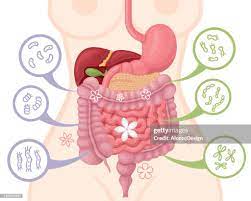
Gut Health Revolution: Probiotics and Prebiotics for a Happy Gut

In recent years, there has been a growing awareness of the importance of gut health and its impact on overall well-being. The gut, often referred to as the “second brain,” plays a crucial role in maintaining a healthy immune system, digestion, and even mental health. As we delve into the Gut Health Revolution, the spotlight is on probiotics and prebiotics – the dynamic duo that can transform your gut into a happy and thriving ecosystem.

The Gut Microbiome:

Before we explore the world of probiotics and prebiotics, let’s understand the gut microbiome. Trillions of microorganisms, including bacteria, fungi, and viruses, reside in our digestive tract, forming a complex ecosystem. This microbiome influences various aspects of our health, from nutrient absorption to immune system function.

Probiotics: The Friendly Bacteria:

Probiotics are live microorganisms that provide numerous health benefits when consumed in adequate amounts. These friendly bacteria help balance the gut microbiome by crowding out harmful pathogens and promoting a diverse microbial community.

Common sources of probiotics include yogurt, kefir, sauerkraut, kimchi, and certain supplements. These beneficial bacteria contribute to improved digestion, enhanced nutrient absorption, and strengthened immune function. Additionally, research suggests that probiotics may play a role in mental health by influencing the gut-brain axis.

Prebiotics: Nourishment for the Microbiome:

While probiotics are the heroes of gut health, prebiotics serve as their sidekicks. Prebiotics are non-digestible fibres that provide fuel for the beneficial bacteria in the gut. By nourishing these microbes, prebiotics help them flourish and maintain a healthy balance within the microbiome.

Excellent sources of prebiotics include fibre-rich foods like bananas, onions, garlic, asparagus, and whole grains. Including these foods in your diet not only supports the growth of beneficial bacteria but also aids in regulating bowel movements and preventing constipation.

The Symbiotic Connection:

For an even more powerful gut health boost, consider incorporating symbiotic into your routine. Symbiotic’s combine both probiotics and prebiotics, working synergistically to enhance their individual benefits. This combination promotes a harmonious environment in the gut, fostering the growth of beneficial bacteria while providing the necessary nutrients for their survival.

The Gut-Brain Connection:

Beyond digestive health, the gut has a profound impact on the brain, influencing mood, stress levels, and cognitive function. The communication between the gut and the brain, known as the gut-brain axis, highlights the interconnectedness of these two vital systems. Maintaining a balanced and diverse gut microbiome through the consumption of probiotics and prebiotics may contribute to mental well-being.

Probiotics:

  • Fermented Foods:
    • Sauerkraut: Fermented cabbage is rich in probiotics.
    • Kimchi: A Korean dish made from fermented vegetables, usually cabbage and radishes.
    • Pickles: Naturally fermented pickles, not those made with vinegar, can be a good source.
  • Non-Dairy Yogurts:
    • Look for yogurts made from coconut, almond, soy, or oat milk, which are fortified with probiotic cultures.
  • Tempeh:
    • A fermented soy product that contains beneficial bacteria. It’s also a good source of protein.
  • Miso:
    • A traditional Japanese seasoning made by fermenting soybeans with salt and koji (a type of fungus). It’s commonly used to make miso soup.
  • Probiotic Supplements:
    • There are vegan and vegetarian probiotic supplements available in various forms, including capsules, powders, and chewable. Look for those with a diverse range of strains.

Prebiotics:

  • Legumes:
    • Lentils, chickpeas, and beans are rich in prebiotic fibres.
  • Whole Grains:
    • Foods like quinoa, brown rice, and oats provide a good source of prebiotics.
  • Vegetables:
    • Garlic, onions, leeks, asparagus, and Jerusalem artichokes are known for their prebiotic content.
  • Fruits:
    • Bananas, apples, berries, and kiwi contain soluble fibres that act as prebiotics.
  • Nuts and Seeds:
    • Almonds, flaxseeds, and chia seeds are good sources of prebiotic fibres.
  • Root Vegetables:
    • Sweet potatoes and carrots contain prebiotic fibres and can be included in your diet.

As we embrace the Gut Health Revolution, prioritising the well-being of our gut microbiome becomes essential for overall health. Probiotics and prebiotics play pivotal roles in creating a happy gut, supporting digestion, immune function, and even mental health. By incorporating probiotic-rich foods, prebiotic fibres, and symbiotic combinations into our diets, we can embark on a journey towards a thriving and balanced gut ecosystem. So, let’s raise a toast to the gut – where health truly begins!

Fasting for Health: Exploring Different Types of Intermittent Fasting

In recent years, the practice of intermittent fasting has gained significant attention for its potential health benefits. From weight loss to improved metabolic health, proponents of intermittent fasting argue that it can be a powerful tool for enhancing overall well-being. In this blog, we’ll delve into the various types of intermittent fasting, exploring their unique approaches and potential health advantages.

Understanding Intermittent Fasting

Intermittent fasting involves cycling between periods of eating and fasting, and it does not prescribe specific foods to eat or avoid. Instead, it focuses on when to eat. This approach is rooted in the idea that our bodies are well-adapted to periods of feast and famine, as our ancestors often experienced scarcity of food.

Different Types of Intermittent Fasting

The 16/8 Method (Time-Restricted Feeding):

  • How it works: This method involves daily fasting for 16 hours and restricting your eating to an 8-hour window.
  • Example: If you choose to eat between 12:00 pm and 8:00 pm, you would fast from 8:00 pm to 12:00 pm the next day.

The 5:2 Diet (Modified Fasting):

  • How it works: For two non-consecutive days of the week, calorie intake is limited to around 500-600 calories, while regular eating is maintained on the other days.
  • Example: Eating normally on Monday, Wednesday, Friday, and Sunday, while restricting calories on Tuesday and Thursday.

Eat-Stop-Eat:

  • How it works: This approach involves a complete 24-hour fast once or twice a week, with no food intake during the fasting period.
  • Example: Fasting from dinner on Monday to dinner on Tuesday.

Alternate-Day Fasting:

  • How it works: Alternating between days of regular eating and days of very low-calorie intake or complete fasting.
  • Example: Eating normally on Monday, fasting on Tuesday, eating normally on Wednesday, and so on.

Warrior Diet:

  • How it works: Involves eating small amounts of raw fruits and vegetables during the day and consuming one large meal at night within a 4-hour window.
  • Example: Eating small snacks like fruits and vegetables during the day and having a substantial dinner between 6:00 pm and 10:00 pm.

Health Benefits of Intermittent Fasting

  • Weight Loss:
    • Intermittent fasting may help reduce calorie intake, leading to weight loss.
    • Fasting periods promote the utilisation of stored fat for energy.

Improved Metabolic Health:

  • Intermittent fasting may enhance insulin sensitivity, lowering the risk of type 2 diabetes.
  • It may help regulate blood sugar levels and reduce inflammation.

Cellular Repair and Longevity:

  • Fasting triggers autophagy, a process where cells remove damaged components, promoting cellular repair.
  • Some studies suggest that intermittent fasting may contribute to increased lifespan.

Brain Health:

  • Intermittent fasting may support brain health by promoting the production of brain-derived neurotrophic factor (BDNF), a protein associated with cognitive function.
  • It may reduce the risk of neurodegenerative diseases like Alzheimer’s.

Intermittent fasting offers a flexible and diverse range of approaches, allowing individuals to choose a method that aligns with their lifestyle and preferences. While the health benefits are promising, it’s essential to approach intermittent fasting with caution and consult with a healthcare professional, especially for those with underlying health conditions. As with any lifestyle change, moderation and individualisation are key to reaping the potential rewards of intermittent fasting for improved health and well-being.

Let’s talk Gut Health 

Maintaining a healthy digestive system, particularly a balanced gut microbiome, is crucial for overall well-being, affecting both mental health and inflammation levels in the body. Numerous studies in the past decade have highlighted the significant impact of trillions of gut bacteria on the brain and their potential connection to various disorders. Emerging research suggests that these microbes might influence conditions like Parkinson’s disease, autism spectrum disorder, Alzheimer’s, and mental health issues such as depression. Scientists and companies are exploring therapies targeting the microbiome in human clinical trials, offering hope for prevention and treatment. The exciting aspect is that, unlike your genes, your microbiome can be modified.

A reliable indicator of digestive health is your bowel movements. Ideally, you should have one or two daily movements that occur easily and completely, without urgency or straining. If your bowel habits don’t align with these criteria, it’s essential to address your gut environment.

Many individuals experience bloating, especially after meals, and acid reflux or heartburn, which are signs of underlying digestive issues, not normal occurrences. Bloating often results from an imbalance in gut microbes. By following specific guidelines, beneficial microbes can be restored, improving digestive function and associated systems.

Typically, doctors provide diagnoses and symptom relief for digestive problems but rarely offer permanent solutions. Enhancing the gut lining, optimising digestive secretions such as stomach acid, enzymes, and bile, and supporting healthy gut bacteria can significantly improve overall function.

Here are practical steps to improve your digestive health:

 Mindful Eating:

  • Take deep breaths before eating.
  • Chew your food thoroughly and eat slowly, without distractions.
  • Put your utensils down between bites.

Hydration and Fiber:

  • Drink at least two litres of liquids daily.
  • Include soluble fibre in your diet from sources like apples, oats, nuts, beans, pulses, grains, and vegetables.
  • Soak chia seeds in milk overnight and add fruits and granola in the morning.

Fermented Foods:

  • Consume fermented foods like natural yogurt, kefir, sauerkraut, and raw apple cider vinegar to promote a healthy gut environment.
  • Start with small amounts and gradually increase intake.

 Stimulate the Vagus Nerve:

  • Practice regular gargling, singing loudly, and triggering the gag reflex to stimulate the vagus nerve, essential for good digestive function.

Soaked Bravely Apples:

  • Stewed cooking apples with skins have soothing properties. Add cinnamon and dark apricots and serve with yogurt and toppings.

Soaking for Improved Digestion:

  • Soak grains, pulses, nuts, and seeds overnight to reduce irritation and inflammation in the digestive tract.

Rest, Relaxation, and Sleep:

  • Manage stress through meditation or mindfulness.
  • Prioritise sufficient sleep and relaxation to support overall gut health.

Intermittent Fasting:

  • Incorporate regular intermittent fasting to allow the digestive system to rest and recover.

Taking care of your gut is not just about relieving digestive problems; it’s about ensuring your overall well-being. By making mindful choices in your diet and lifestyle, you can significantly improve your digestive health, paving the way for a healthier, more energetic you.

15 Staple Foods to Make Healthy Eating Easy All Week Long

Maintaining a healthy diet can often feel like a daunting task, especially with busy schedules and tempting fast-food options around every corner. However, the key to successful and sustainable healthy eating lies in keeping your kitchen stocked with wholesome staples. By having a selection of nutritious foods readily available, you can create delicious and balanced meals without much effort. Here are 15 staple foods that will make healthy eating a breeze throughout the week:

1. Brown Rice

A complex carbohydrate packed with fibre, brown rice is a versatile base for a variety of dishes, from stir-fries to grain bowls.

2. Quinoa

High in protein and essential amino acids, quinoa is a complete source of nutrition. It can be used in salads, soups, or as a side dish.

3. Leafy Greens

Spinach, kale, and Swiss chard are rich in vitamins, minerals, and antioxidants. Use them as a base for salads or blend them into smoothies.

4. Oats

Oats are a great source of soluble fibre and can be used for making wholesome breakfasts like oatmeal, granola bars, or overnight oats.

5. Legumes

Beans, lentils, and chickpeas are excellent plant-based protein sources. They can be added to soups, stews, salads, or turned into delicious dips like hummus.

6. Lean Proteins

Chicken breast, turkey, tofu, and fish are lean sources of protein. Grill, bake, or stir-fry them for a protein-packed main course.

7. Healthy Fats

Avocados, nuts, and olive oil provide healthy fats that are essential for brain health. Add them to salads or use them as toppings for various dishes.

8. Colourful Vegetables

Bell peppers, carrots, broccoli, and tomatoes not only add vibrant colours to your plate but are also rich in vitamins and minerals. They can be roasted, steamed, or eaten raw.

9. Low-Fat Dairy or Dairy Alternatives

opt for low-fat yogurt, milk, or dairy-free alternatives like almond or soy milk. They are rich in calcium and can be used in smoothies or as a base for sauces.

10. Herbs and Spices

Fresh herbs like parsley, cilantro, and basil, along with spices like turmeric, cumin, and paprika, can elevate the flavour of your dishes without adding extra calories or sodium.

11. Whole-Grain Bread

Choose whole-grain or whole-wheat bread for sandwiches and toast. They are higher in fibre and nutrients compared to refined grains.

12. Eggs

Eggs are a great source of high-quality protein. They can be boiled, scrambled, or used in various recipes, adding nutrition to your meals.

13. Berries

Berries like blueberries, strawberries, and raspberries are rich in antioxidants and vitamins. They make for a delicious and healthy snack or can be added to yogurt and smoothies.

14. Dark Chocolate

For a sweet treat, opt for dark chocolate with a high cocoa content. It contains antioxidants and can satisfy your sweet cravings in moderation.

15. Green Tea

Green tea is packed with antioxidants and has numerous health benefits. Swap sugary beverages with green tea for a refreshing and healthy drink option.

By incorporating these 15 staple foods into your weekly meal planning, you can simplify your journey to healthy eating. Experiment with different recipes and cooking methods to keep your meals exciting and enjoyable. Remember, a well-balanced diet not only nourishes your body but also fuels your energy and overall well-being. Happy, healthy eating!

Fuelling Your Day Right: Best Breakfast for Exercise

They say breakfast is the most important meal of the day, and when you’re planning to exercise, it’s even more critical. Whether you’re an early riser hitting the gym, a dedicated runner, or just looking to maintain a healthy lifestyle, what you eat for breakfast can significantly impact your workout performance. In this blog, we’ll explore the best breakfast options to help you power through your exercise routine and achieve your fitness goals.


Oatmeal Power

Start your day with a bowl of oatmeal, and you’ll be well on your way to a successful workout. Oats are rich in complex carbohydrates, which provide a steady release of energy, keeping you fuelled throughout your exercise session. They’re also an excellent source of fibre, promoting digestive health. Top your oatmeal with some berries and a drizzle of honey for added antioxidants and natural sweetness.


Greek Yogurt Parfait

Greek yogurt is a protein-packed breakfast option that’s great for muscle recovery and building. Pair it with some granola for carbohydrates and nuts or seeds for healthy fats and extra crunch. Add a few slices of fresh fruit for a natural sweetness that’ll give you the energy boost you need to power through your workout.


Whole Grain Toast with Nut Butter

Whole grain toast with almond, peanut, or cashew butter is a delicious and balanced breakfast option. The combination of complex carbohydrates from the bread and healthy fats and protein from the nut butter provides a sustained source of energy. Add some sliced bananas or strawberries on top for extra nutrients and flavour.


Scrambled Eggs with Veggies

Eggs are a fantastic source of high-quality protein and essential nutrients like choline and vitamin B12. Scramble them up with some colourful vegetables like spinach, bell peppers, and tomatoes for added vitamins, minerals, and fibre. This savoury breakfast will keep you full and energized for your morning workout.


Smoothie Sensation

If you’re short on time, a nutritious smoothie can be your go-to breakfast option. Blend together some spinach, frozen berries, a banana, Greek yogurt, and a scoop of protein powder for a quick and convenient pre-workout meal. The combination of carbohydrates, protein, and antioxidants will give you the energy and nutrients needed for your exercise routine.


Avocado Toast

Avocado toast has become a trendy breakfast choice for a reason – it’s packed with healthy fats, fibre, and essential nutrients. Spread mashed avocado on whole grain toast and top it with a sprinkle of salt, pepper, and red pepper flakes for a flavourful kick. This breakfast option provides long-lasting energy and keeps you feeling satisfied.


Quinoa Breakfast Bowl

Quinoa is a versatile grain that’s high in protein and complex carbohydrates. Cook it up and top it with your favourite breakfast toppings, such as sliced almonds, honey, and fresh fruit. This savoury and sweet combination is perfect for those who prefer a heartier breakfast before hitting the gym.


The right breakfast can make a world of difference in your exercise performance. Whether you prefer a quick and easy smoothie or a hearty quinoa bowl, choosing a balanced meal with a combination of carbohydrates, protein, and healthy fats will set you up for success in your workout routine. Remember to also stay hydrated by drinking water before and during your exercise, as proper hydration is essential for optimal performance. So, fuel your body right, and you’ll be well on your way to achieving your fitness goals.

The 16 Healthiest Veggie-Infused Salty Snacks for Guilt-Free Munching

Snacking is an integral part of our modern lifestyle, but too often, it involves reaching for unhealthy options that are loaded with empty calories and unhealthy fats. However, there’s good news for those who crave salty snacks but want to maintain a healthy lifestyle. Incorporating vegetables into your favourite munchies can elevate their nutritional profile and provide you with essential vitamins, minerals, and fibre. In this blog post, we’ll explore the 16 healthiest veggie-infused salty snacks that will satisfy your cravings while nourishing your body.

Baked Zucchini Chips:

Thinly sliced zucchini, seasoned with a pinch of salt and baked until crisp, make for a delectable and healthier alternative to traditional potato chips.

Roasted Chickpeas:

Spice up canned chickpeas with your favourite seasonings and roast them in the oven for a crunchy, protein-packed snack that will keep you feeling full and satisfied.

Carrot Sticks with Hummus:

Carrots provide a satisfying crunch while hummus adds a creamy and flavourful element, creating a perfectly balanced and nutritious snack.

Seaweed Snacks:

Rich in minerals and low in calories, roasted seaweed snacks are a fantastic alternative to traditional potato chips, offering a unique umami flavour.

Kale Chips:

Kale, a powerhouse of nutrients, becomes a crispy and addictive treat when baked with a drizzle of olive oil and a sprinkle of sea salt.

Cucumber and Cottage Cheese:

Slice cucumbers into rounds and top them with a dollop of low-fat cottage cheese for a refreshing and protein-packed snack.

Edamame:

Boiled edamame sprinkled with a touch of sea salt is not only a delicious snack but also a great source of plant-based protein and fibre.

Beet Chips:

Beets’ natural sweetness shines through when they are thinly sliced and baked into chips, making them a vibrant and wholesome alternative to 

Sweet Potato Fries:

Swap regular fries for sweet potato fries, and you’ll benefit from a higher content of fibre, vitamins, and antioxidants.

Bell Pepper Slices with Guacamole:

Colourful bell pepper slices dipped in guacamole create a nutrient-rich and satisfying snack that is full of flavour.

Snap Peas with Greek Yogurt Dip:

Snap peas are crunchy and delightful when paired with a creamy Greek yogurt dip, delivering a satisfying protein boost.

Jicama Sticks:

Jicama’s mild, refreshing taste and crisp texture make it an excellent choice for a guilt-free, hydrating snack.

Broccoli and Cheese Bites:

Steam broccoli florets and dip them in melted cheese for a savoury, nutrient-dense snack that won’t disappoint.

Baked Parmesan Tomatoes:

Halved cherry tomatoes sprinkled with grated parmesan cheese and baked create a mouthwatering snack that’s rich in vitamins and calcium.

Popcorn with Nutritional Yeast:

Sprinkle air-popped popcorn with nutritional yeast for a cheesy, savoury twist that’s much healthier than butter-laden alternatives.

Spinach and Feta Stuffed Mushrooms:

Portobello mushrooms filled with a mixture of spinach and feta cheese make for a delicious and nutritious bite-sized snack.

Indulging in salty snacks doesn’t have to mean compromising your health goals. By incorporating nutrient-packed vegetables into your munchies, you can enjoy delicious, guilt-free treats that provide essential vitamins, minerals, and fibre. Whether you’re craving something crunchy, savoury, or creamy, the 16 veggie-infused salty snacks mentioned above will keep your taste buds happy while nourishing your body. So, the next time you’re looking for a satisfying snack, skip the processed options and reach for one of these wholesome alternatives. Your body will thank you!

The Bountiful Benefits: Healthiest Berries You Can Eat

Nature has bestowed upon us a treasure trove of delicious and nutrient-packed fruits, and among them, berries stand out as veritable superfoods. These tiny, colourful gems are not only a treat for the taste buds but also pack a powerful punch of health benefits. Bursting with vitamins, minerals, antioxidants, and fibre, berries have rightfully earned their reputation as some of the healthiest fruits on the planet. In this blog post, we’ll explore the healthiest berries you can eat and uncover the numerous reasons why you should incorporate them into your diet.

1. Blueberries: Antioxidant Powerhouses

Blueberries are often hailed as the “king of antioxidants” among berries. These small, round fruits are rich in vitamin C, vitamin K, and manganese. But what truly sets them apart is their sky-high anthocyanin content, the pigment responsible for their vibrant blue colour. Anthocyanin’s are potent antioxidants that neutralise harmful free radicals in the body, reducing oxidative stress and protecting against chronic diseases. Studies have shown that regular consumption of blueberries can improve cognitive function, aid in heart health, and even help manage blood sugar levels. Whether enjoyed fresh, frozen, or blended into smoothies, blueberries are a must-have addition to your diet.

2. Strawberries: Vitamin C Delight

Strawberries are not only pleasing to the eye and palate but also a rich source of essential nutrients. Just one cup of strawberries provides more than 100% of your daily recommended intake of vitamin C, which boosts the immune system, promotes skin health, and aids in collagen production. Moreover, strawberries are loaded with fibre, which aids in digestion and helps maintain a healthy weight. They also contain an array of antioxidants, including quercetin and elegiac acid, which contribute to their anti-inflammatory properties.

3. Raspberries: Fiber-Rich Wonder

Raspberries are exquisite little fruits that boast a high fibre content. Fibre is essential for digestive health, as it aids in regular bowel movements and can help prevent constipation. Additionally, raspberries contain several antioxidants, such as vitamin C and quercetin, which protect against cell damage and inflammation. Some studies suggest that raspberries may have a positive impact on heart health by reducing risk factors like high blood pressure and cholesterol levels. They are delicious on their own, sprinkled on oatmeal, or blended into a refreshing summer smoothie.

4. Blackberries: Anthocyanin-Rich Gems

Like their cousin, the blueberries, blackberries are also brimming with anthocyanin, contributing to their deep purple-black hue. These antioxidants offer numerous health benefits, including improved brain function and reduced risk of heart disease.

Blackberries are also an excellent source of vitamins C and K, as well as manganese. The combination of antioxidants and nutrients makes blackberries a valuable addition to any well-balanced diet.

5. Goji Berries: Superfood from the East

Hailing from Asia, goji berries have earned a reputation as a “superfood” due to their nutrient density and potential health benefits. These small, red berries are loaded with vitamins A and C, which are crucial for maintaining healthy skin, vision, and a robust immune system.

Goji berries are also rich in antioxidants like zeaxanthin and lycopene, which contribute to eye health and protect against cellular damage. They can be eaten on their own, sprinkled over salads, or blended into smoothies to harness their health-boosting potential.

When it comes to nutritious and delicious fruits, berries truly reign supreme. Incorporating these health-packed gems into your diet can have a profound impact on your overall well-being. From blueberries and strawberries to raspberries, blackberries, and goji berries, each one brings a unique set of benefits to the table. So, the next time you’re looking for a snack or a way to sweeten your meal naturally, reach for these delightful berries and let their natural goodness nourish your body and mind. Your taste buds and health will thank you!

The Most Effective Ayurvedic Remedies for Common Digestive Problems

Digestive issues can be a real hindrance to our overall well-being. From occasional indigestion to more chronic conditions like irritable bowel syndrome (IBS), these problems can significantly affect our quality of life. While modern medicine offers various solutions, Ayurveda, an ancient holistic healing system from India, provides time-tested remedies for common digestive problems. In this blog, we will explore some of the most effective Ayurvedic remedies that can help alleviate digestive issues and promote overall digestive health.

Triphala: The Three-Fruit Powerhouse

Triphala, a traditional Ayurvedic herbal formula, is one of the most popular remedies for digestive problems. It is a blend of three fruits: Amla (Indian Gooseberry), Haritaki (Chebulic Myrobalan), and Bibhitaki (Belleric Myrobalan). Triphala is known for its gentle laxative properties, which can help regulate bowel movements and cleanse the digestive system. It also aids in detoxification, improves digestion, and enhances nutrient absorption. To use Triphala, mix half a teaspoon of the powder with warm water and consume it before bedtime. Regular use can help maintain a healthy digestive system.

Ginger: Nature’s Digestive Aid

Ginger has been revered for centuries as a potent remedy for digestive issues. Its active compounds, gingerol, and shogaol, help stimulate saliva, bile, and gastric enzymes, which aid in the digestion process. Ginger also has anti-inflammatory properties that can reduce inflammation in the digestive tract. You can consume ginger in various forms, such as ginger tea, fresh ginger juice, or simply chewing on small pieces of raw ginger before meals. This will not only improve digestion but also relieve symptoms like bloating and gas.

Ajwain (Carom Seeds): A Quick Fix for Indigestion

Ajwain, commonly known as carom seeds, is a popular spice used in Indian cuisine and Ayurvedic remedies. Its powerful carminative properties help ease indigestion, gas, and bloating. Ajwain seeds also have antacid properties that can provide relief from acidity and heartburn. To use ajwain, dry-roast the seeds slightly and chew a small amount after meals. Alternatively, you can boil a teaspoon of ajwain seeds in a glass of water, strain, and drink the infused water for quick relief.

Aloe Vera: Soothing the Digestive Tract

Aloe vera, well-known for its skin-healing properties, also benefits the digestive system. It contains enzymes that aid in the breakdown of food and promote better nutrient absorption. Aloe vera also has a soothing effect on the stomach lining, making it helpful for conditions like gastritis and acid reflux. To harness its benefits, drink aloe vera juice (free of aloin) or gel before meals. However, pregnant women and those with specific medical conditions should consult a healthcare professional before using aloe vera internally.

Trikatu: The Ayurvedic Digestive Spice Blend

Trikatu is a blend of three potent spices – black pepper, long pepper, and ginger. This combination creates a powerful digestive stimulant that boosts metabolism and improves digestion. Trikatu helps increase gastric secretions and reduces bloating, making it an effective remedy for sluggish digestion. You can consume Trikatu in powdered form by mixing equal parts of black pepper, long pepper, and dried ginger. Take half a teaspoon with warm water or honey before meals for best results.

Ayurveda offers a treasure trove of natural remedies for common digestive problems. By incorporating these Ayurvedic remedies into your daily routine,

7 of the Most Powerful Herbs and Spices that Help You Fight Better

Nature has bestowed upon us an incredible array of herbs and spices, each brimming with unique properties that can significantly enhance our well-being. Beyond their culinary delights, many of these natural wonders contain potent compounds that can fortify our bodies and minds, empowering us to fight better in our daily battles against stress, illness, and fatigue. In this blog, we will explore seven of the most powerful herbs and spices that can bolster our resilience and overall health, enabling us to face life’s challenges with visor and vitality.

Turmeric – The Golden Wonder:

Turmeric, often referred to as the “Golden Spice of India,” is renowned for its active compound, curcumin. With powerful anti-inflammatory and antioxidant properties, curcumin aids in combating inflammation and oxidative stress, both of which are key contributors to various chronic diseases. Incorporating turmeric into your diet can help bolster your immune system, improve brain function, and support joint health, making it a valuable ally in your fight for better health.

Ashwagandha – The Adaptogen Champion:

Ashwagandha, an ancient Ayurvedic herb, is classified as an adaptogen, meaning it helps the body adapt to stress and maintain balance. It can reduce cortisol levels, which are associated with stress, and promote relaxation. Additionally, ashwagandha has been linked to improved stamina, enhanced cognitive function, and increased energy levels, making it an ideal companion in the quest for improved resilience.

Garlic – The Ailment Annihilator:

Garlic has been revered for centuries for its potential to bolster the immune system. Packed with allicin, a compound with potent antimicrobial and antiviral properties, garlic can help fend off infections and strengthen your body’s defences. Regular consumption of garlic may also support heart health by reducing cholesterol levels and regulating blood pressure, making it a vital fighter in the battle against cardiovascular issues.

Cinnamon – The Sweet Spice Warrior:

This fragrant spice not only enhances the taste of dishes but also offers numerous health benefits. Cinnamon contains powerful antioxidants that combat inflammation and promote overall well-being. Additionally, it has been shown to help regulate blood sugar levels, making it a valuable asset in the fight against diabetes and metabolic disorders.

Ginseng – The Vitality Enhancer:

Ginseng, a revered herb in traditional Chinese medicine, is well-known for its ability to boost energy levels and improve stamina. It helps the body handle physical and mental stress more effectively and may even enhance cognitive function. Regular consumption of ginseng can support the immune system, increase resilience, and improve overall vitality.

Ginger – The Zesty Defender:

Ginger is not just a spice that adds zest to your meals; it’s also a powerful fighter against inflammation and nausea. Its bioactive compounds, gingerols, have antioxidant and anti-inflammatory effects that can contribute to better joint health and alleviate muscle soreness after physical activity. Moreover, ginger can aid in digestion and improve gut health, providing a robust defence against gastrointestinal issues.

Holy Basil – The Stress Buster:

Also known as Tulsi, Holy Basil is revered for its adaptogenic properties, helping the body cope with stress and anxiety. This herb supports the adrenal glands, which are responsible for managing stress hormones. By incorporating Holy Basil into your daily routine, you can promote emotional well-being, mental clarity, and a stronger immune system.

Nature’s bountiful offering of herbs and spices provides us with powerful allies in our quest for better health and resilience. Incorporating turmeric, ashwagandha, garlic, cinnamon, ginseng, ginger, and holy basil into our diets can significantly enhance our body and health.