
How Much Omega-3 Should You Take per Day

Omega-3 fatty acids are essential nutrients that play a vital role in maintaining overall health and well-being. These polyunsaturated fats offer numerous benefits, including supporting heart health, reducing inflammation, promoting brain function, and supporting healthy skin. While omega-3 can be obtained through dietary sources such as fatty fish, flaxseeds, and walnuts, many people opt for omega-3 supplements to ensure an adequate intake. If you’re in the UK and wondering how much omega-3 you should take daily, this article will provide you with valuable insights.

Understanding Omega-3:
Omega-3 fatty acids are classified into three main types: eicosapentaenoic acid (EPA), docosahexaenoic acid (DHA), and alpha-linolenic acid (ALA). EPA and DHA are primarily found in fatty fish, while ALA is derived from plant-based sources such as flaxseeds and chia seeds. EPA and DHA are considered the most beneficial forms of omega-3, as they are readily utilised by the body.

Recommended Daily Intake of Omega-3 i
The British Nutrition Foundation suggests a daily intake of 450 mg EPA and DHA for adults. Similarly, the European Food Safety Authority (EFSA) recommends a combined intake of 250 mg EPA and DHA per day for maintaining normal heart function. It’s worth noting that these recommendations are general guidelines for maintaining overall health. In certain cases, such as specific health conditions or during pregnancy and lactation, higher doses of omega-3 may be required. It is advisable to consult a healthcare professional or a registered dietitian to determine the appropriate dosage for individual needs.

Choosing Omega-3 Supplements:
When considering omega-3 supplements, it’s crucial to select high-quality products from reputable brands. Look for supplements that provide a significant amount of EPA and DHA per serving. The label should clearly state the amount of EPA and DHA in each capsule or serving size. Additionally, opt for supplements that have undergone third-party testing to ensure purity, potency, and absence of contaminants. It’s important to note that omega-3 supplements should not replace a healthy, balanced diet but rather complement it. Whole food sources of omega-3, such as fatty fish, should still be included in your diet whenever possible.

Potential Risks and Side Effects:
Omega-3 supplements are generally considered safe for most individuals when taken within recommended doses. However, it’s essential to be aware of potential risks and side effects. High doses of omega-3 may have blood-thinning effects, so individuals taking blood-thinning medications should exercise caution and consult their healthcare provider before starting omega-3 supplementation. Additionally, some individuals may experience digestive issues such as burping, diarrhoea, or indigestion when taking omega-3 supplements. If you experience any adverse effects, discontinue use and consult a healthcare professional.

Omega-3 fatty acids are vital for maintaining optimal health, and incorporating them into your diet is essential. In the UK, the general recommendations for omega-3 intake suggest 450 mg of EPA and DHA per day for adults. However, individual needs may vary depending on specific health conditions or life stages. Consulting a healthcare professional or a registered dietitian can help determine the appropriate dosage for you. Remember, while omega-3 supplements can be beneficial, they should not replace a healthy diet rich in whole food sources of omega-3. By making informed choices and incorporating omega-3 into your daily routine, you can support your overall well-being and promote a healthy lifestyle.
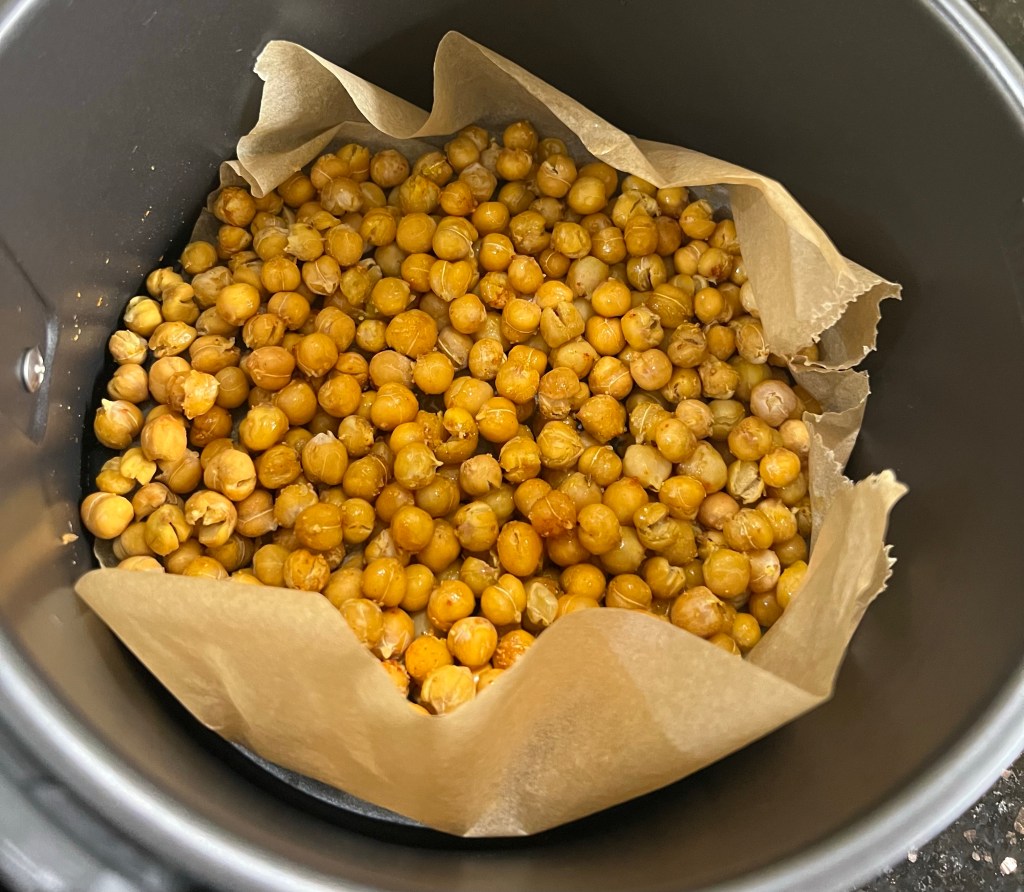
Spicy Roasted Chickpeas

Roasted Spiced Chickpeas are so simple to make and full of taste. They make an excellent snack.

Chickpeas is superfood, as well as being an excellent source of plant-based protein and high in fiber. Chikpeas are filling and very beneficial for digestion and gut health.

A cooked cup of chickpeas contains 12.5 grams of fiber and 14.5 grams of protein. With only 268 calories.

Ingredients

Serves 1

1 Chickpea can, drained and rinsed.

1 tablespoon olive oil

1 teaspoon ground cumin

1 teaspoon turmeric powder

1 teaspoon chilli powder

1 teaspoon salt

1 teaspoon coriander powder

Method

Preheat the oven to 400°F (200°C).

Drain, rinse and dry the chickpeas.

More drier the chickpeas are the more crunchier they will become once cooked.

Spread the chickpeas out on a parchment paper-lined baking sheet.

Add olive oil, cumin, turmeric, chilli powder, coriander powder and salt to the chickpeas and toss well till coated evenly.

Roast the chickpeas for 20-25 minutes for oruntil browned.

Let then to cool for 5 minutes and serve.

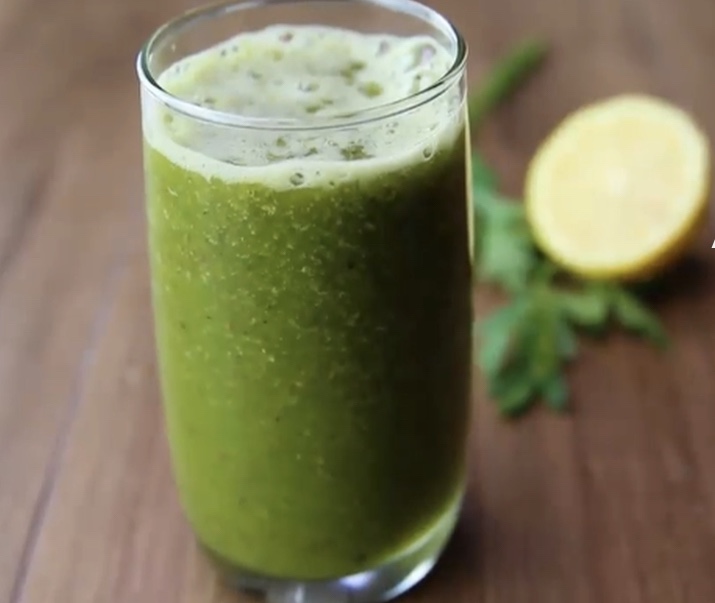
Healthy Green Juice

Ingredients

Half cup orange juice

Half lemon juiced

Half cup celery juice

Half lime juiced

Handful of spinich

2 chopped kiwis

1 tsp ground ginger

1 tsp chia seeds

Pinch of salt

1 tsp honey

Method

Place all the juiced and chopped up ingredients into a blender and blitz till it’s turnd into liquid.

Pour into a glass and serve.

Inflammation in the body: How food can help to fight it.

Food has the power to heal. It’s a potent tool to treat and prevent illnesses.

Inflammation & Nutrition. Inflammation acts like the body’s defense mechanism. The immune system recognises harmful and foreign stimuli and starts to elimate it from the body so it can start the healing process .

Food has power to heal. It’s a potent tool to treat & prevent Illnesses.

There are 2 types of inflammation:

Chronic inflammation: Is referred to as a slow, long-term inflammation lasting for prolonged time in the body. It’s mainly connected to the environment around us, our dietary choices, stress levels and general health. It can be harmful and may increase the risk of several diseases.

Acute inflammation occurs when our body sees harm coming like an infection, and starts to fight in a short period. Thus, known as a normal response for the body ans immune stern to promote the healing process.

Nutrition & inflammation. Our daily diet choices can help to keep both our body and immune system healthy and strong.

Plant based protein. Research over time has shown us that consuming high intake of red meat and dairy products in our diet can increase high level of inflammation in our body. Where as Plant bases proteins such as lentils and beans have a lower levels of inflammation levels. They consist of high fibre levels and anyhocyanin.

Herbs and spices. Herbs and spice have high levels of antioxidants and phytonutrients and have many anti-inflammatory properties. They can help to flavour our meals without adding excess salt and fats. Turmeric, Cardamom, Rosemary, Black pepper and Cinnamon are antiinflammatory herb and spices and should be included in our diet to naturally lower inflammation.

Dietary Choices. Eating a high intake of rainbow colour of fruits and vegetables can help to fight inflammation and strengthen our immune health. Fruits such as cranberries, blackberries, and blueberries are known as anti- inflammatory foods. Anti inflammatory veg includes brocli, cabbage and leafy green vegetables.

Garlic consist of organosulfur compounds and flavonoids. These are known to help with fighting inflammation, infections and cardiovascular diseases.

Ginger is packed with antioxidants and contains gingerols. Gingerols has proven to fight inflammation and with high levels of antioxidants, ginger is able to prevent free radical production anti inflammatory disease.

Onions Onions has a flavonoid called quercetin, which is know as the following Anti- carcinogenic, Anti- inflammatory, Antiviral

Other factors that can help with fighting inflammation.

Vitamin D Research has shown that having low levels of vitamin D in the body can cause inflammation. It always good to check Vitamin D levels and correct them if needed to.

Sleep. A good sleeping pattern is vital for optimal health. Disturbed sleep patterns has been associated weak immune system and increased inflammation levels in the body.

Managing stress Excessive stress levels can have an effect on our physical and emotional health. This also contribute to high level of inflammation in the body. The best techniques for stress management at home is to practice meditation daily and simple breathing exercises. Alway consualt a healthcare professional for ongoing support is advised if needed.