
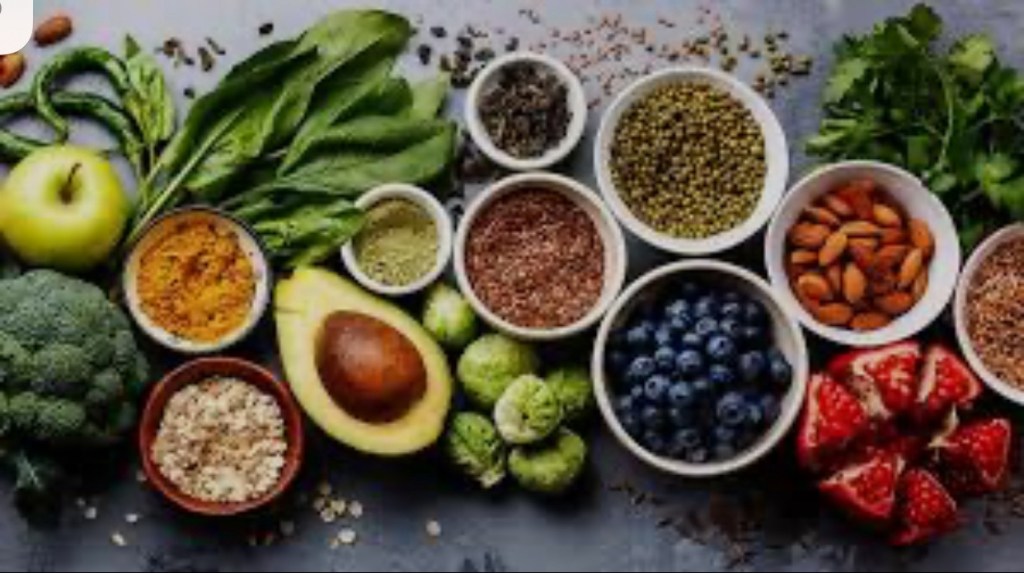
Simple Steps to Kickstart Your Healthier Eating Journey

Embarking on a journey towards healthier eating may initially feel overwhelming, especially with the sea of confusing advice and intricate kale smoothie recipes out there. However, fear not, because adopting a healthier diet doesn’t have to be complicated; it can be both delicious and straightforward. Let’s delve into some uncomplicated steps to initiate your journey toward healthier eating within a week.

1. Embrace Fibre and Whole Foods

Adults require approximately 30g of fibre daily, yet the average intake hovers around 19g—a gap that many of us can work on closing. fibber, found in fruits, vegetables, grains, and legumes, is crucial for digestive health. It aids in maintaining smooth digestion, preventing constipation, and even reducing the risk of chronic diseases such as bowel cancer, heart disease, stroke, and type 2 diabetes.

Tips for increasing your fibber intake:

• Opt for wholegrain foods like brown bread and porridge over processed cereals.

• Snack on vegetables and fruits.

• Include beans, lentils, and nuts in your meals and snacks.

2. Aim for At Least 5 Servings of Fruits and Vegetables Daily

Variety is key when it comes to fruits and vegetables. They not only provide essential vitamins and minerals but also contribute to your daily fibre intake. Your diet should ideally consist of a third of fruits and vegetables, so strive for this balance with every meal.

Ways to increase your fruit and veg intake:

• Add fruits to your breakfast.

• Incorporate finely diced vegetables into main dishes.

• Roast vegetables with an array of herbs and spices.

• Blend vegetables into dips like red pepper and garlic hummus.

3. Diversify Your Protein Sources

Variety in protein sources is not only beneficial for your health but also for the planet. Opt for alternatives to red and processed meats, such as beans, lentils, nuts, and oily fish.

Creative protein choices to explore:

• Substitute half of your mince with beans or lentils.

• Snack on roasted nuts.

• Experiment with different beans for homemade hummus.

• Incorporate protein into your snacks to stay satisfied.

4. Stay Hydrated

Proper hydration is vital for overall well-being. The UK Eat Well Guide suggests consuming about 1.2-1.5 litres of water daily, with additional intake for exercise or sweat loss. Staying hydrated aids in mood stability, focus, digestion, and cellular function.

Tips to stay hydrated:

• Carry a reusable water bottle with your favourite infusions like lemon or mint.

• Create a hydration station at work with various mix-ins and cups.

• Enjoy warm hydration through herbal teas.

5. Indulge in Moderation

Healthy eating doesn’t mean forgoing indulgence entirely. It’s perfectly fine to treat yourself occasionally; in fact, it’s essential for mental balance. Whether it’s a slice of cake at a party or your favourite ice cream on a sunny day, savouring these moments can help curb cravings and maintain your sanity.

Tips for balanced indulgence:

• Limit treats to special occasions or once a week.

• Be mindful of alcohol consumption due to its lasting impact.

6. Plan Ahead

Planning your meals can save you from last-minute meal dilemmas. Spend a few minutes each week preparing a grocery list, prepping ingredients, and batch cooking if possible. Having healthy options readily available makes it easier to resist fast food temptations or office vending machines.

Effective meal planning strategies:

• Utilize the freezer to store prepared meals.

• Plan for healthier snacks to curb hunger.

• Remember, a balanced lifestyle is not an ‘all or nothing’ approach—be kind to yourself if plans don’t go as intended.

By incorporating these simple steps into your routine, you can kickstart your journey toward healthier eating without feeling overwhelmed. Start small, stay consistent, and celebrate your progress along the way!


15 Staple Foods to Make Healthy Eating Easy All Week Long

Maintaining a healthy diet can often feel like a daunting task, especially with busy schedules and tempting fast-food options around every corner. However, the key to successful and sustainable healthy eating lies in keeping your kitchen stocked with wholesome staples. By having a selection of nutritious foods readily available, you can create delicious and balanced meals without much effort. Here are 15 staple foods that will make healthy eating a breeze throughout the week:

1. Brown Rice

A complex carbohydrate packed with fibre, brown rice is a versatile base for a variety of dishes, from stir-fries to grain bowls.

2. Quinoa

High in protein and essential amino acids, quinoa is a complete source of nutrition. It can be used in salads, soups, or as a side dish.

3. Leafy Greens

Spinach, kale, and Swiss chard are rich in vitamins, minerals, and antioxidants. Use them as a base for salads or blend them into smoothies.

4. Oats

Oats are a great source of soluble fibre and can be used for making wholesome breakfasts like oatmeal, granola bars, or overnight oats.

5. Legumes

Beans, lentils, and chickpeas are excellent plant-based protein sources. They can be added to soups, stews, salads, or turned into delicious dips like hummus.

6. Lean Proteins

Chicken breast, turkey, tofu, and fish are lean sources of protein. Grill, bake, or stir-fry them for a protein-packed main course.

7. Healthy Fats

Avocados, nuts, and olive oil provide healthy fats that are essential for brain health. Add them to salads or use them as toppings for various dishes.

8. Colourful Vegetables

Bell peppers, carrots, broccoli, and tomatoes not only add vibrant colours to your plate but are also rich in vitamins and minerals. They can be roasted, steamed, or eaten raw.

9. Low-Fat Dairy or Dairy Alternatives

opt for low-fat yogurt, milk, or dairy-free alternatives like almond or soy milk. They are rich in calcium and can be used in smoothies or as a base for sauces.

10. Herbs and Spices

Fresh herbs like parsley, cilantro, and basil, along with spices like turmeric, cumin, and paprika, can elevate the flavour of your dishes without adding extra calories or sodium.

11. Whole-Grain Bread

Choose whole-grain or whole-wheat bread for sandwiches and toast. They are higher in fibre and nutrients compared to refined grains.

12. Eggs

Eggs are a great source of high-quality protein. They can be boiled, scrambled, or used in various recipes, adding nutrition to your meals.

13. Berries

Berries like blueberries, strawberries, and raspberries are rich in antioxidants and vitamins. They make for a delicious and healthy snack or can be added to yogurt and smoothies.

14. Dark Chocolate

For a sweet treat, opt for dark chocolate with a high cocoa content. It contains antioxidants and can satisfy your sweet cravings in moderation.

15. Green Tea

Green tea is packed with antioxidants and has numerous health benefits. Swap sugary beverages with green tea for a refreshing and healthy drink option.

By incorporating these 15 staple foods into your weekly meal planning, you can simplify your journey to healthy eating. Experiment with different recipes and cooking methods to keep your meals exciting and enjoyable. Remember, a well-balanced diet not only nourishes your body but also fuels your energy and overall well-being. Happy, healthy eating!

Nutrient-Packed Carrot Smoothie

Are you looking for a delicious and nutritious way to start your day? Look no further than a carrot smoothie! Carrots are not only crunchy and flavourful but also incredibly healthy. Packed with vitamins, minerals, and antioxidants, carrots offer a wide range of benefits for your overall well-being. In this blog, we’ll explore a delightful carrot smoothie recipe that’s not only easy to make but also incredibly beneficial for your health.


Benefits of Carrots

Before we dive into the recipe, let’s take a closer look at the impressive health benefits of carrots:


Rich in Vitamins: Carrots are a great source of essential vitamins, including vitamin A, C, and K. Vitamin A is especially important for maintaining healthy vision, skin, and a robust immune system.


Mineral Powerhouse: Carrots provide vital minerals like potassium and fibre. These minerals help regulate blood pressure, aid in digestion, and promote heart health.


Antioxidant Properties: Carrots are loaded with antioxidants like beta-carotene. These compounds help fight free radicals in the body, reducing the risk of chronic diseases and aging.


Supports Digestion: The dietary fibre in carrots promotes healthy digestion by preventing constipation and promoting regular bowel movements.


Healthy Skin: Beta-carotene in carrots can contribute to a glowing complexion, as it’s converted into vitamin A, which is known for its skin-healing properties.


Boosts Immunity: The vitamins and antioxidants in carrots bolster your immune system, helping your body ward off infections and illnesses.


Now that we’ve highlighted some of the incredible benefits of carrots, let’s move on to a fantastic carrot smoothie recipe that combines their goodness with other nutritious ingredients.


Carrot Smoothie Recipe


Ingredients:

•           2 large carrots peeled and chopped.

•           1 ripe banana

•           1 cup Greek yogurt

•           1/2 cup orange juice

•           1/2 cup almond milk (or your preferred milk)

•           1 tablespoon honey (optional, for added sweetness)

•           1/2 teaspoon ground cinnamon

•           Ice cubes (optional)


Instructions:

Start by washing, peeling, and chopping the carrots into small pieces.

Place the chopped carrots in a blender.

Add the ripe banana, Greek yogurt, orange juice, almond milk, honey (if using), and ground cinnamon to the blender.

If you prefer a colder smoothie, add a handful of ice cubes.

Blend all the ingredients until smooth and creamy, adjusting the consistency with more milk if needed.

Taste the smoothie and adjust the sweetness with additional honey if desired.

Pour the carrot smoothie into glasses and garnish with a sprinkle of ground cinnamon or a carrot stick.

Incorporating carrots into your daily diet through a delicious carrot smoothie is a smart and tasty choice.

With their abundance of vitamins, minerals, and antioxidants, carrots offer a wide range of health benefits, from supporting your immune system to promoting healthy skin. So, why not give this simple and nutritious carrot smoothie recipe a try?

It’s the perfect way to kickstart your day with a burst of energy and nourishment for your body. Cheers to good health!

Nutrient-Packed Carrot Smoothie

Are you looking for a delicious and nutritious way to start your day? Look no further than a carrot smoothie! Carrots are not only crunchy and flavourful but also incredibly healthy. Packed with vitamins, minerals, and antioxidants, carrots offer a wide range of benefits for your overall well-being. In this blog, we’ll explore a delightful carrot smoothie recipe that’s not only easy to make but also incredibly beneficial for your health.


Benefits of Carrots

Before we dive into the recipe, let’s take a closer look at the impressive health benefits of carrots:


Rich in Vitamins: Carrots are a great source of essential vitamins, including vitamin A, C, and K. Vitamin A is especially important for maintaining healthy vision, skin, and a robust immune system.


Mineral Powerhouse: Carrots provide vital minerals like potassium and fibre. These minerals help regulate blood pressure, aid in digestion, and promote heart health.


Antioxidant Properties: Carrots are loaded with antioxidants like beta-carotene. These compounds help fight free radicals in the body, reducing the risk of chronic diseases and aging.


Supports Digestion: The dietary fibre in carrots promotes healthy digestion by preventing constipation and promoting regular bowel movements.


Healthy Skin: Beta-carotene in carrots can contribute to a glowing complexion, as it’s converted into vitamin A, which is known for its skin-healing properties.


Boosts Immunity: The vitamins and antioxidants in carrots bolster your immune system, helping your body ward off infections and illnesses.


Now that we’ve highlighted some of the incredible benefits of carrots, let’s move on to a fantastic carrot smoothie recipe that combines their goodness with other nutritious ingredients.


Carrot Smoothie Recipe


Ingredients:

•           2 large carrots peeled and chopped.

•           1 ripe banana

•           1 cup Greek yogurt

•           1/2 cup orange juice

•           1/2 cup almond milk (or your preferred milk)

•           1 tablespoon honey (optional, for added sweetness)

•           1/2 teaspoon ground cinnamon

•           Ice cubes (optional)


Instructions:

Start by washing, peeling, and chopping the carrots into small pieces.

Place the chopped carrots in a blender.

Add the ripe banana, Greek yogurt, orange juice, almond milk, honey (if using), and ground cinnamon to the blender.

If you prefer a colder smoothie, add a handful of ice cubes.

Blend all the ingredients until smooth and creamy, adjusting the consistency with more milk if needed.

Taste the smoothie and adjust the sweetness with additional honey if desired.

Pour the carrot smoothie into glasses and garnish with a sprinkle of ground cinnamon or a carrot stick.

Incorporating carrots into your daily diet through a delicious carrot smoothie is a smart and tasty choice.

With their abundance of vitamins, minerals, and antioxidants, carrots offer a wide range of health benefits, from supporting your immune system to promoting healthy skin. So, why not give this simple and nutritious carrot smoothie recipe a try?

It’s the perfect way to kickstart your day with a burst of energy and nourishment for your body. Cheers to good health!

How to Recover From DOMS:

Delayed Onset Muscle Soreness, commonly known as DOMS, is a familiar sensation for anyone who has ever embarked on a new exercise routine or intensified their workouts. While it can be uncomfortable, DOMS is a natural response to the stress placed on your muscles during physical activity. The good news is that there are effective ways to alleviate this soreness and accelerate your recovery. In this blog, we’ll explore how to recover from DOMS and get back to your fitness routine feeling refreshed and ready to go.

Understanding DOMS


DOMS typically manifests as muscle stiffness, tenderness, and pain that peaks 24 to 48 hours after strenuous exercise. It is believed to result from microscopic damage to muscle fibres, inflammation, and the accumulation of waste products in the muscles. Although it can be uncomfortable, it’s a sign that your body is adapting and becoming stronger. However, it’s essential to manage DOMS to ensure you can continue exercising without risking injury or burnout.


Here’s a step-by-step guide to help you recover from DOMS:


Rest and Recovery

The first and most crucial step in recovering from DOMS is to give your body the rest it needs. Avoid overtraining and allow your muscles to repair themselves. While complete rest may not be necessary, you should prioritize lighter activities such as walking or gentle stretching during the initial soreness period.


Hydrate and Nutrition

Proper nutrition plays a vital role in muscle recovery. Make sure to stay well-hydrated and consume a balanced diet rich in protein, complex carbohydrates, and healthy fats. Protein is essential for muscle repair and growth. Consider incorporating post-workout protein shakes or meals to aid recovery.


Gentle Stretching and Mobility Work

Engage in light stretching and mobility exercises to improve blood circulation and reduce muscle tension. Focus on the affected muscles and perform gentle stretches, holding each position for 15-30 seconds. Yoga or foam rolling can also help alleviate muscle tightness.


Ice and Heat Therapy

Alternating between ice and heat can be beneficial for reducing inflammation and soothing sore muscles. Apply ice packs to the affected areas for 20 minutes, followed by a warm compress for another 20 minutes. This contrast therapy can help improve blood flow and reduce pain.


Over-the-Counter Pain Relief

Non-prescription pain relievers like ibuprofen or acetaminophen can be used in moderation to alleviate pain and inflammation. However, consult a healthcare professional before using any medication, especially if you have underlying health conditions or are taking other medications.


Massage Therapy

Professional massages or self-massage with a foam roller can be effective in easing muscle tension and improving circulation. Focus on the sore muscles and use slow, deliberate strokes to target knots and tightness.


Active Recovery

Once the initial soreness has subsided, gradually reintroduce low-intensity exercises like walking, cycling, or swimming. This helps promote blood flow and aids in the recovery process. Avoid high-intensity workouts until your muscles feel fully recovered.


Sleep

Adequate sleep is essential for muscle repair and overall recovery. Aim for 7-9 hours of quality sleep each night, as this is when your body repairs and regenerates muscle tissue.


Stay Consistent

To prevent future bouts of DOMS, gradually increase the intensity and duration of your workouts. Consistency in your exercise routine allows your muscles to adapt and become less susceptible to soreness.


Conclusion

Recovering from DOMS is a natural part of the fitness journey. By following these steps, you can minimize discomfort, promote muscle repair, and expedite your recovery process. Remember that everyone’s body is unique, and it may take some trial and error to find the best combination of strategies that work for you. The key is to listen to your body, prioritize self-care, and stay committed to your fitness goals. With time and patience, you’ll be back in the gym, feeling stronger than ever.

Quick and Nutritious Gluten-Free Snacks for a Healthy Lifestyle

Maintaining a gluten-free diet doesn’t mean compromising on taste or sacrificing nutrition. In fact, there is an array of delicious and wholesome gluten-free snacks available that can satisfy your cravings while keeping you energised throughout the day. Whether you’re dealing with celiac disease, gluten sensitivity, or simply choosing a gluten-free lifestyle, these 21 quick and nutritious gluten-free snacks will become your go-to options for a healthy and happy you.

Fresh Fruit Salad

Start with the classic – a refreshing fruit salad made with your favourite seasonal fruits. Packed with vitamins, minerals, and natural sugars, this snack is both delicious and nourishing.

Veggie Sticks with Hummus

Chop up some crunchy veggies like carrots, cucumbers, and bell peppers, and pair them with a creamy gluten-free hummus for a satisfying snack that’s rich in fibre and protein.

Rice Cakes with Nut Butter

Spread some almond or peanut butter over gluten-free rice cakes for a delightful combination of protein and healthy fats that will keep you fuelled.

Greek Yogurt with Berries

Enjoy a bowl of creamy Greek yogurt topped with antioxidant-rich berries for a protein-packed and delightful gluten-free snack.

Popcorn

Opt for plain, air-popped popcorn seasoned with a sprinkle of your favourite herbs or nutritional yeast for a tasty gluten-free treat.

Rice Paper Rolls

Create delicious rice paper rolls with fresh veggies, shrimp, or tofu, and dip them in a gluten-free dipping sauce for a light and flavourful snack.

Trail Mix

Mix together your preferred nuts, seeds, and dried fruits for a customised gluten-free trail mix that’s perfect for on-the-go snacking.

Quinoa Salad

Whip up a quinoa salad with colourful vegetables, herbs, and a zesty dressing to enjoy a satisfying and gluten-free lunchtime snack.

Edamame

Boil a bowl of edamame and sprinkle some sea salt for a protein-rich and gluten-free snack that’s as tasty as it is nutritious.

Chia Seed Pudding

Make a delightful chia seed pudding by mixing chia seeds with almond milk and a touch of natural sweetener. Refrigerate it overnight and top it with fresh fruits before serving.

Rice Crackers with Guacamole

Dip gluten-free rice crackers into creamy guacamole for a delightful and satisfying combination of healthy fats and satisfying crunch.

Smoothie Bowl

Blend your favourite fruits, vegetables, and a splash of coconut milk for a vibrant and nutrient-packed smoothie bowl topped with gluten-free granola.

Roasted Chickpeas

Toss cooked chickpeas in olive oil and seasonings of your choice before roasting them in the oven for a crunchy and protein-rich gluten-free snack.

Rice Noodles with Peanut Sauce

Cook gluten-free rice noodles and toss them in a delectable peanut sauce for a mouthwatering and satisfying snack option.

Baked Sweet Potato Fries

Cut sweet potatoes into fries, drizzle with olive oil, and bake until crispy for a nutrient-dense and gluten-free alternative to traditional fries.

Cottage Cheese with Pineapple

Pair cottage cheese with fresh pineapple chunks for a protein-rich and tropical gluten-free snack.

Veggie Chips

Bake or air-fry thinly sliced vegetables like zucchini, kale, or beetroot for a crunchy and nutritious gluten-free snacking option.

Apple Slices with Cinnamon

Slice fresh apples and sprinkle them with a dash of cinnamon for a sweet and wholesome gluten-free snack.

Sliced Avocado with Lime

Enjoy the buttery goodness of avocado slices drizzled with lime juice for a simple yet satisfying gluten-free snack.

Seaweed Snacks

Indulge in crispy seaweed snacks that are low in calories and high in essential minerals and vitamins.

Dark Chocolate

End your day with a guilt-free treat of dark chocolate, ensuring it’s labeled gluten-free, for a delicious and antioxidant-rich snack.

With these 21 quick and nutritious gluten-free snacks, you’ll never have to compromise on taste or health while adhering to your gluten-free lifestyle. From fresh fruits and veggies to wholesome nuts and seeds, these delightful options will keep you nourished and satisfied throughout the day. Embrace the gluten-free journey and explore the endless possibilities of delicious snacking for a healthier and happier you!

The 11 Most Nutrient-Dense Foods on the Planet

In today’s fast-paced world, where processed foods and sugary snacks dominate the market, it’s essential to prioritise nutrient-dense foods to maintain optimal health. Nutrient-dense foods are rich in essential vitamins, minerals, and other nutrients, providing us with the fuel and nourishment our bodies need to thrive. In this blog post, we’ll explore the eleven most nutrient-dense foods on the planet, each offering a powerhouse of health benefits.

Spinach

Popeye’s favourite food is a nutritional powerhouse. Spinach is packed with vitamins A, C, and K, as well as folate, iron, and calcium. It also contains beneficial phytochemical like lutein and zeaxanthin, promoting healthy vision. Incorporating spinach into salads, smoothies, and stir-fries can significantly boost your nutrient intake.

Kale

Kale is another leafy green that deserves a spot in your diet. One cup of kale provides more than 100% of the daily recommended intake of vitamins A, C, and K. Additionally, kale is a great source of antioxidants, fibre, and omega-3 fatty acids. Include kale in your meals to support heart health and reduce inflammation.

Blueberries

These little blue gems are not only delicious but also packed with antioxidants, particularly flavonoids. Antioxidants play a vital role in protecting our cells from oxidative stress and reducing the risk of age-related diseases. Blueberries are also rich in vitamin C, vitamin K, and fibre, making them a perfect addition to your breakfast or snacks.

Sweet Potatoes

Sweet potatoes are a rich source of complex carbohydrates, fibre, and an array of vitamins and minerals, including vitamin A, vitamin C, potassium, and manganese. They have a lower glycemic index than regular potatoes, making them an excellent choice for stable blood sugar levels.

Almonds

Almonds are a convenient and nutrient-dense snack. They are packed with healthy monounsaturated fats, which are beneficial for heart health. Almonds also provide protein, fibre, vitamin E, magnesium, and calcium, making them a well-rounded food for overall wellness.

Quinoa

Quinoa is a complete protein, containing all nine essential amino acids required by the body. It’s also a good source of fibre, iron, magnesium, and B-vitamins. This ancient grain is an excellent option for vegans and vegetarians looking to boost their nutrient intake.

Chia Seeds

Chia seeds are tiny nutritional powerhouses that pack a punch of omega-3 fatty acids, fibre, protein, calcium, and antioxidants. When soaked, chia seeds form a gel-like consistency, which can be used in puddings, smoothies, or as an egg substitute in baking.

Broccoli

Broccoli is a cruciferous vegetable known for its cancer-fighting properties. It’s rich in vitamins C, K, and A, as well as finer and various antioxidants. Regularly consuming broccoli can support a healthy immune system and promote overall well-being.

Beans and Lentils

Beans and lentils are excellent sources of plant-based protein, making them vital for vegans and vegetarians. They are also high in fibre, iron, potassium, and folate. Adding these legumes to your diet can improve heart health and aid in digestion.

Avocado

Avocado is a unique fruit because it’s high in healthy monounsaturated fats. These fats are beneficial for heart health and can help with nutrient absorption from other foods. Avocados also contain potassium, fibre, and vitamins K, C, E, and B-6.

Incorporating nutrient-dense foods into your diet can significantly impact your overall health and well-being. From leafy greens like spinach and kale to protein-packed salmon and quinoa, these foods provide an abundance of essential nutrients that support various bodily functions. Embrace a balanced diet with these eleven nutrient-dense foods, and you’ll be well on your way to a healthier and more vibrant life. Remember, small changes in your eating habits can make a big difference in your long-term health.

The Bountiful Benefits: Healthiest Berries You Can Eat

Nature has bestowed upon us a treasure trove of delicious and nutrient-packed fruits, and among them, berries stand out as veritable superfoods. These tiny, colourful gems are not only a treat for the taste buds but also pack a powerful punch of health benefits. Bursting with vitamins, minerals, antioxidants, and fibre, berries have rightfully earned their reputation as some of the healthiest fruits on the planet. In this blog post, we’ll explore the healthiest berries you can eat and uncover the numerous reasons why you should incorporate them into your diet.

1. Blueberries: Antioxidant Powerhouses

Blueberries are often hailed as the “king of antioxidants” among berries. These small, round fruits are rich in vitamin C, vitamin K, and manganese. But what truly sets them apart is their sky-high anthocyanin content, the pigment responsible for their vibrant blue colour. Anthocyanin’s are potent antioxidants that neutralise harmful free radicals in the body, reducing oxidative stress and protecting against chronic diseases. Studies have shown that regular consumption of blueberries can improve cognitive function, aid in heart health, and even help manage blood sugar levels. Whether enjoyed fresh, frozen, or blended into smoothies, blueberries are a must-have addition to your diet.

2. Strawberries: Vitamin C Delight

Strawberries are not only pleasing to the eye and palate but also a rich source of essential nutrients. Just one cup of strawberries provides more than 100% of your daily recommended intake of vitamin C, which boosts the immune system, promotes skin health, and aids in collagen production. Moreover, strawberries are loaded with fibre, which aids in digestion and helps maintain a healthy weight. They also contain an array of antioxidants, including quercetin and elegiac acid, which contribute to their anti-inflammatory properties.

3. Raspberries: Fiber-Rich Wonder

Raspberries are exquisite little fruits that boast a high fibre content. Fibre is essential for digestive health, as it aids in regular bowel movements and can help prevent constipation. Additionally, raspberries contain several antioxidants, such as vitamin C and quercetin, which protect against cell damage and inflammation. Some studies suggest that raspberries may have a positive impact on heart health by reducing risk factors like high blood pressure and cholesterol levels. They are delicious on their own, sprinkled on oatmeal, or blended into a refreshing summer smoothie.

4. Blackberries: Anthocyanin-Rich Gems

Like their cousin, the blueberries, blackberries are also brimming with anthocyanin, contributing to their deep purple-black hue. These antioxidants offer numerous health benefits, including improved brain function and reduced risk of heart disease.

Blackberries are also an excellent source of vitamins C and K, as well as manganese. The combination of antioxidants and nutrients makes blackberries a valuable addition to any well-balanced diet.

5. Goji Berries: Superfood from the East

Hailing from Asia, goji berries have earned a reputation as a “superfood” due to their nutrient density and potential health benefits. These small, red berries are loaded with vitamins A and C, which are crucial for maintaining healthy skin, vision, and a robust immune system.

Goji berries are also rich in antioxidants like zeaxanthin and lycopene, which contribute to eye health and protect against cellular damage. They can be eaten on their own, sprinkled over salads, or blended into smoothies to harness their health-boosting potential.

When it comes to nutritious and delicious fruits, berries truly reign supreme. Incorporating these health-packed gems into your diet can have a profound impact on your overall well-being. From blueberries and strawberries to raspberries, blackberries, and goji berries, each one brings a unique set of benefits to the table. So, the next time you’re looking for a snack or a way to sweeten your meal naturally, reach for these delightful berries and let their natural goodness nourish your body and mind. Your taste buds and health will thank you!

Plant Base Protien: The Good & Bad.

In recent years, the interest in plant-based diets has surged, driven by concerns about health, sustainability, and animal welfare. As a result, the demand for plant-based protein sources has also risen significantly. Whether you’re a vegan, vegetarian, or simply looking to reduce your meat consumption, understanding the world of plant-based protein can be vital for maintaining a balanced and nutritious diet. In this blog post, we will explore the best, the worst, and everything in between when it comes to plant-based protein sources.

The Best Plant-based Protein Sources

Legumes – Lentils, chickpeas, black beans, and peas are excellent sources of protein. They are also rich in fiber, iron, and various essential vitamins and minerals.

Soy – Soybeans and soy-based products like tofu and tempeh are complete proteins, meaning they contain all nine essential amino acids needed by the human body.

Quinoa – Often referred to as a “superfood,” quinoa is not only a good source of protein but also provides all the essential amino acids and is gluten-free.

Nuts and Seeds – Almonds, chia seeds, pumpkin seeds, and hemp seeds are packed with protein and healthy fats, making them a great addition to any plant-based diet.

Edamame – These young soybeans are a delicious and nutritious snack, offering a significant amount of protein per serving.

The Worst Plant-based Protein Sources

While most plant-based foods contain some amount of protein, certain sources may not be as high in protein content or may lack certain essential amino acids. These foods can still contribute to a balanced diet but should be complemented with other protein sources to meet daily protein requirements.

White Bread and Refined Grains – These foods are often low in protein and essential nutrients compared to their whole grain counterparts.        

Fruits – While fruits provide many health benefits, they are not significant sources of protein.

Vegetables – While vegetables are crucial for a balanced diet, their protein content is generally lower compared to other plant-based sources.

Potato Chips and Snack Foods – These processed foods may be vegan-friendly, but they offer minimal nutritional value, including protein.

The Protein Powerhouses: Combining Plant-based Proteins

To maximise the nutritional benefits of a plant-based diet, it’s essential to combine various protein sources to ensure you get all the essential amino acids your body needs. This process is known as protein complementation. By mixing different protein-rich foods, you can create a complete protein profile that rivals that of animal-based sources.

For example, combining beans and rice, hummus with whole-grain pita, or peanut butter with whole-grain bread can create complete protein sources, ensuring that you receive all the necessary amino acids.

The Protein Myth: Plant-based Protein Is Incomplete

A common misconception about plant-based diets is that they lack complete proteins. While it’s true that some individual plant foods may not contain all nine essential amino acids, the body can efficiently use the amino acids from different sources when consumed throughout the day.

As long as you maintain a diverse and balanced diet, meeting protein needs on a plant-based diet is entirely achievable.

Plant-based protein offers a plethora of options for individuals looking to adopt a more sustainable, ethical, and health-conscious lifestyle. By incorporating a variety of legumes, soy-based products, grains, nuts, and seeds, you can easily meet your protein requirements while enjoying a delicious and diverse array of meals.

Remember, a well-planned plant-based diet can provide all the necessary nutrients your body needs to thrive.

Herbs and Spices That Fight Inflammation

Inflammation is a natural response of the body to injury or infection. However, when inflammation becomes chronic, it can contribute to various health issues such as arthritis, heart disease, and even cancer. While there are medications available to manage inflammation, incorporating herbs and spices into your diet can provide a natural and flavourful way to combat inflammation. In this article, we will explore nine herbs and spices that have been scientifically shown to possess powerful anti-inflammatory properties.

  1. Turmeric is a vibrant yellow spice commonly used in Indian and Asian cuisines. Curcumin, its active compound, has been extensively studied for its potent anti-inflammatory effects. Turmeric helps to reduce inflammation by inhibiting the activity of inflammatory enzymes and molecules in the body. Incorporating turmeric into your diet is as simple as adding it to curries, stir-fries, smoothies, or even golden milk.
  2. Ginger: is well-known for its ability to soothe digestive issues, but it also possesses strong anti-inflammatory properties. Ginger, the primary bioactive compound in ginger, has been shown to reduce inflammation by inhibiting certain inflammatory pathways in the body. You can enjoy ginger by adding it to teas, stir-fries, soups, or even grated into salad dressings.
  3. Cinnamon not only adds warmth and flavour to dishes but also possesses anti-inflammatory properties. It contains compounds such as cinnamaldehyde, which has been shown to reduce inflammation and lower the risk of chronic diseases. Sprinkle cinnamon on oatmeal, yogurt, or include it in baked goods to enjoy its health benefits.
  4. Garlic: is a staple in many culinary traditions and has been used for centuries for its medicinal properties. It contains sulphur compounds, such as allicin, which have been found to possess anti-inflammatory and antioxidant effects. Adding garlic to your dishes not only enhances their flavour but also boosts their anti-inflammatory potential.
  5. Rosemary is an aromatic herb that not only adds delightful flavour to dishes but also offers anti-inflammatory benefits. It contains rosmarinic acid, a compound known for its anti-inflammatory properties. Incorporate rosemary into your cooking by using it as a seasoning for roasted vegetables, grilled meats, or homemade salad dressings.
  6. Basil: a popular herb in Mediterranean cuisine, is not only fragrant but also possesses anti-inflammatory properties. Its essential oils, such as eugenol, have been shown to inhibit inflammation in the body. Fresh basil leaves can be added to pasta dishes, soups, salads, or used to make pesto sauce.
  7. Cloves: are dried flower buds with a strong, aromatic flavour. They are rich in compounds like eugenol and flavonoids, which possess anti-inflammatory properties. Ground cloves can be added to spice blends, baked goods, or used to infuse flavour into beverages like chai tea.
  8. Sage is an herb that has been used for centuries due to its medicinal properties. It contains rosmarinic acid and other compounds that possess anti-inflammatory and antioxidant effects. Sage can be added to savoury dishes, used as a flavouring for roasted meats, or brewed into a refreshing tea.
  9. Oregano is a popular herb in Mediterranean and Mexican cuisines, known for its robust flavour. It contains compounds like rosmarinic acid and carvacrol, which have been shown to possess anti-inflammatory properties. Sprinkle dried oregano onto pizzas, pasta sauces, or roasted vegetables to enjoy its flavour and anti-inflammatory benefits.

Nature provides us with a vast array of herbs and spices that not only enhance the taste of our meals but also possess remarkable anti-inflammatory properties. Incorporating these herbs and spices into your diet can help combat chronic inflammation and contribute to overall health and well-being. So, spice up your meals with these flavourful additions and embrace the natural power of herbs and spices to fight inflammation and promote a healthier life.