
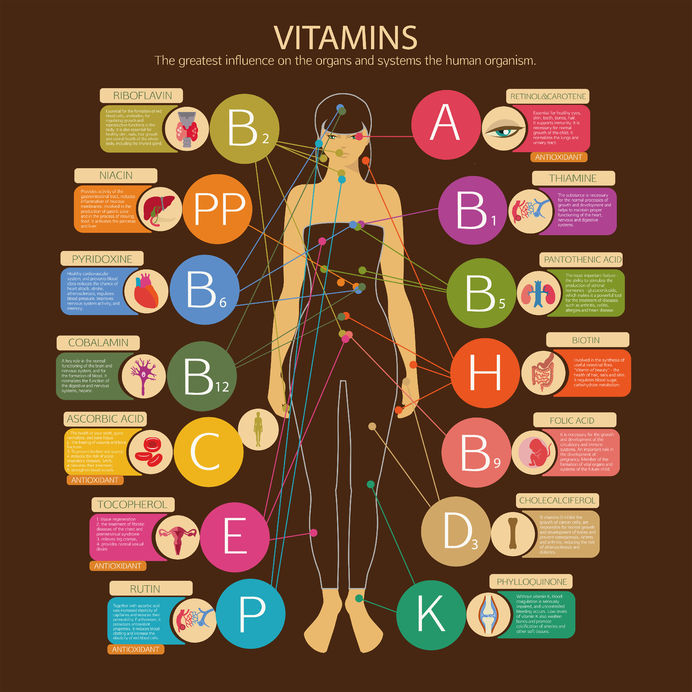
Unlocking the Power of Micronutrients for Your Health

,

When we think about nutrition, our minds often jump to macronutrients: proteins, carbs, and fats. But there’s another category of nutrients that, while needed in smaller amounts, are just as crucial for our health—micronutrients. These tiny powerhouses, including vitamins and minerals, are essential for everything from energy production to immune function. Let’s dive into the world of micronutrients, exploring their types, functions, benefits, and why they deserve a place in the spotlight.

What Are Micronutrients?

Micronutrients are vitamins and minerals required by the body in minute amounts, yet they play an enormous role in maintaining optimal health. Unlike macronutrients, which provide the energy necessary to fuel our bodies, micronutrients are involved a vast array of physiological functions, ensuring that our bodies operate smoothly.

Types of Micronutrients

Micronutrients can be broadly categorized into two groups: vitamins and minerals.

  1. Vitamins: These organic compounds are vital for various metabolic processes. There are two types of vitamins:
    • Water-soluble vitamins: These include the B-complex vitamins and vitamin C. They dissolve in water, meaning they are not stored in the body and need to be consumed regularly.
    • Fat-soluble vitamins: These include vitamins A, D, E, and K. They are absorbed along with fats in the diet and can be stored in the body’s fatty tissues.
  2. Minerals: These inorganic elements come from soil and water, and they’re absorbed by plants or consumed by animals. There are two categories of minerals:
    • Microminerals: Needed in larger amounts, these include calcium, potassium, magnesium, and sodium.
    • Trace minerals: Required in smaller quantities, these include iron, zinc, copper, and selenium.

Functions of Micronutrients

Micronutrients play diverse and critical roles in the body. Here’s a snapshot of their functions:

  • Energy Production: B-vitamins, such as B6 and B12, are crucial for converting food into energy.
  • Bone Health: Calcium and vitamin D are essential for strong bones and teeth.
  • Immune Support: Vitamins C and E, along with zinc and selenium, are key players in maintaining a robust immune system.
  • Blood Clotting: Vitamin K is necessary for the blood clotting process, which prevents excessive bleeding from injuries.
  • Antioxidant Protection: Vitamins A, C, and E function as antioxidants, protecting cells from damage caused by free radicals.
  • Growth and Development: Micronutrients like iron, iodine, and zinc are crucial for growth, development, and overall cellular function.

Benefits of Getting Enough Micronutrients

Adequate intake of micronutrients has far-reaching benefits for health and well-being:

  1. Boosts Immune Function: Regular intake of vitamins and minerals helps in building a strong immune system, reducing the risk of infections.
  2. Promotes Healthy Aging: Antioxidant vitamins protect the body from oxidative stress, slowing down the aging process and reducing the risk of chronic diseases.
  3. Enhances Mental Clarity: Certain micronutrients, like B-vitamins and omega-3 fatty acids, support brain health, improving focus, memory, and cognitive function.
  4. Supports Reproductive Health: Micronutrients like folate and zinc are essential for fertility and healthy pregnancy outcomes.
  5. Prevents Deficiencies: Ensuring an adequate intake of micronutrients prevents deficiency diseases such as scurvy (vitamin C deficiency), rickets (vitamin D deficiency), and anaemia (iron deficiency).

How to Ensure Adequate Intake of Micronutrients

To reap the benefits of micronutrients, it’s important to consume a balanced and varied diet. Here are tips to ensure you’re getting enough:

  • Eat a Rainbow: Consuming a wide variety of colourful fruits and vegetables ensures a diverse intake of vitamins and minerals.
  • Include Whole Grains: Whole grains like brown rice, oats, and quinoa are rich in B-vitamins and minerals like magnesium and iron.
  • Incorporate Lean Proteins: Meat, fish, eggs, and legumes provide essential minerals such as iron, zinc, and selenium.
  • Don’t Forget Dairy: Dairy products like milk, cheese, and yogurt are excellent sources of calcium and vitamin D.
  • Consider Fortified Foods: Foods like fortified cereals and plant-based milk can help fill in nutritional gaps.
  • Supplement Wisely: While a healthy diet should provide your nutrient needs, supplements can be useful in certain situations. Always consult with a healthcare provider before starting any supplementation.

The Bottom Line

Micronutrients may be needed in lesser amounts, but their impact on health is anything but small. From bolstering the immune system to supporting brain health and preventing chronic diseases, the importance of these nutrients cannot be overstated. By focusing on a nutrient-rich diet, you can ensure that your body gets the essential vitamins and minerals it needs to thrive.

So next time you’re planning a meal, remember to think beyond just carbs, protein, and fats. Pay attention to those vital micronutrients—they’re the tiny champions of your health!
Embracing Inner Peace: World Meditation Day 2024

Hey there, mindful souls! As the world gears up to celebrate World Meditation Day on May 21st, 2024, it’s time to dive deep into the transformative power of meditation and its profound impact on our lives.

In a world brimming with chaos, stress, and endless distractions, the practice of meditation serves as a beacon of serenity, guiding us back to our innermost selves. Whether you’re a seasoned meditator or a curious beginner, this global event invites us all to take a collective pause and reconnect with the present moment.

Here’s why World Meditation Day is more than just another day on the calendar – it’s a movement towards inner peace, clarity, and holistic well-being.

 Global Pause for Peace:

In a world that often feels divided, World Meditation Day transcends boundaries and brings people together in the spirit of unity and harmony. As millions of individuals around the globe sit in silence, the collective energy of peace and positivity ripples across continents, fostering a sense of interconnectedness and oneness.

Stress Relief in Turbulent Times:

With the fast-paced nature of modern life, stress has become an all too familiar companion for many. However, meditation offers a sanctuary of calm amidst the storm. By simply closing our eyes and focusing on our breath, we can alleviate stress, reduce anxiety, and cultivate a profound sense of relaxation that extends far beyond the meditation cushion.

A Journey Inward:

Beyond its immediate benefits, meditation is a journey inward – a voyage of self-discovery and introspection. Through regular practice, we peel back the layers of conditioning and societal noise, revealing the essence of who we truly are. World Meditation Day encourages us to embark on this inner pilgrimage, exploring the depths of our consciousness and uncovering the limitless potential that resides within.

Empowering Mind, Body, and Spirit:

The benefits of meditation extend far beyond the confines of the mind. Research has shown that regular meditation practice can lead to improved focus, enhanced creativity, and even a stronger immune system. Moreover, it fosters a profound sense of connection with our bodies and nurtures our spiritual growth, allowing us to tap into a wellspring of inner wisdom and intuition.

Seeding Positive Change:

As we cultivate peace within ourselves, we become catalysts for positive change in the world around us. World Meditation Day serves as a reminder that our individual actions ripple outward, influencing the collective consciousness and shaping the reality we inhabit. By fostering inner peace and compassion, we contribute to a more harmonious and compassionate world for future generations.

How Meditation Enhanced My Mind and Body

Meditation has been a transformative practice for both my mental and physical well-being. Through regular meditation sessions, I’ve experienced profound shifts in my overall mindset and outlook on life. Mentally, meditation has provided me with a sense of clarity and calmness amidst life’s inevitable chaos. It has become a sanctuary where I can observe my thoughts without judgment, fostering a greater sense of self-awareness and emotional resilience. Physically, the benefits have been equally remarkable. I’ve noticed a significant reduction in stress levels, leading to improvements in sleep quality and a heightened sense of energy throughout the day. Moreover, the practice has helped alleviate chronic pain and tension in my body, promoting relaxation and a greater sense of vitality. Overall, meditation has become an essential tool in my holistic approach to health, enriching both my mind and body in profound ways.

So, as May 21st approaches, let’s join hands – or rather, hearts – and embark on this transformative journey together. Whether you choose to meditate solo, join a group session, or participate in virtual events, let’s unite in the spirit of mindfulness and spread the ripple of peace far and wide.

Remember, the power to transform our world lies within each and every one of us. Let’s harness the transformative power of meditation and pave the way for a brighter, more peaceful future.

Happy World Meditation Day, fellow seekers of serenity. May your journey inward be as boundless as the universe itself.

Namaste 🙏.

Understanding Your Protein Needs

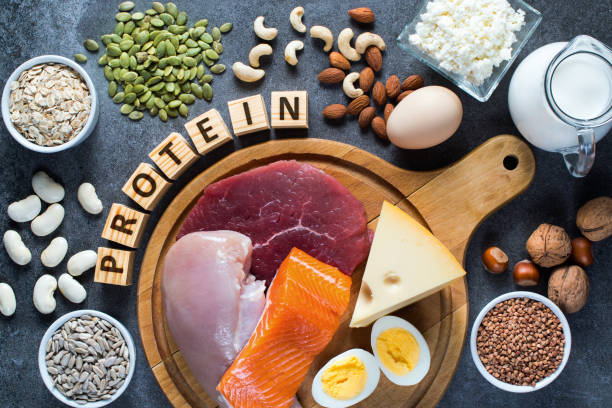
High protein food as meat, fish, dairy, eggs, buckwheat, oatmeal, nuts, bean, pumpkin seed and sunflower seed. Top view

n the realm of nutrition, protein stands out as an indispensable nutrient vital for survival. Comprising amino acids, the fundamental units that assemble proteins, it’s crucial to prioritise high-quality sources rich in essential amino acids to meet our body’s protein demands.

Protein plays a pivotal role in cellular processes throughout the body, serving as enzymes, energy sources, and facilitating muscle tissue repair post-exertion. But how much protein do we truly require?

Determining protein needs hinges on various factors, including life stage. For children, adolescents, and adults, maintaining protein balance is key, ensuring sufficient intake to replenish stores lost through metabolic processes or utilised for energy.

So, what’s the daily protein requirement?

The recommended daily allowance is approximately 0.8g per kg of body weight for adults, translating to about 46g for a 57kg woman and 56g for a 70kg man. While exceeding these targets isn’t necessarily harmful, it’s prudent to avoid surpassing 200g daily.

But what if exercise is part of the equation?

Endurance exercise or weight training elevates protein needs due to increased muscle stress and the subsequent need for repair. Recommendations from bodies like the Sports Nutrition Consensus Statement and the American College of Sports Medicine suggest a range of 1.2-1.7g per kg of body weight for athletes.

Now, where should we source our protein?

The protein quality of foods depends on their essential amino acid content and digestibility. Optimal sources encompass lean meats like chicken and turkey, eggs, nuts, soybeans, fish, and legumes.

For vegetarians and vegans, selecting high-quality meat-free alternatives such as tofu, tempeh, and Quorn is crucial. Additionally, combining complementary non-complete protein sources like grains and legumes ensures a complete amino acid profile, supporting adequate protein intake.

Ultimately, understanding your protein needs and selecting appropriate sources ensures optimal health and performance.

The Power of B-Complex Vitamins

In the realm of vitamins, the B-complex family stands out as a powerhouse, offering a multitude of benefits for overall health and well-being. From bolstering energy levels to supporting nerve function, these essential nutrients play a crucial role in various bodily processes. However, like any supplement, understanding their benefits, potential side effects, and proper dosage is key to harnessing their full potential. 

What are B-Complex Vitamins?

B-complex vitamins comprise a group of eight water-soluble vitamins that are essential for various metabolic processes in the body. They include:

Vitamin B1 (Thiamine): Thiamine is crucial for energy metabolism and nerve function. It helps convert carbohydrates into energy and plays a role in the synthesis of neurotransmitters.

Vitamin B2 (Riboflavin): Riboflavin is involved in energy production, cell growth, and the metabolism of fats, drugs, and steroids. It also acts as an antioxidant, protecting cells from oxidative damage.

Vitamin B3 (Niacin): Niacin is essential for energy metabolism, DNA repair, and cell signalling. It helps lower cholesterol levels and has been used to treat conditions like high cholesterol and pellagra.

Vitamin B5 (Pantothenic Acid): Pantothenic acid is a component of coenzyme A, which plays a vital role in energy metabolism and the synthesis of fatty acids, cholesterol, and steroid hormones.

Vitamin B6 (Pyridoxine): Pyridoxine is involved in over 100 enzyme reactions, including those related to amino acid metabolism, neurotransmitter synthesis, and haemoglobin formation.

Vitamin B7 (Biotin): Biotin is essential for fatty acid synthesis, amino acid metabolism, and gluconeogenesis. It is often associated with promoting healthy skin, hair, and nails.

Vitamin B9 (Folate): Folate plays a crucial role in DNA synthesis and repair, cell division, and the formation of red blood cells. It is particularly important during pregnancy to prevent neural tube defects.

Vitamin B12 (Cobalamin): Vitamin B12 is essential for DNA synthesis, red blood cell formation, and neurological function. It also plays a role in energy metabolism and the breakdown of fatty acids and amino acids.

Benefits of B-Complex Vitamins:

Energy Boost: B-complex vitamins, particularly B1 (thiamine), B2 (riboflavin), B3 (niacin), B5 (pantothenic acid), and B6 (pyridoxine), play a pivotal role in converting food into energy. They participate in the metabolism of carbohydrates, fats, and proteins, providing the body with the fuel it needs to function optimally.

Nervous System Support: B-complex vitamins are essential for maintaining a healthy nervous system. Vitamin B12, in particular, is crucial for the production of myelin, a protective sheath that surrounds nerves, ensuring efficient transmission of nerve impulses. Deficiencies in B vitamins can lead to neurological symptoms like numbness, tingling, and even nerve damage.

Mood Regulation: Certain B vitamins, such as B6, B9 (folate), and B12, are involved in the synthesis of neurotransmitters like serotonin and dopamine, which play a key role in regulating mood. Adequate levels of these vitamins are essential for mental well-being and may help alleviate symptoms of depression and anxiety.

Heart Health: B-complex vitamins, particularly B6, B9, and B12, play a vital role in maintaining heart health. They help regulate homocysteine levels, an amino acid linked to an increased risk of heart disease when elevated. By keeping homocysteine levels in check, B-complex vitamins contribute to a healthy cardiovascular system.

Skin, Hair, and Nail Health: Biotin, a member of the B-complex family, is renowned for its role in promoting healthy skin, hair, and nails. It supports the production of keratin, a protein that forms the structural basis of these tissues, helping maintain their strength and integrity.

Side Effects of B-Complex Vitamins:

While B-complex vitamins offer numerous benefits, excessive intake can lead to potential side effects. It’s essential to be mindful of the following:

Nausea and Digestive Disturbances: High doses of certain B vitamins, particularly niacin (B3) and pyridoxine (B6), may cause nausea, vomiting, and digestive discomfort. These symptoms usually occur with doses well above the recommended daily intake.

Flushing: Niacin supplementation at high doses can cause a temporary flushing sensation, accompanied by redness and warmth of the skin. This side effect is more common with immediate-release niacin formulations.

Nerve Toxicity: Extremely high doses of vitamin B6 over an extended period can lead to nerve toxicity, resulting in sensory neuropathy characterised by numbness, tingling, and weakness in the limbs.

Dosage Recommendations:

Determining the appropriate dosage of B-complex vitamins depends on various factors, including age, sex, health status, and individual needs. Here are the recommended daily allowances (RDAs) for adults:

  • B1 (Thiamine): 1.1-1.2 mg
  • B2 (Riboflavin): 1.1-1.3 mg
  • B3 (Niacin): 14-16 mg NE (niacin equivalent)
  • B5 (Pantothenic Acid): 5 mg
  • B6 (Pyridoxine): 1.3-1.7 mg
  • B7 (Biotin): 30-35 mcg
  • B9 (Folate): 400-600 mcg DFE (dietary folate equivalents)
  • B12 (Cobalamin): 2.4 mcg

It’s essential to obtain B-complex vitamins from a balanced diet whenever possible, as food sources provide not only the vitamins themselves but also other essential nutrients and cofactors necessary for optimal absorption and utilisation.

B-complex vitamins are integral to overall health, offering a wide array of benefits ranging from energy metabolism to nervous system support and beyond. While supplementation may be necessary in certain cases, it’s crucial to approach it with caution, ensuring proper dosage and monitoring for any adverse effects. By understanding the benefits, potential side effects, and appropriate dosage of B-complex vitamins, individuals can harness their full potential and pave the way to enhanced well-being.

Nourishing Your Body: How Nutrition Can Help with PCOS

Polycystic Ovary Syndrome (PCOS) is a common hormonal disorder affecting people of reproductive age, characterised by irregular periods, excess androgen levels, and polycystic ovaries. Beyond its reproductive implications, PCOS can also lead to various metabolic and cardiovascular complications. While there’s no cure for PCOS, adopting a well-balanced diet can significantly alleviate its symptoms and improve overall health. In this blog, we’ll delve into how nutrition plays a crucial role in managing PCOS and nourishing your body effectively.

Understanding PCOS and its Dietary Implications:

PCOS disrupts the normal balance of hormones in the body, leading to insulin resistance, which in turn affects how the body processes glucose and regulates blood sugar levels. Insulin resistance is often a key factor in the development of metabolic disturbances such as type 2 diabetes and obesity, both of which are commonly associated with PCOS.

Moreover, individuals with PCOS often have higher levels of androgens, such as testosterone, which can lead to symptoms like acne, excessive hair growth, and weight gain. These hormonal imbalances make it essential to adopt a diet that helps regulate insulin levels and manage weight effectively.

The Role of Nutrition in PCOS Management:

Balancing Carbohydrates: 

Opting for complex carbohydrates with a low glycemic index can help stabilise blood sugar levels and improve insulin sensitivity. Foods like whole grains, legumes, vegetables, and fruits are excellent choices as they provide sustained energy without causing sharp spikes in blood sugar.

Healthy Fats: 

Incorporating healthy fats, such as those found in nuts, seeds, avocados, and fatty fish, can aid in hormone regulation and reduce inflammation associated with PCOS. Omega-3 fatty acids, in particular, have been shown to have beneficial effects in managing symptoms of PCOS.

Protein-Rich Foods: 

Including lean sources of protein, such as poultry, fish, tofu, and legumes, can help promote satiety and stabilise blood sugar levels. Protein also plays a crucial role in muscle building and repair, which is beneficial for individuals with PCOS who may be trying to manage their weight.

Faber-Rich Foods: 

Fibre helps slow down the digestion of carbohydrates, preventing rapid spikes in blood sugar levels. Additionally, fibre promotes satiety and aids in digestion, which can be beneficial for weight management. Foods like vegetables, fruits, whole grains, and legumes are excellent sources of dietary fibre.

Limiting Processed Foods and Added Sugars: 

Processed foods and those high in added sugars can exacerbate insulin resistance and promote inflammation. Avoiding sugary beverages, desserts, and highly processed snacks is crucial for managing PCOS symptoms and maintaining overall health.

Mindful Eating: 

Practicing mindful eating techniques, such as paying attention to hunger and fullness cues, can help prevent overeating and promote a healthy relationship with food. Mindful eating can also reduce stress levels, which may positively impact hormone balance in individuals with PCOS.

Hydration: 

Staying hydrated is essential for overall health and can aid in hormone regulation and digestion. Opt for water as the primary beverage choice and limit intake of sugary drinks and alcohol.

While PCOS presents unique challenges, adopting a nutrient-dense diet can significantly improve symptoms and overall well-being. By focusing on whole, unprocessed foods and prioritising nutrient balance, individuals with PCOS can better manage their hormonal imbalances, insulin resistance, and weight. Consulting with a registered dietitian or healthcare provider can provide personalised guidance and support in developing a nutrition plan tailored to individual needs. Remember, nourishing your body with the right foods is a powerful tool in managing PCOS and optimising health for the long term.