
Can Cracked Heels Be Caused by a Vitamin Deficiency? Unraveling the Connection

Cracked heels, also known as heel fissures, can be a painful and uncomfortable condition. While several factors contribute to their development, including inadequate foot care and wearing improper footwear, there is growing interest in exploring the link between cracked heels and nutritional deficiencies, particularly vitamin deficiencies. In this blog post, we will delve into the relationship between cracked heels and vitamin deficiency, exploring the key vitamins involved and how you can maintain healthy feet through proper nutrition.

Understanding Cracked Heels:

Cracked heels occur when the skin around the heels becomes dry, hard, and flaky, often leading to painful fissures or deep cracks. This condition is not only unsightly but can also cause discomfort, pain, and even bleeding. Cracked heels are typically a result of insufficient moisture, excessive pressure on the feet, or certain underlying health conditions.

The Role of Vitamins in Skin Health:

Healthy skin relies on a variety of vitamins and minerals to maintain its integrity and function properly. Several vitamins play a crucial role in skin health, including:

Vitamin E: Known for its antioxidant properties, vitamin E helps in protecting the skin from damage caused by free radicals. It aids in skin repair and regeneration, making it essential for preventing and healing cracked heels.

Vitamin C: This vitamin is vital for collagen synthesis, a protein that provides structure to the skin. Collagen helps maintain skin elasticity and prevents it from becoming dry and cracked.

Vitamin A: Essential for skin repair and maintenance, vitamin A promotes the growth and differentiation of skin cells. It helps keep the skin soft and supple, reducing the likelihood of developing cracks.

Vitamin B3 (Niacin): Niacin is essential for maintaining healthy skin and has been found to be effective in treating various skin conditions. It helps in improving the moisture barrier of the skin, preventing dryness and cracks.

Vitamin B7 (Biotin): Biotin is often associated with hair and nail health, but it also contributes to skin health. It supports the production of fatty acids, which are essential for maintaining skin moisture.

Identifying Vitamin Deficiencies:

Several signs indicate a deficiency in these vital vitamins, including dry and flaky skin, slow wound healing, and a weakened immune system. If you are experiencing persistent issues with cracked heels, it’s advisable to consult a healthcare professional for a proper diagnosis. They can conduct tests to determine if your cracked heels are indeed linked to a vitamin deficiency.

Prevention and Treatment:

Balanced Diet: To promote overall skin health, consume a balanced diet rich in fruits, vegetables, whole grains, and lean proteins. These foods provide the necessary vitamins and minerals for healthy skin.

Hydration: Drink an adequate amount of water daily to keep your body and skin hydrated. Proper hydration is essential for maintaining skin elasticity.

Moisturise: Use a good quality moisturiser or foot cream, preferably one that contains urea or glycerin, to keep your feet moisturised. Apply it regularly, especially after bathing, to lock in moisture.

Foot Soaks: Soaking your feet in warm water can help soften the skin, making it easier to exfoliate dead skin cells. You can add a few drops of essential oils like lavender or tea tree oil for added benefits.

Comfortable Footwear: Wear comfortable, well-fitting shoes that provide proper support to your feet. Avoid open-back shoes or sandals that expose your heels to excessive pressure.

While cracked heels can be caused by various factors, including vitamin deficiencies, it’s essential to address the root cause to effectively prevent and treat this condition. By maintaining a balanced diet, staying properly hydrated, and taking good care of your feet, you can promote overall skin health and bid farewell to painful cracked heels. If you suspect a vitamin deficiency, consult a healthcare professional for personalised guidance, ensuring your skin—and your overall health—receives the care it deserves.

The Most Effective Ayurvedic Remedies for Common Digestive Problems

Digestive issues can be a real hindrance to our overall well-being. From occasional indigestion to more chronic conditions like irritable bowel syndrome (IBS), these problems can significantly affect our quality of life. While modern medicine offers various solutions, Ayurveda, an ancient holistic healing system from India, provides time-tested remedies for common digestive problems. In this blog, we will explore some of the most effective Ayurvedic remedies that can help alleviate digestive issues and promote overall digestive health.

Triphala: The Three-Fruit Powerhouse

Triphala, a traditional Ayurvedic herbal formula, is one of the most popular remedies for digestive problems. It is a blend of three fruits: Amla (Indian Gooseberry), Haritaki (Chebulic Myrobalan), and Bibhitaki (Belleric Myrobalan). Triphala is known for its gentle laxative properties, which can help regulate bowel movements and cleanse the digestive system. It also aids in detoxification, improves digestion, and enhances nutrient absorption. To use Triphala, mix half a teaspoon of the powder with warm water and consume it before bedtime. Regular use can help maintain a healthy digestive system.

Ginger: Nature’s Digestive Aid

Ginger has been revered for centuries as a potent remedy for digestive issues. Its active compounds, gingerol, and shogaol, help stimulate saliva, bile, and gastric enzymes, which aid in the digestion process. Ginger also has anti-inflammatory properties that can reduce inflammation in the digestive tract. You can consume ginger in various forms, such as ginger tea, fresh ginger juice, or simply chewing on small pieces of raw ginger before meals. This will not only improve digestion but also relieve symptoms like bloating and gas.

Ajwain (Carom Seeds): A Quick Fix for Indigestion

Ajwain, commonly known as carom seeds, is a popular spice used in Indian cuisine and Ayurvedic remedies. Its powerful carminative properties help ease indigestion, gas, and bloating. Ajwain seeds also have antacid properties that can provide relief from acidity and heartburn. To use ajwain, dry-roast the seeds slightly and chew a small amount after meals. Alternatively, you can boil a teaspoon of ajwain seeds in a glass of water, strain, and drink the infused water for quick relief.

Aloe Vera: Soothing the Digestive Tract

Aloe vera, well-known for its skin-healing properties, also benefits the digestive system. It contains enzymes that aid in the breakdown of food and promote better nutrient absorption. Aloe vera also has a soothing effect on the stomach lining, making it helpful for conditions like gastritis and acid reflux. To harness its benefits, drink aloe vera juice (free of aloin) or gel before meals. However, pregnant women and those with specific medical conditions should consult a healthcare professional before using aloe vera internally.

Trikatu: The Ayurvedic Digestive Spice Blend

Trikatu is a blend of three potent spices – black pepper, long pepper, and ginger. This combination creates a powerful digestive stimulant that boosts metabolism and improves digestion. Trikatu helps increase gastric secretions and reduces bloating, making it an effective remedy for sluggish digestion. You can consume Trikatu in powdered form by mixing equal parts of black pepper, long pepper, and dried ginger. Take half a teaspoon with warm water or honey before meals for best results.

Ayurveda offers a treasure trove of natural remedies for common digestive problems. By incorporating these Ayurvedic remedies into your daily routine,

7 of the Most Powerful Herbs and Spices that Help You Fight Better

Nature has bestowed upon us an incredible array of herbs and spices, each brimming with unique properties that can significantly enhance our well-being. Beyond their culinary delights, many of these natural wonders contain potent compounds that can fortify our bodies and minds, empowering us to fight better in our daily battles against stress, illness, and fatigue. In this blog, we will explore seven of the most powerful herbs and spices that can bolster our resilience and overall health, enabling us to face life’s challenges with visor and vitality.

Turmeric – The Golden Wonder:

Turmeric, often referred to as the “Golden Spice of India,” is renowned for its active compound, curcumin. With powerful anti-inflammatory and antioxidant properties, curcumin aids in combating inflammation and oxidative stress, both of which are key contributors to various chronic diseases. Incorporating turmeric into your diet can help bolster your immune system, improve brain function, and support joint health, making it a valuable ally in your fight for better health.

Ashwagandha – The Adaptogen Champion:

Ashwagandha, an ancient Ayurvedic herb, is classified as an adaptogen, meaning it helps the body adapt to stress and maintain balance. It can reduce cortisol levels, which are associated with stress, and promote relaxation. Additionally, ashwagandha has been linked to improved stamina, enhanced cognitive function, and increased energy levels, making it an ideal companion in the quest for improved resilience.

Garlic – The Ailment Annihilator:

Garlic has been revered for centuries for its potential to bolster the immune system. Packed with allicin, a compound with potent antimicrobial and antiviral properties, garlic can help fend off infections and strengthen your body’s defences. Regular consumption of garlic may also support heart health by reducing cholesterol levels and regulating blood pressure, making it a vital fighter in the battle against cardiovascular issues.

Cinnamon – The Sweet Spice Warrior:

This fragrant spice not only enhances the taste of dishes but also offers numerous health benefits. Cinnamon contains powerful antioxidants that combat inflammation and promote overall well-being. Additionally, it has been shown to help regulate blood sugar levels, making it a valuable asset in the fight against diabetes and metabolic disorders.

Ginseng – The Vitality Enhancer:

Ginseng, a revered herb in traditional Chinese medicine, is well-known for its ability to boost energy levels and improve stamina. It helps the body handle physical and mental stress more effectively and may even enhance cognitive function. Regular consumption of ginseng can support the immune system, increase resilience, and improve overall vitality.

Ginger – The Zesty Defender:

Ginger is not just a spice that adds zest to your meals; it’s also a powerful fighter against inflammation and nausea. Its bioactive compounds, gingerols, have antioxidant and anti-inflammatory effects that can contribute to better joint health and alleviate muscle soreness after physical activity. Moreover, ginger can aid in digestion and improve gut health, providing a robust defence against gastrointestinal issues.

Holy Basil – The Stress Buster:

Also known as Tulsi, Holy Basil is revered for its adaptogenic properties, helping the body cope with stress and anxiety. This herb supports the adrenal glands, which are responsible for managing stress hormones. By incorporating Holy Basil into your daily routine, you can promote emotional well-being, mental clarity, and a stronger immune system.

Nature’s bountiful offering of herbs and spices provides us with powerful allies in our quest for better health and resilience. Incorporating turmeric, ashwagandha, garlic, cinnamon, ginseng, ginger, and holy basil into our diets can significantly enhance our body and health.

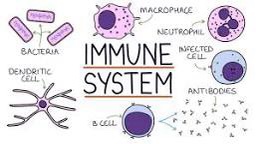
Foods That May Weaken Your Immune System

Maintaining a strong and robust immune system is crucial for our overall health and well-being. It acts as a defense mechanism, protecting our bodies from harmful pathogens and infections. While several factors contribute to a healthy immune system, including adequate sleep, exercise, and stress management, our diet plays a significant role as well. Certain foods can weaken our immune system and make us more susceptible to illnesses. In this blog post, we will explore some common foods that may have a negative impact on our immune health.

Sugar and Artificial Sweeteners:
 Excessive consumption of sugar and artificial sweeteners can significantly impair immune function. Studies have shown that high sugar intake can suppress immune response and reduce the effectiveness of white blood cells in fighting off bacteria. Furthermore, it can lead to inflammation and contribute to chronic conditions such as obesity and diabetes, which also weaken the immune system. Limiting your intake of sugary beverages, processed snacks, and desserts is essential for maintaining a strong immune system.

Processed Foods:
 Processed foods, including fast food, frozen meals, and packaged snacks, are often high in unhealthy fats, sodium, and artificial additives. These foods lack essential nutrients and are often stripped of their natural immune-boosting properties. Additionally, the high levels of sodium found in processed foods can cause water retention, leading to dehydration, which can negatively affect immune function. Opting for whole, unprocessed foods like fruits, vegetables, whole grains, and lean proteins can help strengthen your immune system.

Saturated and Trans Fats:

Saturated and trans fats, commonly found in fried foods, fatty cuts of meat, and processed snacks, have been linked to an increased risk of heart disease and other chronic conditions. These unhealthy fats can trigger inflammation in the body, impair immune response, and decrease the production of infection-fighting antibodies. Choosing healthier fat sources like avocados, nuts, seeds, and olive oil can provide the body with essential nutrients and support a strong immune system.

Alcohol:
Excessive alcohol consumption can have detrimental effects on the immune system. Alcohol is known to suppress immune activity, making the body more susceptible to infections and illnesses. It can impair the function of white blood cells, decrease the production of antibodies, and disrupt the balance of gut bacteria, which plays a vital role in immune health. Moderation is key when it comes to alcohol consumption, and it’s important to stay within recommended limits for optimal immune function.

High-Caffeine Beverages:
 While moderate consumption of caffeine can have some health benefits, excessive intake can have a negative impact on immune function. High caffeine beverages like energy drinks and excessive amounts of coffee can disrupt sleep patterns, increase stress levels, and lead to dehydration. Lack of quality sleep and increased stress weaken the immune system, making us more vulnerable to infections. Opting for herbal teas or limiting caffeine intake to moderate levels can help maintain a healthy immune system.

A healthy and balanced diet is vital for supporting a strong immune system. By avoiding or limiting the consumption of foods that can weaken our immune function, such as sugar, processed foods, unhealthy fats, alcohol, and high-caffeine beverages, we can enhance our body’s ability to fight off infections and maintain optimal health. Instead, focusing on a diet rich in whole, unprocessed foods, fruits, vegetables, lean proteins, and healthy fats will provide the nutrients necessary to support a robust immune system. Remember, small changes in your dietary habits can have a significant impact on your overall well-being.

Protein Vegan Banana 🍌 Smoothie an old favourite go to! I love this soooo much especially when the 🍌 🍌 🍌 are ripe! 😋

It’s so easy to make, nutritious and you can use any milk you like….💖

Banana is a super food, it gives us a good dose of vitamin B6 and magnesium. Banana helps to replenish electrolytes and contain complex carbs that keeps your gut health on track. Potassium in banana can help flush extra sodium through urine.

1 medium banana contains the following :

• about 100 calories

• 27 grams carbs

• 14 grams sugar

• 88 grams water

• 10 milligrams vitamin C

• 422 milligrams potassium

• 3 grams fibre

Heath benefits of banana shake

• Skin health

• Muscle cramps

• Weight loss

• Hangover

Ingredients

1 fresh banana

2 cups of coconut milk

1 tsp of peanut butter

Method

Just put all the ingredients in the blender and blend until smooth.

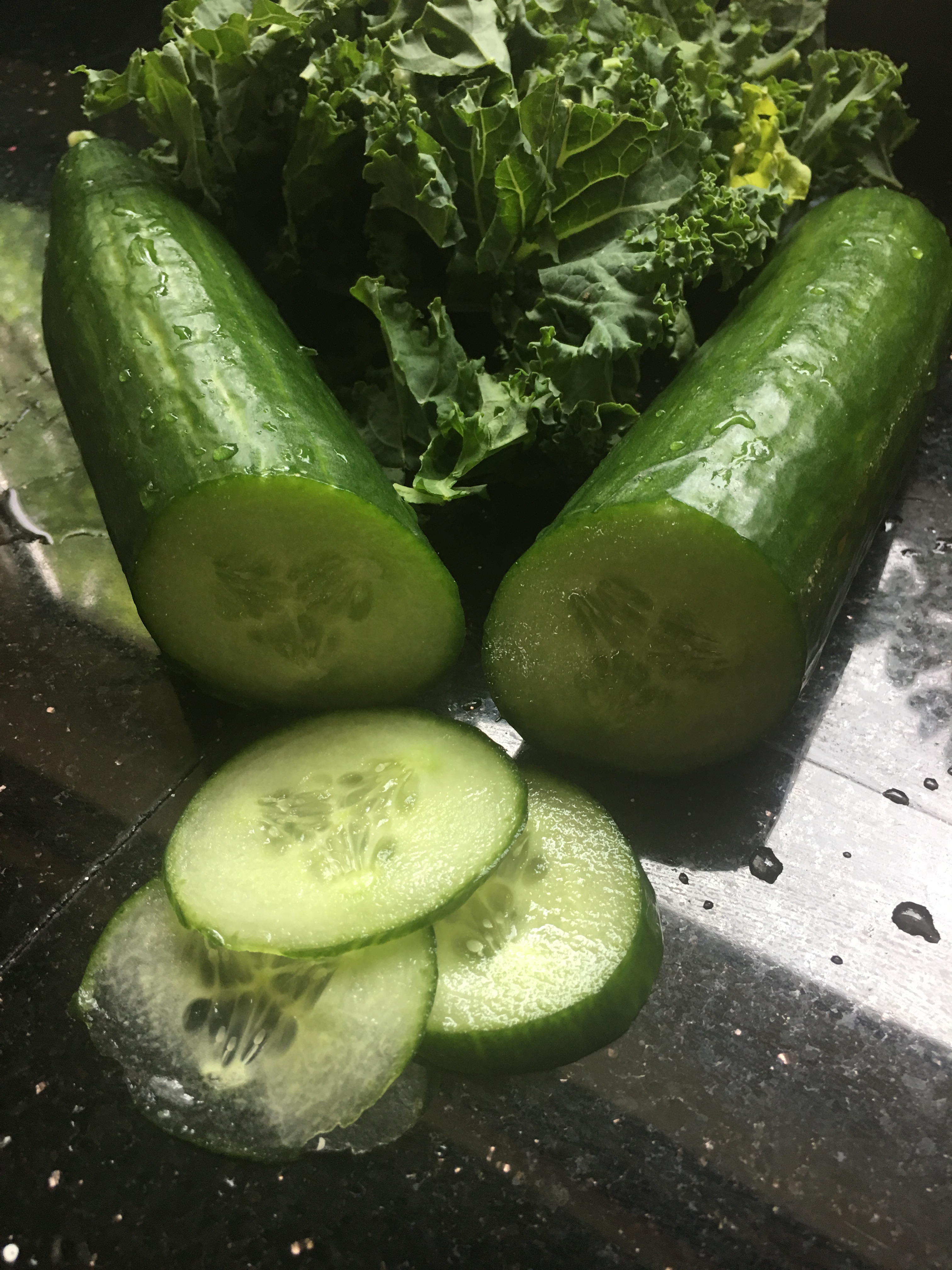
The Magic of Cucumber 🥒 🥒

Cucumber is my favourite vegetable! I am a fiend when it comes to cucumber – I just can’t get enough of it!

Cucumber contains Vitamin B1, Vitamin B2, Vitamin B3, Vitamin B5, Vitamin B6, Folic Acid, Vitamin C, Calcium, Iron, Magnesium, Phosphorus, Potassium and Zinc. 

Cucumber has enough sugar, B vitamins and electrolytes to replenish essential nutrients in the body to avoid headaches.

Cucumber has been used for centuries as a beauty product, it lightens, brightens, hydrates and tones the skin too!

Get eating more of this vegetable in your diet!