Embracing a Heart-Healthy Lifestyle: Cholesterol-Lowering Vegan and Vegetarian Foods to Add to Your Diet

n a world where fast-paced lifestyles and convenience often take precedence, maintaining a heart-healthy diet becomes increasingly crucial. Cholesterol levels play a significant role in heart health, and adopting a vegan or vegetarian lifestyle can be a powerful step towards lowering cholesterol naturally. Let’s explore some nutrient-rich plant-based foods that not only taste delicious but also contribute to a healthier heart.

Oats: The Powerhouse Breakfast

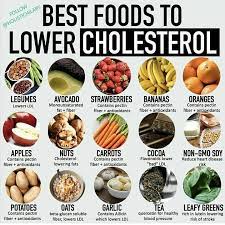
Start your day right with a bowl of oats. Rich in beta-glucans, a type of soluble fibre, oats help reduce cholesterol levels by binding to cholesterol molecules and eliminating them from the body. Enjoy a warm bowl of oatmeal topped with fruits, nuts, and seeds for a cholesterol-lowering breakfast.

Avocado: Creamy Goodness

Avocados are not only creamy and delicious but also packed with heart-healthy monounsaturated fats. These fats help lower LDL (low-density lipoprotein) cholesterol while maintaining or increasing HDL (high-density lipoprotein) cholesterol. Incorporate avocados into salads, spread them on whole-grain toast, or blend them into a smoothie for a tasty cholesterol-friendly treat.

Legumes: A Fiber and Protein Boost

Beans, lentils, and chickpeas are excellent sources of soluble fibre and plant-based protein. Fibre helps lower cholesterol by binding to it and carrying it out of the body. Swap meat for legumes in soups, stews, and salads to boost your nutrient intake and promote heart health.

Nuts and Seeds: Tiny Powerhouses

Almonds, walnuts, flaxseeds, and chia seeds are rich in omega-3 fatty acids and fibre. These healthy fats have been shown to reduce LDL cholesterol levels. Snack on a handful of nuts or sprinkle seeds on your morning cereal or yogurt to enjoy their cholesterol-lowering benefits.

Leafy Greens: A Heart-Healthy Staple

Dark, leafy greens such as spinach, kale, and Swiss chard are packed with antioxidants and fibre. The combination of these nutrients helps lower cholesterol levels and promotes overall cardiovascular health. Incorporate these greens into salads, smoothies, or sautés for a delicious and nutritious addition to your diet.

Whole Grains: The Fibre Champions

Whole grains like quinoa, brown rice, and barley are rich in soluble fibre, making them effective in reducing cholesterol. Replace refined grains with whole grains to benefit from their nutritional value and support heart health.

Berries: Antioxidant-Rich Delights

Berries such as blueberries, strawberries, and raspberries are not only sweet and flavourful but also high in antioxidants. These antioxidants contribute to heart health by reducing inflammation and protecting blood vessels. Enjoy a handful of berries as a snack or add them to your morning smoothie.

Transitioning to a vegan or vegetarian diet can be a positive step towards lowering cholesterol and promoting heart health. By incorporating these nutrient-rich foods into your daily meals, you can enjoy a delicious, varied diet while actively taking care of your cardiovascular well-being. Remember to consult with a healthcare professional or a nutritionist for personalised advice tailored to your specific needs. Here’s to a heart-healthy and cholesterol-friendly journey through the world of plant-based nutrition!

The 11 Most Nutrient-Dense Foods on the Planet

In today’s fast-paced world, where processed foods and sugary snacks dominate the market, it’s essential to prioritise nutrient-dense foods to maintain optimal health. Nutrient-dense foods are rich in essential vitamins, minerals, and other nutrients, providing us with the fuel and nourishment our bodies need to thrive. In this blog post, we’ll explore the eleven most nutrient-dense foods on the planet, each offering a powerhouse of health benefits.

Spinach

Popeye’s favourite food is a nutritional powerhouse. Spinach is packed with vitamins A, C, and K, as well as folate, iron, and calcium. It also contains beneficial phytochemical like lutein and zeaxanthin, promoting healthy vision. Incorporating spinach into salads, smoothies, and stir-fries can significantly boost your nutrient intake.

Kale

Kale is another leafy green that deserves a spot in your diet. One cup of kale provides more than 100% of the daily recommended intake of vitamins A, C, and K. Additionally, kale is a great source of antioxidants, fibre, and omega-3 fatty acids. Include kale in your meals to support heart health and reduce inflammation.

Blueberries

These little blue gems are not only delicious but also packed with antioxidants, particularly flavonoids. Antioxidants play a vital role in protecting our cells from oxidative stress and reducing the risk of age-related diseases. Blueberries are also rich in vitamin C, vitamin K, and fibre, making them a perfect addition to your breakfast or snacks.

Sweet Potatoes

Sweet potatoes are a rich source of complex carbohydrates, fibre, and an array of vitamins and minerals, including vitamin A, vitamin C, potassium, and manganese. They have a lower glycemic index than regular potatoes, making them an excellent choice for stable blood sugar levels.

Almonds

Almonds are a convenient and nutrient-dense snack. They are packed with healthy monounsaturated fats, which are beneficial for heart health. Almonds also provide protein, fibre, vitamin E, magnesium, and calcium, making them a well-rounded food for overall wellness.

Quinoa

Quinoa is a complete protein, containing all nine essential amino acids required by the body. It’s also a good source of fibre, iron, magnesium, and B-vitamins. This ancient grain is an excellent option for vegans and vegetarians looking to boost their nutrient intake.

Chia Seeds

Chia seeds are tiny nutritional powerhouses that pack a punch of omega-3 fatty acids, fibre, protein, calcium, and antioxidants. When soaked, chia seeds form a gel-like consistency, which can be used in puddings, smoothies, or as an egg substitute in baking.

Broccoli

Broccoli is a cruciferous vegetable known for its cancer-fighting properties. It’s rich in vitamins C, K, and A, as well as finer and various antioxidants. Regularly consuming broccoli can support a healthy immune system and promote overall well-being.

Beans and Lentils

Beans and lentils are excellent sources of plant-based protein, making them vital for vegans and vegetarians. They are also high in fibre, iron, potassium, and folate. Adding these legumes to your diet can improve heart health and aid in digestion.

Avocado

Avocado is a unique fruit because it’s high in healthy monounsaturated fats. These fats are beneficial for heart health and can help with nutrient absorption from other foods. Avocados also contain potassium, fibre, and vitamins K, C, E, and B-6.

Incorporating nutrient-dense foods into your diet can significantly impact your overall health and well-being. From leafy greens like spinach and kale to protein-packed salmon and quinoa, these foods provide an abundance of essential nutrients that support various bodily functions. Embrace a balanced diet with these eleven nutrient-dense foods, and you’ll be well on your way to a healthier and more vibrant life. Remember, small changes in your eating habits can make a big difference in your long-term health.