

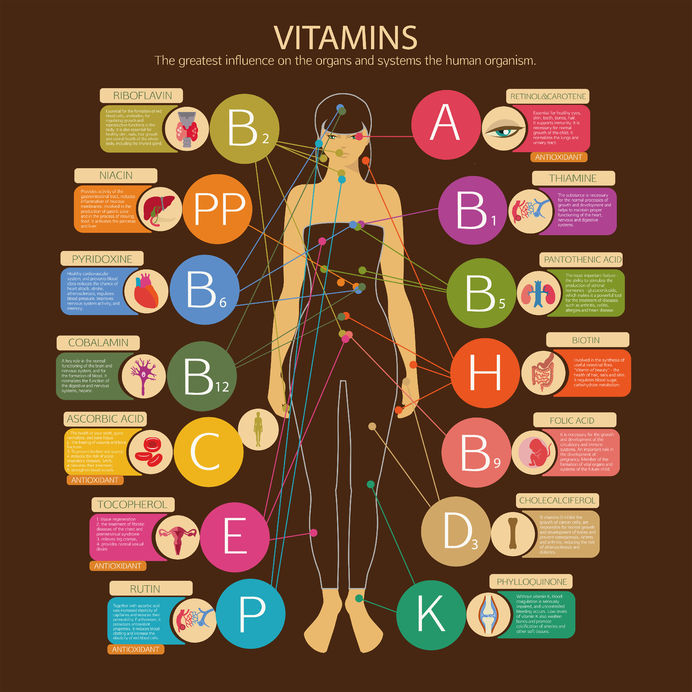
When we think about nutrition, our minds often jump to macronutrients: proteins, carbs, and fats. But there’s another category of nutrients that, while needed in smaller amounts, are just as crucial for our health—micronutrients. These tiny powerhouses, including vitamins and minerals, are essential for everything from energy production to immune function. Let’s dive into the world of micronutrients, exploring their types, functions, benefits, and why they deserve a place in the spotlight.
What Are Micronutrients?
Micronutrients are vitamins and minerals required by the body in minute amounts, yet they play an enormous role in maintaining optimal health. Unlike macronutrients, which provide the energy necessary to fuel our bodies, micronutrients are involved a vast array of physiological functions, ensuring that our bodies operate smoothly.
Types of Micronutrients
Micronutrients can be broadly categorized into two groups: vitamins and minerals.
- Vitamins: These organic compounds are vital for various metabolic processes. There are two types of vitamins:
- Water-soluble vitamins: These include the B-complex vitamins and vitamin C. They dissolve in water, meaning they are not stored in the body and need to be consumed regularly.
- Fat-soluble vitamins: These include vitamins A, D, E, and K. They are absorbed along with fats in the diet and can be stored in the body’s fatty tissues.
- Minerals: These inorganic elements come from soil and water, and they’re absorbed by plants or consumed by animals. There are two categories of minerals:
- Microminerals: Needed in larger amounts, these include calcium, potassium, magnesium, and sodium.
- Trace minerals: Required in smaller quantities, these include iron, zinc, copper, and selenium.
Functions of Micronutrients
Micronutrients play diverse and critical roles in the body. Here’s a snapshot of their functions:
- Energy Production: B-vitamins, such as B6 and B12, are crucial for converting food into energy.
- Bone Health: Calcium and vitamin D are essential for strong bones and teeth.
- Immune Support: Vitamins C and E, along with zinc and selenium, are key players in maintaining a robust immune system.
- Blood Clotting: Vitamin K is necessary for the blood clotting process, which prevents excessive bleeding from injuries.
- Antioxidant Protection: Vitamins A, C, and E function as antioxidants, protecting cells from damage caused by free radicals.
- Growth and Development: Micronutrients like iron, iodine, and zinc are crucial for growth, development, and overall cellular function.
Benefits of Getting Enough Micronutrients
Adequate intake of micronutrients has far-reaching benefits for health and well-being:
- Boosts Immune Function: Regular intake of vitamins and minerals helps in building a strong immune system, reducing the risk of infections.
- Promotes Healthy Aging: Antioxidant vitamins protect the body from oxidative stress, slowing down the aging process and reducing the risk of chronic diseases.
- Enhances Mental Clarity: Certain micronutrients, like B-vitamins and omega-3 fatty acids, support brain health, improving focus, memory, and cognitive function.
- Supports Reproductive Health: Micronutrients like folate and zinc are essential for fertility and healthy pregnancy outcomes.
- Prevents Deficiencies: Ensuring an adequate intake of micronutrients prevents deficiency diseases such as scurvy (vitamin C deficiency), rickets (vitamin D deficiency), and anaemia (iron deficiency).
How to Ensure Adequate Intake of Micronutrients
To reap the benefits of micronutrients, it’s important to consume a balanced and varied diet. Here are tips to ensure you’re getting enough:
- Eat a Rainbow: Consuming a wide variety of colourful fruits and vegetables ensures a diverse intake of vitamins and minerals.
- Include Whole Grains: Whole grains like brown rice, oats, and quinoa are rich in B-vitamins and minerals like magnesium and iron.
- Incorporate Lean Proteins: Meat, fish, eggs, and legumes provide essential minerals such as iron, zinc, and selenium.
- Don’t Forget Dairy: Dairy products like milk, cheese, and yogurt are excellent sources of calcium and vitamin D.
- Consider Fortified Foods: Foods like fortified cereals and plant-based milk can help fill in nutritional gaps.
- Supplement Wisely: While a healthy diet should provide your nutrient needs, supplements can be useful in certain situations. Always consult with a healthcare provider before starting any supplementation.
The Bottom Line
Micronutrients may be needed in lesser amounts, but their impact on health is anything but small. From bolstering the immune system to supporting brain health and preventing chronic diseases, the importance of these nutrients cannot be overstated. By focusing on a nutrient-rich diet, you can ensure that your body gets the essential vitamins and minerals it needs to thrive.
So next time you’re planning a meal, remember to think beyond just carbs, protein, and fats. Pay attention to those vital micronutrients—they’re the tiny champions of your health!

 Lena's Kitchen