
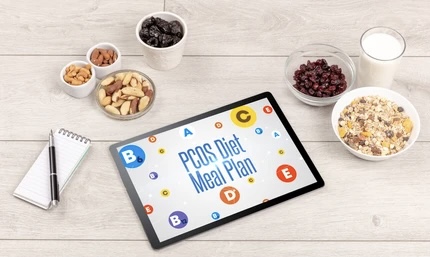
Nourishing Your Body: How Nutrition Can Help with PCOS

Polycystic Ovary Syndrome (PCOS) is a common hormonal disorder affecting people of reproductive age, characterised by irregular periods, excess androgen levels, and polycystic ovaries. Beyond its reproductive implications, PCOS can also lead to various metabolic and cardiovascular complications. While there’s no cure for PCOS, adopting a well-balanced diet can significantly alleviate its symptoms and improve overall health. In this blog, we’ll delve into how nutrition plays a crucial role in managing PCOS and nourishing your body effectively.

Understanding PCOS and its Dietary Implications:

PCOS disrupts the normal balance of hormones in the body, leading to insulin resistance, which in turn affects how the body processes glucose and regulates blood sugar levels. Insulin resistance is often a key factor in the development of metabolic disturbances such as type 2 diabetes and obesity, both of which are commonly associated with PCOS.

Moreover, individuals with PCOS often have higher levels of androgens, such as testosterone, which can lead to symptoms like acne, excessive hair growth, and weight gain. These hormonal imbalances make it essential to adopt a diet that helps regulate insulin levels and manage weight effectively.

The Role of Nutrition in PCOS Management:

Balancing Carbohydrates: 

Opting for complex carbohydrates with a low glycemic index can help stabilise blood sugar levels and improve insulin sensitivity. Foods like whole grains, legumes, vegetables, and fruits are excellent choices as they provide sustained energy without causing sharp spikes in blood sugar.

Healthy Fats: 

Incorporating healthy fats, such as those found in nuts, seeds, avocados, and fatty fish, can aid in hormone regulation and reduce inflammation associated with PCOS. Omega-3 fatty acids, in particular, have been shown to have beneficial effects in managing symptoms of PCOS.

Protein-Rich Foods: 

Including lean sources of protein, such as poultry, fish, tofu, and legumes, can help promote satiety and stabilise blood sugar levels. Protein also plays a crucial role in muscle building and repair, which is beneficial for individuals with PCOS who may be trying to manage their weight.

Faber-Rich Foods: 

Fibre helps slow down the digestion of carbohydrates, preventing rapid spikes in blood sugar levels. Additionally, fibre promotes satiety and aids in digestion, which can be beneficial for weight management. Foods like vegetables, fruits, whole grains, and legumes are excellent sources of dietary fibre.

Limiting Processed Foods and Added Sugars: 

Processed foods and those high in added sugars can exacerbate insulin resistance and promote inflammation. Avoiding sugary beverages, desserts, and highly processed snacks is crucial for managing PCOS symptoms and maintaining overall health.

Mindful Eating: 

Practicing mindful eating techniques, such as paying attention to hunger and fullness cues, can help prevent overeating and promote a healthy relationship with food. Mindful eating can also reduce stress levels, which may positively impact hormone balance in individuals with PCOS.

Hydration: 

Staying hydrated is essential for overall health and can aid in hormone regulation and digestion. Opt for water as the primary beverage choice and limit intake of sugary drinks and alcohol.

While PCOS presents unique challenges, adopting a nutrient-dense diet can significantly improve symptoms and overall well-being. By focusing on whole, unprocessed foods and prioritising nutrient balance, individuals with PCOS can better manage their hormonal imbalances, insulin resistance, and weight. Consulting with a registered dietitian or healthcare provider can provide personalised guidance and support in developing a nutrition plan tailored to individual needs. Remember, nourishing your body with the right foods is a powerful tool in managing PCOS and optimising health for the long term.

How to Meal Prep — A Beginner’s Guide

Meal prepping is a fantastic way to save time, money, and effort while maintaining a healthy and balanced diet. Whether you’re a busy professional, a parent juggling multiple responsibilities, or simply someone looking to streamline their eating habits, meal prepping can revolutionise your approach to food. In this beginner’s guide, we’ll walk you through the basics of meal prepping and provide you with practical tips to get started.

1. Plan Your Meals

Before you embark on your meal prep journey, take some time to plan out your meals for the week. Consider your dietary preferences, nutritional goals, and any special dietary requirements. Aim for a balance of proteins, carbohydrates, and vegetables in each meal to ensure you’re getting a variety of nutrients.

2. Make a Shopping List

Once you have your meal plan in place, create a shopping list with all the ingredients you’ll need. This will help you stay organised and ensure you have everything on hand when it’s time to prep your meals. Try to stick to your list to avoid impulse purchases that can derail your budget and meal plan.

3. Invest in Quality Containers

Invest in a set of high-quality, reusable containers in various sizes. These will be your best friends when it comes to storing and transporting your prepped meals. Look for containers that are microwave and dishwasher safe for added convenience.

4. Set Aside Time for Prep

Choose a day of the week that works best for you to dedicate to meal prep. This could be a Sunday afternoon or whatever day aligns with your schedule. Block off a few hours for prep work, including chopping vegetables, cooking proteins, and portioning out meals.

5. Keep it Simple

Meal prep doesn’t have to be complicated. Start with simple recipes that are easy to prepare in bulk, such as grilled chicken, roasted vegetables, and quinoa. As you become more comfortable with meal prepping, you can experiment with more elaborate recipes and techniques.

6. Mix and Match

Don’t feel like you have to eat the same meal every day. Mix and match your prepped ingredients throughout the week to keep things interesting. For example, you could pair your grilled chicken with different vegetables and sauces to create a variety of meals.

7. Stay Organised

Keep your fridge and pantry organised to make meal prep a breeze. Label your containers with the date and contents to avoid any confusion. Consider investing in a meal prep planner or using a smartphone app to keep track of your recipes and grocery lists.

8. Stay Flexible

Life happens, and sometimes your meal prep plans may need to change. Be flexible and willing to adapt as needed. If you find yourself with extra ingredients at the end of the week, get creative and whip up a stir-fry or soup to use them up.

9. Enjoy the Benefits

Finally, remember to enjoy the benefits of meal prepping. Not only will you save time and money, but you’ll also have peace of mind knowing that you have healthy and delicious meals waiting for you throughout the week.

By following these simple steps, you’ll be well on your way to mastering the art of meal prep. With a little planning and preparation, you can make healthy eating a priority without sacrificing taste or convenience. Happy prepping!

How to Eat Healthy Without Breaking the Bank

In a world where the cost of living seems to constantly rise, maintaining a healthy diet can feel like a financial burden. However, ensuring you get your recommended “5 a day” of fruits and vegetables doesn’t have to break the bank. With a bit of planning, creativity, and smart shopping, it’s entirely possible to eat healthily on a budget. Let’s explore some strategies to help you achieve this goal.

1. Embrace Seasonal Produce

One of the simplest ways to save money on fruits and vegetables is to buy what’s in season. Seasonal produce tends to be more abundant, which often translates to lower prices. Visit your local farmer’s market or grocery store and look for fruits and vegetables that are in peak season. Not only will you save money, but you’ll also enjoy produce at its freshest and most flavourful.

2. Plan Your Meals

Meal planning is a game-changer when it comes to eating healthily on a budget. Take some time each week to plan out your meals, making sure to include plenty of fruits and vegetables. Look for recipes that utilise affordable ingredients and incorporate seasonal produce. By planning ahead, you can create a shopping list that helps you avoid impulse purchases and ensures you have everything you need for nutritious meals throughout the week.

3. Buy Frozen or Canned Produce

While fresh produce is fantastic, don’t overlook the value of frozen or canned options. Frozen fruits and vegetables are often just as nutritious as their fresh counterparts since they’re typically frozen at peak ripeness. Plus, they have the added benefit of a longer shelf life, reducing the risk of food waste. Canned fruits and vegetables are also budget-friendly and convenient, just be sure to choose options with no added sugars or excessive sodium.

4. Shop Smart

When shopping for fruits and vegetables, keep an eye out for sales, discounts, and bulk deals. Many grocery stores offer specials on produce, especially items that are in season or nearing their expiration date. Take advantage of these opportunities to stock up on your favourite fruits and vegetables at a lower cost. Additionally, consider joining a loyalty program or using coupons to save even more money on your grocery bill.

5. Get Creative in the Kitchen

Eating healthily on a budget doesn’t mean sacrificing flavour or variety. Get creative in the kitchen by experimenting with different recipes and cooking techniques. Look for budget-friendly meals that incorporate a variety of fruits and vegetables, such as stir-fries, salads, soups, and smoothies. Don’t be afraid to try new ingredients or substitutions to keep things interesting while sticking to your budget.

Getting your recommended “5 a day” of fruits and vegetables doesn’t have to be expensive. By embracing seasonal produce, planning your meals, opting for frozen or canned options when necessary, shopping smart, and getting creative in the kitchen, you can eat healthily without breaking the bank. With a little effort and mindfulness, you’ll be well on your way to achieving your health and budget goals simultaneously. So, the next time you’re grocery shopping, remember these tips and enjoy a nutritious and budget-friendly diet.