Unlocking the Power of Micronutrients for Your Health

,

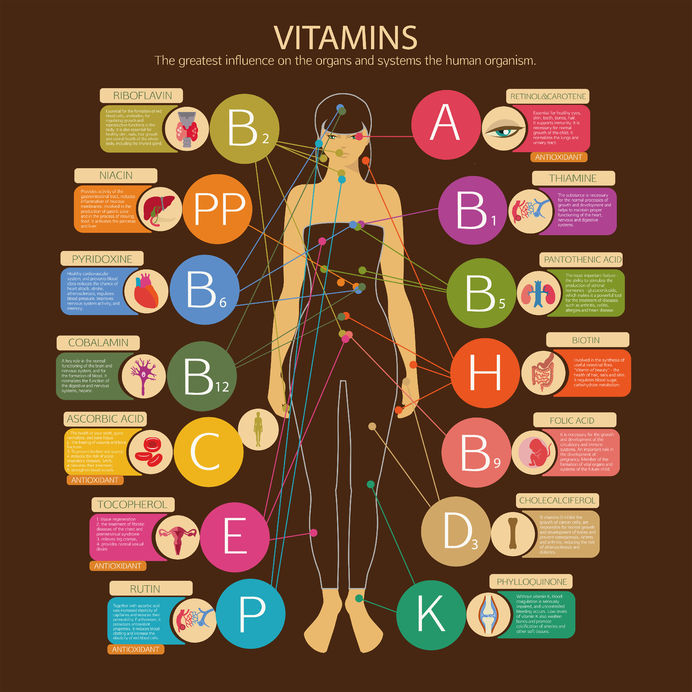
When we think about nutrition, our minds often jump to macronutrients: proteins, carbs, and fats. But there’s another category of nutrients that, while needed in smaller amounts, are just as crucial for our health—micronutrients. These tiny powerhouses, including vitamins and minerals, are essential for everything from energy production to immune function. Let’s dive into the world of micronutrients, exploring their types, functions, benefits, and why they deserve a place in the spotlight.

What Are Micronutrients?

Micronutrients are vitamins and minerals required by the body in minute amounts, yet they play an enormous role in maintaining optimal health. Unlike macronutrients, which provide the energy necessary to fuel our bodies, micronutrients are involved a vast array of physiological functions, ensuring that our bodies operate smoothly.

Types of Micronutrients

Micronutrients can be broadly categorized into two groups: vitamins and minerals.

  1. Vitamins: These organic compounds are vital for various metabolic processes. There are two types of vitamins:
    • Water-soluble vitamins: These include the B-complex vitamins and vitamin C. They dissolve in water, meaning they are not stored in the body and need to be consumed regularly.
    • Fat-soluble vitamins: These include vitamins A, D, E, and K. They are absorbed along with fats in the diet and can be stored in the body’s fatty tissues.
  2. Minerals: These inorganic elements come from soil and water, and they’re absorbed by plants or consumed by animals. There are two categories of minerals:
    • Microminerals: Needed in larger amounts, these include calcium, potassium, magnesium, and sodium.
    • Trace minerals: Required in smaller quantities, these include iron, zinc, copper, and selenium.

Functions of Micronutrients

Micronutrients play diverse and critical roles in the body. Here’s a snapshot of their functions:

  • Energy Production: B-vitamins, such as B6 and B12, are crucial for converting food into energy.
  • Bone Health: Calcium and vitamin D are essential for strong bones and teeth.
  • Immune Support: Vitamins C and E, along with zinc and selenium, are key players in maintaining a robust immune system.
  • Blood Clotting: Vitamin K is necessary for the blood clotting process, which prevents excessive bleeding from injuries.
  • Antioxidant Protection: Vitamins A, C, and E function as antioxidants, protecting cells from damage caused by free radicals.
  • Growth and Development: Micronutrients like iron, iodine, and zinc are crucial for growth, development, and overall cellular function.

Benefits of Getting Enough Micronutrients

Adequate intake of micronutrients has far-reaching benefits for health and well-being:

  1. Boosts Immune Function: Regular intake of vitamins and minerals helps in building a strong immune system, reducing the risk of infections.
  2. Promotes Healthy Aging: Antioxidant vitamins protect the body from oxidative stress, slowing down the aging process and reducing the risk of chronic diseases.
  3. Enhances Mental Clarity: Certain micronutrients, like B-vitamins and omega-3 fatty acids, support brain health, improving focus, memory, and cognitive function.
  4. Supports Reproductive Health: Micronutrients like folate and zinc are essential for fertility and healthy pregnancy outcomes.
  5. Prevents Deficiencies: Ensuring an adequate intake of micronutrients prevents deficiency diseases such as scurvy (vitamin C deficiency), rickets (vitamin D deficiency), and anaemia (iron deficiency).

How to Ensure Adequate Intake of Micronutrients

To reap the benefits of micronutrients, it’s important to consume a balanced and varied diet. Here are tips to ensure you’re getting enough:

  • Eat a Rainbow: Consuming a wide variety of colourful fruits and vegetables ensures a diverse intake of vitamins and minerals.
  • Include Whole Grains: Whole grains like brown rice, oats, and quinoa are rich in B-vitamins and minerals like magnesium and iron.
  • Incorporate Lean Proteins: Meat, fish, eggs, and legumes provide essential minerals such as iron, zinc, and selenium.
  • Don’t Forget Dairy: Dairy products like milk, cheese, and yogurt are excellent sources of calcium and vitamin D.
  • Consider Fortified Foods: Foods like fortified cereals and plant-based milk can help fill in nutritional gaps.
  • Supplement Wisely: While a healthy diet should provide your nutrient needs, supplements can be useful in certain situations. Always consult with a healthcare provider before starting any supplementation.

The Bottom Line

Micronutrients may be needed in lesser amounts, but their impact on health is anything but small. From bolstering the immune system to supporting brain health and preventing chronic diseases, the importance of these nutrients cannot be overstated. By focusing on a nutrient-rich diet, you can ensure that your body gets the essential vitamins and minerals it needs to thrive.

So next time you’re planning a meal, remember to think beyond just carbs, protein, and fats. Pay attention to those vital micronutrients—they’re the tiny champions of your health!

Top 10 Nutrient-Dense Vegan Foods

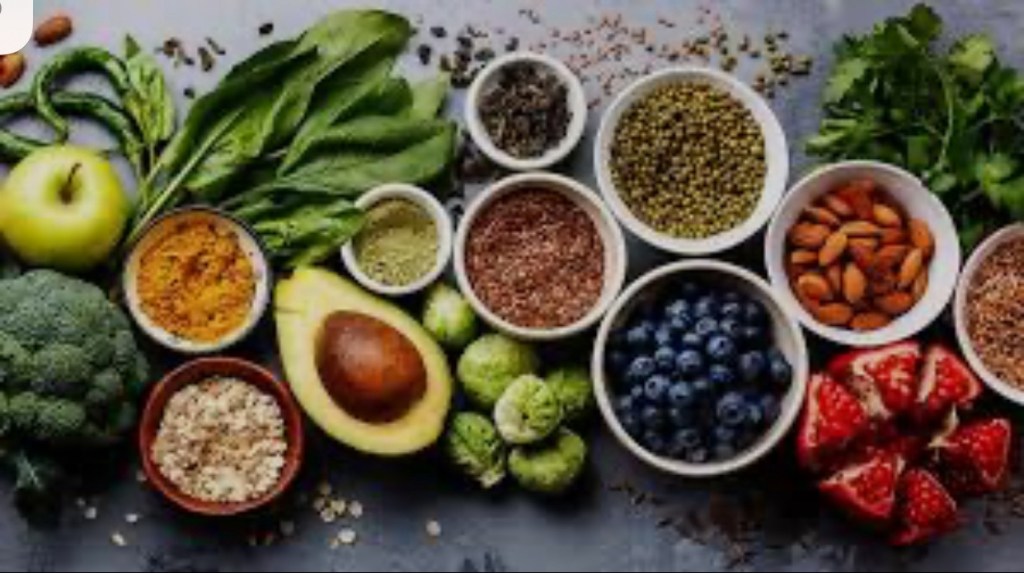
in a world where health and wellness are more important than ever people are turning to plant-based diets for their myriad benefits. But with all the options out there, how do you know which vegan foods are the most nutrient-dense? We’ve got you covered! This blog is your ultimate guide to the most powerful plant-based foods that pack a nutritional punch.

1. Kale: The King of Greens

Kale has earned its crown as one of the most nutrient-dense foods on the planet. Rich in vitamins A, C, and K, kale is a powerhouse of antioxidants and anti-inflammatory compounds. Just one cup provides more than your daily requirement of vitamin K, which is crucial for bone health and blood clotting. Whether you blend it into a smoothie, toss it in a salad, or bake it into crispy chips, kale is a must-have in your diet.

2. Chia Seeds: Tiny but Mighty

Don’t be fooled by their size—chia seeds are a nutritional powerhouse. These tiny seeds are loaded with fibre, omega-3 fatty acids, protein, and essential minerals like calcium and magnesium. Just two tablespoons of chia seeds contain about 10 grams of fibre, making them a terrific addition to smoothies, oatmeal, or even as a vegan egg substitute in baking.

3. Sweet Potatoes: Nature’s Candy

Sweet potatoes are not only delicious but also incredibly nutritious. They are packed with beta-carotene, which your body converts into vitamin A, vital for maintaining healthy vision and a strong immune system. They also provide a good amount of fibre, vitamin C, and potassium. Roast them, mash them, or turn them into fries—sweet potatoes are a versatile and nutrient-rich addition to any meal.

4. Quinoa: The Complete Protein Grain

Quinoa is one of the few plant-based foods that provide all nine essential amino acids, making it a complete protein. This gluten-free grain is also high in fibre, iron, magnesium, and B-vitamins. Quinoa’s nutty flavour and fluffy texture make it a great base for salads, bowls, and even breakfast porridge.

5. Spinach: The Iron-Clad Leafy Green

Spinach is a leafy green that’s packed with iron, especially important for those on a plant-based diet. It’s also high in vitamins A and C, calcium, and folate, making it a nutrient-dense addition to any meal. Enjoy it raw in salads, sautéed as a side dish, or blended into smoothies for an extra nutrient boost.

6. Lentils: The Protein-Packed Legume

Lentils are an excellent source of plant-based protein, fibre, and essential nutrients like folate, iron, and manganese. They’re also incredibly versatile and can be used in soups, stews, salads, or even as a meat substitute in burgers. Lentils are particularly beneficial for heart health, as they help lower cholesterol and stabilize blood sugar levels.

7. Broccoli: The Detox Dynamo

Broccoli is another cruciferous vegetable that’s incredibly nutrient-dense. It’s high in vitamins C and K, fibre, and potassium, and it also contains sulforaphane, a compound that may help with detoxification and cancer prevention. Whether steamed, roasted, or raw, broccoli is a vegetable that should be on your plate.

8. Flaxseeds: The Omega-3 Booster

Flaxseeds are one of the best plant-based sources of alpha-linolenic acid (ALA), a type of omega-3 fatty acid that supports heart health. They are also high in lignans, which have antioxidant properties, and fibre. Ground flaxseeds can be added to smoothies, oatmeal, or used as an egg replacement in baking.

9. Avocado: The Creamy Nutrient Bomb

Avocados are rich in healthy monounsaturated fats, which are great for your heart. They’re also loaded with fibre, potassium, and vitamins C, E, K, and B-6. The creamy texture of avocados makes them perfect for spreading on toast, adding to salads, or blending into smoothies.

10. Seaweed: The Ocean’s Superfood

Seaweed is a nutrient-dense food that’s rich in iodine, which is essential for thyroid function. It’s also high in calcium, magnesium, and vitamins, including A, C, E, and K. Seaweed can be eaten as snacks, used in soups, or added to salads and sushi for a mineral boost.

How to Incorporate These Nutrient-Dense Foods into Your Diet

Now that you know which vegan foods are the most nutrient-dense, it’s time to start incorporating them into your daily meals. Here are simple tips:

  • Start your day with a green smoothie: Blend kale or spinach with fruits, chia seeds, and flaxseeds for a nutrient-packed breakfast.
  • Make nutrient-dense bowls: Combine quinoa or lentils with roasted sweet potatoes, broccoli, and avocado for a hearty, healthy meal.
  • Snack smart: Munch on seaweed snacks or add a sprinkle of chia or flaxseeds to your yogurt or oatmeal.
  • Power up your salads: Add a mix of leafy greens, avocado, and a sprinkle of nuts or seeds for a filling and nutritious salad.

Final Thoughts

Eating a nutrient-dense vegan diet is easier than you might think. By incorporating these superfoods into your meals, you’ll be fuelling your body with the vitamins, minerals, and antioxidants it needs to thrive. Whether you’re a seasoned vegan or just starting your plant-based journey, these foods are sure to elevate your health and wellbeing.

So, what are you waiting for? Start adding these nutrient-dense powerhouses to your plate today and feel the difference!

Join the conversation: What is your favourite nutrient-dense vegan foods? Share your thoughts and recipes in the comments below!

How to Meal Prep — A Beginner’s Guide

Meal prepping is a fantastic way to save time, money, and effort while maintaining a healthy and balanced diet. Whether you’re a busy professional, a parent juggling multiple responsibilities, or simply someone looking to streamline their eating habits, meal prepping can revolutionise your approach to food. In this beginner’s guide, we’ll walk you through the basics of meal prepping and provide you with practical tips to get started.

1. Plan Your Meals

Before you embark on your meal prep journey, take some time to plan out your meals for the week. Consider your dietary preferences, nutritional goals, and any special dietary requirements. Aim for a balance of proteins, carbohydrates, and vegetables in each meal to ensure you’re getting a variety of nutrients.

2. Make a Shopping List

Once you have your meal plan in place, create a shopping list with all the ingredients you’ll need. This will help you stay organised and ensure you have everything on hand when it’s time to prep your meals. Try to stick to your list to avoid impulse purchases that can derail your budget and meal plan.

3. Invest in Quality Containers

Invest in a set of high-quality, reusable containers in various sizes. These will be your best friends when it comes to storing and transporting your prepped meals. Look for containers that are microwave and dishwasher safe for added convenience.

4. Set Aside Time for Prep

Choose a day of the week that works best for you to dedicate to meal prep. This could be a Sunday afternoon or whatever day aligns with your schedule. Block off a few hours for prep work, including chopping vegetables, cooking proteins, and portioning out meals.

5. Keep it Simple

Meal prep doesn’t have to be complicated. Start with simple recipes that are easy to prepare in bulk, such as grilled chicken, roasted vegetables, and quinoa. As you become more comfortable with meal prepping, you can experiment with more elaborate recipes and techniques.

6. Mix and Match

Don’t feel like you have to eat the same meal every day. Mix and match your prepped ingredients throughout the week to keep things interesting. For example, you could pair your grilled chicken with different vegetables and sauces to create a variety of meals.

7. Stay Organised

Keep your fridge and pantry organised to make meal prep a breeze. Label your containers with the date and contents to avoid any confusion. Consider investing in a meal prep planner or using a smartphone app to keep track of your recipes and grocery lists.

8. Stay Flexible

Life happens, and sometimes your meal prep plans may need to change. Be flexible and willing to adapt as needed. If you find yourself with extra ingredients at the end of the week, get creative and whip up a stir-fry or soup to use them up.

9. Enjoy the Benefits

Finally, remember to enjoy the benefits of meal prepping. Not only will you save time and money, but you’ll also have peace of mind knowing that you have healthy and delicious meals waiting for you throughout the week.

By following these simple steps, you’ll be well on your way to mastering the art of meal prep. With a little planning and preparation, you can make healthy eating a priority without sacrificing taste or convenience. Happy prepping!

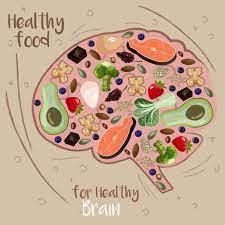
Nourishing the Mind: A Guide to Food for the Brain

Our brain, the powerhouse of our body, requires the right kind of fuel to function optimally. Just like any other organ, it relies on a balanced diet to stay healthy and active. The food we consume plays a significant role in determining our cognitive abilities, memory, and overall brain health. In this blog post, we will explore the fascinating world of food for the brain and understand how the right choices can enhance mental well-being.

Berries: Antioxidants to Combat Oxidative Stress

Berries, such as blueberries, strawberries, and blackberries, are packed with antioxidants, including flavonoids. These compounds have been shown to accumulate in the brain and help delay age-related cognitive decline, improve memory, and protect brain cells from oxidative stress. A handful of berries can be a delicious way to enhance your brain health.

Turmeric: Curcumin’s Anti-inflammatory Properties

Turmeric, a spice commonly found in Indian cuisine, contains an active compound called curcumin. Cumin has powerful anti-inflammatory and antioxidant properties. Research suggests that it may help in the growth of new brain cells and improve overall brain function. Consider adding turmeric to your curries, soups, or smoothies to harness its brain-boosting benefits.

Leafy Greens: Rich in Vitamin K and Antioxidants

Leafy greens like spinach, kale, and Swiss chard are excellent sources of vitamin K, which is believed to be beneficial for brain health. They are also rich in antioxidants and various essential nutrients that protect the brain from damage. Including a variety of leafy greens in your salads or smoothies can provide your brain with the nutrients it needs to thrive.

Nuts and Seeds: Brain-Boosting Nutrients in a Nutshell

Nuts and seeds, such as walnuts, almonds, flaxseeds, and chia seeds, are abundant in antioxidants, vitamin E, and omega-3 fatty acids. These nutrients are crucial for brain health, supporting cognitive function and protecting the brain from oxidative stress. A handful of mixed nuts or a sprinkle of seeds on your breakfast can be an easy way to incorporate them into your diet.

Whole Grains: Sustained Energy for the Brain

Whole grains like brown rice, quinoa, and whole wheat are excellent sources of complex carbohydrates. These carbohydrates provide a steady supply of glucose to the brain, which is its primary energy source. Choosing whole grains over refined grains ensures a consistent energy supply, helping you stay focused and mentally alert throughout the day.

Incorporating brain-boosting foods into your diet not only supports cognitive function but also contributes to your overall well-being. By making mindful choices and embracing a balanced and nutritious diet, you can nourish your brain and enjoy the benefits of improved memory, enhanced focus, and a sharper mind. So, let your next meal be a celebration of not just your taste buds but also your brain health.

Best Vegan Snack Ideas If You Have Diabetes: Nourishing Your Body, Mind, and Taste Buds

Living with diabetes doesn’t mean compromising on flavour or depriving yourself of tasty snacks. In fact, embracing a vegan lifestyle can open up a world of delicious and nutritious snack options that can help manage your blood sugar levels effectively. Here’s a guide to some of the best vegan snack ideas tailored for individuals managing diabetes, ensuring your taste buds and your health both get the attention they deserve.

Nuts and Seeds:

Nuts and seeds are excellent sources of healthy fats, protein, and fibre. Almonds, walnuts, chia seeds, and flaxseeds are particularly good choices for diabetics. They provide sustained energy and help in stabilising blood sugar levels. Combine them with a piece of fruit or sprinkle them on your favourite vegan yogurt for a satisfying snack.

Fresh Fruits and Vegetables:

Load up on fresh fruits and vegetables that are low in glycemic index and high in fibre. Apples, berries, citrus fruits, cucumbers, and bell peppers are great options. They are not only delicious but also packed with essential vitamins and minerals.

Hummus and Veggies:

Hummus, made from chickpeas, is a fantastic source of protein and fibre. Pair it with crunchy veggie sticks like carrots, celery, and bell peppers for a satisfying snack. This combination offers a perfect balance of carbohydrates, proteins, and healthy fats.

Whole Grain Snacks:

Opt for whole grain snacks like air-popped popcorn, whole grain crackers, or whole grain toast. Whole grains provide a slow release of energy, preventing sudden spikes in blood sugar levels. Top your whole grain snacks with avocado, which is rich in healthy fats and fibre.

Vegan Yogurt Parfait:

Enjoy a delicious parfait made with vegan yogurt, fresh fruits, and granola. Choose unsweetened vegan yogurt to avoid added sugars and add berries, nuts, and seeds for extra flavour and nutrients. This snack is not only tasty but also a good source of probiotics and antioxidants.

Chia Seed Pudding:

Chia seeds are high in fibre and can absorb liquid, creating a pudding-like texture. Mix chia seeds with unsweetened almond milk or coconut milk and let it sit in the refrigerator for a few hours or overnight. Top it with fresh fruits or a sprinkle of cinnamon for added flavour.

Veggie Sushi Rolls:

Make sushi rolls with brown rice, avocado, cucumber, and other fresh veggies. Brown rice has a lower glycemic index compared to white rice, making it a better choice for diabetics. These rolls are not only visually appealing but also a fun and healthy snack option.

Smoothies:

Blend up a nutritious smoothie using leafy greens like spinach or kale, along with low-glycemic fruits like berries. Add a scoop of vegan protein powder and a tablespoon of nut butter for an extra protein boost. Smoothies are a great way to pack in nutrients and can be a quick snack option on the go.

How to Beat Post-Work Tiredness with Nutrition: Your Guide to Lasting Energy

In today’s fast-paced world, the demands of work often leave us feeling drained and exhausted by the end of the day. Post-work tiredness is a common issue faced by many, but the good news is that there are natural ways to combat this fatigue and boost your energy levels. One of the most effective methods is through proper nutrition. In this blog post, we will explore how you can beat post-work tiredness with the right food choices, ensuring you have the energy to enjoy your evenings and live your best life.

 Stay Hydrated

First and foremost, it’s essential to stay hydrated throughout the day. Dehydration can cause fatigue and make you feel more tired than you actually are. Make sure to drink plenty of water, and consider incorporating hydrating foods like cucumbers, watermelon, and oranges into your diet.

Fuel Your Body with Complex Carbohydrates

Complex carbohydrates, found in foods like whole grains, brown rice, and sweet potatoes, are excellent sources of sustained energy. Unlike simple carbohydrates (sugars) which cause energy spikes and crashes, complex carbs provide a steady release of energy, keeping you energised throughout the evening. They also contain fibre, aiding in digestion and preventing energy dips.

Include Protein in Your Meals

Protein is essential for repairing and building tissues, including muscles. Incorporate lean protein sources such as chicken, fish, tofu, and beans into your dinner. Protein-rich foods help stabilise your blood sugar levels, preventing energy crashes and keeping you feeling fuller for longer.

Embrace Healthy Fats

Healthy fats, like those found in avocados, nuts, and olive oil, are crucial for brain health and provide a long-lasting source of energy. They also help in absorbing essential nutrients from other foods. Including these fats in your evening meal can enhance your overall energy levels and improve your mood.

Don’t Skip Vegetables

Vegetables are powerhouses of vitamins, minerals, and antioxidants, all of which contribute to your overall well-being and energy levels. Aim to fill half your plate with colourful vegetables. These nutrients help your body function efficiently, keeping fatigue at bay.

Moderate Caffeine Intake

While caffeine can provide a temporary energy boost, excessive consumption, especially in the evening, can disrupt your sleep patterns. Opt for herbal teas like chamomile or peppermint, which not only hydrate you but also promote relaxation, ensuring you get a good night’s rest.

Mindful Eating

Practicing mindful eating can make a significant difference in your energy levels. Slow down, savour your food, and pay attention to your body’s signals of hunger and fullness. Chewing your food thoroughly aids digestion and allows your body to extract maximum energy from the nutrients you consume.

Beating post-work tiredness with nutrition is not just about what you eat; it’s also about how you eat. By making conscious choices about the foods you consume and adopting mindful eating habits, you can sustain your energy levels throughout the evening. Remember, every person is different, so it’s essential to pay attention to how your body responds to different foods and adjust your diet accordingly. With the right nutrition and a mindful approach to eating, you can say goodbye to post-work tiredness and embrace a more energised and vibrant life.

Simple Steps to Kickstart Your Healthier Eating Journey

Embarking on a journey towards healthier eating may initially feel overwhelming, especially with the sea of confusing advice and intricate kale smoothie recipes out there. However, fear not, because adopting a healthier diet doesn’t have to be complicated; it can be both delicious and straightforward. Let’s delve into some uncomplicated steps to initiate your journey toward healthier eating within a week.

1. Embrace Fibre and Whole Foods

Adults require approximately 30g of fibre daily, yet the average intake hovers around 19g—a gap that many of us can work on closing. fibber, found in fruits, vegetables, grains, and legumes, is crucial for digestive health. It aids in maintaining smooth digestion, preventing constipation, and even reducing the risk of chronic diseases such as bowel cancer, heart disease, stroke, and type 2 diabetes.

Tips for increasing your fibber intake:

• Opt for wholegrain foods like brown bread and porridge over processed cereals.

• Snack on vegetables and fruits.

• Include beans, lentils, and nuts in your meals and snacks.

2. Aim for At Least 5 Servings of Fruits and Vegetables Daily

Variety is key when it comes to fruits and vegetables. They not only provide essential vitamins and minerals but also contribute to your daily fibre intake. Your diet should ideally consist of a third of fruits and vegetables, so strive for this balance with every meal.

Ways to increase your fruit and veg intake:

• Add fruits to your breakfast.

• Incorporate finely diced vegetables into main dishes.

• Roast vegetables with an array of herbs and spices.

• Blend vegetables into dips like red pepper and garlic hummus.

3. Diversify Your Protein Sources

Variety in protein sources is not only beneficial for your health but also for the planet. Opt for alternatives to red and processed meats, such as beans, lentils, nuts, and oily fish.

Creative protein choices to explore:

• Substitute half of your mince with beans or lentils.

• Snack on roasted nuts.

• Experiment with different beans for homemade hummus.

• Incorporate protein into your snacks to stay satisfied.

4. Stay Hydrated

Proper hydration is vital for overall well-being. The UK Eat Well Guide suggests consuming about 1.2-1.5 litres of water daily, with additional intake for exercise or sweat loss. Staying hydrated aids in mood stability, focus, digestion, and cellular function.

Tips to stay hydrated:

• Carry a reusable water bottle with your favourite infusions like lemon or mint.

• Create a hydration station at work with various mix-ins and cups.

• Enjoy warm hydration through herbal teas.

5. Indulge in Moderation

Healthy eating doesn’t mean forgoing indulgence entirely. It’s perfectly fine to treat yourself occasionally; in fact, it’s essential for mental balance. Whether it’s a slice of cake at a party or your favourite ice cream on a sunny day, savouring these moments can help curb cravings and maintain your sanity.

Tips for balanced indulgence:

• Limit treats to special occasions or once a week.

• Be mindful of alcohol consumption due to its lasting impact.

6. Plan Ahead

Planning your meals can save you from last-minute meal dilemmas. Spend a few minutes each week preparing a grocery list, prepping ingredients, and batch cooking if possible. Having healthy options readily available makes it easier to resist fast food temptations or office vending machines.

Effective meal planning strategies:

• Utilize the freezer to store prepared meals.

• Plan for healthier snacks to curb hunger.

• Remember, a balanced lifestyle is not an ‘all or nothing’ approach—be kind to yourself if plans don’t go as intended.

By incorporating these simple steps into your routine, you can kickstart your journey toward healthier eating without feeling overwhelmed. Start small, stay consistent, and celebrate your progress along the way!

15 Staple Foods to Make Healthy Eating Easy All Week Long

Maintaining a healthy diet can often feel like a daunting task, especially with busy schedules and tempting fast-food options around every corner. However, the key to successful and sustainable healthy eating lies in keeping your kitchen stocked with wholesome staples. By having a selection of nutritious foods readily available, you can create delicious and balanced meals without much effort. Here are 15 staple foods that will make healthy eating a breeze throughout the week:

1. Brown Rice

A complex carbohydrate packed with fibre, brown rice is a versatile base for a variety of dishes, from stir-fries to grain bowls.

2. Quinoa

High in protein and essential amino acids, quinoa is a complete source of nutrition. It can be used in salads, soups, or as a side dish.

3. Leafy Greens

Spinach, kale, and Swiss chard are rich in vitamins, minerals, and antioxidants. Use them as a base for salads or blend them into smoothies.

4. Oats

Oats are a great source of soluble fibre and can be used for making wholesome breakfasts like oatmeal, granola bars, or overnight oats.

5. Legumes

Beans, lentils, and chickpeas are excellent plant-based protein sources. They can be added to soups, stews, salads, or turned into delicious dips like hummus.

6. Lean Proteins

Chicken breast, turkey, tofu, and fish are lean sources of protein. Grill, bake, or stir-fry them for a protein-packed main course.

7. Healthy Fats

Avocados, nuts, and olive oil provide healthy fats that are essential for brain health. Add them to salads or use them as toppings for various dishes.

8. Colourful Vegetables

Bell peppers, carrots, broccoli, and tomatoes not only add vibrant colours to your plate but are also rich in vitamins and minerals. They can be roasted, steamed, or eaten raw.

9. Low-Fat Dairy or Dairy Alternatives

opt for low-fat yogurt, milk, or dairy-free alternatives like almond or soy milk. They are rich in calcium and can be used in smoothies or as a base for sauces.

10. Herbs and Spices

Fresh herbs like parsley, cilantro, and basil, along with spices like turmeric, cumin, and paprika, can elevate the flavour of your dishes without adding extra calories or sodium.

11. Whole-Grain Bread

Choose whole-grain or whole-wheat bread for sandwiches and toast. They are higher in fibre and nutrients compared to refined grains.

12. Eggs

Eggs are a great source of high-quality protein. They can be boiled, scrambled, or used in various recipes, adding nutrition to your meals.

13. Berries

Berries like blueberries, strawberries, and raspberries are rich in antioxidants and vitamins. They make for a delicious and healthy snack or can be added to yogurt and smoothies.

14. Dark Chocolate

For a sweet treat, opt for dark chocolate with a high cocoa content. It contains antioxidants and can satisfy your sweet cravings in moderation.

15. Green Tea

Green tea is packed with antioxidants and has numerous health benefits. Swap sugary beverages with green tea for a refreshing and healthy drink option.

By incorporating these 15 staple foods into your weekly meal planning, you can simplify your journey to healthy eating. Experiment with different recipes and cooking methods to keep your meals exciting and enjoyable. Remember, a well-balanced diet not only nourishes your body but also fuels your energy and overall well-being. Happy, healthy eating!

Nutrient-Packed Carrot Smoothie

Are you looking for a delicious and nutritious way to start your day? Look no further than a carrot smoothie! Carrots are not only crunchy and flavourful but also incredibly healthy. Packed with vitamins, minerals, and antioxidants, carrots offer a wide range of benefits for your overall well-being. In this blog, we’ll explore a delightful carrot smoothie recipe that’s not only easy to make but also incredibly beneficial for your health.


Benefits of Carrots

Before we dive into the recipe, let’s take a closer look at the impressive health benefits of carrots:


Rich in Vitamins: Carrots are a great source of essential vitamins, including vitamin A, C, and K. Vitamin A is especially important for maintaining healthy vision, skin, and a robust immune system.


Mineral Powerhouse: Carrots provide vital minerals like potassium and fibre. These minerals help regulate blood pressure, aid in digestion, and promote heart health.


Antioxidant Properties: Carrots are loaded with antioxidants like beta-carotene. These compounds help fight free radicals in the body, reducing the risk of chronic diseases and aging.


Supports Digestion: The dietary fibre in carrots promotes healthy digestion by preventing constipation and promoting regular bowel movements.


Healthy Skin: Beta-carotene in carrots can contribute to a glowing complexion, as it’s converted into vitamin A, which is known for its skin-healing properties.


Boosts Immunity: The vitamins and antioxidants in carrots bolster your immune system, helping your body ward off infections and illnesses.


Now that we’ve highlighted some of the incredible benefits of carrots, let’s move on to a fantastic carrot smoothie recipe that combines their goodness with other nutritious ingredients.


Carrot Smoothie Recipe


Ingredients:

•           2 large carrots peeled and chopped.

•           1 ripe banana

•           1 cup Greek yogurt

•           1/2 cup orange juice

•           1/2 cup almond milk (or your preferred milk)

•           1 tablespoon honey (optional, for added sweetness)

•           1/2 teaspoon ground cinnamon

•           Ice cubes (optional)


Instructions:

Start by washing, peeling, and chopping the carrots into small pieces.

Place the chopped carrots in a blender.

Add the ripe banana, Greek yogurt, orange juice, almond milk, honey (if using), and ground cinnamon to the blender.

If you prefer a colder smoothie, add a handful of ice cubes.

Blend all the ingredients until smooth and creamy, adjusting the consistency with more milk if needed.

Taste the smoothie and adjust the sweetness with additional honey if desired.

Pour the carrot smoothie into glasses and garnish with a sprinkle of ground cinnamon or a carrot stick.

Incorporating carrots into your daily diet through a delicious carrot smoothie is a smart and tasty choice.

With their abundance of vitamins, minerals, and antioxidants, carrots offer a wide range of health benefits, from supporting your immune system to promoting healthy skin. So, why not give this simple and nutritious carrot smoothie recipe a try?

It’s the perfect way to kickstart your day with a burst of energy and nourishment for your body. Cheers to good health!

The Importance of Protein as We Get Older


Aging is a natural process that brings with it a multitude of changes in our bodies. From wrinkles and grey hair to slower metabolism and decreased muscle mass, these changes are an inevitable part of life. However, there’s something we can do to maintain our vitality and health as we age: prioritize our protein intake. In this blog post, we’ll explore the crucial role that protein plays in the aging process and why it becomes increasingly important as we get older.


Understanding Protein

Protein is one of the three macronutrients, alongside carbohydrates and fats, and is essential for our overall well-being. It is often referred to as the building block of life because it plays a fundamental role in the structure and function of our bodies. Proteins are made up of amino acids, which are the building blocks of cells, tissues, and organs.


The Importance of Protein Throughout Life

Protein is important throughout our lives, from infancy to old age. It aids in growth and development during childhood and adolescence, helps maintain and repair tissues during adulthood, and becomes particularly crucial as we enter our senior years. Here’s why protein is so vital as we age:


Preserving Muscle Mass: As we age, we naturally lose muscle mass, a condition known as sarcopenia. This loss of muscle can lead to reduced strength, mobility, and increased risk of falls and fractures. Protein intake helps preserve and even build muscle, helping seniors maintain their independence and quality of life.


Supporting Bone Health: Older adults are also at risk of bone loss and osteoporosis. Protein intake, along with other bone-healthy nutrients like calcium and vitamin D, contributes to maintaining strong and healthy bones.


Immune Function: Amino acids from dietary protein play a critical role in immune function. A well-functioning immune system is essential for defending against infections and illnesses, which can be more severe in older individuals.


Wound Healing: Older adults may experience slower wound healing due to reduced collagen production. Protein is essential for collagen synthesis, which speeds up the healing process.


Metabolism and Weight Management: Maintaining a healthy weight becomes increasingly important as we age. Protein can help by boosting metabolism, reducing appetite, and supporting weight management.


Cognitive Health: Protein is also necessary to produce neurotransmitters and hormones that affect cognitive function. A diet rich in protein may help protect against cognitive decline and neurodegenerative diseases.


How Much Protein Do Older Adults Need?

The recommended daily intake of protein varies depending on factors like age, sex, and activity level. However, as a general guideline, older adults should aim for a minimum of 1.0 to 1.2 grams of protein per kilogram of body weight per day. This means that a sedentary older adult weighing 70 kilograms (154 pounds) should consume at least 70 to 84 grams of protein daily. Those who are physically active or trying to build muscle may need even more.


Sources of Protein

Getting enough protein can be achieved through a balanced diet that includes a variety of protein-rich foods. Some excellent sources of protein include:

Lean meats, such as chicken, turkey, and fish.

Eggs and dairy products like yogurt and cottage cheese.

Legumes, such as beans, lentils, and chickpeas.

Nuts and seeds, like almonds, peanuts, and chia seeds.

Tofu and other soy products.

Whole grains like quinoa and brown rice.


Protein is a crucial nutrient for all stages of life, but its importance becomes more pronounced as we age. It plays a vital role in preserving muscle mass, supporting bone health, maintaining a strong immune system, and promoting overall well-being. Older adults should pay attention to their protein intake and ensure they meet their daily requirements through a balanced and nutritious diet. By prioritizing protein, we can improve our quality of life and age gracefully, enjoying the benefits of good health well into our golden years.