Unlocking the Power of Micronutrients for Your Health

,

When we think about nutrition, our minds often jump to macronutrients: proteins, carbs, and fats. But there’s another category of nutrients that, while needed in smaller amounts, are just as crucial for our health—micronutrients. These tiny powerhouses, including vitamins and minerals, are essential for everything from energy production to immune function. Let’s dive into the world of micronutrients, exploring their types, functions, benefits, and why they deserve a place in the spotlight.

What Are Micronutrients?

Micronutrients are vitamins and minerals required by the body in minute amounts, yet they play an enormous role in maintaining optimal health. Unlike macronutrients, which provide the energy necessary to fuel our bodies, micronutrients are involved a vast array of physiological functions, ensuring that our bodies operate smoothly.

Types of Micronutrients

Micronutrients can be broadly categorized into two groups: vitamins and minerals.

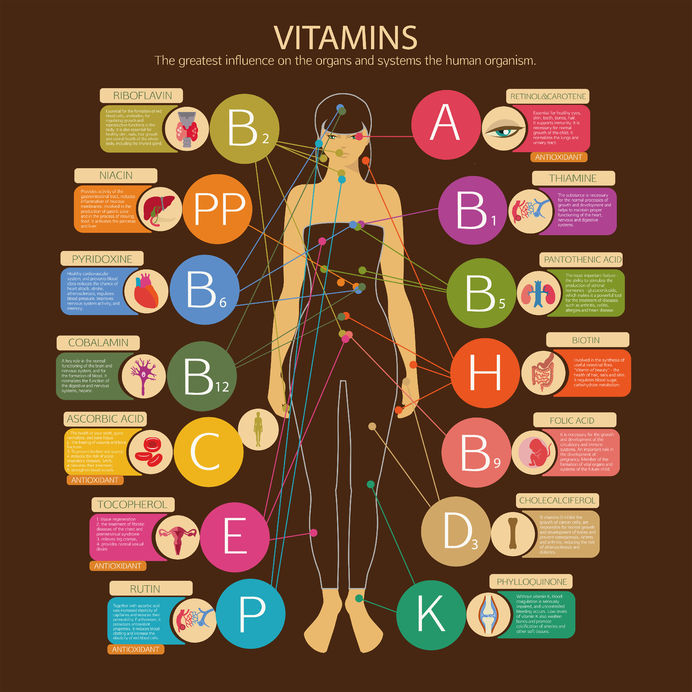
  1. Vitamins: These organic compounds are vital for various metabolic processes. There are two types of vitamins:
    • Water-soluble vitamins: These include the B-complex vitamins and vitamin C. They dissolve in water, meaning they are not stored in the body and need to be consumed regularly.
    • Fat-soluble vitamins: These include vitamins A, D, E, and K. They are absorbed along with fats in the diet and can be stored in the body’s fatty tissues.
  2. Minerals: These inorganic elements come from soil and water, and they’re absorbed by plants or consumed by animals. There are two categories of minerals:
    • Microminerals: Needed in larger amounts, these include calcium, potassium, magnesium, and sodium.
    • Trace minerals: Required in smaller quantities, these include iron, zinc, copper, and selenium.

Functions of Micronutrients

Micronutrients play diverse and critical roles in the body. Here’s a snapshot of their functions:

  • Energy Production: B-vitamins, such as B6 and B12, are crucial for converting food into energy.
  • Bone Health: Calcium and vitamin D are essential for strong bones and teeth.
  • Immune Support: Vitamins C and E, along with zinc and selenium, are key players in maintaining a robust immune system.
  • Blood Clotting: Vitamin K is necessary for the blood clotting process, which prevents excessive bleeding from injuries.
  • Antioxidant Protection: Vitamins A, C, and E function as antioxidants, protecting cells from damage caused by free radicals.
  • Growth and Development: Micronutrients like iron, iodine, and zinc are crucial for growth, development, and overall cellular function.

Benefits of Getting Enough Micronutrients

Adequate intake of micronutrients has far-reaching benefits for health and well-being:

  1. Boosts Immune Function: Regular intake of vitamins and minerals helps in building a strong immune system, reducing the risk of infections.
  2. Promotes Healthy Aging: Antioxidant vitamins protect the body from oxidative stress, slowing down the aging process and reducing the risk of chronic diseases.
  3. Enhances Mental Clarity: Certain micronutrients, like B-vitamins and omega-3 fatty acids, support brain health, improving focus, memory, and cognitive function.
  4. Supports Reproductive Health: Micronutrients like folate and zinc are essential for fertility and healthy pregnancy outcomes.
  5. Prevents Deficiencies: Ensuring an adequate intake of micronutrients prevents deficiency diseases such as scurvy (vitamin C deficiency), rickets (vitamin D deficiency), and anaemia (iron deficiency).

How to Ensure Adequate Intake of Micronutrients

To reap the benefits of micronutrients, it’s important to consume a balanced and varied diet. Here are tips to ensure you’re getting enough:

  • Eat a Rainbow: Consuming a wide variety of colourful fruits and vegetables ensures a diverse intake of vitamins and minerals.
  • Include Whole Grains: Whole grains like brown rice, oats, and quinoa are rich in B-vitamins and minerals like magnesium and iron.
  • Incorporate Lean Proteins: Meat, fish, eggs, and legumes provide essential minerals such as iron, zinc, and selenium.
  • Don’t Forget Dairy: Dairy products like milk, cheese, and yogurt are excellent sources of calcium and vitamin D.
  • Consider Fortified Foods: Foods like fortified cereals and plant-based milk can help fill in nutritional gaps.
  • Supplement Wisely: While a healthy diet should provide your nutrient needs, supplements can be useful in certain situations. Always consult with a healthcare provider before starting any supplementation.

The Bottom Line

Micronutrients may be needed in lesser amounts, but their impact on health is anything but small. From bolstering the immune system to supporting brain health and preventing chronic diseases, the importance of these nutrients cannot be overstated. By focusing on a nutrient-rich diet, you can ensure that your body gets the essential vitamins and minerals it needs to thrive.

So next time you’re planning a meal, remember to think beyond just carbs, protein, and fats. Pay attention to those vital micronutrients—they’re the tiny champions of your health!
Understanding Your Protein Needs

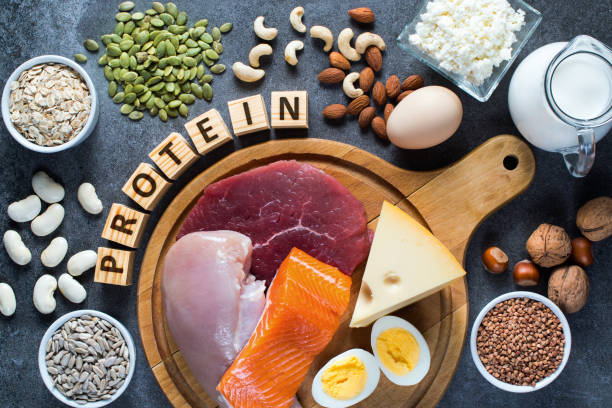
High protein food as meat, fish, dairy, eggs, buckwheat, oatmeal, nuts, bean, pumpkin seed and sunflower seed. Top view

n the realm of nutrition, protein stands out as an indispensable nutrient vital for survival. Comprising amino acids, the fundamental units that assemble proteins, it’s crucial to prioritise high-quality sources rich in essential amino acids to meet our body’s protein demands.

Protein plays a pivotal role in cellular processes throughout the body, serving as enzymes, energy sources, and facilitating muscle tissue repair post-exertion. But how much protein do we truly require?

Determining protein needs hinges on various factors, including life stage. For children, adolescents, and adults, maintaining protein balance is key, ensuring sufficient intake to replenish stores lost through metabolic processes or utilised for energy.

So, what’s the daily protein requirement?

The recommended daily allowance is approximately 0.8g per kg of body weight for adults, translating to about 46g for a 57kg woman and 56g for a 70kg man. While exceeding these targets isn’t necessarily harmful, it’s prudent to avoid surpassing 200g daily.

But what if exercise is part of the equation?

Endurance exercise or weight training elevates protein needs due to increased muscle stress and the subsequent need for repair. Recommendations from bodies like the Sports Nutrition Consensus Statement and the American College of Sports Medicine suggest a range of 1.2-1.7g per kg of body weight for athletes.

Now, where should we source our protein?

The protein quality of foods depends on their essential amino acid content and digestibility. Optimal sources encompass lean meats like chicken and turkey, eggs, nuts, soybeans, fish, and legumes.

For vegetarians and vegans, selecting high-quality meat-free alternatives such as tofu, tempeh, and Quorn is crucial. Additionally, combining complementary non-complete protein sources like grains and legumes ensures a complete amino acid profile, supporting adequate protein intake.

Ultimately, understanding your protein needs and selecting appropriate sources ensures optimal health and performance.

Staying Active in Chilly Weather

Staying naturally active becomes more challenging as the temperature drops, often leading to changes in habits and a greater inclination toward indoor sedentary activities. Despite the winter chill, maintaining an active lifestyle remains crucial for both physical and mental well-being. While sticking to your regular gym routine is beneficial, diversifying your activities can add a refreshing twist to your exercise regimen. Here are some indoor and outdoor active hobbies to incorporate into your daily life:

Outdoor Activities:

Walking & Hiking:

Embrace the simplicity of a brisk walk or a winter hike. Frosty mornings, with their calm and quiet ambiance, offer a chance to bask in natural sunlight. While the winter sun might not provide ample vitamin D, the mental well-being derived from soaking in some sun is invaluable. The cool temperatures also make longer walks more comfortable, and bundling up ensures warmth.

Indoor Activities:

Yoga:

Attend a gym yoga class to grasp the moves correctly, then continue your practice at home. Numerous online videos can guide and motivate you, allowing flexibility in your routine.

DIY & Decorating:

Engage in physical labor through DIY projects and home decorating. Whether it’s painting, woodworking, or fixing long-delayed household tasks, these activities count as movement and contribute to staying active.

Dancing:

Learn to dance with online tutorials for various styles. Dancing requires minimal space, and it’s a fun way to exercise while learning a new skill. Choose dances to your favourite songs and enjoy the benefits of physical activity.

Gaming:

Explore active gaming options if you’re a gaming enthusiast. Fitness games like Ring Fit Adventure, Just Dance, and VR games offer an immersive experience that combines entertainment with exercise. Whether you prefer mobile options or have a dedicated gaming platform, there are plenty of choices to make staying active enjoyable.

Share your winter activity preferences in the comments below – I would love to hear about your strategies for staying active in colder weather!

Fitness Beyond the Gym: Fun and Unique Workouts to Try in 2024

In the ever-evolving world of fitness, 2024 promises to be a year where enthusiasts explore new and exciting ways to stay active. While the traditional gym workouts have their merits, there’s a growing trend towards incorporating unconventional and enjoyable activities into fitness routines. Embracing the idea that exercise can be fun, engaging, and diverse, here are some unique workouts to spice up your fitness journey in 2024.

Aerial Yoga: Defying Gravity with Grace

  • Aerial yoga combines traditional yoga poses with acrobatic movements using a silk hammock suspended from the ceiling. This workout not only improves flexibility and core strength but also provides a unique sense of weightlessness. It’s an excellent way to challenge your body while enjoying the benefits of mindfulness and relaxation.

Trampoline Fitness: Bouncing to a Healthier You

  • Trampoline workouts, also known as rebounding, have gained popularity for their low-impact yet highly effective nature. Bouncing on a trampoline engages various muscle groups, improves cardiovascular health, and is a fantastic stress reliever. Classes often incorporate dance or aerobics, making it an enjoyable full-body workout.

Virtual Reality (VR) Fitness: Gaming for Health

  • Virtual reality has taken gaming to a whole new level, and now it’s making waves in the fitness industry. VR fitness programs immerse users in virtual worlds where they engage in physically demanding activities. From boxing to dancing, these games provide a high-intensity workout without feeling like traditional exercise.

Parkour: Urban Exploration and Physical Challenge

  • Parkour, the art of efficient movement through urban environments, is not just for daredevils. It’s an excellent full-body workout that enhances strength, agility, and spatial awareness. Enrol in a parkour class to learn the basics in a safe environment, or join a local group for some outdoor urban exploration.

Surfset Fitness: Catching Waves Indoors

  • Surfset fitness involves performing exercises on a specially designed surfboard that mimics the instability of water. This dynamic workout engages the core and stabiliser muscles, enhancing balance and strength. It’s a refreshing alternative for those who crave the feeling of riding waves but may not have easy access to the ocean.

Pound Fit: Drumming Your Way to Fitness

  • Pound Fit is a high-energy, full-body workout that combines drumming with cardio and strength training. Using lightly weighted drumsticks, participants follow rhythmic movements to the beat of the music. This unconventional workout not only burns calories but also unleashes creativity and self-expression.

As we step into 2024, the fitness landscape is expanding beyond the conventional gym setting. Embrace the opportunity to try new and unique workouts that not only benefit your physical health but also add an element of joy and excitement to your fitness routine. Whether you’re swinging from silk hammocks, bouncing on a trampoline, or catching virtual waves, these workouts promise to make 2024 a year

Unlocking Your Fitness Motivation: A Comprehensive Guide to Healthy Habits

Embarking on a fitness journey can be a challenging endeavour, especially when motivation wavers. Our complex human nature often leads us to make choices that contradict our well-being. However, understanding the pivotal role of exercise in our lives can serve as a powerful motivator. Regular visits to the gym not only contribute to physical health but also enhance sleep quality and boost positive emotions. To help you stay committed to your fitness goals, here are some actionable suggestions to ignite and sustain your motivation.

Measure Your Progress:

Setting clear and tangible goals is the first step towards a successful fitness journey. Whether it’s shedding a stone or mastering a new exercise, defining your objectives gives you a roadmap to follow. This clarity fuels excitement and determination, making it easier to stay on track.

Make It a Routine:

Consistency is key in any fitness endeavour. Establishing a routine helps your body adapt to a regular workout schedule. Whether it’s three times a week at 6 pm with a rest day in between, sticking to a set timetable creates a habit that your body will come to expect and appreciate.

Consider Working with a Coach or Trainer:

Guidance can make a significant difference in your fitness journey. Enlisting the support of a coach or trainer provides not only valuable expertise but also a source of accountability. The confidence and assistance they offer contribute to your overall enjoyment and motivation to maintain healthy habits inside and outside the gym.

Do What You Enjoy:

Finding joy in your workout is crucial for long-term success. Whether it’s a heart-pumping cardio session or a weightlifting session, make exercise something to look forward to. Enjoyment fosters immersion, making your workout a fulfilling part of your routine rather than a burdensome task.

Go for the Right Reason:

Shift your focus from superficial goals to specific, measurable targets. Rather than fixating on appearance, set smaller, achievable goals like squatting your body weight or mastering a full pushup. These milestones build a sense of accomplishment and provide benchmarks for your progress.

Reward Your Efforts:

Celebrating your achievements, no matter how small, reinforces positive behaviour. Attach rewards to your fitness milestones, whether it’s indulging in your favourite show or treating yourself to a delicious treat. Recognising your efforts increases the likelihood of incorporating exercise into your weekly routine.

Think Positively:

When setbacks occur, replace negative thoughts with positive affirmations. Instead of dwelling on missed sessions, focus on the opportunity to improve the next day. Shifting your perspective from self-criticism to positive reinforcement strengthens your commitment to your fitness journey.

Find Your People:

Building a supportive community is a powerful motivator. Surround yourself with individuals who share your fitness aspirations. Not only will you be energised for each workout, but you’ll also benefit from a supportive network that encourages improvement. Learning from others on similar journeys expands your understanding of health and fitness.

Embarking on a fitness journey requires commitment and motivation. By incorporating these strategies into your routine, you can cultivate a sustainable and enjoyable approach to exercise. Remember, your journey is unique, and celebrating each step forward will propel you toward a healthier, happier you. If you’re unsure where to start, claim a free one-day pass at Anytime Fitness and consult with our expert team to kickstart your health goals.

Together, we can create a ripple effect of positivity that propels us towards a year of physical well-being and self-discovery. What’s your go-to motivation tip for kickstarting your fitness journey in 2024? Share it and let’s inspire each other to achieve greatness!

Here are several helpful links for additional reading on ways to inspire yourself to embark on your fitness journey in 2024.

https://www.menshealth.com/uk/building-muscle/a750272/5-ways-to-motivate-yourself-to-work-out/

Staying motivated to exercise

https://www.goodhousekeeping.com/uk/health/health-advice/a561183/this-is-how-i-motivate-myself-to-exercise-5-times-a-week/

https://www.marieclaire.co.uk/life/health-fitness/motivational-tips-for-exercise-141460