
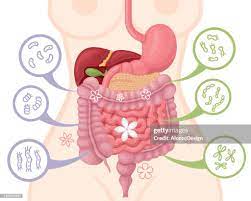
Gut Health Revolution: Probiotics and Prebiotics for a Happy Gut

In recent years, there has been a growing awareness of the importance of gut health and its impact on overall well-being. The gut, often referred to as the “second brain,” plays a crucial role in maintaining a healthy immune system, digestion, and even mental health. As we delve into the Gut Health Revolution, the spotlight is on probiotics and prebiotics – the dynamic duo that can transform your gut into a happy and thriving ecosystem.

The Gut Microbiome:

Before we explore the world of probiotics and prebiotics, let’s understand the gut microbiome. Trillions of microorganisms, including bacteria, fungi, and viruses, reside in our digestive tract, forming a complex ecosystem. This microbiome influences various aspects of our health, from nutrient absorption to immune system function.

Probiotics: The Friendly Bacteria:

Probiotics are live microorganisms that provide numerous health benefits when consumed in adequate amounts. These friendly bacteria help balance the gut microbiome by crowding out harmful pathogens and promoting a diverse microbial community.

Common sources of probiotics include yogurt, kefir, sauerkraut, kimchi, and certain supplements. These beneficial bacteria contribute to improved digestion, enhanced nutrient absorption, and strengthened immune function. Additionally, research suggests that probiotics may play a role in mental health by influencing the gut-brain axis.

Prebiotics: Nourishment for the Microbiome:

While probiotics are the heroes of gut health, prebiotics serve as their sidekicks. Prebiotics are non-digestible fibres that provide fuel for the beneficial bacteria in the gut. By nourishing these microbes, prebiotics help them flourish and maintain a healthy balance within the microbiome.

Excellent sources of prebiotics include fibre-rich foods like bananas, onions, garlic, asparagus, and whole grains. Including these foods in your diet not only supports the growth of beneficial bacteria but also aids in regulating bowel movements and preventing constipation.

The Symbiotic Connection:

For an even more powerful gut health boost, consider incorporating symbiotic into your routine. Symbiotic’s combine both probiotics and prebiotics, working synergistically to enhance their individual benefits. This combination promotes a harmonious environment in the gut, fostering the growth of beneficial bacteria while providing the necessary nutrients for their survival.

The Gut-Brain Connection:

Beyond digestive health, the gut has a profound impact on the brain, influencing mood, stress levels, and cognitive function. The communication between the gut and the brain, known as the gut-brain axis, highlights the interconnectedness of these two vital systems. Maintaining a balanced and diverse gut microbiome through the consumption of probiotics and prebiotics may contribute to mental well-being.

Probiotics:

  • Fermented Foods:
    • Sauerkraut: Fermented cabbage is rich in probiotics.
    • Kimchi: A Korean dish made from fermented vegetables, usually cabbage and radishes.
    • Pickles: Naturally fermented pickles, not those made with vinegar, can be a good source.
  • Non-Dairy Yogurts:
    • Look for yogurts made from coconut, almond, soy, or oat milk, which are fortified with probiotic cultures.
  • Tempeh:
    • A fermented soy product that contains beneficial bacteria. It’s also a good source of protein.
  • Miso:
    • A traditional Japanese seasoning made by fermenting soybeans with salt and koji (a type of fungus). It’s commonly used to make miso soup.
  • Probiotic Supplements:
    • There are vegan and vegetarian probiotic supplements available in various forms, including capsules, powders, and chewable. Look for those with a diverse range of strains.

Prebiotics:

  • Legumes:
    • Lentils, chickpeas, and beans are rich in prebiotic fibres.
  • Whole Grains:
    • Foods like quinoa, brown rice, and oats provide a good source of prebiotics.
  • Vegetables:
    • Garlic, onions, leeks, asparagus, and Jerusalem artichokes are known for their prebiotic content.
  • Fruits:
    • Bananas, apples, berries, and kiwi contain soluble fibres that act as prebiotics.
  • Nuts and Seeds:
    • Almonds, flaxseeds, and chia seeds are good sources of prebiotic fibres.
  • Root Vegetables:
    • Sweet potatoes and carrots contain prebiotic fibres and can be included in your diet.

As we embrace the Gut Health Revolution, prioritising the well-being of our gut microbiome becomes essential for overall health. Probiotics and prebiotics play pivotal roles in creating a happy gut, supporting digestion, immune function, and even mental health. By incorporating probiotic-rich foods, prebiotic fibres, and symbiotic combinations into our diets, we can embark on a journey towards a thriving and balanced gut ecosystem. So, let’s raise a toast to the gut – where health truly begins!
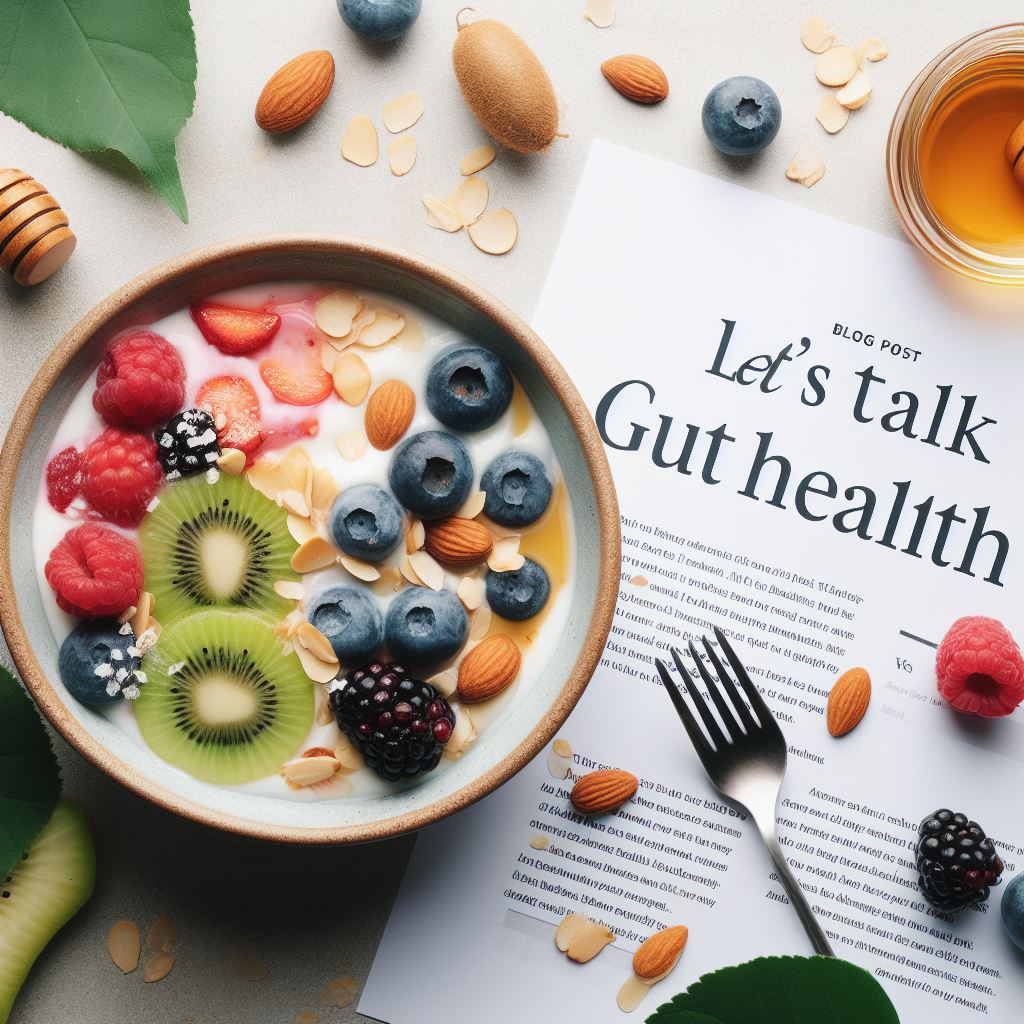
Let’s talk Gut Health 

Maintaining a healthy digestive system, particularly a balanced gut microbiome, is crucial for overall well-being, affecting both mental health and inflammation levels in the body. Numerous studies in the past decade have highlighted the significant impact of trillions of gut bacteria on the brain and their potential connection to various disorders. Emerging research suggests that these microbes might influence conditions like Parkinson’s disease, autism spectrum disorder, Alzheimer’s, and mental health issues such as depression. Scientists and companies are exploring therapies targeting the microbiome in human clinical trials, offering hope for prevention and treatment. The exciting aspect is that, unlike your genes, your microbiome can be modified.

A reliable indicator of digestive health is your bowel movements. Ideally, you should have one or two daily movements that occur easily and completely, without urgency or straining. If your bowel habits don’t align with these criteria, it’s essential to address your gut environment.

Many individuals experience bloating, especially after meals, and acid reflux or heartburn, which are signs of underlying digestive issues, not normal occurrences. Bloating often results from an imbalance in gut microbes. By following specific guidelines, beneficial microbes can be restored, improving digestive function and associated systems.

Typically, doctors provide diagnoses and symptom relief for digestive problems but rarely offer permanent solutions. Enhancing the gut lining, optimising digestive secretions such as stomach acid, enzymes, and bile, and supporting healthy gut bacteria can significantly improve overall function.

Here are practical steps to improve your digestive health:

 Mindful Eating:

  • Take deep breaths before eating.
  • Chew your food thoroughly and eat slowly, without distractions.
  • Put your utensils down between bites.

Hydration and Fiber:

  • Drink at least two litres of liquids daily.
  • Include soluble fibre in your diet from sources like apples, oats, nuts, beans, pulses, grains, and vegetables.
  • Soak chia seeds in milk overnight and add fruits and granola in the morning.

Fermented Foods:

  • Consume fermented foods like natural yogurt, kefir, sauerkraut, and raw apple cider vinegar to promote a healthy gut environment.
  • Start with small amounts and gradually increase intake.

 Stimulate the Vagus Nerve:

  • Practice regular gargling, singing loudly, and triggering the gag reflex to stimulate the vagus nerve, essential for good digestive function.

Soaked Bravely Apples:

  • Stewed cooking apples with skins have soothing properties. Add cinnamon and dark apricots and serve with yogurt and toppings.

Soaking for Improved Digestion:

  • Soak grains, pulses, nuts, and seeds overnight to reduce irritation and inflammation in the digestive tract.

Rest, Relaxation, and Sleep:

  • Manage stress through meditation or mindfulness.
  • Prioritise sufficient sleep and relaxation to support overall gut health.

Intermittent Fasting:

  • Incorporate regular intermittent fasting to allow the digestive system to rest and recover.

Taking care of your gut is not just about relieving digestive problems; it’s about ensuring your overall well-being. By making mindful choices in your diet and lifestyle, you can significantly improve your digestive health, paving the way for a healthier, more energetic you.

Fermented Food

Let’s talk about Fermented Foods.

What is Fermented Food?

Fermented foods undergone controlled microbial growth and fermentation. Fermentation is an anaerobic process in which microorganisms like yeast and bacteria break down food components (e.g. sugars such as glucose) into other products (e.g. organic acids, gases or alcohol). This gives fermented foods their unique and desirable taste, aroma, texture and appearance.

Vegetarian & Vegan friendly fermented foods

👉 Sauerkraut.

👉 Plain Yogurt.

👉 Dry Curd Cottage Cheese or Farmer’s Cheese, or fermented cottage cheese.

👉 Certain aged cheeses (check label for live and active cultures)

👉 Kimchi.

👉 Pickled vegetables – cucumbers, carrots, radishes, green beans, cauliflower,

👉 Kombucha.

👉 Water kefir.

👉 Tempeh.

👉 Sourdough bread.

👉 Miso.

👉 Mangos.

👉 Apples.

👉 Blueberries.

👉 Strawberries.

👉 Raspberries.

👉 Blackberries.

👉 Peaches.

👉 Fortified dairy alternatives

👉 Supplements

Health benefits:

💪🏽 Improved Gut Health: Fermented foods contain probiotics, which are beneficial b bacteria that help improve the balance of good bacteria in the gut. This can help improve digestive health and boost immunity.

💪🏽 Better Absorption of Nutrients: Fermented foods are often easier to digest, which can help improve the absorption of essential vitamins and minerals from food.

💪🏽 Boosted Immune System: Probiotics can help strengthen the immune system and reduce the risk of illness.

💪🏽 Reduced Inflammation: Some fermented foods contain anti-inflammatory properties, which can help reduce inflammation in the body and protect against chronic diseases.

💪🏽 Improved Mental Health: Probiotics have been linked to improved mood and cognitive function, making fermented foods a great option for those looking to maintain good mental health.

💪🏽 Increased Antioxidant Content: Fermented foods often contain higher levels of antioxidants, which help protect the body from harmful free radicals and oxidative stress.

💪🏽 Better Weight Management: Some fermented foods have been linked to improved weight management, including increased feelings of fullness and reduced calorie intake.

💪🏽 Reduced Risk of Certain Diseases: Fermented foods have been linked to a reduced risk of certain diseases, including heart disease, type 2 diabetes, and certain types of cancer.