
Understanding Your Protein Needs

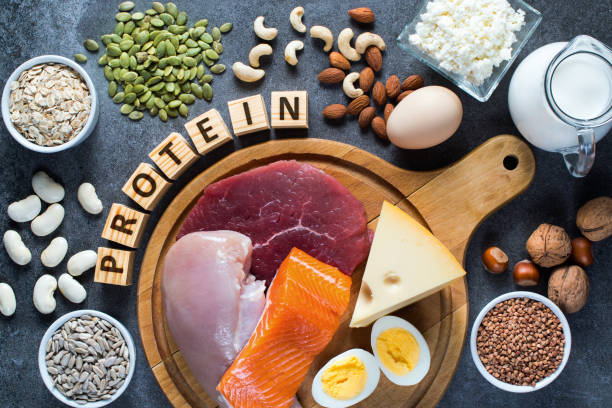
High protein food as meat, fish, dairy, eggs, buckwheat, oatmeal, nuts, bean, pumpkin seed and sunflower seed. Top view

n the realm of nutrition, protein stands out as an indispensable nutrient vital for survival. Comprising amino acids, the fundamental units that assemble proteins, it’s crucial to prioritise high-quality sources rich in essential amino acids to meet our body’s protein demands.

Protein plays a pivotal role in cellular processes throughout the body, serving as enzymes, energy sources, and facilitating muscle tissue repair post-exertion. But how much protein do we truly require?

Determining protein needs hinges on various factors, including life stage. For children, adolescents, and adults, maintaining protein balance is key, ensuring sufficient intake to replenish stores lost through metabolic processes or utilised for energy.

So, what’s the daily protein requirement?

The recommended daily allowance is approximately 0.8g per kg of body weight for adults, translating to about 46g for a 57kg woman and 56g for a 70kg man. While exceeding these targets isn’t necessarily harmful, it’s prudent to avoid surpassing 200g daily.

But what if exercise is part of the equation?

Endurance exercise or weight training elevates protein needs due to increased muscle stress and the subsequent need for repair. Recommendations from bodies like the Sports Nutrition Consensus Statement and the American College of Sports Medicine suggest a range of 1.2-1.7g per kg of body weight for athletes.

Now, where should we source our protein?

The protein quality of foods depends on their essential amino acid content and digestibility. Optimal sources encompass lean meats like chicken and turkey, eggs, nuts, soybeans, fish, and legumes.

For vegetarians and vegans, selecting high-quality meat-free alternatives such as tofu, tempeh, and Quorn is crucial. Additionally, combining complementary non-complete protein sources like grains and legumes ensures a complete amino acid profile, supporting adequate protein intake.

Ultimately, understanding your protein needs and selecting appropriate sources ensures optimal health and performance.


Nourishing Your Body: How Nutrition Can Help with PCOS

Polycystic Ovary Syndrome (PCOS) is a common hormonal disorder affecting people of reproductive age, characterised by irregular periods, excess androgen levels, and polycystic ovaries. Beyond its reproductive implications, PCOS can also lead to various metabolic and cardiovascular complications. While there’s no cure for PCOS, adopting a well-balanced diet can significantly alleviate its symptoms and improve overall health. In this blog, we’ll delve into how nutrition plays a crucial role in managing PCOS and nourishing your body effectively.

Understanding PCOS and its Dietary Implications:

PCOS disrupts the normal balance of hormones in the body, leading to insulin resistance, which in turn affects how the body processes glucose and regulates blood sugar levels. Insulin resistance is often a key factor in the development of metabolic disturbances such as type 2 diabetes and obesity, both of which are commonly associated with PCOS.

Moreover, individuals with PCOS often have higher levels of androgens, such as testosterone, which can lead to symptoms like acne, excessive hair growth, and weight gain. These hormonal imbalances make it essential to adopt a diet that helps regulate insulin levels and manage weight effectively.

The Role of Nutrition in PCOS Management:

Balancing Carbohydrates: 

Opting for complex carbohydrates with a low glycemic index can help stabilise blood sugar levels and improve insulin sensitivity. Foods like whole grains, legumes, vegetables, and fruits are excellent choices as they provide sustained energy without causing sharp spikes in blood sugar.

Healthy Fats: 

Incorporating healthy fats, such as those found in nuts, seeds, avocados, and fatty fish, can aid in hormone regulation and reduce inflammation associated with PCOS. Omega-3 fatty acids, in particular, have been shown to have beneficial effects in managing symptoms of PCOS.

Protein-Rich Foods: 

Including lean sources of protein, such as poultry, fish, tofu, and legumes, can help promote satiety and stabilise blood sugar levels. Protein also plays a crucial role in muscle building and repair, which is beneficial for individuals with PCOS who may be trying to manage their weight.

Faber-Rich Foods: 

Fibre helps slow down the digestion of carbohydrates, preventing rapid spikes in blood sugar levels. Additionally, fibre promotes satiety and aids in digestion, which can be beneficial for weight management. Foods like vegetables, fruits, whole grains, and legumes are excellent sources of dietary fibre.

Limiting Processed Foods and Added Sugars: 

Processed foods and those high in added sugars can exacerbate insulin resistance and promote inflammation. Avoiding sugary beverages, desserts, and highly processed snacks is crucial for managing PCOS symptoms and maintaining overall health.

Mindful Eating: 

Practicing mindful eating techniques, such as paying attention to hunger and fullness cues, can help prevent overeating and promote a healthy relationship with food. Mindful eating can also reduce stress levels, which may positively impact hormone balance in individuals with PCOS.

Hydration: 

Staying hydrated is essential for overall health and can aid in hormone regulation and digestion. Opt for water as the primary beverage choice and limit intake of sugary drinks and alcohol.

While PCOS presents unique challenges, adopting a nutrient-dense diet can significantly improve symptoms and overall well-being. By focusing on whole, unprocessed foods and prioritising nutrient balance, individuals with PCOS can better manage their hormonal imbalances, insulin resistance, and weight. Consulting with a registered dietitian or healthcare provider can provide personalised guidance and support in developing a nutrition plan tailored to individual needs. Remember, nourishing your body with the right foods is a powerful tool in managing PCOS and optimising health for the long term.

How to make your diet healthier

Maintaining a healthy diet is essential for overall well-being and vitality. However, the abundance of information on nutrition can be overwhelming. The good news is that adopting a healthier diet doesn’t have to be complicated. By making small, sustainable changes to your eating habits, you can significantly improve your overall health. Here are 25 ways to make your diet healthier.

  • Hydrate with Water:
  • Start your day by drinking a glass of water and aim to stay hydrated throughout the day. Water helps with digestion, nutrient absorption, and overall bodily functions.
  • Eat Colourful Fruits and Vegetables:
  • Include a variety of colourful fruits and vegetables in your meals. Different colours often indicate different nutrients, so a diverse palette ensures a range of health benefits.
  • Choose Whole Grains:
  • Opt for whole grains such as brown rice, quinoa, and whole wheat over refined grains. Whole grains are rich in fibre and nutrients, promoting better digestion.
  • Watch Portion Sizes:
  • Be mindful of portion sizes to avoid overeating. Using smaller plates can help trick your mind into feeling satisfied with smaller portions.
  • Prioritise Lean Proteins:
  • Include lean protein sources like poultry, fish, tofu, and legumes in your diet. Protein is essential for muscle health and overall body function.
  • Limit Processed Foods:
  • Cut down on processed foods high in added sugars, salt, and unhealthy fats. Opt for whole, natural foods whenever possible.
  • Cook at Home:
  • Prepare meals at home to have better control over ingredients and cooking methods. This also allows you to experiment with healthier recipes.
  • Snack Smart:
  • Choose nutritious snacks like fresh fruits, nuts, or yogurt instead of reaching for processed snacks. Healthy snacking can help maintain energy levels throughout the day.
  • Limit Added Sugars:
  • Read food labels to identify and reduce added sugars in your diet. Sugary beverages and sweets should be consumed in moderation.
  • Include Healthy Fats:
  • Incorporate sources of healthy fats, such as avocados, nuts, and olive oil. These fats are crucial for brain health and overall well-being.
  • Mindful Eating:
  • Practice mindful eating by savouring each bite and paying attention to hunger and fullness cues. This helps prevent overeating.
  • Experiment with Herbs and Spices:
  • Enhance the flavour of your dishes with herbs and spices instead of relying on salt. This adds variety and can have potential health benefits.
  • Limit Liquid Calories:
  • Be mindful of liquid calories from sugary drinks. Opt for water, herbal teas, or infused water to stay hydrated without unnecessary added sugars.
  • Eat Regularly:
  • Establish regular eating patterns to avoid excessive hunger, which can lead to poor food choices. Aim for balanced meals and snacks throughout the day.
  • Include Dairy or Dairy Alternatives:
  • Incorporate dairy or fortified dairy alternatives for a good source of calcium and vitamin D, crucial for bone health.
  • Read Food Labels:
  • Familiarise yourself with food labels to make informed choices. Look for products with simple, recognisable ingredients.
  • Plan Meals Ahead:
  • Plan your meals ahead of time to avoid last-minute unhealthy choices. This can also save time and make grocery shopping more efficient.
  • Limit Red and Processed Meats:
  • Reduce your intake of red and processed meats, as they have been associated with certain health risks. Opt for leaner protein sources.
  • Enjoy Treats in Moderation:
  • It’s okay to indulge in treats occasionally. The key is moderation – savour and enjoy special treats without overdoing it.
  • Faber-Rich Foods:
  • Increase your fibre intake with foods like whole grains, fruits, vegetables, and legumes. Fibre aids digestion and helps you feel full longer.
  • Be Cautious with Restaurant Portions:
  • When dining out, be aware of large portion sizes. Consider sharing dishes or packing half of your meal for later.
  • Stay Consistent:
  • Consistency is key to developing healthy eating habits. Small, sustainable changes over time are more likely to lead to lasting results.
  • Stay Physically Active:
  • Regular physical activity complements a healthy diet. Aim for a combination of cardiovascular exercise, strength training, and flexibility exercises.
  • Stay Informed:
  • Stay informed about nutrition trends and updates. The field of nutrition is continually evolving, and staying informed empowers you to make better choices.
  • Consult a Professional:
  • If you have specific dietary concerns or health conditions, consult a registered dietitian or healthcare professional. They can provide personalised guidance based on your needs.

Adopting a healthier diet doesn’t have to be a drastic overhaul of your eating habits. By incorporating these simple tips into your daily routine, you can make gradual, positive changes that contribute to improved overall health and well-being. Remember, small steps