
Water is essential for maintaining good health, and staying adequately hydrated is crucial for our overall well-being. One of the easiest ways to gauge your hydration level is by paying attention to the colour of your urine. Your pee colour can reveal a lot about your body’s hydration status. In this blog, we will explore the significance of urine colour and provide you with a helpful pee colour chart to ensure you stay properly hydrated.
The Importance of Hydration:
Water makes up a significant portion of our body and plays a vital role in various bodily functions. It helps regulate body temperature, aids digestion, lubricates joints, and flushes out waste products through urine. Dehydration occurs when the body loses more fluids than it takes in, leading to an imbalance that can have adverse effects on your health.
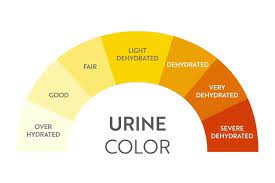
Understanding the Pee Colour Chart:
The colour of your urine can vary based on factors such as hydration, diet, medications, and certain medical conditions. A pee colour chart can serve as a simple and effective tool to assess your hydration level. Here’s a general guide to what different urine colours may indicate:
- Pale Yellow to Light Straw:
- Hydration Level: Well-hydrated
- What it Means: Adequate hydration; you’re on the right track.
- Transparent:
- Hydration Level: Over-hydrated
- What it Means: You may be consuming excessive fluids. Adjust your water intake accordingly.
- Dark Yellow to Amber:
- Hydration Level: Mild to moderate dehydration
- What it Means: Increase your water intake to ensure proper hydration.
- Orange:
- Hydration Level: Dehydration or potential liver issues
- What it Means: Lack of water or a possible sign of a health concern; consult a healthcare professional.
- Pink to Red:
- Hydration Level: Dehydration or presence of blood
- What it Means: Seek immediate medical attention as this could indicate a serious issue.
- Blue or Green:
- Hydration Level: Rare but could indicate a medical condition or certain medications
- What it Means: Consult a healthcare professional to identify the cause.
Tips for Maintaining Optimal Hydration
Drink Water Regularly: Aim for at least 8 glasses (64 ounces) of water per day, but individual needs may vary.
Monitor Your Pee Colour: Use the pee colour chart as a reference to assess your hydration level regularly.
Consider Your Diet: Some foods and beverages can impact urine colour. Beets, blackberries, and certain vitamins may cause discolouration.
Be Mindful of Activity Levels: Physical activity and hot weather can increase fluid needs. Adjust your water intake accordingly.
Your body’s hydration status is a key factor in maintaining overall health. By paying attention to the colour of your urine and using a pee colour chart as a guide, you can take proactive steps to ensure you stay adequately hydrated. Remember, maintaining a balance between water intake and urine colour is a simple yet effective way to support your well-being. If you notice any persistent changes in urine colour or have concerns about your hydration, it’s always wise to consult with a healthcare professional for personalised advice.
 Lena's Kitchen