

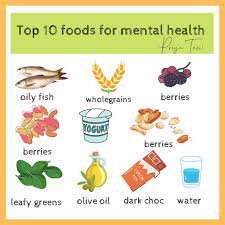
In a world that often moves at a breakneck pace, taking a moment to savour the flavours and textures of our food can be a powerful act of mindfulness. Beyond just satisfying hunger, the foods we choose to consume play a significant role in our overall well-being, including our mental health. Let’s explore the concept of mindful munching and discover 10 foods that can contribute to a positive impact on your mental well-being.
Dark Chocolate: The Ultimate Mood Booster
Indulging in a square of dark chocolate can do more than just satisfy your sweet tooth. Dark chocolate contains flavonoids, which have been linked to enhanced cognitive function and improved mood. Additionally, it stimulates the production of endorphins, the “feel-good” hormones.
Fatty Fish: Omega-3s for Brain Health
Salmon, mackerel, and trout are rich in omega-3 fatty acids, essential for brain health. These healthy fats contribute to improved cognitive function and can help alleviate symptoms of depression and anxiety. Aim to include fatty fish in your diet at least twice a week.
Berries: Antioxidant Powerhouses
Blueberries, strawberries, and raspberries are not only delicious but also packed with antioxidants. Antioxidants help combat oxidative stress and inflammation in the brain, potentially reducing the risk of cognitive decline and supporting overall mental health.
Leafy Greens: Fuel for Your Brain
Spinach, kale, and other leafy greens are abundant in nutrients like folate, vitamin K, and beta-carotene. These nutrients have been linked to a lower risk of cognitive decline. Incorporating a variety of leafy greens into your diet can provide your brain with the essential nutrients it needs.
Nuts and Seeds: Snack Smart for Mental Wellness
Almonds, walnuts, chia seeds, and flaxseeds are rich in nutrients such as omega-3 fatty acids, magnesium, and zinc. These elements play a role in regulating mood, reducing anxiety, and supporting overall brain function. Keep a small stash of nuts and seeds for a quick and nutritious snack.
Turmeric: A Spice for the Mind
Curcumin, the active compound in turmeric, has potent anti-inflammatory and antioxidant properties. Research suggests that turmeric may have neuroprotective effects, potentially aiding in the prevention of neurodegenerative diseases. Sprinkle this golden spice into your meals for a flavourful boost.
Greek Yogurt: Probiotics for Gut-Brain Connection
The gut-brain connection is a hot topic in mental health, and maintaining a healthy gut flora is crucial. Greek yogurt, rich in probiotics, supports a balanced gut microbiome, which may positively influence mood and mental well-being. Pair it with your favourite fruits for a tasty and wholesome snack.
Whole Grains: Sustained Energy for the Brain
Whole grains like quinoa, brown rice, and oats provide a steady release of glucose to the brain, offering sustained energy. This can help improve concentration and focus, preventing the energy crashes associated with refined carbohydrates. Opt for whole grains to fuel both your body and mind.
Avocado: Creamy Brain Fuel
Avocados are not only delicious but also loaded with monounsaturated fats, which contribute to healthy blood flow. Improved blood flow to the brain ensures a steady supply of oxygen and nutrients, supporting optimal cognitive function. Add slices of avocado to salads or enjoy it as a spread on whole-grain toast.
Green Tea: Calm the Mind with Antioxidants
Swap your regular cup of coffee for green tea to enjoy a lower-caffeine alternative that contains L-theanine, an amino acid known for its calming effects. Green tea is also rich in antioxidants, promoting overall brain health and potentially reducing the risk of cognitive decline.
Mindful munching involves more than just paying attention to what’s on your plate; it’s about nourishing your body and mind with foods that promote overall well-being. By incorporating these 10 brain-boosting foods into your diet, you can take a proactive approach to supporting your mental health and savouring the joys of mindful eating. Remember, a well-nourished mind is a resilient mind.

 Lena's Kitchen