Gut Health Revolution: Probiotics and Prebiotics for a Happy Gut

In recent years, there has been a growing awareness of the importance of gut health and its impact on overall well-being. The gut, often referred to as the “second brain,” plays a crucial role in maintaining a healthy immune system, digestion, and even mental health. As we delve into the Gut Health Revolution, the spotlight is on probiotics and prebiotics – the dynamic duo that can transform your gut into a happy and thriving ecosystem.

The Gut Microbiome:

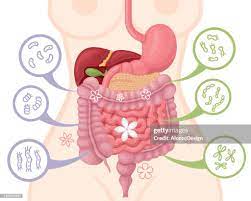
Before we explore the world of probiotics and prebiotics, let’s understand the gut microbiome. Trillions of microorganisms, including bacteria, fungi, and viruses, reside in our digestive tract, forming a complex ecosystem. This microbiome influences various aspects of our health, from nutrient absorption to immune system function.

Probiotics: The Friendly Bacteria:

Probiotics are live microorganisms that provide numerous health benefits when consumed in adequate amounts. These friendly bacteria help balance the gut microbiome by crowding out harmful pathogens and promoting a diverse microbial community.

Common sources of probiotics include yogurt, kefir, sauerkraut, kimchi, and certain supplements. These beneficial bacteria contribute to improved digestion, enhanced nutrient absorption, and strengthened immune function. Additionally, research suggests that probiotics may play a role in mental health by influencing the gut-brain axis.

Prebiotics: Nourishment for the Microbiome:

While probiotics are the heroes of gut health, prebiotics serve as their sidekicks. Prebiotics are non-digestible fibres that provide fuel for the beneficial bacteria in the gut. By nourishing these microbes, prebiotics help them flourish and maintain a healthy balance within the microbiome.

Excellent sources of prebiotics include fibre-rich foods like bananas, onions, garlic, asparagus, and whole grains. Including these foods in your diet not only supports the growth of beneficial bacteria but also aids in regulating bowel movements and preventing constipation.

The Symbiotic Connection:

For an even more powerful gut health boost, consider incorporating symbiotic into your routine. Symbiotic’s combine both probiotics and prebiotics, working synergistically to enhance their individual benefits. This combination promotes a harmonious environment in the gut, fostering the growth of beneficial bacteria while providing the necessary nutrients for their survival.

The Gut-Brain Connection:

Beyond digestive health, the gut has a profound impact on the brain, influencing mood, stress levels, and cognitive function. The communication between the gut and the brain, known as the gut-brain axis, highlights the interconnectedness of these two vital systems. Maintaining a balanced and diverse gut microbiome through the consumption of probiotics and prebiotics may contribute to mental well-being.

Probiotics:

  • Fermented Foods:
    • Sauerkraut: Fermented cabbage is rich in probiotics.
    • Kimchi: A Korean dish made from fermented vegetables, usually cabbage and radishes.
    • Pickles: Naturally fermented pickles, not those made with vinegar, can be a good source.
  • Non-Dairy Yogurts:
    • Look for yogurts made from coconut, almond, soy, or oat milk, which are fortified with probiotic cultures.
  • Tempeh:
    • A fermented soy product that contains beneficial bacteria. It’s also a good source of protein.
  • Miso:
    • A traditional Japanese seasoning made by fermenting soybeans with salt and koji (a type of fungus). It’s commonly used to make miso soup.
  • Probiotic Supplements:
    • There are vegan and vegetarian probiotic supplements available in various forms, including capsules, powders, and chewable. Look for those with a diverse range of strains.

Prebiotics:

  • Legumes:
    • Lentils, chickpeas, and beans are rich in prebiotic fibres.
  • Whole Grains:
    • Foods like quinoa, brown rice, and oats provide a good source of prebiotics.
  • Vegetables:
    • Garlic, onions, leeks, asparagus, and Jerusalem artichokes are known for their prebiotic content.
  • Fruits:
    • Bananas, apples, berries, and kiwi contain soluble fibres that act as prebiotics.
  • Nuts and Seeds:
    • Almonds, flaxseeds, and chia seeds are good sources of prebiotic fibres.
  • Root Vegetables:
    • Sweet potatoes and carrots contain prebiotic fibres and can be included in your diet.

As we embrace the Gut Health Revolution, prioritising the well-being of our gut microbiome becomes essential for overall health. Probiotics and prebiotics play pivotal roles in creating a happy gut, supporting digestion, immune function, and even mental health. By incorporating probiotic-rich foods, prebiotic fibres, and symbiotic combinations into our diets, we can embark on a journey towards a thriving and balanced gut ecosystem. So, let’s raise a toast to the gut – where health truly begins!


Confidence Unleashed: Mastering the Gym Experience

Achieving confidence in the gym is a universal desire, yet many may find themselves grappling with the opposite feeling. It’s entirely normal to experience a lack of confidence in such an environment; in fact, 43% of individuals confess to feeling intimidated, while 49% admit to harbouring nerves and anxiety within the gym. If you resonate with these sentiments, rest assured that you’re not alone—even the most seasoned gym enthusiasts occasionally face moments of trepidation.

The encouraging news is that overcoming or improving upon these feelings is entirely possible. Here, we share our top tips for cultivating confidence in the gym.

1. Plan Your Routine

Going into the gym with a well-thought-out plan, spanning from warm-up to cool-down, can prevent hesitation and boost confidence. Utilise a physical notebook, a workout app, or your phone’s notes to outline your session. Whether crafting your own plan or seeking assistance from staff, having a structured routine in place can be a game-changer.

2. Feel Confident in Your Outfit

You needn’t revamp your entire wardrobe or adhere to gym fashion trends, but feeling confident in what you wear contributes significantly to overall self-assurance. Select workout clothes that align with your style and ensure comfort throughout every movement.

3. Use the Support Available

Uncertainty about gym equipment or workout plans can be intimidating. Take advantage of the available support options, including staff assistance, gym classes, and even personalised training sessions. Trying new things in a guided environment or with a group can be motivational, alleviating the need to plan your own workout.

4. Don’t Compare Yourself

Recognise that everyone in the gym has their unique fitness journey. Most individuals are absorbed in their own workouts and pay little attention to others. Focus on your plan, maintain the mind-muscle connection, and disregard comparisons with fellow gym-goers.

5. Understand the Equipment

Prior to hitting the gym, ensure you comprehend how to use each piece of equipment in your workout plan. Watch instructional videos or seek a demonstration from gym staff if you’re uncertain. Familiarity with the equipment and movements enhances confidence during your workout.

Beginner’s Guide to Weight Training.

Embarking on a weight training journey can be a transformative experience for beginners. Whether your goal is to build muscle, increase strength, or enhance overall fitness, weight training provides a foundation for achieving these objectives. In this beginner’s guide, we’ll explore the basics of weight training, offering valuable insights and tips to help you kickstart your fitness journey.

Understanding the Basics:

Define Your Goals:

Before diving into weight training, it’s essential to define your fitness goals. Whether you aim to lose weight, build muscle, or improve overall strength, having a clear objective will guide your training program.

Start with Compound Exercises:

Compound exercises target multiple muscle groups simultaneously, making them efficient and effective for beginners. Squats, deadlifts, bench presses, and overhead presses are excellent choices to include in your routine.

Learn Proper Form:

Proper form is crucial to prevent injuries and maximise the effectiveness of your workout. Consider working with a fitness professional or using reputable online resources to ensure you’re performing exercises correctly.

Getting Started:

Warm-up:

Always begin your weight training session with a proper warm-up. This can include light cardio, dynamic stretches, and mobility exercises to prepare your body for the demands of lifting.

Start with Light Weights:

As a beginner, it’s important to start with lighter weights to focus on form and technique. Gradually increase the weight as your strength and confidence improve.

Choose a Balanced Routine:

Design a well-rounded routine that targets different muscle groups. This helps prevent imbalances and ensures comprehensive development.

Progression and Consistency:

Gradual Progression:

Over time, gradually increase the intensity of your workouts by adding more weight or performing additional sets and reps. This progressive approach promotes continual improvement.

Consistency is Key:

Consistency is crucial in any fitness journey. Aim for a regular workout schedule that allows your body to adapt and progress. Remember, results take time.

Nutrition and Recovery:

Balanced Nutrition:

A balanced diet is essential for supporting your weight training efforts. Ensure you’re getting an adequate amount of protein, healthy fats, and carbohydrates to fuel your workouts and aid recovery.

Rest and Recovery:

Give your muscles time to recover by incorporating rest days into your routine. Sleep, hydration, and proper recovery techniques, such as stretching or foam rolling, are vital for overall well-being.

Staying Motivated:

Set Realistic Expectations:

Understand that progress takes time. Set realistic, achievable goals to stay motivated and celebrate small victories along the way.

Mix It Up:

Keep your workouts interesting by incorporating variety. Trying new exercises or workout formats can prevent boredom and plateaus.

Embarking on a weight training journey as a beginner can be both exciting and challenging. By understanding the basics, starting with a solid foundation, and maintaining consistency, you’ll be well on your way to achieving your fitness goals. Remember, the key is to enjoy the process and celebrate your progress along the way. Happy lifting!

Transformative Workouts for sculpting your entire body: 10 effective exercises.

Achieving a well-toned body requires more than just a few crunches or bicep curls. To truly sculpt every inch of your physique, it’s essential to incorporate a variety of exercises that target different muscle groups. Whether you’re a fitness enthusiast or just starting your fitness journey, these 10 exercises will help you tone every inch of your body, leaving you feeling very strong, fit, and confident.

  • Squats:
    • Targets: Quads, hamstrings, glutes, and calves.
    • How-to: Stand with feet shoulder-width apart, lower your body as if sitting back into a chair, and rise back up. Add variations like goblet squats or jump squats for an extra challenge.
  • Push-Ups:
    • Targets: Chest, shoulders, triceps, and core.
    • How-to: Start in a plank position, lower your body towards the ground by bending your elbows, and push back up. Modify with knee push-ups or elevate your hands to increase difficulty
  • Deadlifts:
    • Targets: Lower back, glutes, hamstrings, and core.
    • How-to: Stand with feet hip-width apart, bend at the hips and knees to lower the weights towards the ground, keeping your back straight. Engage your core and lift back up.
  • Planks:
    • Targets: Core muscles.
    • How-to: Get into a plank position, keeping your body in a straight line from head to heels. Hold for as long as you can. To intensify, try side planks or add leg raises.
  • Lunges:
    • Targets: Quads, hamstrings, glutes, and calves.
    • How-to: Step forward with one foot, lower your body until both knees are bent at a 90-degree angle, and then push back up. Switch legs and repeat.
  • Pull-Ups:
    • Targets: Back, biceps, and shoulders.
    • How-to: Use a pull-up bar, palms facing away, and pull your body upwards until your chin is over the bar. Modify with assisted pull-ups or inverted rows.
  • Burpees:
    • Targets: Full body, including cardiovascular system.
    • How-to: Start in a standing position, drop into a squat position, kick your feet back into a plank, perform a push-up, jump your feet back to the squat position, and explosively jump up.
  • Russian Twists:
    • Targets: Obliques and core.
    • How-to: Sit on the ground, lean back slightly, lift your legs off the ground, and twist your torso from side to side while holding a weight or just clasping your hands.
  • Tricep Dips:
    • Targets: Triceps and shoulders.
    • How-to: Use parallel bars or the edge of a sturdy surface, lower your body by bending your elbows, and then push back up.
  • Mountain Climbers:
    • Targets: Core, shoulders, and legs.
    • How-to: Get into a plank position and bring your knees towards your chest in a running motion. Keep your core engaged throughout.

Incorporating these 10 exercises into your fitness routine will ensure that you are targeting every major muscle group, leading to a well-rounded and toned physique. Remember to start slowly, maintain proper form, and gradually increase intensity to avoid injury. Consistency is key, so make these exercises a regular part of your workout regimen, and watch your body transform into a lean, strong, and toned masterpiece

Unlocking Your Fitness Motivation: A Comprehensive Guide to Healthy Habits

Embarking on a fitness journey can be a challenging endeavour, especially when motivation wavers. Our complex human nature often leads us to make choices that contradict our well-being. However, understanding the pivotal role of exercise in our lives can serve as a powerful motivator. Regular visits to the gym not only contribute to physical health but also enhance sleep quality and boost positive emotions. To help you stay committed to your fitness goals, here are some actionable suggestions to ignite and sustain your motivation.

Measure Your Progress:

Setting clear and tangible goals is the first step towards a successful fitness journey. Whether it’s shedding a stone or mastering a new exercise, defining your objectives gives you a roadmap to follow. This clarity fuels excitement and determination, making it easier to stay on track.

Make It a Routine:

Consistency is key in any fitness endeavour. Establishing a routine helps your body adapt to a regular workout schedule. Whether it’s three times a week at 6 pm with a rest day in between, sticking to a set timetable creates a habit that your body will come to expect and appreciate.

Consider Working with a Coach or Trainer:

Guidance can make a significant difference in your fitness journey. Enlisting the support of a coach or trainer provides not only valuable expertise but also a source of accountability. The confidence and assistance they offer contribute to your overall enjoyment and motivation to maintain healthy habits inside and outside the gym.

Do What You Enjoy:

Finding joy in your workout is crucial for long-term success. Whether it’s a heart-pumping cardio session or a weightlifting session, make exercise something to look forward to. Enjoyment fosters immersion, making your workout a fulfilling part of your routine rather than a burdensome task.

Go for the Right Reason:

Shift your focus from superficial goals to specific, measurable targets. Rather than fixating on appearance, set smaller, achievable goals like squatting your body weight or mastering a full pushup. These milestones build a sense of accomplishment and provide benchmarks for your progress.

Reward Your Efforts:

Celebrating your achievements, no matter how small, reinforces positive behaviour. Attach rewards to your fitness milestones, whether it’s indulging in your favourite show or treating yourself to a delicious treat. Recognising your efforts increases the likelihood of incorporating exercise into your weekly routine.

Think Positively:

When setbacks occur, replace negative thoughts with positive affirmations. Instead of dwelling on missed sessions, focus on the opportunity to improve the next day. Shifting your perspective from self-criticism to positive reinforcement strengthens your commitment to your fitness journey.

Find Your People:

Building a supportive community is a powerful motivator. Surround yourself with individuals who share your fitness aspirations. Not only will you be energised for each workout, but you’ll also benefit from a supportive network that encourages improvement. Learning from others on similar journeys expands your understanding of health and fitness.

Embarking on a fitness journey requires commitment and motivation. By incorporating these strategies into your routine, you can cultivate a sustainable and enjoyable approach to exercise. Remember, your journey is unique, and celebrating each step forward will propel you toward a healthier, happier you. If you’re unsure where to start, claim a free one-day pass at Anytime Fitness and consult with our expert team to kickstart your health goals.

Together, we can create a ripple effect of positivity that propels us towards a year of physical well-being and self-discovery. What’s your go-to motivation tip for kickstarting your fitness journey in 2024? Share it and let’s inspire each other to achieve greatness!

Here are several helpful links for additional reading on ways to inspire yourself to embark on your fitness journey in 2024.

https://www.menshealth.com/uk/building-muscle/a750272/5-ways-to-motivate-yourself-to-work-out/

Staying motivated to exercise

https://www.goodhousekeeping.com/uk/health/health-advice/a561183/this-is-how-i-motivate-myself-to-exercise-5-times-a-week/

https://www.marieclaire.co.uk/life/health-fitness/motivational-tips-for-exercise-141460

Fasting for Health: Exploring Different Types of Intermittent Fasting

In recent years, the practice of intermittent fasting has gained significant attention for its potential health benefits. From weight loss to improved metabolic health, proponents of intermittent fasting argue that it can be a powerful tool for enhancing overall well-being. In this blog, we’ll delve into the various types of intermittent fasting, exploring their unique approaches and potential health advantages.

Understanding Intermittent Fasting

Intermittent fasting involves cycling between periods of eating and fasting, and it does not prescribe specific foods to eat or avoid. Instead, it focuses on when to eat. This approach is rooted in the idea that our bodies are well-adapted to periods of feast and famine, as our ancestors often experienced scarcity of food.

Different Types of Intermittent Fasting

The 16/8 Method (Time-Restricted Feeding):

  • How it works: This method involves daily fasting for 16 hours and restricting your eating to an 8-hour window.
  • Example: If you choose to eat between 12:00 pm and 8:00 pm, you would fast from 8:00 pm to 12:00 pm the next day.

The 5:2 Diet (Modified Fasting):

  • How it works: For two non-consecutive days of the week, calorie intake is limited to around 500-600 calories, while regular eating is maintained on the other days.
  • Example: Eating normally on Monday, Wednesday, Friday, and Sunday, while restricting calories on Tuesday and Thursday.

Eat-Stop-Eat:

  • How it works: This approach involves a complete 24-hour fast once or twice a week, with no food intake during the fasting period.
  • Example: Fasting from dinner on Monday to dinner on Tuesday.

Alternate-Day Fasting:

  • How it works: Alternating between days of regular eating and days of very low-calorie intake or complete fasting.
  • Example: Eating normally on Monday, fasting on Tuesday, eating normally on Wednesday, and so on.

Warrior Diet:

  • How it works: Involves eating small amounts of raw fruits and vegetables during the day and consuming one large meal at night within a 4-hour window.
  • Example: Eating small snacks like fruits and vegetables during the day and having a substantial dinner between 6:00 pm and 10:00 pm.

Health Benefits of Intermittent Fasting

  • Weight Loss:
    • Intermittent fasting may help reduce calorie intake, leading to weight loss.
    • Fasting periods promote the utilisation of stored fat for energy.

Improved Metabolic Health:

  • Intermittent fasting may enhance insulin sensitivity, lowering the risk of type 2 diabetes.
  • It may help regulate blood sugar levels and reduce inflammation.

Cellular Repair and Longevity:

  • Fasting triggers autophagy, a process where cells remove damaged components, promoting cellular repair.
  • Some studies suggest that intermittent fasting may contribute to increased lifespan.

Brain Health:

  • Intermittent fasting may support brain health by promoting the production of brain-derived neurotrophic factor (BDNF), a protein associated with cognitive function.
  • It may reduce the risk of neurodegenerative diseases like Alzheimer’s.

Intermittent fasting offers a flexible and diverse range of approaches, allowing individuals to choose a method that aligns with their lifestyle and preferences. While the health benefits are promising, it’s essential to approach intermittent fasting with caution and consult with a healthcare professional, especially for those with underlying health conditions. As with any lifestyle change, moderation and individualisation are key to reaping the potential rewards of intermittent fasting for improved health and well-being.

Prepare for a Positive New Year Ahead

How are you preparing for a positive start to the upcoming New Year? As 2023 comes to a close, it’s a natural time to reflect on the past 12 months, assessing goals achieved, new aspirations, and the evolution of plans as our perspectives shifted throughout the year.

Regardless of how 2023 unfolded for you, now is the perfect moment to turn your gaze forward and establish the foundation for a fulfilling New Year. In the following article, we’ll explore various practical and mental strategies to ensure you enter January with the right mindset.

Get a Head Start on the New Year

Perhaps you’re considering the approaching holiday season as a brief respite, a chance to rejuvenate your previous New Year’s resolutions. By now, you may have realised that coercing change is ineffective. Regardless of how you spend the final days of the year, it’s crucial to jumpstart your goals, making them attainable, realistic, and personally enriching.

Creating a Game Plan

The initial step toward setting realistic expectations involves identifying your desires and crafting a plan that seamlessly integrates into your existing routines. Ultimately, the aim is to instigate a change that propels you toward your goals.

This can be accomplished by documenting the steps or using tools like calendars to monitor progress. Regardless of your chosen method, consider the following:

  • Identify strengths and weaknesses when formulating or re-establishing goals.
  • Reflect on your current capabilities and what aspects you wish to carry forward from the past year.
  • Recognise goals that haven’t proven effective and identify potential obstacles.
  • Once you’ve discerned what works, start documenting or verbalising these goals.
  • Share your objectives with trusted individuals who can help keep you accountable.
  • Assess your available resources; leverage apps, calendars, or notes to organise and set reminders for staying on track.

New Year, Same Me

Many people dismiss the tradition of making New Year resolutions, often aiming to change aspects of themselves they dislike or wish to improve. This approach contributes to a high failure rate for resolutions.

Changing personal attributes and behaviours requires considerable effort, determination, and perseverance, exceeding the simplicity of returning a borrowed item. While it’s possible to adopt new, healthy habits in the New Year, fixating on the concept of a “new me” often sets the stage for disappointment. Instead of replacing attitudes or goals, consider focusing on improving and building upon your existing capabilities.

Let’s talk Gut Health 

Maintaining a healthy digestive system, particularly a balanced gut microbiome, is crucial for overall well-being, affecting both mental health and inflammation levels in the body. Numerous studies in the past decade have highlighted the significant impact of trillions of gut bacteria on the brain and their potential connection to various disorders. Emerging research suggests that these microbes might influence conditions like Parkinson’s disease, autism spectrum disorder, Alzheimer’s, and mental health issues such as depression. Scientists and companies are exploring therapies targeting the microbiome in human clinical trials, offering hope for prevention and treatment. The exciting aspect is that, unlike your genes, your microbiome can be modified.

A reliable indicator of digestive health is your bowel movements. Ideally, you should have one or two daily movements that occur easily and completely, without urgency or straining. If your bowel habits don’t align with these criteria, it’s essential to address your gut environment.

Many individuals experience bloating, especially after meals, and acid reflux or heartburn, which are signs of underlying digestive issues, not normal occurrences. Bloating often results from an imbalance in gut microbes. By following specific guidelines, beneficial microbes can be restored, improving digestive function and associated systems.

Typically, doctors provide diagnoses and symptom relief for digestive problems but rarely offer permanent solutions. Enhancing the gut lining, optimising digestive secretions such as stomach acid, enzymes, and bile, and supporting healthy gut bacteria can significantly improve overall function.

Here are practical steps to improve your digestive health:

 Mindful Eating:

  • Take deep breaths before eating.
  • Chew your food thoroughly and eat slowly, without distractions.
  • Put your utensils down between bites.

Hydration and Fiber:

  • Drink at least two litres of liquids daily.
  • Include soluble fibre in your diet from sources like apples, oats, nuts, beans, pulses, grains, and vegetables.
  • Soak chia seeds in milk overnight and add fruits and granola in the morning.

Fermented Foods:

  • Consume fermented foods like natural yogurt, kefir, sauerkraut, and raw apple cider vinegar to promote a healthy gut environment.
  • Start with small amounts and gradually increase intake.

 Stimulate the Vagus Nerve:

  • Practice regular gargling, singing loudly, and triggering the gag reflex to stimulate the vagus nerve, essential for good digestive function.

Soaked Bravely Apples:

  • Stewed cooking apples with skins have soothing properties. Add cinnamon and dark apricots and serve with yogurt and toppings.

Soaking for Improved Digestion:

  • Soak grains, pulses, nuts, and seeds overnight to reduce irritation and inflammation in the digestive tract.

Rest, Relaxation, and Sleep:

  • Manage stress through meditation or mindfulness.
  • Prioritise sufficient sleep and relaxation to support overall gut health.

Intermittent Fasting:

  • Incorporate regular intermittent fasting to allow the digestive system to rest and recover.

Taking care of your gut is not just about relieving digestive problems; it’s about ensuring your overall well-being. By making mindful choices in your diet and lifestyle, you can significantly improve your digestive health, paving the way for a healthier, more energetic you.

Different Ways to Eat Chia Seeds

Different Ways to Eat Chia Seeds

Chia seeds, derived from the plant Salvia hispanica, have gained immense popularity in recent years due to their impressive nutritional profile. Packed with fibre, protein, healthy fats, and various micronutrients, these tiny seeds are a powerhouse of energy. Not only are they good for you, but they can also add an interesting texture and flavour to your meals. If you’re wondering how to incorporate chia seeds into your diet in a fun and delicious way, look no further. Here are 10 creative and enjoyable ways to eat chia seeds:

1.Chia Seed Pudding:

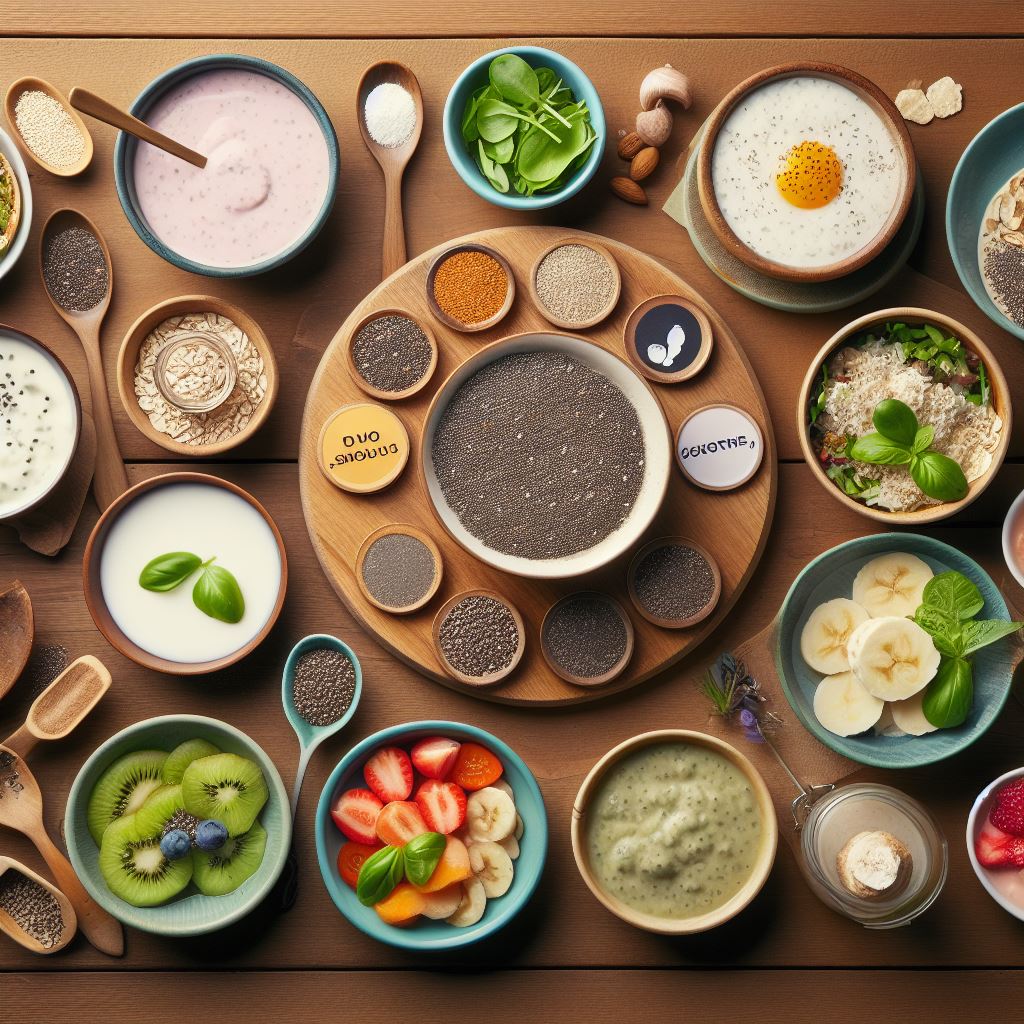
One of the most popular ways to enjoy chia seeds is by making a chia seed pudding. Simply mix chia seeds with your favourite milk (almond, coconut, or regular dairy) and let them soak overnight. In the morning, you’ll have a delightful pudding-like texture. Add fruits, nuts, and a drizzle of honey for a tasty breakfast or snack.

2. Chia Seed Smoothies:

Boost the nutritional content of your smoothies by adding a spoonful of chia seeds. They not only provide a delightful crunch but also thicken the smoothie, making it more filling and satisfying. Combine them with your favourite fruits, yogurt, and a handful of spinach for a refreshing drink.

3. Chia Seed Jam:

Make a healthier version of jam by mixing chia seeds with mashed berries and a touch of sweetener. Let the mixture sit for a few hours, and you’ll have a delicious, homemade jam perfect for spreading on toast or mixing into yogurt.

4. Chia Seed Oatmeal:

Upgrade your morning oatmeal by sprinkling chia seeds on top. They add a nutty flavour and a chewy texture, making your breakfast not only healthier but also more interesting.

5. Chia Seed Energy Bars:

Create your own energy bars at home by combining chia seeds with nuts, dried fruits, honey, and oats. Press the mixture into a pan, refrigerate until firm, and then cut into bars. These homemade energy bars are perfect for a quick, nutritious snack on the go.

6. Chia Seed Salad Dressing:

Blend chia seeds with olive oil, lemon juice, garlic, and your favourite herbs to create a healthy and flavourful salad dressing. The chia seeds help thicken the dressing while adding a boost of nutrition to your salads.

7. Chia Seed Crackers:

Mix chia seeds with water, spices, and whole wheat flour to create a dough. Roll it out thinly, cut into small squares, and bake until crispy. These homemade chia seed crackers are great for dipping into hummus, guacamole, or salsa.

8. Chia Seed Muffins:

Add chia seeds to your favourite muffin recipe for an extra crunch and a nutritional boost. Whether it’s blueberry, banana, or chocolate chip muffins, chia seeds can easily be incorporated into the batter.

9. Chia Seed Yogurt Parfait:

Layer chia seed pudding with yogurt and fresh fruits to create a delightful parfait. The combination of creamy yogurt, chewy chia seeds, and sweet fruits makes for a satisfying and visually appealing dessert.

10. Chia Seed Ice Cream:

Blend frozen bananas with a splash of milk and chia seeds to create a creamy and healthy ice cream alternative. The chia seeds add a fun texture to the ice cream, making it a hit with both kids and adults.

Incorporating chia seeds into your diet can be both nutritious and enjoyable. These versatile seeds can be used in various recipes, adding a nutritional punch and an interesting texture to your meals and snacks. So, go ahead and experiment with these fun ways to eat chia seeds, and enjoy the health benefits along with the delicious flavours!

Nourishing the Mind: A Guide to Food for the Brain

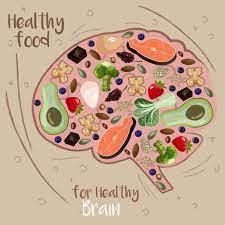
Our brain, the powerhouse of our body, requires the right kind of fuel to function optimally. Just like any other organ, it relies on a balanced diet to stay healthy and active. The food we consume plays a significant role in determining our cognitive abilities, memory, and overall brain health. In this blog post, we will explore the fascinating world of food for the brain and understand how the right choices can enhance mental well-being.

Berries: Antioxidants to Combat Oxidative Stress

Berries, such as blueberries, strawberries, and blackberries, are packed with antioxidants, including flavonoids. These compounds have been shown to accumulate in the brain and help delay age-related cognitive decline, improve memory, and protect brain cells from oxidative stress. A handful of berries can be a delicious way to enhance your brain health.

Turmeric: Curcumin’s Anti-inflammatory Properties

Turmeric, a spice commonly found in Indian cuisine, contains an active compound called curcumin. Cumin has powerful anti-inflammatory and antioxidant properties. Research suggests that it may help in the growth of new brain cells and improve overall brain function. Consider adding turmeric to your curries, soups, or smoothies to harness its brain-boosting benefits.

Leafy Greens: Rich in Vitamin K and Antioxidants

Leafy greens like spinach, kale, and Swiss chard are excellent sources of vitamin K, which is believed to be beneficial for brain health. They are also rich in antioxidants and various essential nutrients that protect the brain from damage. Including a variety of leafy greens in your salads or smoothies can provide your brain with the nutrients it needs to thrive.

Nuts and Seeds: Brain-Boosting Nutrients in a Nutshell

Nuts and seeds, such as walnuts, almonds, flaxseeds, and chia seeds, are abundant in antioxidants, vitamin E, and omega-3 fatty acids. These nutrients are crucial for brain health, supporting cognitive function and protecting the brain from oxidative stress. A handful of mixed nuts or a sprinkle of seeds on your breakfast can be an easy way to incorporate them into your diet.

Whole Grains: Sustained Energy for the Brain

Whole grains like brown rice, quinoa, and whole wheat are excellent sources of complex carbohydrates. These carbohydrates provide a steady supply of glucose to the brain, which is its primary energy source. Choosing whole grains over refined grains ensures a consistent energy supply, helping you stay focused and mentally alert throughout the day.

Incorporating brain-boosting foods into your diet not only supports cognitive function but also contributes to your overall well-being. By making mindful choices and embracing a balanced and nutritious diet, you can nourish your brain and enjoy the benefits of improved memory, enhanced focus, and a sharper mind. So, let your next meal be a celebration of not just your taste buds but also your brain health.