Embracing Inner Peace: World Meditation Day 2024

Hey there, mindful souls! As the world gears up to celebrate World Meditation Day on May 21st, 2024, it’s time to dive deep into the transformative power of meditation and its profound impact on our lives.

In a world brimming with chaos, stress, and endless distractions, the practice of meditation serves as a beacon of serenity, guiding us back to our innermost selves. Whether you’re a seasoned meditator or a curious beginner, this global event invites us all to take a collective pause and reconnect with the present moment.

Here’s why World Meditation Day is more than just another day on the calendar – it’s a movement towards inner peace, clarity, and holistic well-being.

 Global Pause for Peace:

In a world that often feels divided, World Meditation Day transcends boundaries and brings people together in the spirit of unity and harmony. As millions of individuals around the globe sit in silence, the collective energy of peace and positivity ripples across continents, fostering a sense of interconnectedness and oneness.

Stress Relief in Turbulent Times:

With the fast-paced nature of modern life, stress has become an all too familiar companion for many. However, meditation offers a sanctuary of calm amidst the storm. By simply closing our eyes and focusing on our breath, we can alleviate stress, reduce anxiety, and cultivate a profound sense of relaxation that extends far beyond the meditation cushion.

A Journey Inward:

Beyond its immediate benefits, meditation is a journey inward – a voyage of self-discovery and introspection. Through regular practice, we peel back the layers of conditioning and societal noise, revealing the essence of who we truly are. World Meditation Day encourages us to embark on this inner pilgrimage, exploring the depths of our consciousness and uncovering the limitless potential that resides within.

Empowering Mind, Body, and Spirit:

The benefits of meditation extend far beyond the confines of the mind. Research has shown that regular meditation practice can lead to improved focus, enhanced creativity, and even a stronger immune system. Moreover, it fosters a profound sense of connection with our bodies and nurtures our spiritual growth, allowing us to tap into a wellspring of inner wisdom and intuition.

Seeding Positive Change:

As we cultivate peace within ourselves, we become catalysts for positive change in the world around us. World Meditation Day serves as a reminder that our individual actions ripple outward, influencing the collective consciousness and shaping the reality we inhabit. By fostering inner peace and compassion, we contribute to a more harmonious and compassionate world for future generations.

How Meditation Enhanced My Mind and Body

Meditation has been a transformative practice for both my mental and physical well-being. Through regular meditation sessions, I’ve experienced profound shifts in my overall mindset and outlook on life. Mentally, meditation has provided me with a sense of clarity and calmness amidst life’s inevitable chaos. It has become a sanctuary where I can observe my thoughts without judgment, fostering a greater sense of self-awareness and emotional resilience. Physically, the benefits have been equally remarkable. I’ve noticed a significant reduction in stress levels, leading to improvements in sleep quality and a heightened sense of energy throughout the day. Moreover, the practice has helped alleviate chronic pain and tension in my body, promoting relaxation and a greater sense of vitality. Overall, meditation has become an essential tool in my holistic approach to health, enriching both my mind and body in profound ways.

So, as May 21st approaches, let’s join hands – or rather, hearts – and embark on this transformative journey together. Whether you choose to meditate solo, join a group session, or participate in virtual events, let’s unite in the spirit of mindfulness and spread the ripple of peace far and wide.

Remember, the power to transform our world lies within each and every one of us. Let’s harness the transformative power of meditation and pave the way for a brighter, more peaceful future.

Happy World Meditation Day, fellow seekers of serenity. May your journey inward be as boundless as the universe itself.

Namaste 🙏.

5 Brain-Boosting Foods for Mental Health | Improve Mood and Cognitive Function

In the fast-paced whirlwind of modern life, taking care of our mental health often takes a backseat. But what if I told you that a simple trip to the grocery store could hold the key to unlocking a happier, more balanced mind? It’s true! Certain foods have been shown to have powerful effects on our mental well-being, and incorporating them into your diet could be the first step towards a brighter, more resilient mindset.

Omega-3 Rich Foods: 

Let’s start with the brain’s best friend – omega-3 fatty acids. Found abundantly in fatty fish like salmon, mackerel, and sardines, as well as in walnuts and flaxseeds, these essential fats are crucial for brain health. Studies have linked omega-3s to reduced symptoms of depression and anxiety, as well as improved cognitive function. So, next time you’re planning your meals, consider adding some omega-3-rich options to the menu.

Leafy Greens: 

Popeye was onto something with his love for spinach! Leafy greens like spinach, kale, and Swiss chard are packed with nutrients like folate and magnesium, which have been shown to promote brain health and reduce the risk of depression. Plus, they’re a great source of antioxidants, which can help protect your brain from oxidative stress. Try adding a handful of greens to your smoothie or swapping out your usual side dish for a nutrient-packed salad.

Berries: 

Not only are berries delicious, but they’re also incredibly good for your mental health. Blueberries, strawberries, raspberries – take your pick! These little powerhouses are loaded with antioxidants, particularly flavonoids, which have been linked to improved mood and cognitive function. Whether you enjoy them on their own, mixed into yogurt, or sprinkled over oatmeal, incorporating berries into your diet is a sweet way to support your mental well-being.

Probiotic-Rich Foods: 

Gut health and mental health are intricately linked, and one way to support both is by consuming probiotic-rich foods. Yogurt, kefir, sauerkraut, and kimchi are all excellent sources of probiotics, which help maintain a healthy balance of gut bacteria. Research suggests that a happy gut can lead to a happier mind, with some studies even showing a potential link between probiotics and reduced symptoms of depression and anxiety. So, consider adding some fermented foods to your diet and let your gut – and your brain – thank you later.

Dark Chocolate:

 Yes, you read that right – chocolate can be good for your mental health! Dark chocolate, in particular, is rich in flavonoids and other compounds that have been shown to boost mood and cognitive function. Plus, it contains a small amount of caffeine, which can provide a gentle pick-me-up when you need it most. Just remember to enjoy it in moderation – a square or two a day should do the trick.

The saying “you are what you eat” couldn’t be more accurate when it comes to your mental health. By incorporating these brain-boosting foods into your diet, you can nourish your mind from the inside out and take proactive steps towards a happier, healthier you. So, why wait? Head to the grocery store, stock up on these mood-boosting ingredients, and get ready to feed your mind for a brighter tomorrow. Your brain will thank you!

10 Anxiety-Busting Foods: Your Ultimate Guide to Calm and Comfort

In the hustle and bustle of modern life, stress and anxiety have become all too common companions, often leaving us feeling overwhelmed and depleted. But what if I told you that one of the most potent weapons against these persistent foes could be found right in your kitchen? Welcome to ‘Anxiety-Busting Foods: Your Ultimate Guide to Calm and Comfort.’ In this comprehensive exploration, we’ll journey through the world of culinary therapy, uncovering a treasure trove of ingredients scientifically proven to soothe the mind, uplift the spirit, and restore balance to our hectic lives. From nutrient-rich superfoods to comforting culinary classics, get ready to discover the deliciously powerful allies that can transform your relationship with anxiety. So grab a seat at the table and prepare to indulge not only your taste buds but your soul, as we unlock the transformative potential of food for inner peace and tranquility.

Say goodbye to stress and hello to tranquility with these 10 anxiety-busting foods:

Salmon: Packed with omega-3 fatty acids, salmon is a powerhouse when it comes to fighting anxiety. Omega-3s have been shown to reduce inflammation in the brain and promote the production of neurotransmitters like serotonin, which can help regulate mood.

Blueberries: These little berries are bursting with antioxidants, which can help protect your brain from oxidative stress and reduce symptoms of anxiety. Plus, they’re delicious and versatile – toss them in a smoothie, sprinkle them on oatmeal, or enjoy them on their own as a tasty snack.

Yogurt: Probiotics, the healthy bacteria found in yogurt, may help reduce anxiety by promoting a healthy gut microbiome. Studies have shown that there is a strong connection between the gut and the brain, and maintaining a healthy balance of gut bacteria can have a positive impact on mood.

Dark Chocolate: Indulge your sweet tooth while also calming your nerves with a square of dark chocolate. Dark chocolate contains flavonoids, which have been shown to have mood-boosting properties. Just be sure to opt for dark chocolate with a high cocoa content to reap the maximum benefits.

Leafy Greens: Popeye was onto something with his love of spinach. Leafy greens like spinach, kale, and Swiss chard are rich in magnesium, a mineral that plays a key role in regulating mood. Magnesium deficiency has been linked to increased anxiety, so be sure to load up on these nutritious greens.

Chamomile Tea: Sip your way to serenity with a soothing cup of chamomile tea. Chamomile has long been used as a natural remedy for anxiety and insomnia, thanks to its calming properties. Plus, the act of brewing and sipping a warm beverage can be comforting in itself.

Almonds: Don’t let their small size fool you – almonds are packed with nutrients that can help combat anxiety. They’re rich in magnesium, zinc, and vitamin E, all of which play a role in promoting mental well-being. Keep a handful of almonds on hand for a quick and satisfying snack.

Oats: Start your day off on the right foot with a hearty bowl of oatmeal. Oats are a great source of complex carbohydrates, which can help regulate serotonin levels and promote stable mood throughout the day. Plus, they’re filling and delicious – what’s not to love?

Avocado: Creamy, rich, and oh-so-satisfying, avocados are more than just a trendy toast topping – they’re also great for reducing anxiety. Avocados are loaded with monounsaturated fats, which can help lower blood pressure and reduce stress levels. Spread some avocado on whole grain toast or add it to a salad for a tasty and nutritious treat.

Incorporating these anxiety-busting foods into your diet can help you feel calmer, more focused, and better equipped to handle whatever life throws your way. So go ahead – indulge in a piece of dark chocolate, whip up a salmon salad, or brew yourself a cup of chamomile tea. Your body and mind will thank you for it!

3-3-3 Rule: Practical Technique for Anxiety Relief

Do you ever find yourself trapped in a whirlwind of anxious thoughts, unable to break free from the cycle of worry and stress? In the fast-paced world we live in, anxiety has become an all too common companion for many of us. But what if I told you there’s a simple yet powerful technique that could help you find calm amidst the chaos? Enter the 3-3-3 rule – a game-changing strategy for managing anxiety and reclaiming your peace of mind.

What is the 3-3-3 Rule?

The 3-3-3 rule is a straightforward method designed to ground you in the present moment and alleviate feelings of anxiety. It consists of three steps, each involving the senses, to bring you back to a state of equilibrium:

Name Three Things You See: 

Start by observing your surroundings and identifying three things you can see. It could be anything from the texture of the walls to the colour of the sky. By focusing on the present moment, you shift your attention away from anxious thoughts and anchor yourself in reality.

Acknowledge Three Sounds You Hear: 

Tune in to the sounds around you and identify three distinct noises. It might be the hum of traffic outside your window or the gentle rustling of leaves in the wind. Listening attentively to the present soundscape helps quieten the noise in your mind and promote a sense of calm.

Move Three Parts of Your Body: 

Engage your body by moving three different parts – perhaps wiggle your toes, roll your shoulders, or stretch your arms. Physical movement not only releases tension but also redirects your focus away from anxious feelings and towards the sensations of your body in motion.

Why Does It Work?

The brilliance of the 3-3-3 rule lies in its simplicity and effectiveness. By engaging multiple senses and incorporating physical movement, it interrupts the cycle of anxious rumination and brings your awareness back to the present moment. This mindfulness practice is rooted in the principles of grounding techniques, which aim to anchor you in the here and now, away from the spiralling thoughts of the past or future.

How to Incorporate the 3-3-3 Rule into Your Life

The beauty of the 3-3-3 rule is its versatility – you can use it anytime, anywhere, whenever you feel overwhelmed by anxiety. Whether you’re at work, in the grocery store, or lying in bed at night, this technique is always at your disposal. With regular practice, it becomes a valuable tool in your mental health toolkit, helping you navigate life’s challenges with greater ease and resilience.

Join the Movement

The 3-3-3 rule is more than just a coping strategy – it’s a mindset shift towards greater self-awareness and emotional well-being. As more people discover its transformative power, the 3-3-3 rule is quickly gaining traction as a viral trend in the realm of mental health and self-care. Join the movement today and take the first step towards a calmer, more grounded existence.

The 3-3-3 rule offers a simple yet profound antidote to anxiety, inviting you to reconnect with the present moment and reclaim control over your mental state. So the next time you feel overwhelmed by worry or stress, remember the power of three – see, hear, move – and watch as your anxiety melts away, leaving behind a newfound sense of peace and clarity.

Incorporating the 3-3-3 rule into your daily routine can be a transformative practice for cultivating inner peace amidst the chaos of everyday life. Imagine starting your day with three minutes of deep breathing exercises, allowing yourself to centre and ground before diving into the demands of the day. Throughout the day, take three brief breaks to check in with yourself, perhaps through a quick mindfulness exercise or a simple stretch to release tension. Finally, before bed, dedicate another three minutes to reflection, journaling, or gratitude practice, easing your mind and preparing for restorative sleep. By consistently integrating these small yet impactful moments into your routine, you can gradually rewire your brain to respond to stress with calmness and resilience. Remember, it’s the consistency and commitment to these practices that truly unlock their transformative power in promoting mental well-being.

Understanding Your Protein Needs

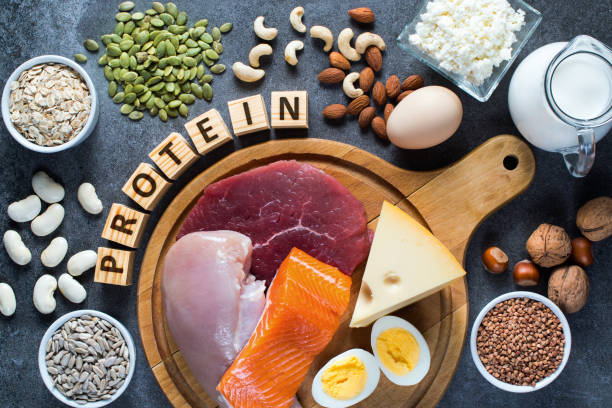
High protein food as meat, fish, dairy, eggs, buckwheat, oatmeal, nuts, bean, pumpkin seed and sunflower seed. Top view

n the realm of nutrition, protein stands out as an indispensable nutrient vital for survival. Comprising amino acids, the fundamental units that assemble proteins, it’s crucial to prioritise high-quality sources rich in essential amino acids to meet our body’s protein demands.

Protein plays a pivotal role in cellular processes throughout the body, serving as enzymes, energy sources, and facilitating muscle tissue repair post-exertion. But how much protein do we truly require?

Determining protein needs hinges on various factors, including life stage. For children, adolescents, and adults, maintaining protein balance is key, ensuring sufficient intake to replenish stores lost through metabolic processes or utilised for energy.

So, what’s the daily protein requirement?

The recommended daily allowance is approximately 0.8g per kg of body weight for adults, translating to about 46g for a 57kg woman and 56g for a 70kg man. While exceeding these targets isn’t necessarily harmful, it’s prudent to avoid surpassing 200g daily.

But what if exercise is part of the equation?

Endurance exercise or weight training elevates protein needs due to increased muscle stress and the subsequent need for repair. Recommendations from bodies like the Sports Nutrition Consensus Statement and the American College of Sports Medicine suggest a range of 1.2-1.7g per kg of body weight for athletes.

Now, where should we source our protein?

The protein quality of foods depends on their essential amino acid content and digestibility. Optimal sources encompass lean meats like chicken and turkey, eggs, nuts, soybeans, fish, and legumes.

For vegetarians and vegans, selecting high-quality meat-free alternatives such as tofu, tempeh, and Quorn is crucial. Additionally, combining complementary non-complete protein sources like grains and legumes ensures a complete amino acid profile, supporting adequate protein intake.

Ultimately, understanding your protein needs and selecting appropriate sources ensures optimal health and performance.

Maximising Your Cardio Workout: What to Eat Beforehand

When it comes to getting the most out of your cardio sessions, what you eat beforehand can significantly impact your performance, energy levels, and even how quickly you tire. Let’s delve into what to eat before a cardio workout to optimise your performance. Additionally, we’ve prepared a sports meal guide with recipes to complement your routine.

Pre-Workout Snacks: Fuelling Up for Success

Ensuring you’re adequately fuelled before your training session provides the necessary energy for peak performance and helps stave off fatigue. Glucose, released after digesting a well-planned meal or snack, serves as the preferred fuel source. For longer workouts, our bodies start tapping into muscle glycogen stores.

In this guide, we’ll walk you through the ins and outs of pre-workout nutrition. It’s not just about what you eat but also when you eat it that ensures you’re primed for success in your fitness endeavour’s.

For high-intensity cardio sessions, fuelling up beforehand is crucial to avoid early fatigue or post-exercise exhaustion.

Choosing the Right Fuel: Key Nutrients for Performance

It’s essential to understand that the right meal or snack cannot only enhance your workout but also support your body through the recovery process. A balanced plate containing carbohydrates, protein, healthy fats, fruits, and vegetables is crucial for nourishing your body effectively. Consider the amount, type, and timing of your pre-workout fuel.

In a previous  blog post I have written about the role of each macronutrient—carbohydrates, protein, and fat—and their recommended intake.

  • Carbohydrates: The primary energy source for muscles and the brain, stored as glycogen. Ensuring your glycogen stores are topped up before training is essential.
  • Protein: Supports muscle growth, repair, and maintenance, vital for peak performance.
  • Fat: A source of energy, particularly for low-intensity activities like walking or jogging.

What to Eat Before Exercising: The Perfect Pre-Workout Fuel

The ideal pre-workout snack or meal should be high in carbohydrates, with moderate amounts of fats and proteins. However, be cautious not to consume too much fat or protein close to your workout, as this can slow down glucose release and digestion.

The timing of your pre-workout meal/snack depends on how much time you have before your session. Aim to eat 2-4 hours beforehand to avoid digestion issues. If time is limited, opt for a smaller, easily digestible snack with high carbohydrate content and a bit of protein.

Even if you’re an early riser or have limited time, it’s crucial to fuel your body before training. Avoiding workouts on an empty stomach is key to optimal performance.

For early birds, a carbohydrate-rich dinner the night before can help top up glycogen stores, requiring only a small pre-workout snack the next day.

Pre-Workout Meal Ideas Based on Timing:

Less than 1 hour before training:

  • Toast with honey
  • Breakfast cereal
  • Banana
  • Dates

1-2 hours before training:

  • Banana
  • Dried fruits with nuts
  • Cereal bar or bowl of cereal
  • Fruit smoothie with yogurt
  • Toast with honey or peanut butter
  • Hummus on toast
  • Yogurt with fruits

2-4 hours before training:

  • Porridge with milk and fruit
  • Large bowl of pasta

Always stay hydrated before and during your workout, the best way to do this is to check the colour of your urine a pale straw colour indicates adequate hydration.

By fuelling your body with the right nutrients at the right time, you can maximise your cardio workouts and achieve your fitness goals more efficiently. 

Mastering Recovery Nutrition: Essential Tips and Meal Ideas

In the realm of fitness and wellness, the significance of post-workout nutrition often takes a backseat to pre-workout meals. However, understanding the importance of recovery nutrition is paramount, especially considering its influence on muscle repair, growth, and overall performance. Tailoring your post-workout nutrition to your specific needs can significantly impact your fitness journey. Here’s what you need to know.

Determining Your Needs:

Recovery nutrition, much like any aspect of nutrition, is highly individualised. Factors such as the type and duration of physical activity, body composition, and personal fitness goals all play crucial roles. Seeking guidance from registered nutritionists or dietitian can help tailor a plan suited to your unique requirements.

Key Concepts of Recovery Nutrition:

Replace muscle glycogen (Carbohydrates)

Activate protein synthesis (Protein)

Rehydrate (Water/Fluids)

To simplify, focus on the three R’s: Repair, Replenish, and Rehydrate.

Why Carbs Matter:

Carbohydrates play a vital role in replenishing muscle glycogen stores depleted during exercise. Prioritising carbohydrates in your post-workout meals aids in enhancing recovery, especially for individuals engaged in multiple training sessions or prolonged workouts.

Why Protein is Crucial:

Protein consumption post-exercise aids in muscle repair and rebuilding. Aim for 15-25g of protein within 30 minutes to 2 hours post-workout to maximise muscle recovery and alleviate soreness. Combining protein with carbohydrates in a 3:1 ratio optimises recovery and glycogen restoration.

Hydration is Key:

Replacing fluids lost through sweat is essential for effective recovery. Aim to consume 1.2 – 1.5 litres of liquid for each kilogram of weight lost during training or competition. Opt for hydrating options such as water-rich fruits and vegetables, smoothies, milk, or sports drinks with electrolytes.

What to Eat After a Workout:

Choose easily digestible foods rich in carbohydrates and high-quality protein to support muscle recovery and maximise results. Here are some post-workout meal ideas Carbohydrates:

  • Sweet potatoes
  • Rice cakes
  • Fruits
  • Rice
  • Pasta
  • Porridge
  • Potatoes

Protein:

  • Greek yogurt
  • Soy
  • Beans
  • Protein powder (as a supplement)

Don’t Forget Healthy Fats:

Always Include a small source of healthy fats complete your post-recovery nutrition.

Here are some Post-Workout Meal Ideas:

  • Peanut butter and banana on multi-grain toast
  • Greek yogurt with berries or banana and granola

By prioritising your post-workout nutrition will optimise recovery and enhance performance in subsequent workouts. Remember to tailor your intake to your individual needs and always prioritise hydration alongside replenishment.

The Power of Active Rest Days: Why Your Body Craves Them

n a world that often glorifies non-stop productivity and relentless hustle, the concept of rest days can feel counterintuitive. After all, shouldn’t we always be striving for more, pushing ourselves to the limit to achieve our goals? While hard work and dedication are undoubtedly important, neglecting rest can lead to burnout, injury, and overall diminished performance. This is where the notion of active rest days comes into play – a crucial component of any well-rounded fitness routine and overall lifestyle.

Understanding Rest Days

Firstly, let’s clarify what I mean by rest days. Rest days are designated periods where you allow your body to recover from the physical stresses of exercise. This recovery time is essential for repairing muscle tissues, replenishing energy stores, and preventing overtraining. However, rest doesn’t necessarily mean complete inactivity. Instead, it can involve low-intensity activities that promote circulation, flexibility, and mental relaxation.

Active vs. Passive Rest

While passive rest may involve lounging on the couch all day, active rest takes a more proactive approach to recovery. Engaging in light physical activity on your rest days can actually enhance the recovery process. Activities like walking, yoga, swimming, or gentle cycling promote blood flow to your muscles, flushing out metabolic waste products and delivering essential nutrients for repair and growth.

Benefits of Active Rest Days

Enhanced Recovery: Active rest days facilitate faster recovery by promoting circulation and reducing muscle stiffness. This means you’ll be ready to tackle your next workout with renewed energy and 

Injury Prevention: Incorporating low-impact activities on rest days can help prevent injuries by maintaining joint mobility and flexibility. It also allows overworked muscles to recover while still engaging in movement patterns that promote overall fitness.

Mental Refreshment: Exercise isn’t just physically demanding – it can also be mentally taxing. Active rest days provide an opportunity to decompress, reduce stress levels, and improve mood through gentle movement and mindfulness activities.

Long-Term Sustainability: Consistently pushing your body to its limits without adequate rest is a recipe for burnout and potential long-term health issues. Incorporating active rest days into your routine promotes balance and sustainability, ensuring you can maintain your fitness journey for the long haul.

How to Make the Most of Your Active Rest Days

Listen to Your Body: Pay attention to how your body feels and adjust your activities accordingly. If you’re feeling particularly fatigued, opt for gentler forms of movement like stretching or restorative yoga.

Mix It Up: Variety is key to keeping active rest days enjoyable and effective. Try different activities to prevent boredom and engage different muscle groups.

Prioritise Recovery: Treat your rest days with the same level of importance as your workout days. Get adequate sleep, stay hydrated, and nourish your body with nutritious foods to support the recovery process.

In a culture that often glorifies the grind, it’s essential to recognise the value of rest in achieving optimal health and fitness. Active rest days offer a balanced approach to recovery, allowing your body to heal and recharge while still engaging in light, enjoyable activities. By incorporating active rest into your routine, you’ll not only enhance your physical performance but also cultivate a sustainable and fulfilling fitness lifestyle for the long term. Remember, rest isn’t a sign of weakness – it’s a vital component of success.

Creatine:Unlocking the Power of Muscle Performance.

In the realm of fitness and athleticism, one compound that stands out for its proven effectiveness and extensive research backing: is creatine. Widely used by athletes, bodybuilders, and fitness enthusiasts alike, creatine is a powerhouse supplement that can enhance muscle performance and support various aspects of physical training. Let’s delve into what creatine is, how it works, its benefits, potential side effects, and how to use it effectively.

What is Creatine?

Creatine is a naturally occurring compound found in small amounts in foods like meat and fish, as well as synthesised in the human body from amino acids, primarily in the liver, kidneys, and pancreas. It plays a crucial role in energy metabolism, particularly during short bursts of intense physical activity. The majority of creatine in the body is stored in skeletal muscle tissue, where it serves as a rapidly available energy source.

How Does Creatine Work?

During high-intensity exercise, such as weightlifting or sprinting, the body relies heavily on adenosine triphosphate (ATP) for energy. ATP provides the energy required for muscle contractions but is rapidly depleted during intense exertion. Creatine comes into play by replenishing ATP stores, allowing muscles to sustain high-intensity efforts for longer periods. By increasing the availability of ATP, creatine supplementation can enhance strength, power, and overall athletic performance.

Benefits of Creatine:

Increased Strength and Power: Creatine supplementation has been consistently shown to improve strength and power output, enabling individuals to lift heavier weights.

Enhanced Muscle Growth:  Support muscle growth and hypertrophy over time, leading to gains in muscle mass.

Improved Exercise Performance: Athletes and fitness enthusiasts often experience enhanced performance during high-intensity activities.

Faster Recovery: Creatine may help reduce muscle damage and inflammation post-exercise, leading to quicker recovery times between workouts and potentially reducing the risk of overtraining.

Cognitive Benefits: cognitive benefits, such as improved memory and mental performance, 

Potential Side Effects:

While creatine is generally safe for most individuals when used as directed, some potential side effects may occur, including:

Water Retention:  leading to slight weight gain.

Gastrointestinal Distress: Some users may experience mild gastrointestinal discomfort, like bloating or diarrhoea, 

Kidney Strain: There has been concern in the past regarding the impact of creatine supplementation on kidney function.

How to Use Creatine Effectively:

Dosage: A typical dosage of creatine monohydrate ranges from 3 to 5 grams per day, taken consistently to maintain elevated creatine levels in the muscles.

Timing: Creatine can be taken at any time of the day, but many prefer to use it as a pre- or post-workout to maximise increased energy demand.

Mixing: Creatine powder can be easily mixed with water, juice, or protein shakes for convenient consumption.

Creatine is a highly effective and well-researched supplement that can significantly enhance muscle performance, strength, and overall athletic prowess. When used responsibly and in conjunction with a balanced diet and regular exercise regimen, creatine can be a valuable tool for individuals looking to achieve their fitness goals. However, it’s essential to consult with a healthcare professional before starting any new supplement regimen, especially for those with pre-existing medical conditions or concerns. With proper use and guidance, creatine has the potential to unlock new levels of physical performance and help individuals push their limits in the pursuit of excellence.

The Power of B-Complex Vitamins

In the realm of vitamins, the B-complex family stands out as a powerhouse, offering a multitude of benefits for overall health and well-being. From bolstering energy levels to supporting nerve function, these essential nutrients play a crucial role in various bodily processes. However, like any supplement, understanding their benefits, potential side effects, and proper dosage is key to harnessing their full potential. 

What are B-Complex Vitamins?

B-complex vitamins comprise a group of eight water-soluble vitamins that are essential for various metabolic processes in the body. They include:

Vitamin B1 (Thiamine): Thiamine is crucial for energy metabolism and nerve function. It helps convert carbohydrates into energy and plays a role in the synthesis of neurotransmitters.

Vitamin B2 (Riboflavin): Riboflavin is involved in energy production, cell growth, and the metabolism of fats, drugs, and steroids. It also acts as an antioxidant, protecting cells from oxidative damage.

Vitamin B3 (Niacin): Niacin is essential for energy metabolism, DNA repair, and cell signalling. It helps lower cholesterol levels and has been used to treat conditions like high cholesterol and pellagra.

Vitamin B5 (Pantothenic Acid): Pantothenic acid is a component of coenzyme A, which plays a vital role in energy metabolism and the synthesis of fatty acids, cholesterol, and steroid hormones.

Vitamin B6 (Pyridoxine): Pyridoxine is involved in over 100 enzyme reactions, including those related to amino acid metabolism, neurotransmitter synthesis, and haemoglobin formation.

Vitamin B7 (Biotin): Biotin is essential for fatty acid synthesis, amino acid metabolism, and gluconeogenesis. It is often associated with promoting healthy skin, hair, and nails.

Vitamin B9 (Folate): Folate plays a crucial role in DNA synthesis and repair, cell division, and the formation of red blood cells. It is particularly important during pregnancy to prevent neural tube defects.

Vitamin B12 (Cobalamin): Vitamin B12 is essential for DNA synthesis, red blood cell formation, and neurological function. It also plays a role in energy metabolism and the breakdown of fatty acids and amino acids.

Benefits of B-Complex Vitamins:

Energy Boost: B-complex vitamins, particularly B1 (thiamine), B2 (riboflavin), B3 (niacin), B5 (pantothenic acid), and B6 (pyridoxine), play a pivotal role in converting food into energy. They participate in the metabolism of carbohydrates, fats, and proteins, providing the body with the fuel it needs to function optimally.

Nervous System Support: B-complex vitamins are essential for maintaining a healthy nervous system. Vitamin B12, in particular, is crucial for the production of myelin, a protective sheath that surrounds nerves, ensuring efficient transmission of nerve impulses. Deficiencies in B vitamins can lead to neurological symptoms like numbness, tingling, and even nerve damage.

Mood Regulation: Certain B vitamins, such as B6, B9 (folate), and B12, are involved in the synthesis of neurotransmitters like serotonin and dopamine, which play a key role in regulating mood. Adequate levels of these vitamins are essential for mental well-being and may help alleviate symptoms of depression and anxiety.

Heart Health: B-complex vitamins, particularly B6, B9, and B12, play a vital role in maintaining heart health. They help regulate homocysteine levels, an amino acid linked to an increased risk of heart disease when elevated. By keeping homocysteine levels in check, B-complex vitamins contribute to a healthy cardiovascular system.

Skin, Hair, and Nail Health: Biotin, a member of the B-complex family, is renowned for its role in promoting healthy skin, hair, and nails. It supports the production of keratin, a protein that forms the structural basis of these tissues, helping maintain their strength and integrity.

Side Effects of B-Complex Vitamins:

While B-complex vitamins offer numerous benefits, excessive intake can lead to potential side effects. It’s essential to be mindful of the following:

Nausea and Digestive Disturbances: High doses of certain B vitamins, particularly niacin (B3) and pyridoxine (B6), may cause nausea, vomiting, and digestive discomfort. These symptoms usually occur with doses well above the recommended daily intake.

Flushing: Niacin supplementation at high doses can cause a temporary flushing sensation, accompanied by redness and warmth of the skin. This side effect is more common with immediate-release niacin formulations.

Nerve Toxicity: Extremely high doses of vitamin B6 over an extended period can lead to nerve toxicity, resulting in sensory neuropathy characterised by numbness, tingling, and weakness in the limbs.

Dosage Recommendations:

Determining the appropriate dosage of B-complex vitamins depends on various factors, including age, sex, health status, and individual needs. Here are the recommended daily allowances (RDAs) for adults:

  • B1 (Thiamine): 1.1-1.2 mg
  • B2 (Riboflavin): 1.1-1.3 mg
  • B3 (Niacin): 14-16 mg NE (niacin equivalent)
  • B5 (Pantothenic Acid): 5 mg
  • B6 (Pyridoxine): 1.3-1.7 mg
  • B7 (Biotin): 30-35 mcg
  • B9 (Folate): 400-600 mcg DFE (dietary folate equivalents)
  • B12 (Cobalamin): 2.4 mcg

It’s essential to obtain B-complex vitamins from a balanced diet whenever possible, as food sources provide not only the vitamins themselves but also other essential nutrients and cofactors necessary for optimal absorption and utilisation.

B-complex vitamins are integral to overall health, offering a wide array of benefits ranging from energy metabolism to nervous system support and beyond. While supplementation may be necessary in certain cases, it’s crucial to approach it with caution, ensuring proper dosage and monitoring for any adverse effects. By understanding the benefits, potential side effects, and appropriate dosage of B-complex vitamins, individuals can harness their full potential and pave the way to enhanced well-being.