
How to Eat Healthy Without Breaking the Bank

In a world where the cost of living seems to constantly rise, maintaining a healthy diet can feel like a financial burden. However, ensuring you get your recommended “5 a day” of fruits and vegetables doesn’t have to break the bank. With a bit of planning, creativity, and smart shopping, it’s entirely possible to eat healthily on a budget. Let’s explore some strategies to help you achieve this goal.

1. Embrace Seasonal Produce

One of the simplest ways to save money on fruits and vegetables is to buy what’s in season. Seasonal produce tends to be more abundant, which often translates to lower prices. Visit your local farmer’s market or grocery store and look for fruits and vegetables that are in peak season. Not only will you save money, but you’ll also enjoy produce at its freshest and most flavourful.

2. Plan Your Meals

Meal planning is a game-changer when it comes to eating healthily on a budget. Take some time each week to plan out your meals, making sure to include plenty of fruits and vegetables. Look for recipes that utilise affordable ingredients and incorporate seasonal produce. By planning ahead, you can create a shopping list that helps you avoid impulse purchases and ensures you have everything you need for nutritious meals throughout the week.

3. Buy Frozen or Canned Produce

While fresh produce is fantastic, don’t overlook the value of frozen or canned options. Frozen fruits and vegetables are often just as nutritious as their fresh counterparts since they’re typically frozen at peak ripeness. Plus, they have the added benefit of a longer shelf life, reducing the risk of food waste. Canned fruits and vegetables are also budget-friendly and convenient, just be sure to choose options with no added sugars or excessive sodium.

4. Shop Smart

When shopping for fruits and vegetables, keep an eye out for sales, discounts, and bulk deals. Many grocery stores offer specials on produce, especially items that are in season or nearing their expiration date. Take advantage of these opportunities to stock up on your favourite fruits and vegetables at a lower cost. Additionally, consider joining a loyalty program or using coupons to save even more money on your grocery bill.

5. Get Creative in the Kitchen

Eating healthily on a budget doesn’t mean sacrificing flavour or variety. Get creative in the kitchen by experimenting with different recipes and cooking techniques. Look for budget-friendly meals that incorporate a variety of fruits and vegetables, such as stir-fries, salads, soups, and smoothies. Don’t be afraid to try new ingredients or substitutions to keep things interesting while sticking to your budget.

Getting your recommended “5 a day” of fruits and vegetables doesn’t have to be expensive. By embracing seasonal produce, planning your meals, opting for frozen or canned options when necessary, shopping smart, and getting creative in the kitchen, you can eat healthily without breaking the bank. With a little effort and mindfulness, you’ll be well on your way to achieving your health and budget goals simultaneously. So, the next time you’re grocery shopping, remember these tips and enjoy a nutritious and budget-friendly diet.

Are You Dehydrated? Our Pee Colour Chart Will Tell You

Water is essential for maintaining good health, and staying adequately hydrated is crucial for our overall well-being. One of the easiest ways to gauge your hydration level is by paying attention to the colour of your urine. Your pee colour can reveal a lot about your body’s hydration status. In this blog, we will explore the significance of urine colour and provide you with a helpful pee colour chart to ensure you stay properly hydrated.

The Importance of Hydration:

Water makes up a significant portion of our body and plays a vital role in various bodily functions. It helps regulate body temperature, aids digestion, lubricates joints, and flushes out waste products through urine. Dehydration occurs when the body loses more fluids than it takes in, leading to an imbalance that can have adverse effects on your health.

Understanding the Pee Colour Chart:

The colour of your urine can vary based on factors such as hydration, diet, medications, and certain medical conditions. A pee colour chart can serve as a simple and effective tool to assess your hydration level. Here’s a general guide to what different urine colours may indicate:

  • Pale Yellow to Light Straw:
    • Hydration Level: Well-hydrated
    • What it Means: Adequate hydration; you’re on the right track.
  • Transparent:
    • Hydration Level: Over-hydrated
    • What it Means: You may be consuming excessive fluids. Adjust your water intake accordingly.
  • Dark Yellow to Amber:
    • Hydration Level: Mild to moderate dehydration
    • What it Means: Increase your water intake to ensure proper hydration.
  • Orange:
    • Hydration Level: Dehydration or potential liver issues
    • What it Means: Lack of water or a possible sign of a health concern; consult a healthcare professional.
  • Pink to Red:
    • Hydration Level: Dehydration or presence of blood
    • What it Means: Seek immediate medical attention as this could indicate a serious issue.
  • Blue or Green:
    • Hydration Level: Rare but could indicate a medical condition or certain medications
    • What it Means: Consult a healthcare professional to identify the cause.

Tips for Maintaining Optimal Hydration

Drink Water Regularly: Aim for at least 8 glasses (64 ounces) of water per day, but individual needs may vary.

Monitor Your Pee Colour: Use the pee colour chart as a reference to assess your hydration level regularly.

Consider Your Diet: Some foods and beverages can impact urine colour. Beets, blackberries, and certain vitamins may cause discolouration.

Be Mindful of Activity Levels: Physical activity and hot weather can increase fluid needs. Adjust your water intake accordingly.

Your body’s hydration status is a key factor in maintaining overall health. By paying attention to the colour of your urine and using a pee colour chart as a guide, you can take proactive steps to ensure you stay adequately hydrated. Remember, maintaining a balance between water intake and urine colour is a simple yet effective way to support your well-being. If you notice any persistent changes in urine colour or have concerns about your hydration, it’s always wise to consult with a healthcare professional for personalised advice.

Staying Active in Chilly Weather

Staying naturally active becomes more challenging as the temperature drops, often leading to changes in habits and a greater inclination toward indoor sedentary activities. Despite the winter chill, maintaining an active lifestyle remains crucial for both physical and mental well-being. While sticking to your regular gym routine is beneficial, diversifying your activities can add a refreshing twist to your exercise regimen. Here are some indoor and outdoor active hobbies to incorporate into your daily life:

Outdoor Activities:

Walking & Hiking:

Embrace the simplicity of a brisk walk or a winter hike. Frosty mornings, with their calm and quiet ambiance, offer a chance to bask in natural sunlight. While the winter sun might not provide ample vitamin D, the mental well-being derived from soaking in some sun is invaluable. The cool temperatures also make longer walks more comfortable, and bundling up ensures warmth.

Indoor Activities:

Yoga:

Attend a gym yoga class to grasp the moves correctly, then continue your practice at home. Numerous online videos can guide and motivate you, allowing flexibility in your routine.

DIY & Decorating:

Engage in physical labor through DIY projects and home decorating. Whether it’s painting, woodworking, or fixing long-delayed household tasks, these activities count as movement and contribute to staying active.

Dancing:

Learn to dance with online tutorials for various styles. Dancing requires minimal space, and it’s a fun way to exercise while learning a new skill. Choose dances to your favourite songs and enjoy the benefits of physical activity.

Gaming:

Explore active gaming options if you’re a gaming enthusiast. Fitness games like Ring Fit Adventure, Just Dance, and VR games offer an immersive experience that combines entertainment with exercise. Whether you prefer mobile options or have a dedicated gaming platform, there are plenty of choices to make staying active enjoyable.

Share your winter activity preferences in the comments below – I would love to hear about your strategies for staying active in colder weather!

Exploring fruits with higher sugar content: Understanding their Impact on health, including diabetes.

While fruits are generally considered healthy due to their rich nutrient content, some fruits are higher in sugar and may not be the best choice for individuals with certain health conditions, such as diabetes or those looking to manage their sugar intake. It’s important to note that moderation is key, and the overall context of one’s diet and health should be considered. Here are 13 fruits that are relatively higher in sugar:

  • Grapes: Grapes are high in natural sugars and can contribute to a quick spike in blood sugar levels.
  • Bananas: While bananas provide essential nutrients, they are relatively high in carbohydrates and sugar.
  • Mangoes: Mangoes are delicious but contain higher levels of sugar compared to many other fruits.
  • Cherries: Cherries are sweet, and the natural sugars can add up quickly.
  • Pineapple: Pineapple is tasty but has a high sugar content, so it’s best enjoyed in moderation.
  • Lychee: Lychee is sweet and can be high in sugar, so it’s advisable to consume in moderation.
  • Pomegranates: Pomegranates are nutritious but contain natural sugars that can contribute to overall sugar intake.
  • Dried Fruits: While not a specific fruit, dried fruits like raisins, dates, and apricots are concentrated sources of sugar.
  • Watermelon: Although it has a high water content, watermelon is also relatively high in natural sugars.
  • Kiwi: Kiwi is nutritious but has a moderate sugar content, so it’s good to be mindful of portion sizes.
  • Figs: Figs are sweet and can contribute to higher sugar intake.
  • Papaya: While rich in vitamins, papaya has a moderate sugar content.
  • Oranges: Oranges are a good source of vitamin C, but they also contain natural sugars

It’s important to remember that fruits also provide essential vitamins, minerals, fibre, and antioxidants. For individuals with diabetes or those looking to manage their sugar intake, it’s advisable to work with a healthcare professional or a registered dietitian to create a balanced and personalised diet plan. Always consider the overall quality of your diet, including a variety of fruits and vegetables, lean proteins, and whole grains.

How to make your diet healthier

Maintaining a healthy diet is essential for overall well-being and vitality. However, the abundance of information on nutrition can be overwhelming. The good news is that adopting a healthier diet doesn’t have to be complicated. By making small, sustainable changes to your eating habits, you can significantly improve your overall health. Here are 25 ways to make your diet healthier.

  • Hydrate with Water:
  • Start your day by drinking a glass of water and aim to stay hydrated throughout the day. Water helps with digestion, nutrient absorption, and overall bodily functions.
  • Eat Colourful Fruits and Vegetables:
  • Include a variety of colourful fruits and vegetables in your meals. Different colours often indicate different nutrients, so a diverse palette ensures a range of health benefits.
  • Choose Whole Grains:
  • Opt for whole grains such as brown rice, quinoa, and whole wheat over refined grains. Whole grains are rich in fibre and nutrients, promoting better digestion.
  • Watch Portion Sizes:
  • Be mindful of portion sizes to avoid overeating. Using smaller plates can help trick your mind into feeling satisfied with smaller portions.
  • Prioritise Lean Proteins:
  • Include lean protein sources like poultry, fish, tofu, and legumes in your diet. Protein is essential for muscle health and overall body function.
  • Limit Processed Foods:
  • Cut down on processed foods high in added sugars, salt, and unhealthy fats. Opt for whole, natural foods whenever possible.
  • Cook at Home:
  • Prepare meals at home to have better control over ingredients and cooking methods. This also allows you to experiment with healthier recipes.
  • Snack Smart:
  • Choose nutritious snacks like fresh fruits, nuts, or yogurt instead of reaching for processed snacks. Healthy snacking can help maintain energy levels throughout the day.
  • Limit Added Sugars:
  • Read food labels to identify and reduce added sugars in your diet. Sugary beverages and sweets should be consumed in moderation.
  • Include Healthy Fats:
  • Incorporate sources of healthy fats, such as avocados, nuts, and olive oil. These fats are crucial for brain health and overall well-being.
  • Mindful Eating:
  • Practice mindful eating by savouring each bite and paying attention to hunger and fullness cues. This helps prevent overeating.
  • Experiment with Herbs and Spices:
  • Enhance the flavour of your dishes with herbs and spices instead of relying on salt. This adds variety and can have potential health benefits.
  • Limit Liquid Calories:
  • Be mindful of liquid calories from sugary drinks. Opt for water, herbal teas, or infused water to stay hydrated without unnecessary added sugars.
  • Eat Regularly:
  • Establish regular eating patterns to avoid excessive hunger, which can lead to poor food choices. Aim for balanced meals and snacks throughout the day.
  • Include Dairy or Dairy Alternatives:
  • Incorporate dairy or fortified dairy alternatives for a good source of calcium and vitamin D, crucial for bone health.
  • Read Food Labels:
  • Familiarise yourself with food labels to make informed choices. Look for products with simple, recognisable ingredients.
  • Plan Meals Ahead:
  • Plan your meals ahead of time to avoid last-minute unhealthy choices. This can also save time and make grocery shopping more efficient.
  • Limit Red and Processed Meats:
  • Reduce your intake of red and processed meats, as they have been associated with certain health risks. Opt for leaner protein sources.
  • Enjoy Treats in Moderation:
  • It’s okay to indulge in treats occasionally. The key is moderation – savour and enjoy special treats without overdoing it.
  • Faber-Rich Foods:
  • Increase your fibre intake with foods like whole grains, fruits, vegetables, and legumes. Fibre aids digestion and helps you feel full longer.
  • Be Cautious with Restaurant Portions:
  • When dining out, be aware of large portion sizes. Consider sharing dishes or packing half of your meal for later.
  • Stay Consistent:
  • Consistency is key to developing healthy eating habits. Small, sustainable changes over time are more likely to lead to lasting results.
  • Stay Physically Active:
  • Regular physical activity complements a healthy diet. Aim for a combination of cardiovascular exercise, strength training, and flexibility exercises.
  • Stay Informed:
  • Stay informed about nutrition trends and updates. The field of nutrition is continually evolving, and staying informed empowers you to make better choices.
  • Consult a Professional:
  • If you have specific dietary concerns or health conditions, consult a registered dietitian or healthcare professional. They can provide personalised guidance based on your needs.

Adopting a healthier diet doesn’t have to be a drastic overhaul of your eating habits. By incorporating these simple tips into your daily routine, you can make gradual, positive changes that contribute to improved overall health and well-being. Remember, small steps

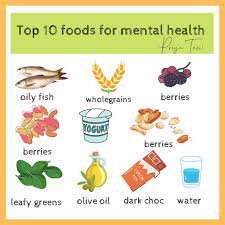
Mindful Munching: 10 Foods That Can Boost Your Mental Well-being

In a world that often moves at a breakneck pace, taking a moment to savour the flavours and textures of our food can be a powerful act of mindfulness. Beyond just satisfying hunger, the foods we choose to consume play a significant role in our overall well-being, including our mental health. Let’s explore the concept of mindful munching and discover 10 foods that can contribute to a positive impact on your mental well-being.

Dark Chocolate: The Ultimate Mood Booster

Indulging in a square of dark chocolate can do more than just satisfy your sweet tooth. Dark chocolate contains flavonoids, which have been linked to enhanced cognitive function and improved mood. Additionally, it stimulates the production of endorphins, the “feel-good” hormones.

Fatty Fish: Omega-3s for Brain Health

Salmon, mackerel, and trout are rich in omega-3 fatty acids, essential for brain health. These healthy fats contribute to improved cognitive function and can help alleviate symptoms of depression and anxiety. Aim to include fatty fish in your diet at least twice a week.

Berries: Antioxidant Powerhouses

Blueberries, strawberries, and raspberries are not only delicious but also packed with antioxidants. Antioxidants help combat oxidative stress and inflammation in the brain, potentially reducing the risk of cognitive decline and supporting overall mental health.

Leafy Greens: Fuel for Your Brain

Spinach, kale, and other leafy greens are abundant in nutrients like folate, vitamin K, and beta-carotene. These nutrients have been linked to a lower risk of cognitive decline. Incorporating a variety of leafy greens into your diet can provide your brain with the essential nutrients it needs.

Nuts and Seeds: Snack Smart for Mental Wellness

Almonds, walnuts, chia seeds, and flaxseeds are rich in nutrients such as omega-3 fatty acids, magnesium, and zinc. These elements play a role in regulating mood, reducing anxiety, and supporting overall brain function. Keep a small stash of nuts and seeds for a quick and nutritious snack.

Turmeric: A Spice for the Mind

Curcumin, the active compound in turmeric, has potent anti-inflammatory and antioxidant properties. Research suggests that turmeric may have neuroprotective effects, potentially aiding in the prevention of neurodegenerative diseases. Sprinkle this golden spice into your meals for a flavourful boost.

Greek Yogurt: Probiotics for Gut-Brain Connection

The gut-brain connection is a hot topic in mental health, and maintaining a healthy gut flora is crucial. Greek yogurt, rich in probiotics, supports a balanced gut microbiome, which may positively influence mood and mental well-being. Pair it with your favourite fruits for a tasty and wholesome snack.

Whole Grains: Sustained Energy for the Brain

Whole grains like quinoa, brown rice, and oats provide a steady release of glucose to the brain, offering sustained energy. This can help improve concentration and focus, preventing the energy crashes associated with refined carbohydrates. Opt for whole grains to fuel both your body and mind.

Avocado: Creamy Brain Fuel

Avocados are not only delicious but also loaded with monounsaturated fats, which contribute to healthy blood flow. Improved blood flow to the brain ensures a steady supply of oxygen and nutrients, supporting optimal cognitive function. Add slices of avocado to salads or enjoy it as a spread on whole-grain toast.

Green Tea: Calm the Mind with Antioxidants

Swap your regular cup of coffee for green tea to enjoy a lower-caffeine alternative that contains L-theanine, an amino acid known for its calming effects. Green tea is also rich in antioxidants, promoting overall brain health and potentially reducing the risk of cognitive decline.

Mindful munching involves more than just paying attention to what’s on your plate; it’s about nourishing your body and mind with foods that promote overall well-being. By incorporating these 10 brain-boosting foods into your diet, you can take a proactive approach to supporting your mental health and savouring the joys of mindful eating. Remember, a well-nourished mind is a resilient mind.

Fitness Beyond the Gym: Fun and Unique Workouts to Try in 2024

In the ever-evolving world of fitness, 2024 promises to be a year where enthusiasts explore new and exciting ways to stay active. While the traditional gym workouts have their merits, there’s a growing trend towards incorporating unconventional and enjoyable activities into fitness routines. Embracing the idea that exercise can be fun, engaging, and diverse, here are some unique workouts to spice up your fitness journey in 2024.

Aerial Yoga: Defying Gravity with Grace

  • Aerial yoga combines traditional yoga poses with acrobatic movements using a silk hammock suspended from the ceiling. This workout not only improves flexibility and core strength but also provides a unique sense of weightlessness. It’s an excellent way to challenge your body while enjoying the benefits of mindfulness and relaxation.

Trampoline Fitness: Bouncing to a Healthier You

  • Trampoline workouts, also known as rebounding, have gained popularity for their low-impact yet highly effective nature. Bouncing on a trampoline engages various muscle groups, improves cardiovascular health, and is a fantastic stress reliever. Classes often incorporate dance or aerobics, making it an enjoyable full-body workout.

Virtual Reality (VR) Fitness: Gaming for Health

  • Virtual reality has taken gaming to a whole new level, and now it’s making waves in the fitness industry. VR fitness programs immerse users in virtual worlds where they engage in physically demanding activities. From boxing to dancing, these games provide a high-intensity workout without feeling like traditional exercise.

Parkour: Urban Exploration and Physical Challenge

  • Parkour, the art of efficient movement through urban environments, is not just for daredevils. It’s an excellent full-body workout that enhances strength, agility, and spatial awareness. Enrol in a parkour class to learn the basics in a safe environment, or join a local group for some outdoor urban exploration.

Surfset Fitness: Catching Waves Indoors

  • Surfset fitness involves performing exercises on a specially designed surfboard that mimics the instability of water. This dynamic workout engages the core and stabiliser muscles, enhancing balance and strength. It’s a refreshing alternative for those who crave the feeling of riding waves but may not have easy access to the ocean.

Pound Fit: Drumming Your Way to Fitness

  • Pound Fit is a high-energy, full-body workout that combines drumming with cardio and strength training. Using lightly weighted drumsticks, participants follow rhythmic movements to the beat of the music. This unconventional workout not only burns calories but also unleashes creativity and self-expression.

As we step into 2024, the fitness landscape is expanding beyond the conventional gym setting. Embrace the opportunity to try new and unique workouts that not only benefit your physical health but also add an element of joy and excitement to your fitness routine. Whether you’re swinging from silk hammocks, bouncing on a trampoline, or catching virtual waves, these workouts promise to make 2024 a year

Embracing a Heart-Healthy Lifestyle: Cholesterol-Lowering Vegan and Vegetarian Foods to Add to Your Diet

n a world where fast-paced lifestyles and convenience often take precedence, maintaining a heart-healthy diet becomes increasingly crucial. Cholesterol levels play a significant role in heart health, and adopting a vegan or vegetarian lifestyle can be a powerful step towards lowering cholesterol naturally. Let’s explore some nutrient-rich plant-based foods that not only taste delicious but also contribute to a healthier heart.

Oats: The Powerhouse Breakfast

Start your day right with a bowl of oats. Rich in beta-glucans, a type of soluble fibre, oats help reduce cholesterol levels by binding to cholesterol molecules and eliminating them from the body. Enjoy a warm bowl of oatmeal topped with fruits, nuts, and seeds for a cholesterol-lowering breakfast.

Avocado: Creamy Goodness

Avocados are not only creamy and delicious but also packed with heart-healthy monounsaturated fats. These fats help lower LDL (low-density lipoprotein) cholesterol while maintaining or increasing HDL (high-density lipoprotein) cholesterol. Incorporate avocados into salads, spread them on whole-grain toast, or blend them into a smoothie for a tasty cholesterol-friendly treat.

Legumes: A Fiber and Protein Boost

Beans, lentils, and chickpeas are excellent sources of soluble fibre and plant-based protein. Fibre helps lower cholesterol by binding to it and carrying it out of the body. Swap meat for legumes in soups, stews, and salads to boost your nutrient intake and promote heart health.

Nuts and Seeds: Tiny Powerhouses

Almonds, walnuts, flaxseeds, and chia seeds are rich in omega-3 fatty acids and fibre. These healthy fats have been shown to reduce LDL cholesterol levels. Snack on a handful of nuts or sprinkle seeds on your morning cereal or yogurt to enjoy their cholesterol-lowering benefits.

Leafy Greens: A Heart-Healthy Staple

Dark, leafy greens such as spinach, kale, and Swiss chard are packed with antioxidants and fibre. The combination of these nutrients helps lower cholesterol levels and promotes overall cardiovascular health. Incorporate these greens into salads, smoothies, or sautés for a delicious and nutritious addition to your diet.

Whole Grains: The Fibre Champions

Whole grains like quinoa, brown rice, and barley are rich in soluble fibre, making them effective in reducing cholesterol. Replace refined grains with whole grains to benefit from their nutritional value and support heart health.

Berries: Antioxidant-Rich Delights

Berries such as blueberries, strawberries, and raspberries are not only sweet and flavourful but also high in antioxidants. These antioxidants contribute to heart health by reducing inflammation and protecting blood vessels. Enjoy a handful of berries as a snack or add them to your morning smoothie.

Transitioning to a vegan or vegetarian diet can be a positive step towards lowering cholesterol and promoting heart health. By incorporating these nutrient-rich foods into your daily meals, you can enjoy a delicious, varied diet while actively taking care of your cardiovascular well-being. Remember to consult with a healthcare professional or a nutritionist for personalised advice tailored to your specific needs. Here’s to a heart-healthy and cholesterol-friendly journey through the world of plant-based nutrition!

Gut Health Revolution: Probiotics and Prebiotics for a Happy Gut

In recent years, there has been a growing awareness of the importance of gut health and its impact on overall well-being. The gut, often referred to as the “second brain,” plays a crucial role in maintaining a healthy immune system, digestion, and even mental health. As we delve into the Gut Health Revolution, the spotlight is on probiotics and prebiotics – the dynamic duo that can transform your gut into a happy and thriving ecosystem.

The Gut Microbiome:

Before we explore the world of probiotics and prebiotics, let’s understand the gut microbiome. Trillions of microorganisms, including bacteria, fungi, and viruses, reside in our digestive tract, forming a complex ecosystem. This microbiome influences various aspects of our health, from nutrient absorption to immune system function.

Probiotics: The Friendly Bacteria:

Probiotics are live microorganisms that provide numerous health benefits when consumed in adequate amounts. These friendly bacteria help balance the gut microbiome by crowding out harmful pathogens and promoting a diverse microbial community.

Common sources of probiotics include yogurt, kefir, sauerkraut, kimchi, and certain supplements. These beneficial bacteria contribute to improved digestion, enhanced nutrient absorption, and strengthened immune function. Additionally, research suggests that probiotics may play a role in mental health by influencing the gut-brain axis.

Prebiotics: Nourishment for the Microbiome:

While probiotics are the heroes of gut health, prebiotics serve as their sidekicks. Prebiotics are non-digestible fibres that provide fuel for the beneficial bacteria in the gut. By nourishing these microbes, prebiotics help them flourish and maintain a healthy balance within the microbiome.

Excellent sources of prebiotics include fibre-rich foods like bananas, onions, garlic, asparagus, and whole grains. Including these foods in your diet not only supports the growth of beneficial bacteria but also aids in regulating bowel movements and preventing constipation.

The Symbiotic Connection:

For an even more powerful gut health boost, consider incorporating symbiotic into your routine. Symbiotic’s combine both probiotics and prebiotics, working synergistically to enhance their individual benefits. This combination promotes a harmonious environment in the gut, fostering the growth of beneficial bacteria while providing the necessary nutrients for their survival.

The Gut-Brain Connection:

Beyond digestive health, the gut has a profound impact on the brain, influencing mood, stress levels, and cognitive function. The communication between the gut and the brain, known as the gut-brain axis, highlights the interconnectedness of these two vital systems. Maintaining a balanced and diverse gut microbiome through the consumption of probiotics and prebiotics may contribute to mental well-being.

Probiotics:

  • Fermented Foods:
    • Sauerkraut: Fermented cabbage is rich in probiotics.
    • Kimchi: A Korean dish made from fermented vegetables, usually cabbage and radishes.
    • Pickles: Naturally fermented pickles, not those made with vinegar, can be a good source.
  • Non-Dairy Yogurts:
    • Look for yogurts made from coconut, almond, soy, or oat milk, which are fortified with probiotic cultures.
  • Tempeh:
    • A fermented soy product that contains beneficial bacteria. It’s also a good source of protein.
  • Miso:
    • A traditional Japanese seasoning made by fermenting soybeans with salt and koji (a type of fungus). It’s commonly used to make miso soup.
  • Probiotic Supplements:
    • There are vegan and vegetarian probiotic supplements available in various forms, including capsules, powders, and chewable. Look for those with a diverse range of strains.

Prebiotics:

  • Legumes:
    • Lentils, chickpeas, and beans are rich in prebiotic fibres.
  • Whole Grains:
    • Foods like quinoa, brown rice, and oats provide a good source of prebiotics.
  • Vegetables:
    • Garlic, onions, leeks, asparagus, and Jerusalem artichokes are known for their prebiotic content.
  • Fruits:
    • Bananas, apples, berries, and kiwi contain soluble fibres that act as prebiotics.
  • Nuts and Seeds:
    • Almonds, flaxseeds, and chia seeds are good sources of prebiotic fibres.
  • Root Vegetables:
    • Sweet potatoes and carrots contain prebiotic fibres and can be included in your diet.

As we embrace the Gut Health Revolution, prioritising the well-being of our gut microbiome becomes essential for overall health. Probiotics and prebiotics play pivotal roles in creating a happy gut, supporting digestion, immune function, and even mental health. By incorporating probiotic-rich foods, prebiotic fibres, and symbiotic combinations into our diets, we can embark on a journey towards a thriving and balanced gut ecosystem. So, let’s raise a toast to the gut – where health truly begins!

Confidence Unleashed: Mastering the Gym Experience

Achieving confidence in the gym is a universal desire, yet many may find themselves grappling with the opposite feeling. It’s entirely normal to experience a lack of confidence in such an environment; in fact, 43% of individuals confess to feeling intimidated, while 49% admit to harbouring nerves and anxiety within the gym. If you resonate with these sentiments, rest assured that you’re not alone—even the most seasoned gym enthusiasts occasionally face moments of trepidation.

The encouraging news is that overcoming or improving upon these feelings is entirely possible. Here, we share our top tips for cultivating confidence in the gym.

1. Plan Your Routine

Going into the gym with a well-thought-out plan, spanning from warm-up to cool-down, can prevent hesitation and boost confidence. Utilise a physical notebook, a workout app, or your phone’s notes to outline your session. Whether crafting your own plan or seeking assistance from staff, having a structured routine in place can be a game-changer.

2. Feel Confident in Your Outfit

You needn’t revamp your entire wardrobe or adhere to gym fashion trends, but feeling confident in what you wear contributes significantly to overall self-assurance. Select workout clothes that align with your style and ensure comfort throughout every movement.

3. Use the Support Available

Uncertainty about gym equipment or workout plans can be intimidating. Take advantage of the available support options, including staff assistance, gym classes, and even personalised training sessions. Trying new things in a guided environment or with a group can be motivational, alleviating the need to plan your own workout.

4. Don’t Compare Yourself

Recognise that everyone in the gym has their unique fitness journey. Most individuals are absorbed in their own workouts and pay little attention to others. Focus on your plan, maintain the mind-muscle connection, and disregard comparisons with fellow gym-goers.

5. Understand the Equipment

Prior to hitting the gym, ensure you comprehend how to use each piece of equipment in your workout plan. Watch instructional videos or seek a demonstration from gym staff if you’re uncertain. Familiarity with the equipment and movements enhances confidence during your workout.