Simple Steps to Kickstart Your Healthier Eating Journey

Embarking on a journey towards healthier eating may initially feel overwhelming, especially with the sea of confusing advice and intricate kale smoothie recipes out there. However, fear not, because adopting a healthier diet doesn’t have to be complicated; it can be both delicious and straightforward. Let’s delve into some uncomplicated steps to initiate your journey toward healthier eating within a week.

1. Embrace Fibre and Whole Foods

Adults require approximately 30g of fibre daily, yet the average intake hovers around 19g—a gap that many of us can work on closing. fibber, found in fruits, vegetables, grains, and legumes, is crucial for digestive health. It aids in maintaining smooth digestion, preventing constipation, and even reducing the risk of chronic diseases such as bowel cancer, heart disease, stroke, and type 2 diabetes.

Tips for increasing your fibber intake:

• Opt for wholegrain foods like brown bread and porridge over processed cereals.

• Snack on vegetables and fruits.

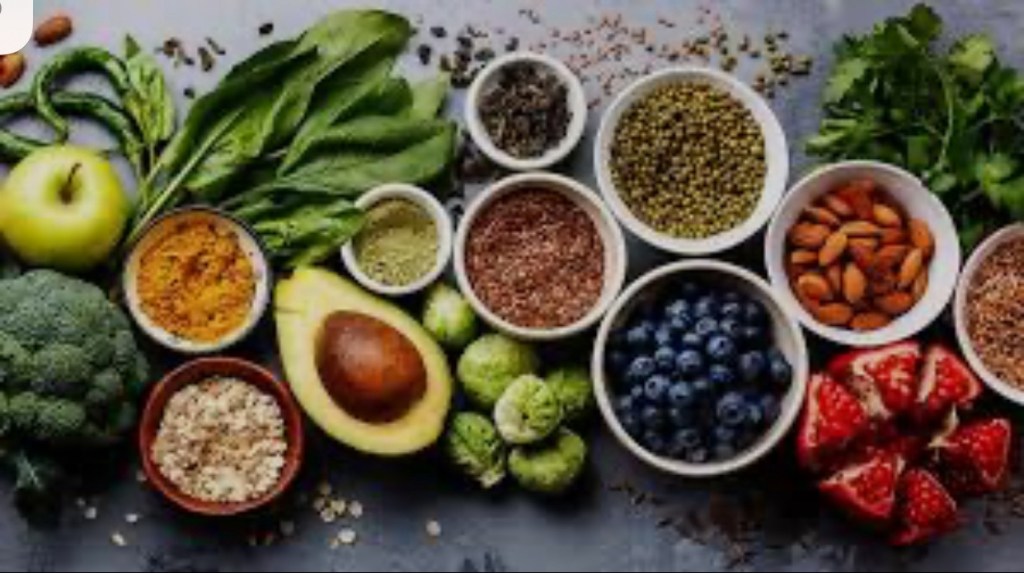
• Include beans, lentils, and nuts in your meals and snacks.

2. Aim for At Least 5 Servings of Fruits and Vegetables Daily

Variety is key when it comes to fruits and vegetables. They not only provide essential vitamins and minerals but also contribute to your daily fibre intake. Your diet should ideally consist of a third of fruits and vegetables, so strive for this balance with every meal.

Ways to increase your fruit and veg intake:

• Add fruits to your breakfast.

• Incorporate finely diced vegetables into main dishes.

• Roast vegetables with an array of herbs and spices.

• Blend vegetables into dips like red pepper and garlic hummus.

3. Diversify Your Protein Sources

Variety in protein sources is not only beneficial for your health but also for the planet. Opt for alternatives to red and processed meats, such as beans, lentils, nuts, and oily fish.

Creative protein choices to explore:

• Substitute half of your mince with beans or lentils.

• Snack on roasted nuts.

• Experiment with different beans for homemade hummus.

• Incorporate protein into your snacks to stay satisfied.

4. Stay Hydrated

Proper hydration is vital for overall well-being. The UK Eat Well Guide suggests consuming about 1.2-1.5 litres of water daily, with additional intake for exercise or sweat loss. Staying hydrated aids in mood stability, focus, digestion, and cellular function.

Tips to stay hydrated:

• Carry a reusable water bottle with your favourite infusions like lemon or mint.

• Create a hydration station at work with various mix-ins and cups.

• Enjoy warm hydration through herbal teas.

5. Indulge in Moderation

Healthy eating doesn’t mean forgoing indulgence entirely. It’s perfectly fine to treat yourself occasionally; in fact, it’s essential for mental balance. Whether it’s a slice of cake at a party or your favourite ice cream on a sunny day, savouring these moments can help curb cravings and maintain your sanity.

Tips for balanced indulgence:

• Limit treats to special occasions or once a week.

• Be mindful of alcohol consumption due to its lasting impact.

6. Plan Ahead

Planning your meals can save you from last-minute meal dilemmas. Spend a few minutes each week preparing a grocery list, prepping ingredients, and batch cooking if possible. Having healthy options readily available makes it easier to resist fast food temptations or office vending machines.

Effective meal planning strategies:

• Utilize the freezer to store prepared meals.

• Plan for healthier snacks to curb hunger.

• Remember, a balanced lifestyle is not an ‘all or nothing’ approach—be kind to yourself if plans don’t go as intended.

By incorporating these simple steps into your routine, you can kickstart your journey toward healthier eating without feeling overwhelmed. Start small, stay consistent, and celebrate your progress along the way!

Unlocking the Secrets to Lowering Cholesterol: Expert Nutrition Coach

Cholesterol is a waxy substance found in our blood and plays a crucial role in maintaining our body’s overall health. However, high levels of cholesterol, especially the “bad” LDL cholesterol, can increase the risk of heart disease and other cardiovascular issues. Thankfully, through simple dietary changes and lifestyle modifications, we can take control of our cholesterol levels and promote a healthier heart.

In this blog, we will explore valuable insights from a registered dietitian on how to lower cholesterol effectively. By incorporating these expert tips into your daily routine, you can achieve better heart health and overall well-being.

Embrace a Heart-Healthy Diet:

The foundation of reducing cholesterol lies in adopting a heart-healthy diet. Focus on consuming foods that are rich in soluble fiber, such as oats, beans, lentils, fruits, and vegetables. Soluble fiber helps reduce LDL cholesterol by binding to it in the digestive system and facilitating its excretion from the body. Incorporate more sources of healthy fats, like those found in avocados, nuts, seeds, and olive oil. These unsaturated fats can help raise the levels of HDL cholesterol, the “good” cholesterol, which assists in removing LDL cholesterol from the bloodstream.

Limit Saturated and Trans Fats:

Saturated and trans fats are major contributors to elevated cholesterol levels. Reduce your intake of saturated fats found in red meat, full-fat dairy products, and tropical oils. Similarly, avoid trans fats often present in processed and fried foods, as they not only raise LDL cholesterol but also lower HDL cholesterol.

Opt for lean proteins like poultry, fish, and legumes while using healthier cooking methods, such as grilling, baking, or steaming.

Choose Smart Carbohydrates:

Selecting the right carbohydrates is crucial in managing cholesterol levels. Focus on whole grains like brown rice, quinoa, whole wheat, and oats, as they contain beneficial nutrients and dietary fiber that aid in cholesterol regulation.

Avoid refined carbohydrates like white bread, sugary snacks, and processed cereals, as they can lead to weight gain and negatively impact cholesterol levels.

Integrate Plant Sterols and Stanols:

Plant sterols and stanols are naturally occurring compounds found in plants that have been shown to lower LDL cholesterol. They work by blocking the absorption of cholesterol in the intestines, effectively reducing its levels in the blood.

Some foods are fortified with plant sterols and stanols, such as certain margarines and orange juice. However, it’s essential to consult with a registered dietitian or healthcare professional before incorporating these into your diet.

Stay Physically Active:

Regular exercise has numerous health benefits, including aiding in cholesterol management. Engaging in aerobic activities like walking, jogging, swimming, or cycling can help raise HDL cholesterol levels and lower LDL cholesterol.

Aim for at least 150 minutes of moderate-intensity exercise or 75 minutes of vigorous-intensity exercise per week, as recommended by health authorities.

Manage Your Weight:

Maintaining a healthy weight is vital for controlling cholesterol levels. Excess body fat, especially around the waistline, is associated with higher LDL cholesterol and triglyceride levels, as well as lower HDL cholesterol.

By adopting a balanced diet and regular exercise routine, you can shed excess weight and improve your cholesterol profile.

Unlocking the secrets to lowering cholesterol involves making conscious dietary and lifestyle choices. By embracing a heart-healthy diet, limiting unhealthy fats, choosing smart carbohydrates, and integrating plant sterols, along with regular exercise and weight management, you can effectively manage your cholesterol levels and promote better heart health.

Remember that individual responses to dietary changes may vary, so it’s essential to work closely with a qualified Nutrition coach or health professional to create a personalised plan that suits your specific needs and health goals. With dedication and perseverance, you can achieve a healthier cholesterol profile and a stronger heart for a longer, happier life.