
Health Benefits of Ashwagandha:

Nature has provided us with a vast array of herbs and plants that have been utilised for centuries to support our health and well-being. One such herb that has gained significant attention in recent years is Ashwagandha, an adaptogenic herb deeply rooted in traditional Ayurvedic medicine. Renowned for its rejuvenating and restorative properties, Ashwagandha is now garnering recognition worldwide due to its numerous health benefits, supported by scientific research. In this article, we will delve into the compelling scientific evidence that sheds light on the remarkable health benefits of Ashwagandha.

Stress Reduction and Improved Mental Well-being
In today’s fast-paced world, stress has become a common affliction. Ashwagandha has been widely studied for its stress-reducing properties. Research suggests that its active compounds, including withanolides, interact with the hypothalamic-pituitary-adrenal (HPA) axis, leading to a reduction in stress hormones like cortisol. By modulating the body’s stress response, Ashwagandha helps promote a sense of calmness and relaxation, alleviating anxiety and improving overall mental well-being.

Enhanced Cognitive Function and Memory
Ashwagandha has also been found to positively impact cognitive function and memory. Studies have revealed its ability to support neuroprotection and boost antioxidant activity in the brain, combating oxidative stress and reducing the risk of neurodegenerative diseases. Furthermore, Ashwagandha has been associated with improved attention, information processing, and overall cognitive performance, making it a promising natural supplement for individuals seeking cognitive enhancement.

Immune System Support
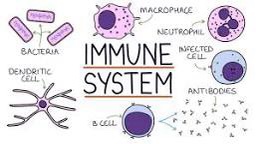
A robust immune system is vital for maintaining optimal health and protecting against various illnesses. Ashwagandha exhibits immunomodulatory effects, stimulating immune cells such as lymphocytes and macrophages, which play crucial roles in defending the body against pathogens. Additionally, research suggests that Ashwagandha possesses antimicrobial properties, making it a potential ally in fighting infections caused by bacteria, viruses, and fungi.

Anti-Inflammatory Properties
Chronic inflammation has been linked to a wide range of health issues, including cardiovascular disease, arthritis, and autoimmune disorders. Ashwagandha contains bioactive compounds that possess potent anti-inflammatory properties. Studies have demonstrated its ability to inhibit the production of pro-inflammatory molecules, thereby reducing inflammation in the body. By modulating the immune response and dampening excessive inflammation, Ashwagandha holds promise as a natural approach to managing inflammatory conditions.

Hormonal Balance and Sexual Health
Ashwagandha has long been utilised as an aphrodisiac and tonic for reproductive health in Ayurvedic medicine. Research supports its traditional use, revealing that Ashwagandha supplementation may enhance fertility in both men and women by improving sperm quality, testosterone levels, and semen parameters. Additionally, it has shown potential in reducing stress-related sexual dysfunction and improving sexual performance and satisfaction.

Ashwagandha, an ancient herb rooted in Ayurvedic medicine, has gained significant attention for its remarkable health benefits, backed by scientific research. From reducing stress and improving mental well-being to supporting immune function, cognitive health, and hormonal balance, Ashwagandha offers a multitude of advantages. As with any herbal supplement, it is essential to consult with a healthcare professional before incorporating Ashwagandha into your routine, especially if you have any underlying health conditions or are taking medications. Nevertheless, with its rich historical use and growing scientific evidence, Ashwagandha holds great promise as a natural and holistic approach to supporting overall health and well-being.

Benefits of Bee Propolis.

Exploring the Natural Wonder: Propolis – Nature’s Healing Secret

Nature has always amazed us with its vast array of medicinal treasures, and one such marvel is propolis. Often referred to as “nature’s antibiotic,” propolis is a resinous substance created by honeybees by collecting resin from trees and combining it with beeswax and enzymes. This extraordinary compound possesses numerous health benefits and has been used for centuries in traditional medicine. Join us as we delve into the world of propolis and uncover its incredible properties. 

Origins and Composition

Derived from the Greek words’ “pro” (meaning “in defence of”) and “polis” (meaning “city”), propolis is aptly named as it serves as a protective shield within the beehive. Bees collect resin from various plant sources, such as tree buds, sap flows, and botanical exudates, to create propolis. Common sources include poplar, birch, and conifer trees. The composition of propolis can vary depending on the geographic location and the plant sources available to the bees. However, it typically contains a rich mixture of polyphenols, flavonoids, essential oils, vitamins, minerals, amino acids, and enzymes. This diverse combination is what gives propolis its potent medicinal properties.

Health Benefits

Immune-Boosting Properties: Propolis is renowned for its immunomodulatory effects, meaning it helps regulate and strengthen the immune system. Its various components, such as flavonoids and polyphenols, possess antioxidant and anti-inflammatory properties, which can help protect the body against infections and diseases.

Antimicrobial and Antibacterial Action: Propolis has shown impressive antimicrobial and antibacterial properties. It exhibits broad-spectrum activity against various pathogens, including bacteria, viruses, fungi, and parasites. This natural defence mechanism of the bees helps to maintain the hygiene and integrity of the hive.

Wound Healing Abilities: Due to its antimicrobial properties and the presence of bioactive compounds, propolis has been used to promote wound healing for centuries. It can accelerate tissue regeneration, reduce inflammation, and protect against infection, making it a valuable natural remedy for minor cuts, burns, and skin irritations. 

Oral Health Benefits: Propolis is commonly utilized in oral care products due to its potent antibacterial and anti-inflammatory properties. It can help combat dental plaque, gum diseases, and oral infections. Some studies suggest that propolis may even aid in the prevention of cavities and promote overall oral health.

Antioxidant Potential: The high concentration of antioxidants in propolis helps neutralize harmful free radicals in the body, reducing oxidative stress and potential damage to cells. This antioxidant activity contributes to its anti-aging effects and its potential protective role against chronic diseases.

How to use propolis 

Propolis is available in various forms, including tinctures, capsules, creams, and lozenges. It can also be found as an ingredient in natural health products, toothpaste, and mouthwashes. When using propolis, it is essential to follow the recommended dosage and instructions provided by the manufacturer or consult a healthcare professional for guidance.

Propolis is truly a gift from nature, showcasing its remarkable healing powers through the diligent work of honeybees. With its immune-boosting, antimicrobial, wound-healing, and antioxidant properties, propolis has rightfully earned its place as a valuable natural remedy. While propolis has been used for centuries in traditional medicine, it is essential to consult healthcare professionals for personalized advice and guidance on incorporating propolis into your wellness routine.

As we continue to explore the world of natural remedies, let us not forget the humble bees and their exceptional creation, propolis—an extraordinary substance that continues to captivate.

Side effects of Pre-workout supplements

re-workout supplements are popular among individuals looking to enhance their performance and energy levels during exercise. While they can provide benefits, it’s important to be aware of potential side effects. Here are five possible side effects of pre-workout supplements:

  1. Insomnia and Sleep Disturbances: Many pre-workout supplements contain stimulants like caffeine or other energy-boosting ingredients. These substances can interfere with your sleep patterns, leading to insomnia or disrupted sleep. It’s recommended to avoid consuming pre-workout supplements too close to bedtime to minimize sleep disturbances.
  2. Increased Heart Rate and Blood Pressure: Stimulants present in pre-workout supplements can cause an increase in heart rate and blood pressure. While this effect can provide a temporary energy boost during exercise, it may pose risks for individuals with underlying heart conditions or hypertension. It’s crucial to consult with a healthcare professional if you have any cardiovascular concerns.
  3. Gastrointestinal Issues: Some individuals may experience digestive problems after taking pre-workout supplements. Ingredients like creatine, beta-alanine, or high doses of caffeine can cause stomach discomfort, diarrhea, or nausea. These side effects can vary from person to person, and it’s advisable to start with a lower dosage to assess your tolerance.
  4. Dehydration: Pre-workout supplements may contain diuretic ingredients or caffeine, which can contribute to increased urine production and fluid loss. This can potentially lead to dehydration, especially if you’re engaged in intense physical activity without adequately replacing lost fluids. It’s essential to stay hydrated by drinking plenty of water when using pre-workout supplements.
  5. Dependency and Tolerance: Regular use of pre-workout supplements can lead to dependency and tolerance over time. Your body may become accustomed to the stimulants, and you might need higher doses to experience the same effects. This can lead to a cycle of reliance on these supplements and potential withdrawal symptoms when discontinuing their use. It’s advisable to use pre-workout supplements in moderation and take breaks to avoid dependency.

Remember, individual experiences with pre-workout supplements can vary, and not everyone will experience these side effects. It’s crucial to read product labels, follow recommended dosages, and consult with a healthcare professional before incorporating any new supplements into your routine, especially if you have underlying health conditions.

Foods That May Weaken Your Immune System

Maintaining a strong and robust immune system is crucial for our overall health and well-being. It acts as a defense mechanism, protecting our bodies from harmful pathogens and infections. While several factors contribute to a healthy immune system, including adequate sleep, exercise, and stress management, our diet plays a significant role as well. Certain foods can weaken our immune system and make us more susceptible to illnesses. In this blog post, we will explore some common foods that may have a negative impact on our immune health.

Sugar and Artificial Sweeteners:
 Excessive consumption of sugar and artificial sweeteners can significantly impair immune function. Studies have shown that high sugar intake can suppress immune response and reduce the effectiveness of white blood cells in fighting off bacteria. Furthermore, it can lead to inflammation and contribute to chronic conditions such as obesity and diabetes, which also weaken the immune system. Limiting your intake of sugary beverages, processed snacks, and desserts is essential for maintaining a strong immune system.

Processed Foods:
 Processed foods, including fast food, frozen meals, and packaged snacks, are often high in unhealthy fats, sodium, and artificial additives. These foods lack essential nutrients and are often stripped of their natural immune-boosting properties. Additionally, the high levels of sodium found in processed foods can cause water retention, leading to dehydration, which can negatively affect immune function. Opting for whole, unprocessed foods like fruits, vegetables, whole grains, and lean proteins can help strengthen your immune system.

Saturated and Trans Fats:

Saturated and trans fats, commonly found in fried foods, fatty cuts of meat, and processed snacks, have been linked to an increased risk of heart disease and other chronic conditions. These unhealthy fats can trigger inflammation in the body, impair immune response, and decrease the production of infection-fighting antibodies. Choosing healthier fat sources like avocados, nuts, seeds, and olive oil can provide the body with essential nutrients and support a strong immune system.

Alcohol:
Excessive alcohol consumption can have detrimental effects on the immune system. Alcohol is known to suppress immune activity, making the body more susceptible to infections and illnesses. It can impair the function of white blood cells, decrease the production of antibodies, and disrupt the balance of gut bacteria, which plays a vital role in immune health. Moderation is key when it comes to alcohol consumption, and it’s important to stay within recommended limits for optimal immune function.

High-Caffeine Beverages:
 While moderate consumption of caffeine can have some health benefits, excessive intake can have a negative impact on immune function. High caffeine beverages like energy drinks and excessive amounts of coffee can disrupt sleep patterns, increase stress levels, and lead to dehydration. Lack of quality sleep and increased stress weaken the immune system, making us more vulnerable to infections. Opting for herbal teas or limiting caffeine intake to moderate levels can help maintain a healthy immune system.

A healthy and balanced diet is vital for supporting a strong immune system. By avoiding or limiting the consumption of foods that can weaken our immune function, such as sugar, processed foods, unhealthy fats, alcohol, and high-caffeine beverages, we can enhance our body’s ability to fight off infections and maintain optimal health. Instead, focusing on a diet rich in whole, unprocessed foods, fruits, vegetables, lean proteins, and healthy fats will provide the nutrients necessary to support a robust immune system. Remember, small changes in your dietary habits can have a significant impact on your overall well-being.