
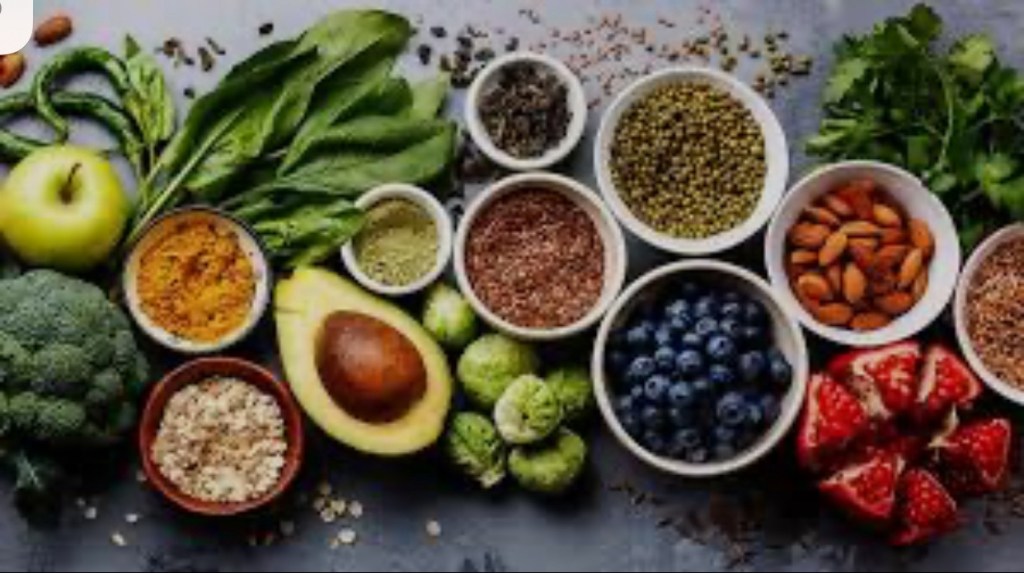
Simple Steps to Kickstart Your Healthier Eating Journey

Embarking on a journey towards healthier eating may initially feel overwhelming, especially with the sea of confusing advice and intricate kale smoothie recipes out there. However, fear not, because adopting a healthier diet doesn’t have to be complicated; it can be both delicious and straightforward. Let’s delve into some uncomplicated steps to initiate your journey toward healthier eating within a week.

1. Embrace Fibre and Whole Foods

Adults require approximately 30g of fibre daily, yet the average intake hovers around 19g—a gap that many of us can work on closing. fibber, found in fruits, vegetables, grains, and legumes, is crucial for digestive health. It aids in maintaining smooth digestion, preventing constipation, and even reducing the risk of chronic diseases such as bowel cancer, heart disease, stroke, and type 2 diabetes.

Tips for increasing your fibber intake:

• Opt for wholegrain foods like brown bread and porridge over processed cereals.

• Snack on vegetables and fruits.

• Include beans, lentils, and nuts in your meals and snacks.

2. Aim for At Least 5 Servings of Fruits and Vegetables Daily

Variety is key when it comes to fruits and vegetables. They not only provide essential vitamins and minerals but also contribute to your daily fibre intake. Your diet should ideally consist of a third of fruits and vegetables, so strive for this balance with every meal.

Ways to increase your fruit and veg intake:

• Add fruits to your breakfast.

• Incorporate finely diced vegetables into main dishes.

• Roast vegetables with an array of herbs and spices.

• Blend vegetables into dips like red pepper and garlic hummus.

3. Diversify Your Protein Sources

Variety in protein sources is not only beneficial for your health but also for the planet. Opt for alternatives to red and processed meats, such as beans, lentils, nuts, and oily fish.

Creative protein choices to explore:

• Substitute half of your mince with beans or lentils.

• Snack on roasted nuts.

• Experiment with different beans for homemade hummus.

• Incorporate protein into your snacks to stay satisfied.

4. Stay Hydrated

Proper hydration is vital for overall well-being. The UK Eat Well Guide suggests consuming about 1.2-1.5 litres of water daily, with additional intake for exercise or sweat loss. Staying hydrated aids in mood stability, focus, digestion, and cellular function.

Tips to stay hydrated:

• Carry a reusable water bottle with your favourite infusions like lemon or mint.

• Create a hydration station at work with various mix-ins and cups.

• Enjoy warm hydration through herbal teas.

5. Indulge in Moderation

Healthy eating doesn’t mean forgoing indulgence entirely. It’s perfectly fine to treat yourself occasionally; in fact, it’s essential for mental balance. Whether it’s a slice of cake at a party or your favourite ice cream on a sunny day, savouring these moments can help curb cravings and maintain your sanity.

Tips for balanced indulgence:

• Limit treats to special occasions or once a week.

• Be mindful of alcohol consumption due to its lasting impact.

6. Plan Ahead

Planning your meals can save you from last-minute meal dilemmas. Spend a few minutes each week preparing a grocery list, prepping ingredients, and batch cooking if possible. Having healthy options readily available makes it easier to resist fast food temptations or office vending machines.

Effective meal planning strategies:

• Utilize the freezer to store prepared meals.

• Plan for healthier snacks to curb hunger.

• Remember, a balanced lifestyle is not an ‘all or nothing’ approach—be kind to yourself if plans don’t go as intended.

By incorporating these simple steps into your routine, you can kickstart your journey toward healthier eating without feeling overwhelmed. Start small, stay consistent, and celebrate your progress along the way!

The Bountiful Benefits: Healthiest Berries You Can Eat

Nature has bestowed upon us a treasure trove of delicious and nutrient-packed fruits, and among them, berries stand out as veritable superfoods. These tiny, colourful gems are not only a treat for the taste buds but also pack a powerful punch of health benefits. Bursting with vitamins, minerals, antioxidants, and fibre, berries have rightfully earned their reputation as some of the healthiest fruits on the planet. In this blog post, we’ll explore the healthiest berries you can eat and uncover the numerous reasons why you should incorporate them into your diet.

1. Blueberries: Antioxidant Powerhouses

Blueberries are often hailed as the “king of antioxidants” among berries. These small, round fruits are rich in vitamin C, vitamin K, and manganese. But what truly sets them apart is their sky-high anthocyanin content, the pigment responsible for their vibrant blue colour. Anthocyanin’s are potent antioxidants that neutralise harmful free radicals in the body, reducing oxidative stress and protecting against chronic diseases. Studies have shown that regular consumption of blueberries can improve cognitive function, aid in heart health, and even help manage blood sugar levels. Whether enjoyed fresh, frozen, or blended into smoothies, blueberries are a must-have addition to your diet.

2. Strawberries: Vitamin C Delight

Strawberries are not only pleasing to the eye and palate but also a rich source of essential nutrients. Just one cup of strawberries provides more than 100% of your daily recommended intake of vitamin C, which boosts the immune system, promotes skin health, and aids in collagen production. Moreover, strawberries are loaded with fibre, which aids in digestion and helps maintain a healthy weight. They also contain an array of antioxidants, including quercetin and elegiac acid, which contribute to their anti-inflammatory properties.

3. Raspberries: Fiber-Rich Wonder

Raspberries are exquisite little fruits that boast a high fibre content. Fibre is essential for digestive health, as it aids in regular bowel movements and can help prevent constipation. Additionally, raspberries contain several antioxidants, such as vitamin C and quercetin, which protect against cell damage and inflammation. Some studies suggest that raspberries may have a positive impact on heart health by reducing risk factors like high blood pressure and cholesterol levels. They are delicious on their own, sprinkled on oatmeal, or blended into a refreshing summer smoothie.

4. Blackberries: Anthocyanin-Rich Gems

Like their cousin, the blueberries, blackberries are also brimming with anthocyanin, contributing to their deep purple-black hue. These antioxidants offer numerous health benefits, including improved brain function and reduced risk of heart disease.

Blackberries are also an excellent source of vitamins C and K, as well as manganese. The combination of antioxidants and nutrients makes blackberries a valuable addition to any well-balanced diet.

5. Goji Berries: Superfood from the East

Hailing from Asia, goji berries have earned a reputation as a “superfood” due to their nutrient density and potential health benefits. These small, red berries are loaded with vitamins A and C, which are crucial for maintaining healthy skin, vision, and a robust immune system.

Goji berries are also rich in antioxidants like zeaxanthin and lycopene, which contribute to eye health and protect against cellular damage. They can be eaten on their own, sprinkled over salads, or blended into smoothies to harness their health-boosting potential.

When it comes to nutritious and delicious fruits, berries truly reign supreme. Incorporating these health-packed gems into your diet can have a profound impact on your overall well-being. From blueberries and strawberries to raspberries, blackberries, and goji berries, each one brings a unique set of benefits to the table. So, the next time you’re looking for a snack or a way to sweeten your meal naturally, reach for these delightful berries and let their natural goodness nourish your body and mind. Your taste buds and health will thank you!

Yoghurt Bark

Frozen yogurt bark with fruit toppings is the perfect healthy protien snack. This recipe is so simple to make.

Ingredients

500g greek yogurt

3 tbsp honey

5 fresh blueberries

5 fresh strawberries

5 fresh Raspberries

Method

Start by mixing the yogurt and honey together.

Now line the baking tray with foil and pour in the yogurt mixture. Spread the mixture, depending on how thick or thin you want the bark to be.

Now sprinkle the strawberries, raspberries and blueberries in the mixture and place the freezer for 3 hours or till completely frozen.

Now remove from the fridge and break the bark into pieces.

Store the bark in the freezer.

Inflammation in the body: How food can help to fight it.

Food has the power to heal. It’s a potent tool to treat and prevent illnesses.

Inflammation & Nutrition. Inflammation acts like the body’s defense mechanism. The immune system recognises harmful and foreign stimuli and starts to elimate it from the body so it can start the healing process .

Food has power to heal. It’s a potent tool to treat & prevent Illnesses.

There are 2 types of inflammation:

Chronic inflammation: Is referred to as a slow, long-term inflammation lasting for prolonged time in the body. It’s mainly connected to the environment around us, our dietary choices, stress levels and general health. It can be harmful and may increase the risk of several diseases.

Acute inflammation occurs when our body sees harm coming like an infection, and starts to fight in a short period. Thus, known as a normal response for the body ans immune stern to promote the healing process.

Nutrition & inflammation. Our daily diet choices can help to keep both our body and immune system healthy and strong.

Plant based protein. Research over time has shown us that consuming high intake of red meat and dairy products in our diet can increase high level of inflammation in our body. Where as Plant bases proteins such as lentils and beans have a lower levels of inflammation levels. They consist of high fibre levels and anyhocyanin.

Herbs and spices. Herbs and spice have high levels of antioxidants and phytonutrients and have many anti-inflammatory properties. They can help to flavour our meals without adding excess salt and fats. Turmeric, Cardamom, Rosemary, Black pepper and Cinnamon are antiinflammatory herb and spices and should be included in our diet to naturally lower inflammation.

Dietary Choices. Eating a high intake of rainbow colour of fruits and vegetables can help to fight inflammation and strengthen our immune health. Fruits such as cranberries, blackberries, and blueberries are known as anti- inflammatory foods. Anti inflammatory veg includes brocli, cabbage and leafy green vegetables.

Garlic consist of organosulfur compounds and flavonoids. These are known to help with fighting inflammation, infections and cardiovascular diseases.

Ginger is packed with antioxidants and contains gingerols. Gingerols has proven to fight inflammation and with high levels of antioxidants, ginger is able to prevent free radical production anti inflammatory disease.

Onions Onions has a flavonoid called quercetin, which is know as the following Anti- carcinogenic, Anti- inflammatory, Antiviral

Other factors that can help with fighting inflammation.

Vitamin D Research has shown that having low levels of vitamin D in the body can cause inflammation. It always good to check Vitamin D levels and correct them if needed to.

Sleep. A good sleeping pattern is vital for optimal health. Disturbed sleep patterns has been associated weak immune system and increased inflammation levels in the body.

Managing stress Excessive stress levels can have an effect on our physical and emotional health. This also contribute to high level of inflammation in the body. The best techniques for stress management at home is to practice meditation daily and simple breathing exercises. Alway consualt a healthcare professional for ongoing support is advised if needed.