


Welcome to the world of macronutrients—the essential building blocks of our diet that keep us energised, healthy, and functioning at our best. Whether you’re a fitness enthusiast, a health-conscious eater, or just someone trying to understand what makes up your meals, understanding macronutrients is key. In this guide, we’ll break down the three main types of macronutrients, their functions, benefits, and how you can balance them for optimal health. Ready to dive in? Let’s get started!
What Are Macronutrients?
Macronutrients are nutrients that our bodies require in large amounts to function properly. They provide the energy needed for all bodily functions and are vital for overall health. There are three primary macronutrients: carbohydrates, proteins, and fats. Each plays a unique role in our body and offers its own set of benefits.
1. Carbohydrates: The Body’s Main Energy Source
What Are They?
Carbohydrates are the body’s primary source of energy, especially for high-intensity activities. They break down into glucose, which fuels your muscles and brain.
Types of Carbs:
- Simple Carbohydrates: Found in foods like fruits, milk, and sugar. These carbs are quickly digested and provide a fast energy boost.
- Complex Carbohydrates: Found in whole grains, legumes, and vegetables. These carbs take longer to digest and provide sustained energy.
Functions of Carbs:
- Energy Production: Carbs are the body’s preferred source of fuel, especially during exercise or strenuous activity.
- Brain Function: Glucose, derived from carbs, is the brain’s main energy source.
Benefits:
- Quick Energy: Simple carbs can quickly replenish energy levels, ideal for pre- or post-workout snacks.
- Sustained Energy: Complex carbs keep blood sugar stable and help you feel fuller for longer.
Carb-Balancing Tips:
- Opt for whole, unprocessed carbs like oats, quinoa, and sweet potatoes.
- Limit sugary snacks and refined grains (e.g., white bread) that spike blood sugar levels.
2. Proteins: The Body’s Building Blocks
What Are They?
Proteins are essential for tissue repair, muscle growth, and the production of enzymes and hormones. They’re often called the “building blocks” of the body.
Types of Proteins:
- Complete Proteins: Contain all nine essential amino acids and are found in animal products like meat, eggs, and dairy, as well as plant-based sources like quinoa and soy.
- Incomplete Proteins: Lack one or more essential amino acids and are found in most plant-based foods, like beans, lentils, and nuts.
Functions of Protein:
- Muscle Repair & Growth: Protein helps repair tissues and build muscle after exercise.
- Enzyme Production: It also plays a role in producing enzymes for vital biochemical reactions.
Benefits:
- Muscle Strength: Adequate protein intake supports muscle growth and recovery, making it crucial for athletes and fitness enthusiasts.
- Satiety: Protein helps keep you feeling full, which can assist in weight management.
Protein-Balancing Tips:
- Incorporate a variety of protein sources in your meals—lean meats, fish, dairy, legumes, and nuts.
- Choose plant-based proteins if you’re following a vegan or vegetarian diet.
- Example: A hearty meal might include a grilled chicken breast (complete protein), quinoa (carb), and sautéed veggies (fibre and nutrients).
3. Fats: Essential for Overall Health
What Are They?
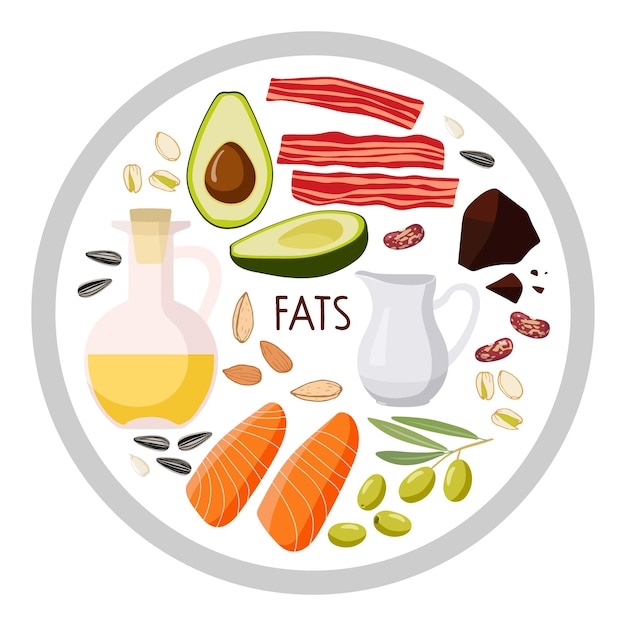
Fats are a dense source of energy and are crucial for maintaining cell structures and producing hormones. They also help the body absorb fat-soluble vitamins.
Types of Fats:
- Saturated Fats: Found in animal products and certain plant oils. While necessary, they should be consumed in moderation.
- Unsaturated Fats: Found in foods like avocados, nuts, seeds, and olive oil. These fats are heart-healthy and reduce inflammation.
- Trans Fats: Found in processed foods and should be avoided as they can increase the risk of heart disease.
Functions of Fats:
- Energy Storage: Fats are stored in the body as an energy reserve.
- Cell Structure & Hormone Production: Fats are essential for building cell membranes and producing vital hormones.
Benefits:
- Heart Health: Omega-3 fatty acids (a type of unsaturated fat) help reduce inflammation and improve cardiovascular health.
- Nutrient Absorption: Fats are crucial for the absorption of fat-soluble vitamins (A, D, E, and K).
Fat-Balancing Tips:
- Prioritise unsaturated fats from foods like fish, nuts, seeds, and avocados.
- Limit saturated fats by reducing processed foods and fatty meats.
- Avoid trans fats found in most processed snacks and fast foods.
How to Balance Your Macronutrients for Optimal Health
Balancing your macronutrients is essential for maintaining a healthy diet and achieving your fitness and wellness goals. Here’s how you can get it right:
1. Assess Your Needs:
Your macronutrient needs depend on factors like age, sex, activity level, and health goals. For example, athletes may require higher protein intake, while those following a keto diet focus on increasing fats and reducing carbs. You can use a macro calculator or consult a nutritionist for personalised advice.
2. Meal Planning & Example Meal Combinations:
- Breakfast: Scrambled eggs (protein), whole grain toast (carb), avocado (healthy fat).
- Lunch: Grilled chicken (protein), quinoa (carb), mixed greens with olive oil dressing (healthy fat).
- Dinner: Salmon (protein + omega-3 fat), sweet potatoes (carb), steamed broccoli (fibre).
3. Listen to Your Body:
Pay attention to how different macronutrient ratios affect your energy levels, mood, and overall health. Do you feel sluggish after a high-carb meal? Energised after a protein-packed snack? Adjust accordingly.
Diet-Specific Tips:
- Keto Diet: Focus on higher fat, moderate protein, and very low carbs (e.g., avocado, cheese, eggs, and leafy greens).
- Vegan Diet: Ensure adequate protein intake from plant-based sources (e.g., lentils, beans, tofu, and tempeh) and healthy fats from nuts, seeds, and oils.
- Balanced Diet: Emphasise variety, including all macronutrients in every meal for sustained energy and well-being.
Final Thoughts: Your Path to a Healthier You
Understanding macronutrients and how they work can transform your approach to eating and health. By learning about the types, functions, and benefits of carbohydrates, proteins, and fats, you’ll be equipped to make informed food choices that align with your goals. Remember, balance is the key—and moderation is the secret to a diet that supports both happiness and health.
Ready to take control of your nutrition?
Start by evaluating your current diet, experimenting with macronutrient ratios, and observing how your body responds. You’ll feel more energised, stronger, and healthier in no time!
Engage with Us:
I’d love to hear your experiences with macronutrients. What meals or tips have worked for you? Leave a comment below and share your thoughts!
Feel free to share this guide with friends and family who are curious about macronutrients.
Stay healthy, stay balanced, and happy eating!

 Lena's Kitchen