

n the realm of nutrition, protein stands out as an indispensable nutrient vital for survival. Comprising amino acids, the fundamental units that assemble proteins, it’s crucial to prioritise high-quality sources rich in essential amino acids to meet our body’s protein demands.
Protein plays a pivotal role in cellular processes throughout the body, serving as enzymes, energy sources, and facilitating muscle tissue repair post-exertion. But how much protein do we truly require?
Determining protein needs hinges on various factors, including life stage. For children, adolescents, and adults, maintaining protein balance is key, ensuring sufficient intake to replenish stores lost through metabolic processes or utilised for energy.
So, what’s the daily protein requirement?
The recommended daily allowance is approximately 0.8g per kg of body weight for adults, translating to about 46g for a 57kg woman and 56g for a 70kg man. While exceeding these targets isn’t necessarily harmful, it’s prudent to avoid surpassing 200g daily.
But what if exercise is part of the equation?
Endurance exercise or weight training elevates protein needs due to increased muscle stress and the subsequent need for repair. Recommendations from bodies like the Sports Nutrition Consensus Statement and the American College of Sports Medicine suggest a range of 1.2-1.7g per kg of body weight for athletes.
Now, where should we source our protein?
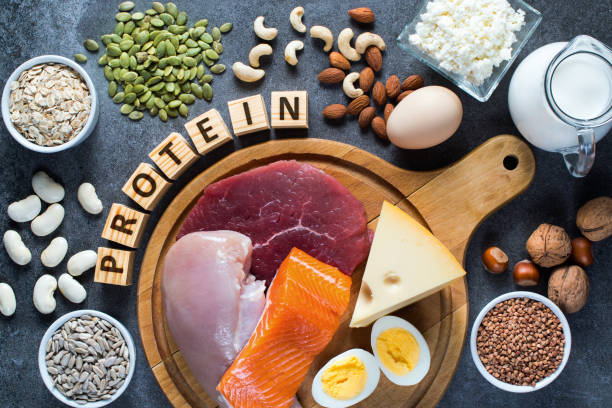
The protein quality of foods depends on their essential amino acid content and digestibility. Optimal sources encompass lean meats like chicken and turkey, eggs, nuts, soybeans, fish, and legumes.
For vegetarians and vegans, selecting high-quality meat-free alternatives such as tofu, tempeh, and Quorn is crucial. Additionally, combining complementary non-complete protein sources like grains and legumes ensures a complete amino acid profile, supporting adequate protein intake.
Ultimately, understanding your protein needs and selecting appropriate sources ensures optimal health and performance.
 Lena's Kitchen